

Participants
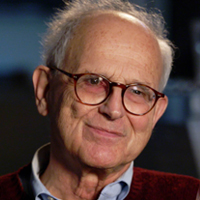
Rai Weiss is known for his pioneering measurements of the spectrum of the cosmic microwave background radiation and his seminal leadership in the conception, design and operation of the laser interferometer gravitational wave detector; remarkable scientific achievements recognized by his roles as a co-founder and an intellectual leader of both the COBE Project and LIGO.
Read More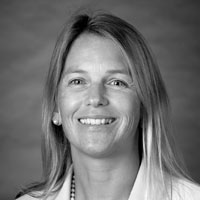
Dava Newman specializes in investigating human performance across the spectrum of gravity. She is an expert in the areas of extravehicular activity, human movement, physics-based modeling, biomechanics, energetics and human-robotic cooperation.
Read More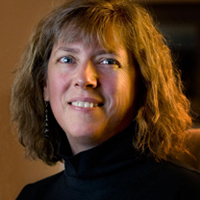
Heidi Hammel is a noted planetary scientist. Currently, she is senior research scientist and codirector of research at the Space Science Institute in Boulder, Colorado.
Read More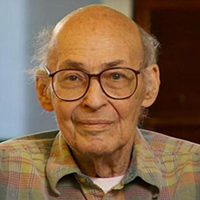
Marvin Minsky is one of the pioneers of artificial intelligence and had made numerous contributions to the fields of AI, cognitive science, mathematics and robotics. His current work focuses on trying to imbue machines with a capacity for common sense.
Read More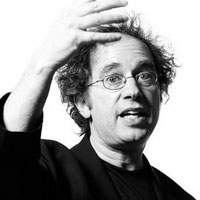
Tod Machover, called “America’s Most Wired Composer” by the Los Angeles Times, is celebrated for creating music that breaks traditional artistic and cultural boundaries.
Read More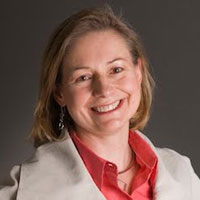
Rosalind W. Picard is an international leader in envisioning and inventing innovative technology. Her award-winning book Affective Computing was instrumental in starting the new field by that name.
Read More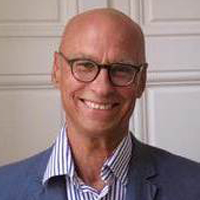
Lawrence Parsons is a Professor of Cognitive Neuroscience at the University of Sheffield in the United Kingdom. His early research on action, spatial reasoning and object recognition was followed by his current work in reasoning, language, emotion and the improvisation of music and dancing.
Read More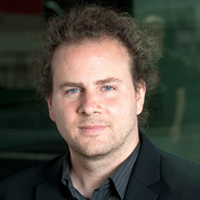
Mitchell Joachim is on the faculty at Columbia University and Parsons School of Design. He is a partner in Terrefuge, a New York-based organization for philanthropic architecture and ecological design.
Read More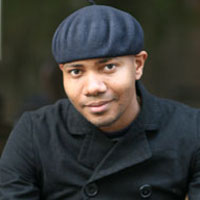
Paul D. Miller aka DJ Spooky That Subliminal Kid is a composer, multimedia artist and writer. His written work has appeared in The Village Voice, The Source, Artforum, and Rapgun among other publications.
Read More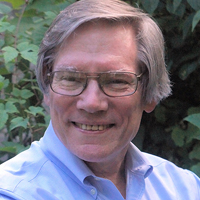
Alan Guth is a professor of physics at MIT, and world-renowned for his discovery of inflationary cosmology, the dominant cosmological paradigm for over two decades. His current research focuses on developing mathematical tools for quantitatively analyzing inflation’s suggestion that there are an infinite number of universes.
Read More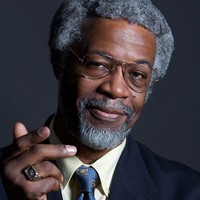
Sylvester James (Jim) Gates, Jr. is currently the John S. Toll Professor of Physics at the University of Maryland-College Park. In spring of 2009 he was appointed to serve on President Obama’s Council of Advisors on Science and Technology and the Maryland State Board of Education.
Read More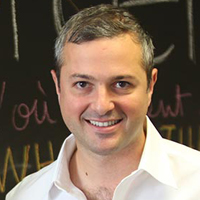
Leonardo Bonanni is a PhD candidate at the MIT Media Lab. He has a background in architecture and sculpture from Columbia University, and has been working as an industrial designer and an inventor for the past six years.
Read More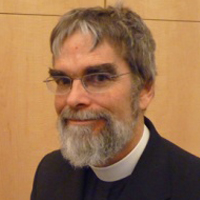
Brother Guy Consolmagno, SJ, earned undergraduate and masters’ degrees from MIT, and a Ph. D. in Planetary Science from the University of Arizona. He was a researcher at Harvard and MIT, served in the US Peace Corps (Kenya), and taught university physics at Lafayette College, Pennsylvania, before entering the Jesuits in 1989.
Read More
Dr. Robert W. Corell, Vice President of Programs & Policy for The H. John Heinz III Center for Science, Economics, and the Environment is also a Council Member for the Global Energy Assessment and a Senior Policy Fellow at the Policy Program of the American Meteorological Society.
Read More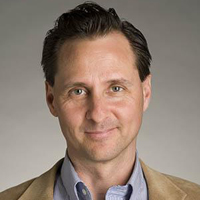
Hugh Herr is Associate Professor at MIT and Director of the Biomechatronics group at the MIT Media Lab. His research seeks to advance technologies merging body and machine, and encompasses a diverse set of disciplines.
Read More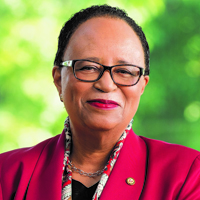
Described by Time Magazine as “perhaps the ultimate role model for women in science,” the Honorable Shirley Ann Jackson, Ph.D., has served as the 18th president of Rensselaer Polytechnic Institute since 1999.
Read More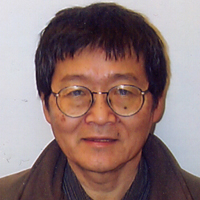
Ken Nakayama received his B.A. in Psychology from the Haverford College in 1962 and his PhD from the University of California at Los Angeles in 1967. For almost twenty years, he was at the Smith Kettlewell Eye Research Institute in San Francisco.
Read More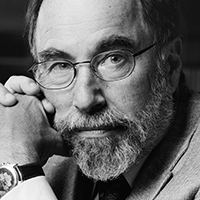
After serving as President of Caltech for nine years, David Baltimore was appointed President Emeritus and the Robert Andrews Millikan Professor of Biology (2006). Baltimore was awarded the Nobel Prize at the age of 37 for research in virology.
Read More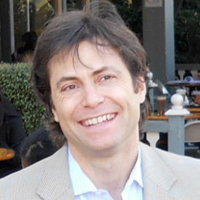
President of the Future of Life Institute, Max Tegmark advocates for positive use of technology. He is also a professor doing physics and AI research at MIT.
Read More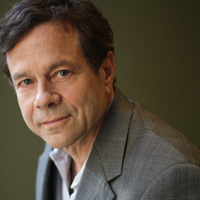
Alan Lightman is a writer, astrophysicist, and educator. He is professor of the practice of the humanities at the Massachusetts Institute of Technology (MIT). As a theoretical physicist, he has contributed to the understanding of the unusual radiation processes, black holes, and stellar dynamics.
Read More
David Sinclair’s research focuses on the search for genes and small molecules capable of slowing the pace of aging in cells and on preventing diseases associated with old age. He is an associate professor of pathology at Harvard Medical School and an associate member of the Harvard-MIT Broad Institute for Bioinformatics.
Read More
Eric Lander was one of the principal leaders of the Human Genome Project, which from 1990-2003 mapped the human genetic code. He has pioneered the application of genomics to the understanding human disease. Lander serves as President and Founding Director of the Broad Institute.
Read More
Heather Knight is an electrical engineer and social roboticist who runs Marilyn Monrobot in New York, where she and her cohort create “charismatic machine performances,” as well as founding the world’s first Robot Film Festival. Knight is currently conducting her doctoral research at the intersection of robotics and entertainment at Carnegie Mellon’s Robotics Institute.
Read More
Josh Tenenbaum is a professor of Computational Cognitive Science in the Department of Brain and Cognitive Sciences at MIT, and a member of the Computer Science and Artificial Intelligence Laboratory (CSAIL). He studies learning, reasoning, and perception in humans and machines.
Read More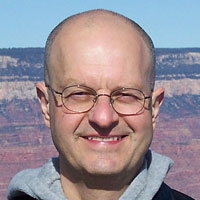
Committed to advancing discoveries in the science of aging and longevity, Leonard Guarente is recognized for his impactful contribution in identifying sirtuins, a group of related proteins that slow aging in model organisms and mitigate aging and diseases in mammals.
Read More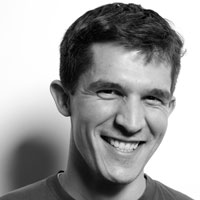
Inventor, entrepreneur, athlete, musician, and TV host Nate Ball draws on his many different pursuits to inspire budding engineers on PBS, the Discovery Channel, and the History Channel. Ball’s fascination with engineering started early.
Read More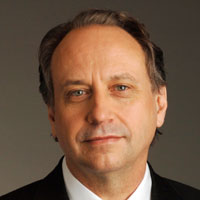
Recently retired from his position as Panasonic Professor of Robotics at MIT, Rodney Brooks’ latest startup, Heartland Robotics, aims to revitalize American manufacturing by providing workers with new robotic tools. During his employment at MIT, Brooks served as director of the institution’s Artificial Intelligence Laboratory and its Computer Science and Artificial Intelligence Laboratory—MIT’s largest lab.
Read More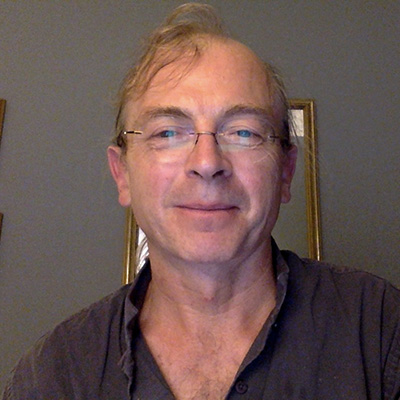
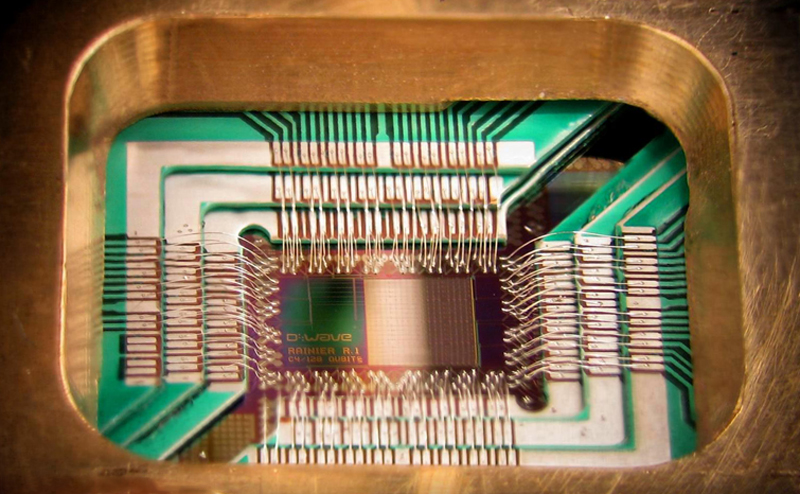
Seth Lloyd was the first person to develop a realizable model for quantum computation and is working with a variety of groups to construct and operate quantum computers and quantum …
Read More
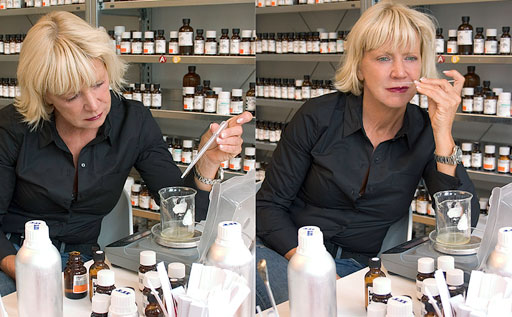
Sissel Tolaas’s work focuses on smell, language, and communication while spanning science, art, and industry. She has identified the smell molecules in worn coats and covered the walls of an MIT gallery with chemically reproduced molecules from the sweat of men who suffer fear attacks.
Read More
Manager and research staff member of the Cryptography Research Group at IBM’s T.J. Watson Research Center, Tal Rabin’s research focuses on the general area of cryptography and, more specifically, on multiparty computations, threshold and proactive security.
Read More
Matthew Wilson is Sherman Fairchild Professor of Neuroscience and Picower Scholar at MIT. His lab is interested in teasing apart the mechanisms of sleep and arousal, and applications of neuroscience in engineering and the study of intelligence.
Read More
Edward Fredkin’s computer career started in 1956 when the Air Force assigned him to work at MIT’s Lincoln Laboratories. In 1968 he started at MIT as a full professor. From 1971 to 1974 he was the Director of CSAIL and he spent a year at Caltech as a Fairchild Distinguished Scholar, working with Richard Feynman.
Read More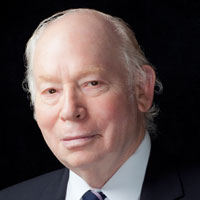
Steven Weinberg was a professor of physics and astronomy at the University of Texas at Austin. His honors included the Nobel Prize in Physics and National Medal of Science, election to numerous academies, and 16 honorary doctoral degrees.
Read More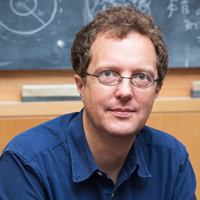
George Musser is a contributing editor at Scientific American and Nautilus magazines, a Knight Science Journalism Fellow at MIT for 2014–2015, and the author of Spooky Action at a Distance (2015) and The Complete Idiot’s Guide to String Theory (2008).
Read More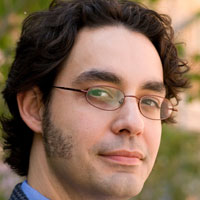
MIT physicist Enectali Figueroa-Feliciano works at the intersection of cosmology, particle physics, astronomy, and engineering.
Read More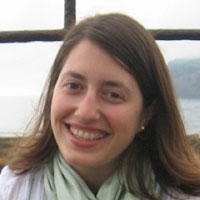
Jocelyn Monroe is an assistant professor of physics in MIT’s Laboratory for Nuclear Science who works on experimental searches for new particles. Her current research focus is on directly detecting dark matter particle interactions with the MiniCLEAN and DMTPC experiments.
Read More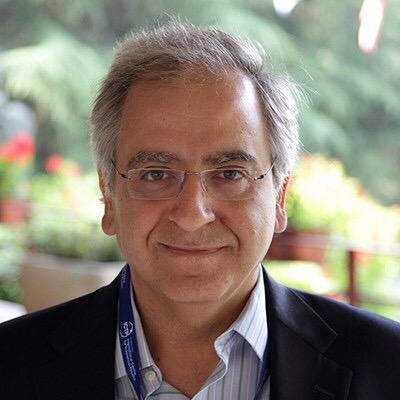
Breakthrough Prize
Cumrun Vafa is the Hollis Professor of Mathematics and Natural Philosophy at Harvard University. He received his BS in Math and Physics from MIT in 1981 and his PhD in …
Read More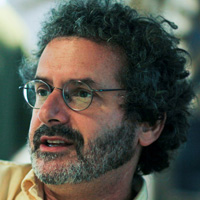
Neil Gershenfeld leads a unique laboratory, the Center for Bits and Atoms at MIT, that is breaking down boundaries between digital and physical worlds.
Read More
Joseph Formaggio explores the properties of neutrinos, one of nature’s most elusive particles, and their deep connections to particle physics and cosmology.
Read More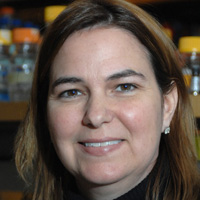
Angela Belcher is the W. M. Keck Professor of Energy at MIT. She combines chemistry, molecular biology and electrical engineering to understand how living things make molecular-scale materials and incorporate their tricks into new organic-inorganic hybrid technologies.
Read More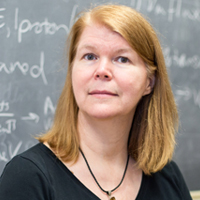
Janet Conrad’s work focuses on the lightest known particle of matter, the neutrino. The number of neutrinos in the universe far exceeds the number of atoms, yet we know surprisingly little about them. Conrad is now exploring whether neutrinos have other unexpected properties and is working to develop an updated model for particle physics that incorporates these new surprises.
Read More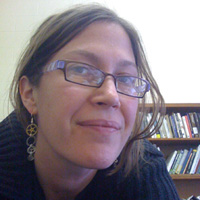
Katherine Isbister has a joint appointment between the NYU-Poly computer science department and the NYU Game Center. Isbister is research director of the Game Innovation Lab at NYU-Poly, and an investigator in the NYU Games for Learning Institute.
Read More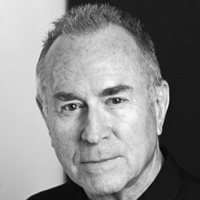
Richard Rhodes is the author or editor of twenty-four books including The Making of the Atomic Bomb, which won a Pulitzer Prize in Nonfiction, a National Book Award and a National Book Critics Circle Award; Dark Sun: The Making of the Hydrogen Bomb, which was shortlisted for a Pulitzer Prize in History; Why They Kill; a personal memoir, A Hole in the World; a biography, John James Audubon; and four novels.
Read More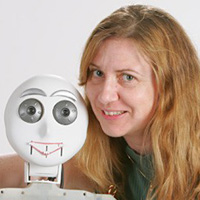
Maja Matarić is at the forefront of the growing field of “socially assistive” robotics, building intelligent machines that can interact with humans socially, rather than physically, to help them learn new skills or recover from illness and injury.
Read More
Howie Choset is a professor of robotics at Carnegie Mellon University. Motivated by applications in confined spaces, Choset has created a comprehensive program in snake robots, which has led to basic research in mechanism design, path planning, motion planning, and estimation.
Read More
Eitan Grinspun is associate professor of computer science at Columbia University, and Director of the Columbia Computer Graphics Group. His research seeks to discover connections between geometry, physics, and computation.
Read More
Kent Larson directs the Changing Places research group and co-directs the City Science Initiative at the MIT Media Laboratory. His current research is focused on responsive urban housing, new urban vehicles, ubiquitous technologies, and living lab experiments.
Read More
Peter Edwards is an American artist, musician, and teacher. He has been exploring the field of circuit bending and musical electronics since 2000 through his business Casperelectronics. He performs regularly under the same name.
Read More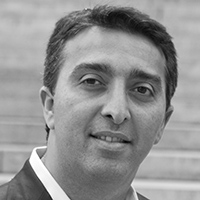
Omid Farokhzad is among the Nano50 winners by NASA Nanotech Briefs, which awards the most innovative people and design ideas that will revolutionize nanotechnology. He was one of 12 people to be recognized among the top innovators in Massachusetts by the Boston Globe.
Read More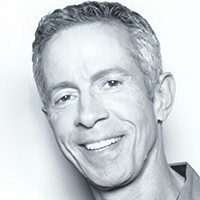
Peter Staley has been a long-term AIDS and gay rights activist, first as a member of ACT UP New York, then as the founding director of TAG, the Treatment Action Group. He served on the board of the American Foundation for AIDS Research (amfAR) for 13 years.
Read More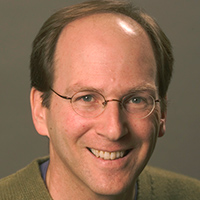
Steven Strogatz is the Jacob Gould Schurman Professor of applied mathematics at Cornell University. He studied at Princeton, Cambridge, and Harvard and taught at MIT before moving to Cornell. He is a renowned teacher and one of the world’s most highly cited mathematicians.
Read More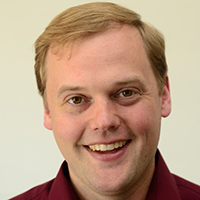
Edwin Olson is an assistant professor of computer science and engineering at the University of Michigan. His research focuses on autonomous robots, ranging from self-driving cars to teams of robots that work together to perform search and rescue missions. He received a Ph.D. from the Massachusetts Institute of Technology in 2008 for his work in robust robot mapping.
Read More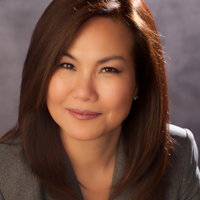
Miyoung Chun is vice president of science programs at The Kavli Foundation in Oxnard, California. Prior to her current role, Chun was an assistant dean of science and engineering at University of California Santa Barbara (UCSB), in particular serving for the California Nanosystems Institute.
Read More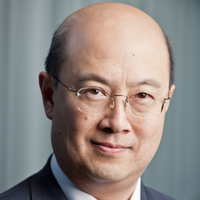
Andrew W. Lo is a professor at the MIT Sloan School of Management, the director of MIT’s Laboratory for Financial Engineering, a principal investigator at MIT’s Computer Science and Artificial Intelligence Lab, and an affiliated faculty member of the MIT Department of Electrical Engineering and Computer Science.
Read More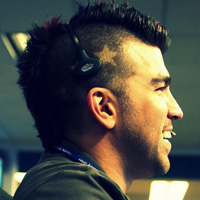
Bobak Ferdowsi, also known as “Mohawk Guy,” is a member of the Engineering Operations Team at NASA’s Jet Propulsion Laboratory. He acted as Flight Director during the landing of the Mars Science Laboratory Curiosity on Gale Crater in 2012.
Read More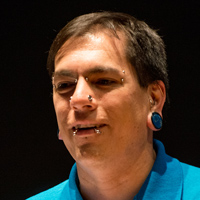
Alvar Saenz-Otero is the director of the MIT Space Systems Laboratory at the MIT Department of Aeronautics and Astronautics. His primary role is as lead scientist of the SPHERES program, where he develops research activities for tests aboard the International Space Station and in ground facilities.
Read More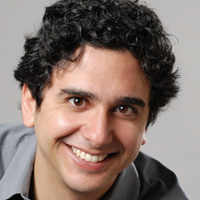
Michel Maharbiz is one of the inventors of neural dust, a low-power solution for chronic brain-machine interfaces and untethered neural recording. He also developed the world’s first remotely radio-controlled cyborg insects (beetles).
Read More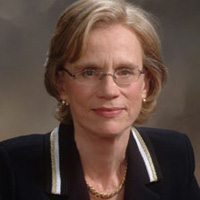
Ann Graybiel is a neuroscientist and investigator at the McGovern Institute for Brain Research at MIT. Her research focuses on the basal ganglia, a group of forebrain structures involved in controlling movement, cognition, and habit learning.
Read More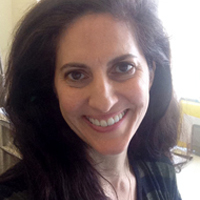
Lila Davachi is Associate Professor of Psychology and Neuroscience and the Director of the Center for Learning, Memory and Emotion at New York University. She received her Ph.D. from Yale University and conducted post-doctoral work at MIT.
Read More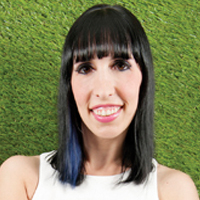
Amanda Gefter is a physics and cosmology writer and a consultant for New Scientist magazine, where she formerly served as books and arts editor and founded CultureLab.
Read More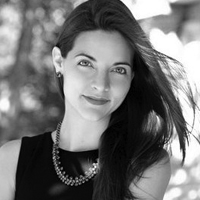
Kathryn Minshew is the CEO & Founder of TheMuse.com, a career platform and job discovery tool helping 15+ million people find inspiring careers at thoughtful companies.
Read More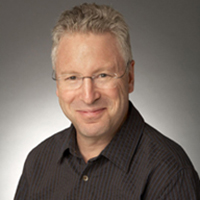
Thomas Levenson is Professor of Science Writing and Director of the Graduate Program in Science Writing at MIT. He has written five books on science and the history of science, including Newton and the Counterfeiter, Einstein in Berlin and Measure for Measure: A Musical History of Science.
Read More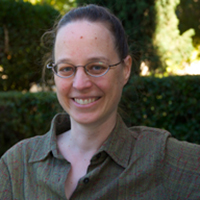
Eleanor G. Rieffel explores algorithm design and fundamental questions in quantum computation as a leader of NASA’s QuAIL team. Her book, Quantum Computing: A Gentle Introduction, with co-author Wolfgang Polak, was published by MIT Press and has received stellar reviews.
Read More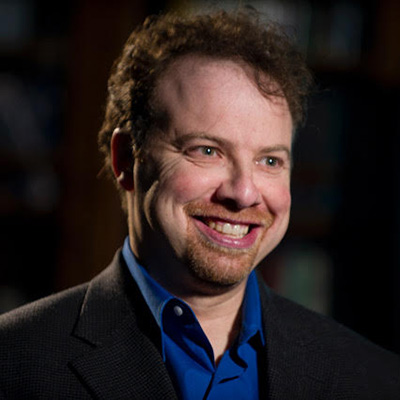
Nobel Laureate
Adam Riess is the Thomas J. Barber Professor in Space Studies at the Johns Hopkins University Krieger School of Arts and Sciences, a distinguished astronomer at the Space Telescope Science …
Read More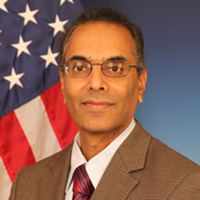
Suresh Jagannathan joined DARPA in September 2013. His research interests include programming languages, program analysis and verification, and concurrent/distributed systems.
Read More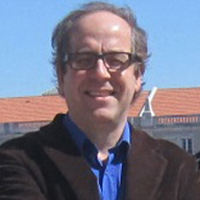
Masoud Mohseni is a senior research scientist at Google Quantum Artificial Intelligence Laboratory, where he develops machine-learning algorithms that fundamentally rely on quantum dynamics.
Read More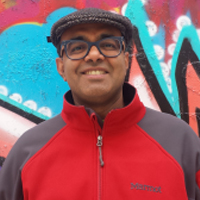
As a theoretical physicist at the University of Pennsylvania, Vijay Balasubramanian pursues research in two different fields: string theory and theoretical neuroscience. He is an expert in statistical inference and “Occam’s Razor”—the trade-off between simple and accurate mathematical models.
Read More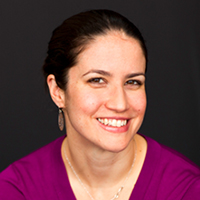
Catherine Price’s written and multimedia work has appeared in publications including The Best American Science Writing, The New York Times, the San Francisco Chronicle, The Washington Post Magazine, Slate, Salon, Men’s Journal, Mother Jones, the Oprah Magazine, and Parade, among others.
Read More
Alan Peters is the principal architect of Neocortex. He’s also an associate professor of electrical engineering at Vanderbilt University where he supervises research on a humanoid robot, ISAC, in the Intelligent Robotics Laboratory. He has over fifty publications and has secured research funding in excess of $4 million.
Read More
Marcia Bartusiak is an author, journalist, and Professor of the Practice of the Graduate Program in Science Writing at MIT. She writes about the fields of astronomy and physics. Bartusiak has been published in National Geographic, Discover, Astronomy, Sky & Telescope, Science, Popular Science, and more.
Read More
David Shoemaker is the Director of the MIT LIGO Lab and the Leader of the Advanced LIGO Project to build the detectors used in the discovery of gravitational waves.
Read More
Michal Lipson joined the Electrical Engineering faculty at Columbia University in July 2015. She completed her B.S., M.S., and Ph.D. degrees in Physics at the Technion in 1998, followed by a Postdoctoral position at MIT in the Materials Science Department.
Read More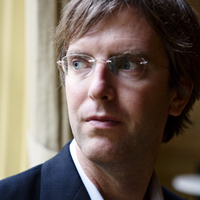
Drew Endy is an assistant professor of Bioengineering at Stanford. His Stanford research team develops genetically encoded computers and redesigns genomes. Endy co-founded the BioBricks Foundation as a public-benefit charity supporting free-to-use standards and technology that enable the engineering of biology.
Read More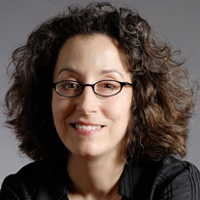
Martha J. Farah grew up in New York City, was educated at MIT and Harvard, and taught at Carnegie-Mellon University before joining the University of Pennsylvania. Her research in cognitive neuroscience has ranged widely, from vision at the back of the brain to executive function at the front.
Read More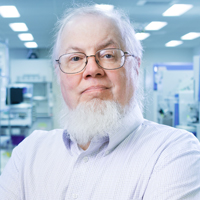
Tom Knight spent most of his career in computer science and electrical engineering at MIT, before playing a major role in creating the field of synthetic biology. In 1996, he seeded interest in the field at DARPA, and built a molecular biology laboratory in the MIT computer science department.
Read More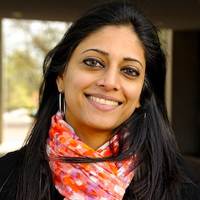
Sridevi Sarma received her B.S. in Electrical Engineering from Cornell University; and an M.S. and Ph.D. in Electrical Engineering and Computer Science from Massachusetts Institute of Technology (MIT). She is now an assistant professor in the Institute for Computational Medicine, Department of Biomedical Engineering, at Johns Hopkins University.
Read More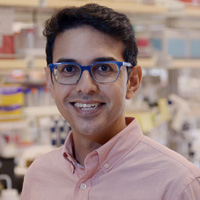
Neville Sanjana is a Core Faculty Member at the New York Genome Center and Assistant Professor in the Departments of Biology and of Neuroscience and Physiology at New York University. Dr. Sanjana creates new tools to understand the impact of genetic changes on the nervous system and cancer evolution.
Read More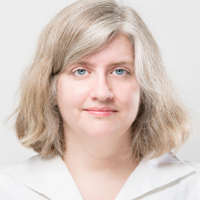
Cathy O’Neil earned a Ph.D. in math from Harvard, was a postdoc at the MIT math department, and a professor at Barnard College where she published a number of research papers in arithmetic algebraic geometry.
Read More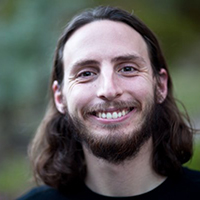
Jesse Engel is a research scientist with Google Brain’s Magenta team on the coevolution of artificial intelligence algorithms and their creative applications. He received his Bachelors, Ph.D., and Postdoc degree from UC Berkeley.
Read More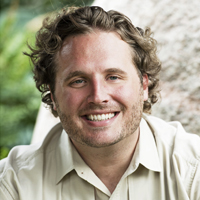
Caleb Harper is the Principal Investigator and Director of the Open Agriculture (Open Ag) Initiative at the MIT Media Lab. He leads a diverse group of engineers, architects, and scientists in the exploration and development of future food systems.
Read More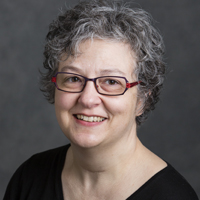
Dany Spencer Adams explores how ions moving among cells act as signals during regeneration, development, and cancer. She has uncovered evidence that bioelectric signals can trigger and regulate diverse complex processes that include gene expression changes.
Read More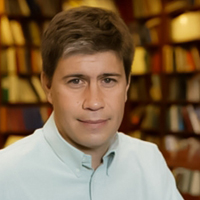
Matias Zaldarriaga is a professor at the Institute for Advanced Study in Princeton. He has a PhD from MIT and is the recipient of a MacArthur Fellowship, the Gribov Medal from the European Physical Society, and the Helen B. Warner Prize from the American Astronomical Society.
Read More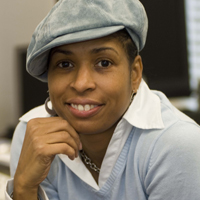
Dr. Aprille J. Ericsson is the first female to receive a Ph.D. in Mechanical Engineering from Howard University, and the first African-American civil servant female to receive a Ph.D. in Engineering at NASA GSFC. She received her B.S. in Aeronautical/Astronautical Engineering from MIT.
Read More
Gino Segrè is a professor of physics and astronomy at the University of Pennsylvania. He has been a visiting professor at New York University/Abu Dhabi, MIT and Oxford University, Chair of the Department of Physics and Astronomy at the University of Pennsylvania and director of Theoretical Physics at the National Science Foundation.
Read More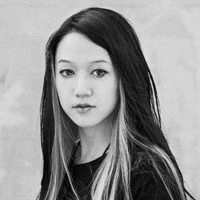
Sougwen Chung (愫君) is a Chinese-born, Canadian-raised artist based in New York. Her work explores transitional edges — the mark-made-by-hand and the mark-made-by-machine — as an approach to understanding the interaction between humans and computers.
Read More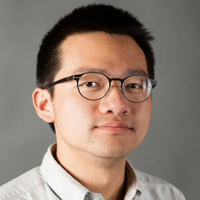
Tim Hwang is director of the Harvard-MIT Ethics and Governance of AI Initiative, a philanthropic project working to ensure that machine learning and autonomous technologies are researched, developed, and deployed in the public interest.
Read More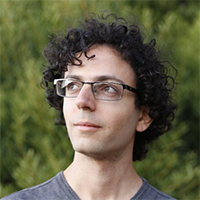
Aviv Ovadya is Chief Technologist at the Center for Social Media Responsibility at the University of Michigan School of Information, where he works on ensuring our information ecosystem has a positive impact on society. This involves identifying, measuring, and mitigating indirect harms of technologies that affect public discourse. Ovadya received his bachelors and masters degrees in computer science at MIT.
Read More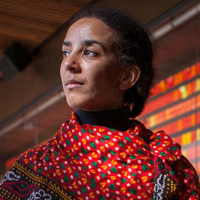
Timnit Gebru works in the Fairness Accountability Transparency and Ethics (FATE) group at Microsoft Research, New York. She is currently studying the ethical considerations underlying any data mining project, and methods of auditing and mitigating bias in sociotechnical systems.
Read More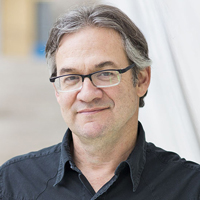
Michael Benson’s work focuses on the intersection of art and science. A writer, artist, and filmmaker, Benson has staged a series of large-scale shows of reprocessed planetary landscape photography in major museums.
Read More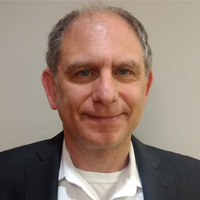
Clifford Stein is Professor of Industrial Engineering and Operations Research and of Computer Science at Columbia University. He is also a member of the Data Science Institute.
Read More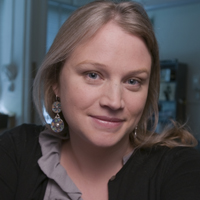
Lindley Winslow’s work focuses on answering big questions about the universe by developing novel particle detectors. She received her BA in physics and astronomy in 2001 and her PhD in physics in 2008, both from the University of California at Berkeley.
Read More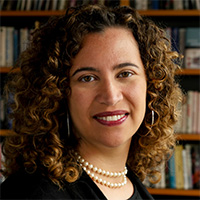
Meredith Broussard is an assistant professor at the Arthur L. Carter Journalism Institute of New York University, an affiliate faculty member at the Moore-Sloan Data Science Environment at the NYU Center for Data Science, and a 2019 fellow at the Donald W. Reynolds Journalism Institute.
Read More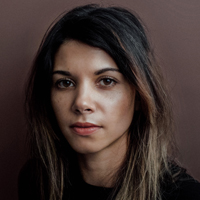
Jessica Brillhart is an Immersive Director, Writer, and Theorist. She’s the founder of the independent studio, Vrai Pictures, and is on the roster for Mssng Peces. Previously, Brillhart was the Principal Filmmaker for VR at Google where she worked with engineers to develop Google Jump.
Read More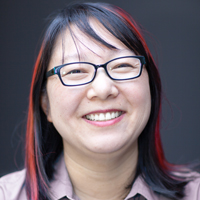
Wendy Ju is an Assistant Professor in the Department of Information Science at Cornell Tech’s Jacobs Technion-Cornell Institute, where she leads the Future Autonomy Research (FAR) Lab. Her work focuses on ways that interactive devices like robots can communicate with people without interrupting or intruding.
Read More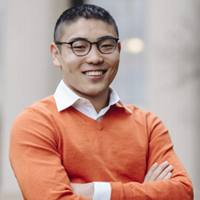
Matthew Chun graduated from Jericho High School in 2014 and participated in ISEF in 2013 (4th place: Materials and Bioengineering) and 2014 (2nd place: Chemistry). Chun is currently a senior at MIT studying Mechanical Engineering.
Read More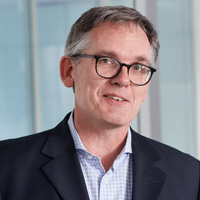
David Poeppel is the Director of the Department of Neuroscience at the Max-Planck-Institute (MPIEA) in Frankfurt, Germany and a Professor of Psychology and Neural Science at NYU. Trained at MIT in cognitive science, linguistics, and neuroscience, Poeppel did his post-doctoral training at the University of California San Francisco, where he focused on functional brain imaging.
Read More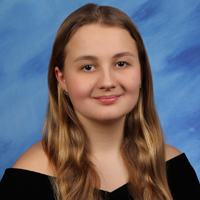
Vera Zarubin is a 17-year-old senior at the Bronx High School of Science and an incoming freshman at MIT. In the past two years, she has worked on four graduate-level research projects in applied physics and materials science.
Read More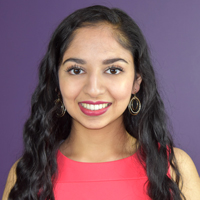
Anjali Chadha is a rising Senior at duPont Manual High School, a Math Science Technology Magnet school in Louisville, Kentucky. She has a deep passion for technology and innovation and has been developing a novel IoT based 3D printed arsenic sensor for the past 2 years.
Read More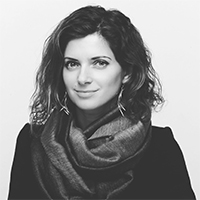
Lera Boroditsky is an associate professor of cognitive science at University of California San Diego. She previously served on the faculty at MIT and Stanford. Her research is on the relationships between mind, world, and language (or how humans get so smart).
Read More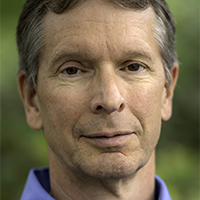
Donald Hoffman received his PhD from MIT and is a professor of cognitive science at the University of California Irvine. He is an author of over 120 scientific papers and three books, including Visual Intelligence: How We Create What We See.
Read More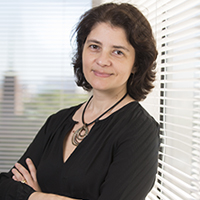
Suzana Herculano-Houzel, PhD, is a biologist and neuroscientist at Vanderbilt University, where she is associate professor in the Departments of Psychology and Biological Sciences. Her research focuses on what different brains are made of.
Read More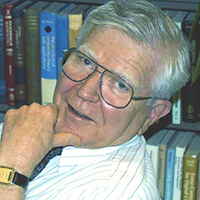
Robert Gallager has been a professor at MIT since his ScD thesis in 1960 where he invented LDPC codes, which have evolved to be a major error-correction technique in the oncoming 5th generation wireless telecommunication standard.
Read More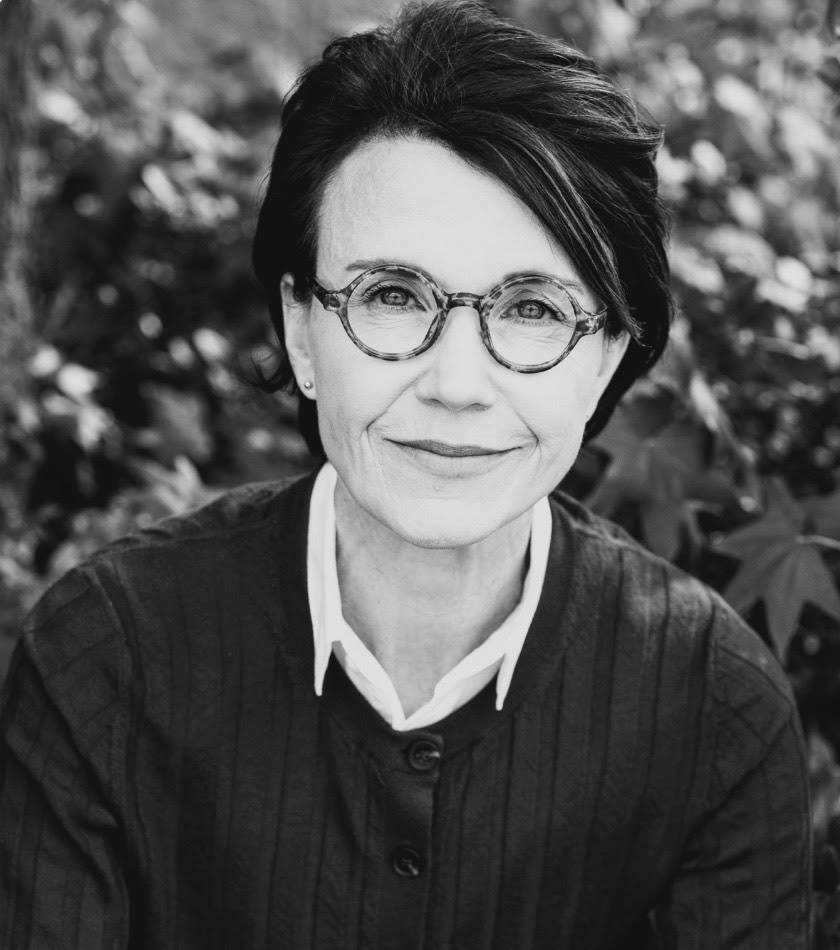
Barbara Natterson.-Horowitz, M.D., is a cardiologist and psychiatrist who turns to the natural world for insights into human health and development. Faculty in Harvard-MIT HST Program, Harvard Department of Human …
Read More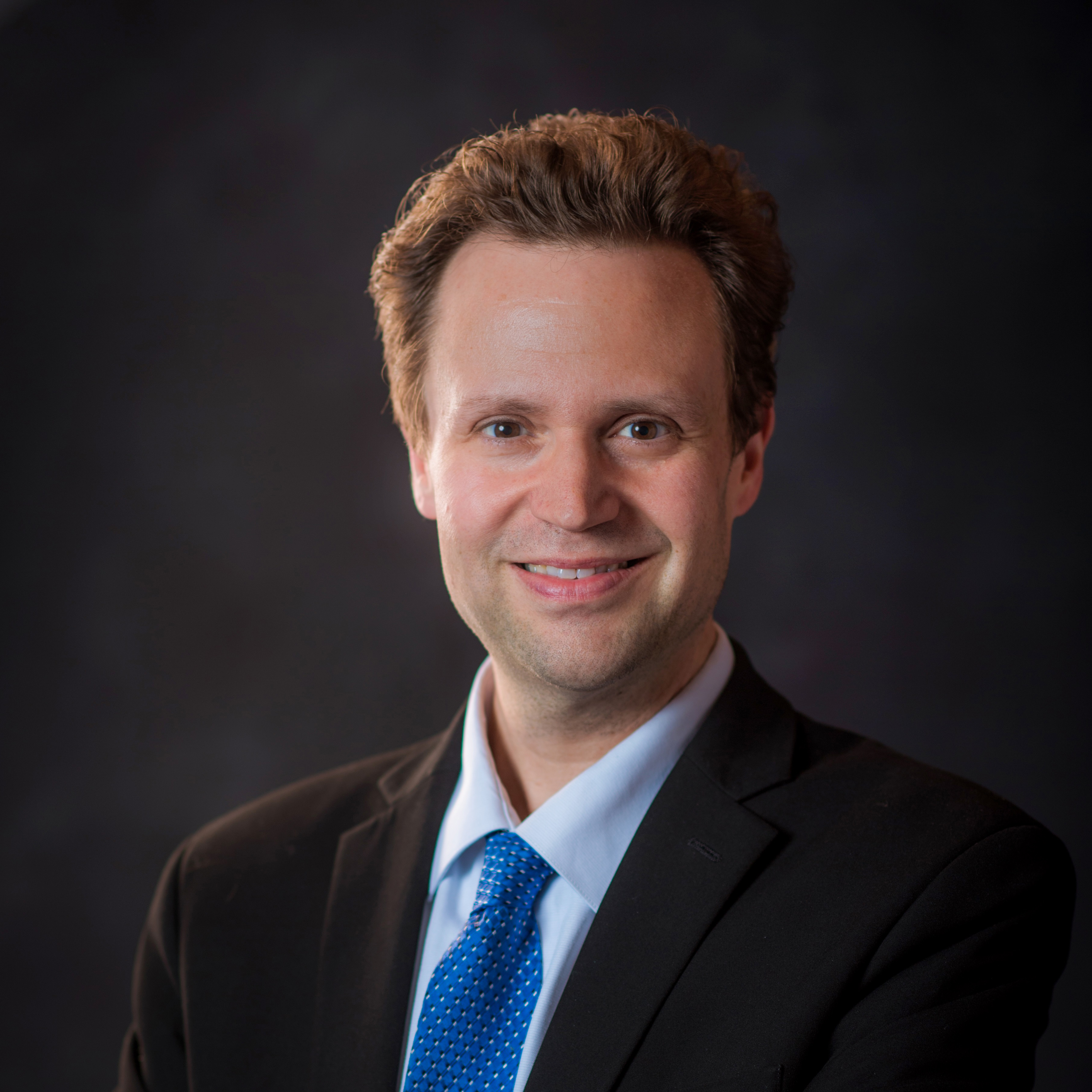
Markus J. Buehler is a materials scientist and engineer at the Massachusetts Institute of Technology. As a professor and the department head at MIT’s Department of Civil and Environmental Engineering, …
Read More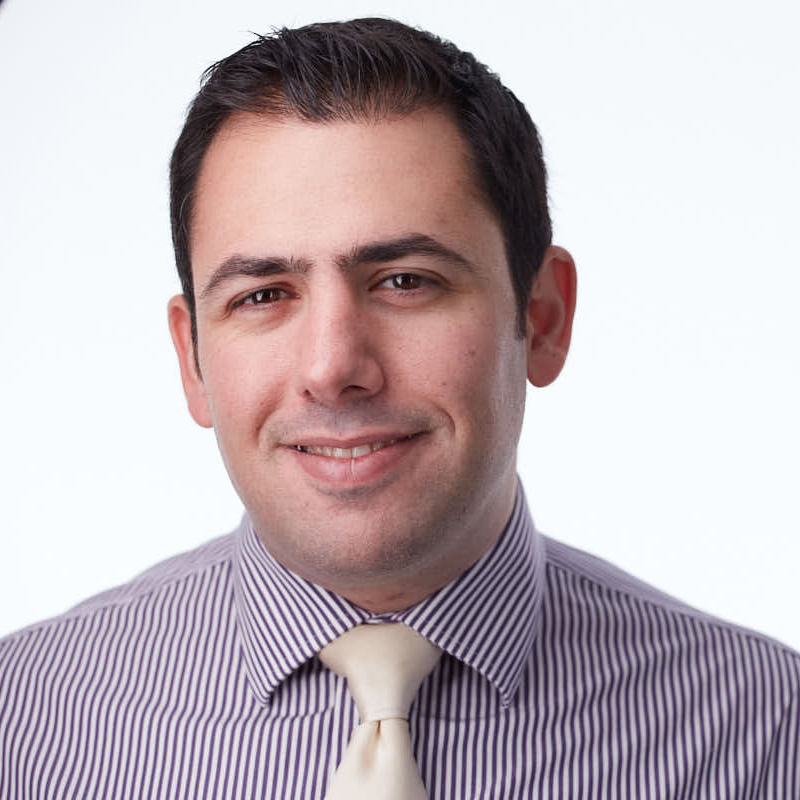
Michael Halassa is the Class of 1958 Career Development Professor at MIT’s Department of Brain and Cognitive Sciences, and is also an associate investigator at MIT’s McGovern Institute for Brain …
Read More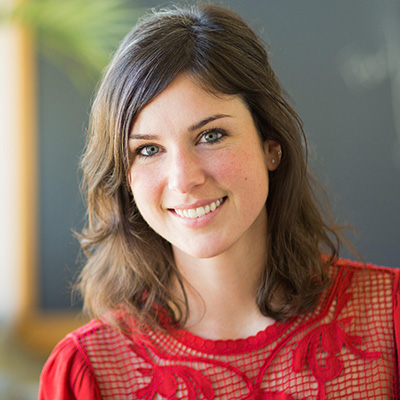
Newton Lacy Pierce Prize
Erin Kara is MIT’s Class of 1958 Career Development Assistant Professor of Physics. Her research focuses on how black holes grow and affect their environments. She also works to develop …
Read More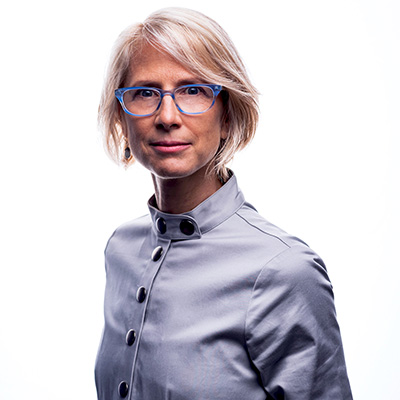
Heidi Boisvert (PhD) Boisvert is an Assistant Professor of AI & the Arts at the University of Florida, where she has been tasked with establishing the nation’s first AI and …
Read More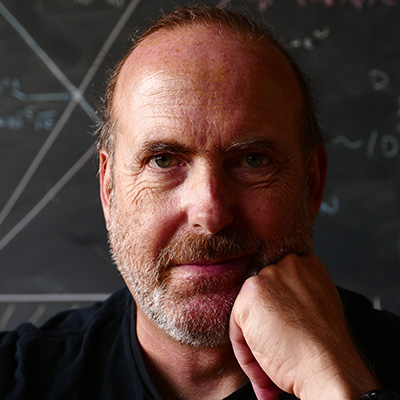
Will Kinney is a professor in the Department of Physics at the University at Buffalo, SUNY, where he has been on faculty since 2003. Dr. Kinney received his Bachelor of …
Read More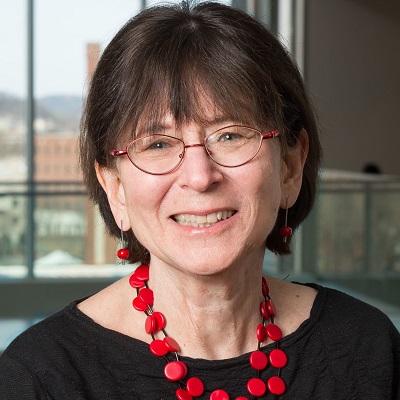
Lenore Blum (PhD, MIT) is Distinguished Career Professor Emerita of Computer Science at Carnegie Mellon University. Lenore’s research, from her early work in model theory and differential algebra has focused …
Read More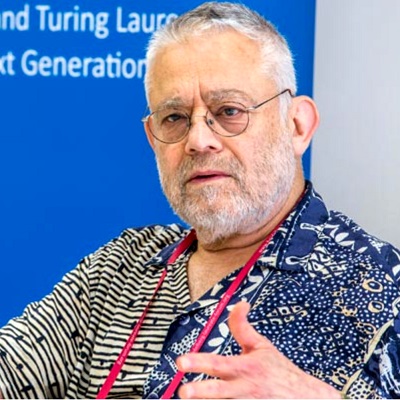
Manuel Blum (PhD, MIT) is Professor Emeritus of Computer Science at Carnegie Mellon and at UC Berkeley. Manuel has been motivated to understand the mind since he was in second …
Read More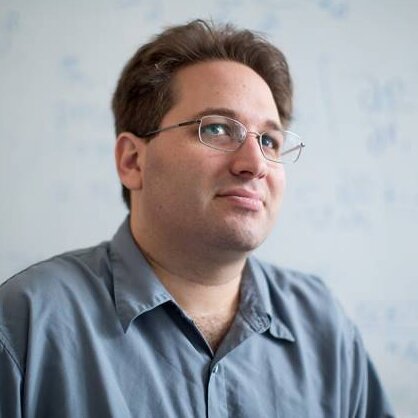
Scott Aaronson is the Schlumberger Centennial Chair of Computer Science at the University of Texas at Austin and the founding director of UT’s Quantum Information Center. He has made significant …
Read More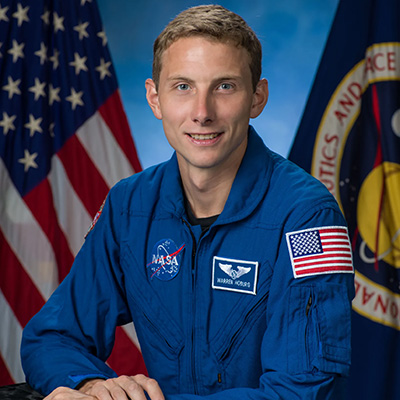
Warren “Woody” Hoburg was selected by NASA to join the 2017 Astronaut Candidate Class, and. In 2020, NASA announced that he would be one of 18 astronauts chosen for the …
Read More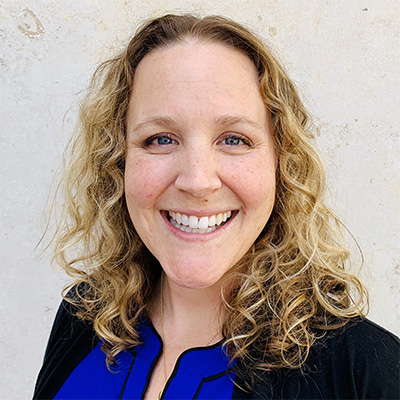
Lindsay Hays is the acting lead scientist for Mars Sample Return Mission, and is NASA’s program scientist for astrobiology, which means that she manages all of the research and coordination …
Read More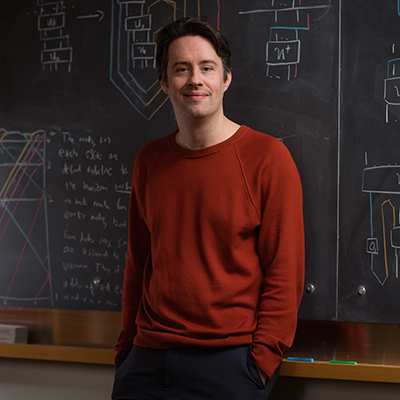
Daniel Harlow is a theoretical physicist and professor at MIT, recognized for his work in quantum gravity, black hole physics, and quantum information theory. He is known for linking quantum …
Read More