





Participants
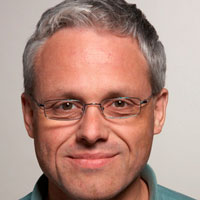
Patrick R. Hof is an expert in the pathology of neuropsychiatric disorders whose laboratory is internationally known for its quantitative approaches to neuroanatomy and studies of brain evolution. Among his major contributions, Dr. Hof demonstrated that specific neurons are selectively vulnerable in dementing disorders such as Alzheimer’s disease.
Read More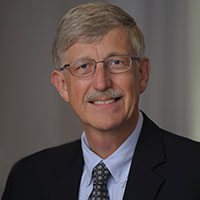
Francis Collins is known for his landmark discoveries of disease genes and leadership of the Human Genome Project, an international project that culminated in 2003 with the completion of a finished sequence of the human DNA instruction book.
Read More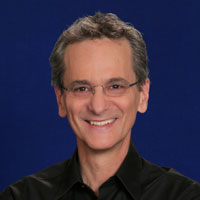
Gary Small is the co-inventor of the first brain-scanning technology to detect the physical evidence of Alzheimer’s disease in living people. He also led the team of neuroscientists that was the first to reveal that Internet searching may result in rapid and significant alterations in brain neural circuitry.
Read More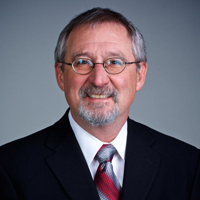
Richard Weindruch has devoted decades to exploring extreme low-calorie diets and their promise in delaying aging. He is a professor of medicine at the University of Wisconsin and the director and co-founder of LifeGen Technologies.
Read More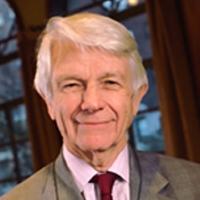
Robert Butler is a pioneer in gerontology — the study of aging and its biological, psychological, and social implications. His book, Why Survive? Being Old in America, won the Pulitzer Prize in 1976.
Read More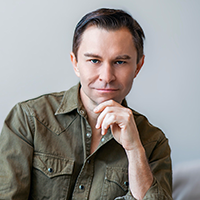
David Sinclair’s research focuses on the search for genes and small molecules capable of slowing the pace of aging in cells and on preventing diseases associated with old age. He is an associate professor of pathology at Harvard Medical School and an associate member of the Harvard-MIT Broad Institute for Bioinformatics.
Read More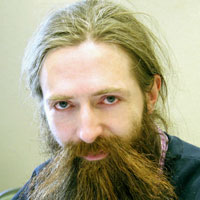
Biomedical gerontologist Aubrey de Grey’s research interests encompass the characterization of the accumulating and eventually pathogenic molecular and cellular side-effects of metabolism that constitute mammalian aging. His work also involves the design of interventions to repair and/or obviate that damage.
Read More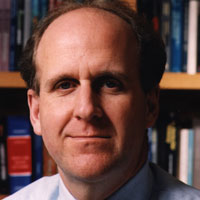
Daniel L. Schacter is the William R. Kenan, Jr. Professor in the Department of Psychology at Harvard University. Many of Schacter’s studies and ideas are summarized in his 1996 book, Searching for Memory, and his 2001 contribution, The Seven Sins of Memory.
Read More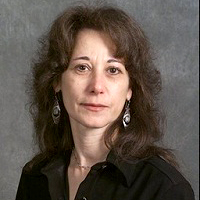
A pioneer in researching the control of cellular senescence and its role in tumor suppression and aging, Judith Campisi has helped make several groundbreaking discoveries that continue to challenge and alter existing paradigms.
Read More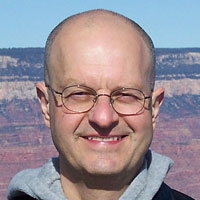
Committed to advancing discoveries in the science of aging and longevity, Leonard Guarente is recognized for his impactful contribution in identifying sirtuins, a group of related proteins that slow aging in model organisms and mitigate aging and diseases in mammals.
Read More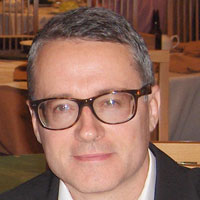
Michael Rose began his work on the evolution of aging at the University of Sussex in 1976, where he created fruit fly stocks with postponed aging. His 1991 book Evolutionary Biology of Aging offered a view of aging that was a complete departure from the views that had dominated the aging field since 1960.
Read More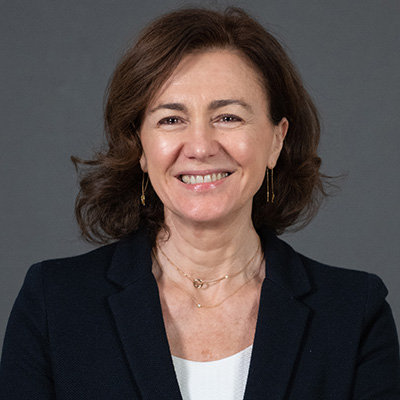
Cristina Alberini is a professor of neural science at New York University whose research focuses on the identification and characterization of the biological mechanisms that accompany long-term memory formation, storage …
Read More
Hannah Waters writes about science for Nature Medicine and her blog Culturing Science. Before that, she studied the epigenetics of aging in Philadelphia, marine food webs off the coast of Oregon, and coastal conservation in Maine.
Read More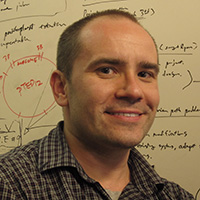
Oliver Medvedik earned his Ph.D. at Harvard Medical School, in the Biomedical and Biological Sciences program. As part of his doctoral work he has used single-celled budding yeast as a model system to map the genetic pathways that underlie the processes of aging in more complex organisms, such as humans.
Read More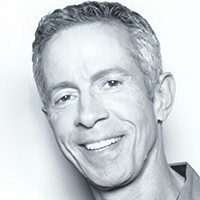
Peter Staley has been a long-term AIDS and gay rights activist, first as a member of ACT UP New York, then as the founding director of TAG, the Treatment Action Group. He served on the board of the American Foundation for AIDS Research (amfAR) for 13 years.
Read More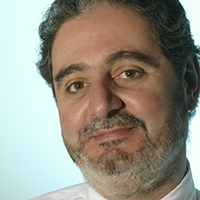
Jean-Pierre Issa is a professor of medicine and director at Fels Institute for Cancer Research and Molecular Biology at Temple University. Issa’s laboratory has made important contributions to the understanding of the importance of epigenetics in the pathophysiology and treatment of cancer.
Read More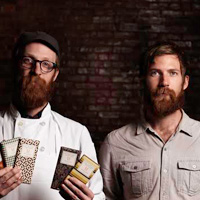
Rick and Michael Mast are the co-founders and head chocolate makers of Mast Brothers Chocolate, a bean-to-bar chocolate making company located in Brooklyn. They are involved in every aspect of the process, from roasting and grinding the beans to aging the chocolate and molding the bars.
Read More
Mindy Greenstein is a clinical psychologist, psycho-oncologist, and writer, who also serves as a consultant to the geriatric group in the Department of Psychiatry at Memorial Sloan Kettering Cancer Center.
Read More
James L. Kirkland, M.D., Ph.D. is the Director of the Robert and Arlene Kogod Center on Aging at Mayo Clinic and Noaber Foundation Professor of Aging Research. He is a Board-certified specialist in internal medicine, geriatrics, and endocrinology and metabolism.
Read More
Nir Barzilai is the founding director of the Institute for Aging Research, the Nathan Shock Center of Excellence in the Basic Biology of Aging and the Paul F. Glenn Center …
Read More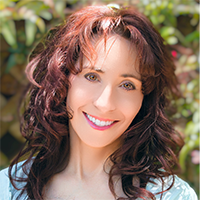
Elissa Epel is a Professor, as well as Vice Chair, of the Department of Psychiatry at University of California, San Francisco. She is a member of the National Academy of …
Read More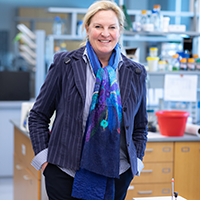
Laura Niedernhofer is Director of the Institute on the Biology of Aging and Metabolism at the University of Minnesota, where she is also a professor of Biochemistry, Molecular Biology and …
Read More