


Participants
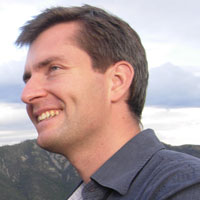
David Charbonneau has been called a “celestial detective” for his systematic search for planets orbiting nearby sun-like stars. Uncovering the secrets of these exoplanets, as they’re called, could conceivably lead to the first direct evidence of life beyond Earth.
Read More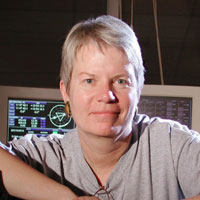
Jill Tarter has devoted her career to hunting for signs of sentient beings elsewhere through a systematic search for radio signals from Earth’s galactic neighbors. She has received wide recognition in the scientific community, including the Lifetime Achievement Award from Women in Aerospace, two Public Service Medals from NASA and a 2009 TEDPrize.
Read More
Danish sound artist Jacob Kirkegaard explores sound in art with a scientific approach. He focuses on the scientific and aesthetic aspects of resonance, time, sound and hearing. His installations, compositions, and performances deal with acoustic spaces and phenomena that usually remain imperceptible.
Read More
Nobel Laureate
Nobel Laureate John Mather’s research in cosmology as part of the Cosmic Background Explorer (COBE) team has been recognized as some of the most important work of the 20th century.
Read More
Laura Danly is a spectroscopist specializing in ultraviolet observations from space satellites. Her research focuses on the large-scale distribution and dynamics of the interstellar medium and its relationship to galaxy evolution.
Read More
Mark Whittle uses large optical and radio telescopes, including the Hubble Space Telescope, to study processes occurring within 1,000 light years of the central supermassive black hole in Active Galaxies.
Read More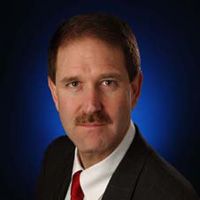
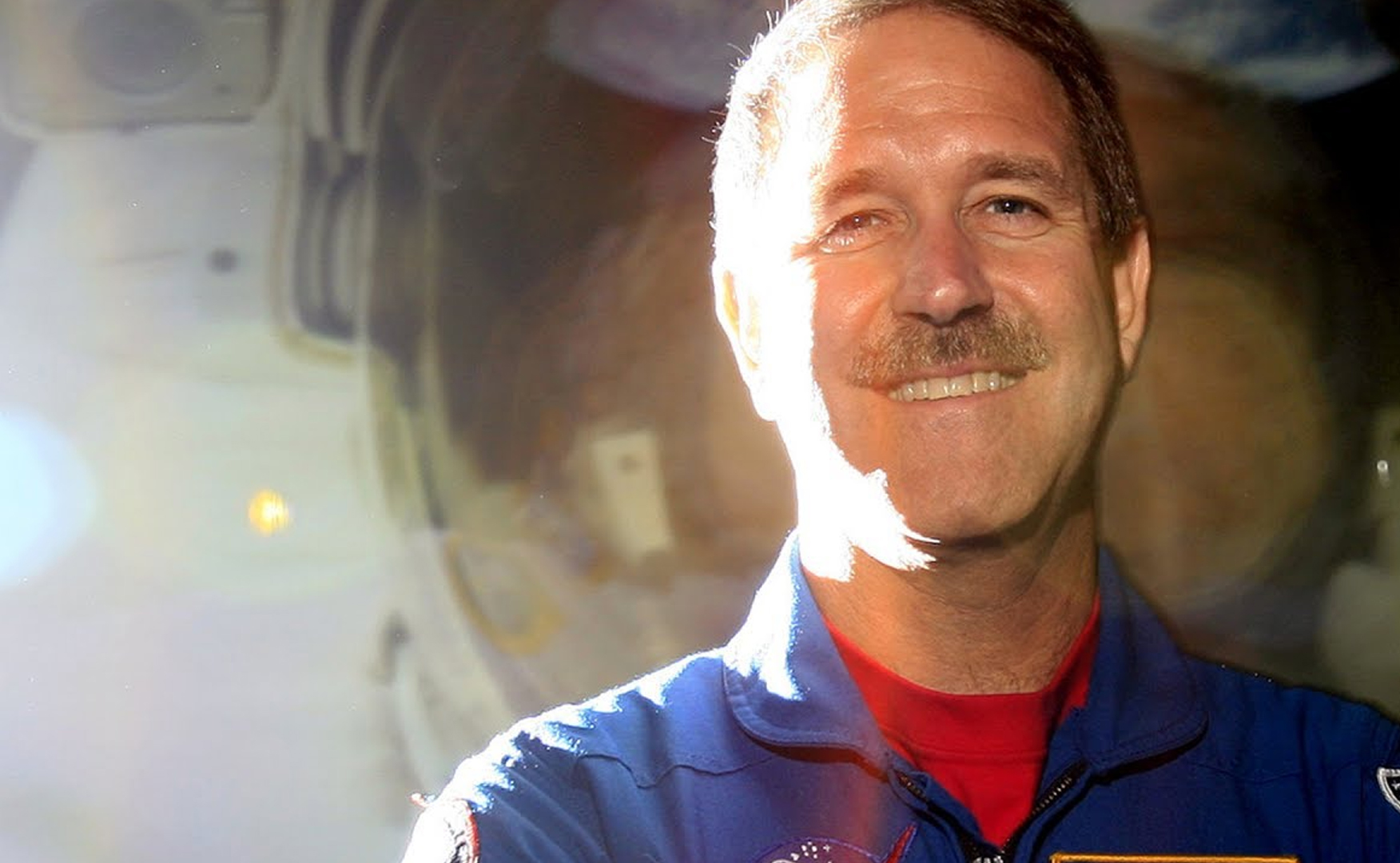
John M. Grunsfeld was named Associate Administrator for the Science Mission Directorate at NASA Headquarters in Washington, D.C. in 2012. He previously served as the Deputy Director of the Space Telescope Science Institute in Baltimore.
Read More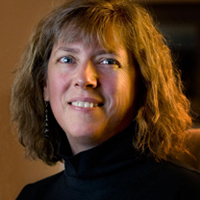
Heidi Hammel is a noted planetary scientist. Currently, she is senior research scientist and codirector of research at the Space Science Institute in Boulder, Colorado.
Read More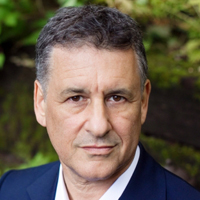
Daniel J. Levitin is the James McGill Professor of Psychology and Neurosciences at McGill University, where he holds associate appointments in the Department of Neurology & Neurosurgery, the Faculty of Education, School of Computer Science, and in the Schulich School of Music.
Read More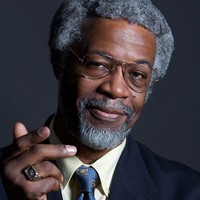
Sylvester James (Jim) Gates, Jr. is currently the John S. Toll Professor of Physics at the University of Maryland-College Park. In spring of 2009 he was appointed to serve on President Obama’s Council of Advisors on Science and Technology and the Maryland State Board of Education.
Read More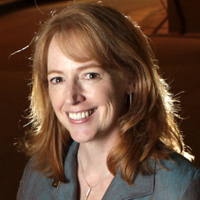
Evalyn Gates is the Assistant Director of the Kavli Institute for Cosmological Physics at the University of Chicago and a Senior Research Associate in the Department of Astronomy and Astrophysics. Her research focuses on theoretical cosmology and particle astrophysics.
Read More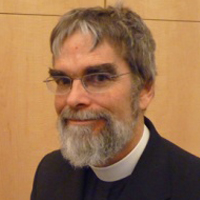
Brother Guy Consolmagno, SJ, earned undergraduate and masters’ degrees from MIT, and a Ph. D. in Planetary Science from the University of Arizona. He was a researcher at Harvard and MIT, served in the US Peace Corps (Kenya), and taught university physics at Lafayette College, Pennsylvania, before entering the Jesuits in 1989.
Read More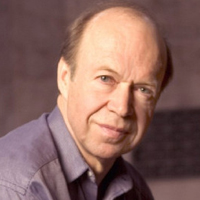
Dr. James Hansen is director of the NASA Goddard Institute for Space Studies and Adjunct Professor at Columbia University’s Earth Institute. An active researcher in planetary atmospheres and climate science for nearly 40 years, Hansen is best known for his Congressional testimonies on climate change that widely elevated the awareness of global warming.
Read More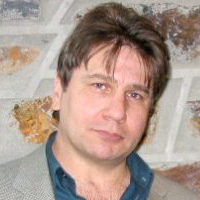
Warren Meck is Professor of Psychology and Neuroscience at Duke University. An internationally recognized expert on time perception, Meck’s research explores the neural basis of the “internal clocks” humans and other animals use to time events in seconds, minutes, and hours.
Read More
Physicist Lyman Page measures the cosmic microwave background radiation left over from the Big Bang to better understand the very early universe and how it has since evolved. He is the Henry DeWolf Smyth Professor of Physics at Princeton University.
Read More
Sociologist Nikolas Rose is interested in how genomics affects personal identity and the social and legal ramifications of studying the human genome. He is the James Martin White Professor of Sociology and the Director of the BIOS Centre for the Study of Bioscience, Biomedicine, Biotechnology and Society at the London School of Economics.
Read More
Vera C. Rubin was an observational astronomer who studied the motions of gas and stars in galaxies and motions of galaxies in the universe for 75 percent of her life. …
Read More
James Schamus is CEO of Focus Features, and an associate professor at Columbia University’s School of the Arts in New York City, where he teaches film history and theory.
Read More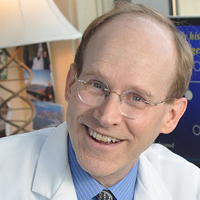
Physician and geneticist James Evans uses family history and genetic testing to evaluate and counsel patients about their risk for cancer. His research explores how genetics influences an individual’s response to medication.
Read More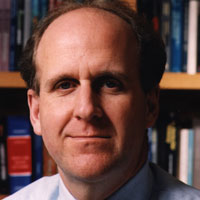
Daniel L. Schacter is the William R. Kenan, Jr. Professor in the Department of Psychology at Harvard University. Many of Schacter’s studies and ideas are summarized in his 1996 book, Searching for Memory, and his 2001 contribution, The Seven Sins of Memory.
Read More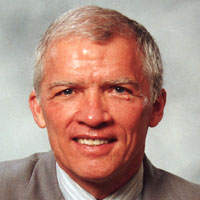
Renowned for his groundbreaking contributions to the study of genius, Dean Keith Simonton has provided his expertise to over 400 publications on the topic, including a dozen books entitled Genius, Creativity, and Leadership; Scientific Genius; Greatness; Genius and Creativity; Origins of Genius; and more.
Read More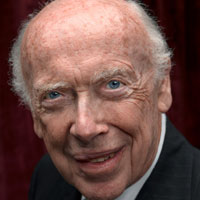
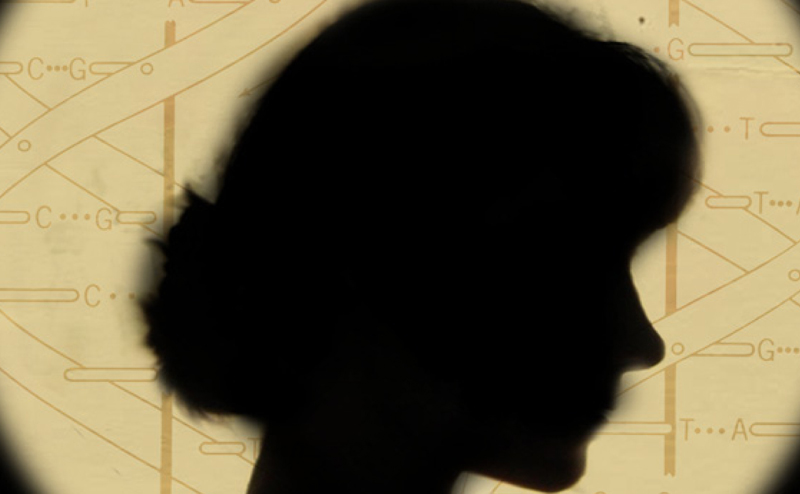
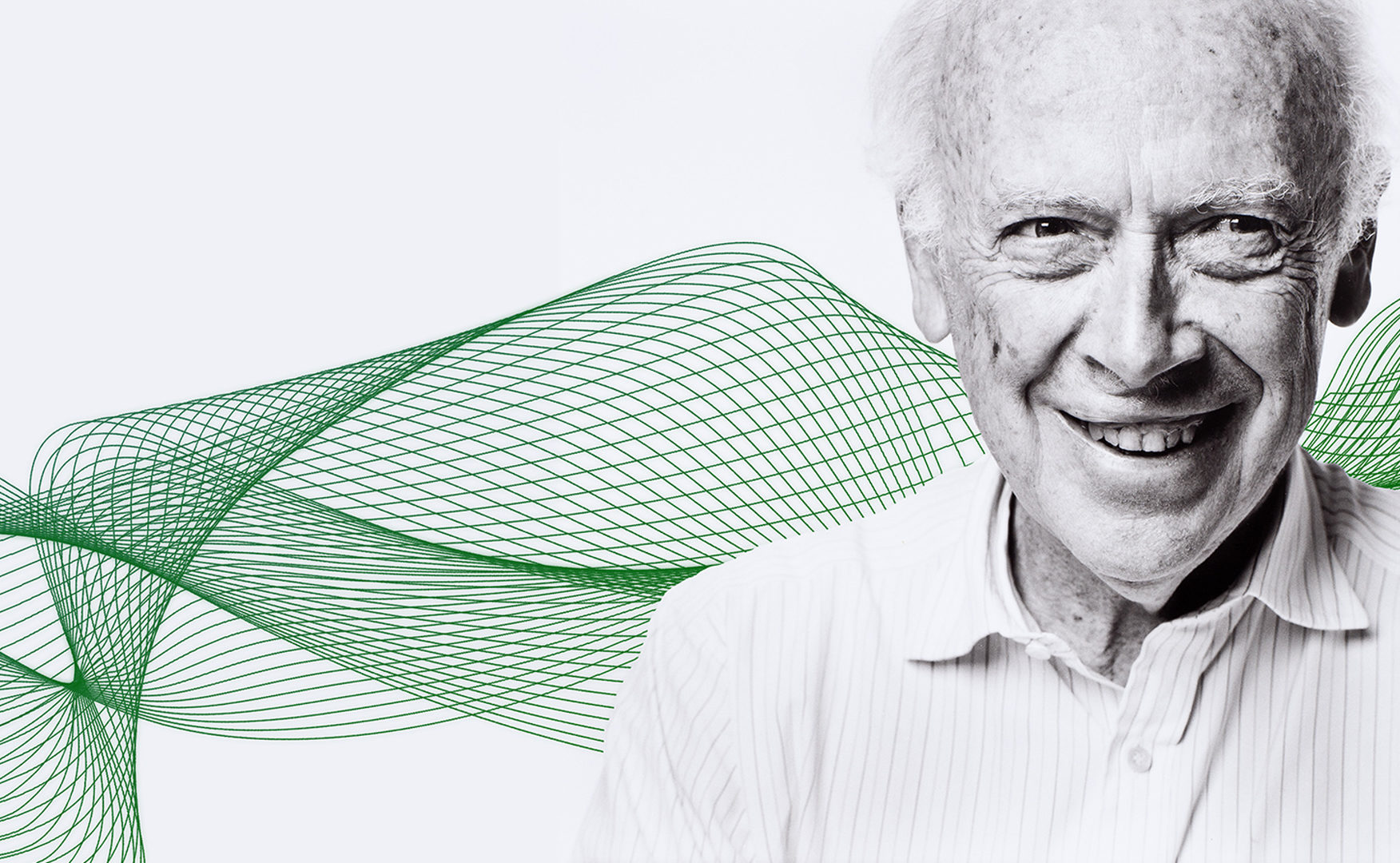
In 1953, while at Cambridge University, James D. Watson and Francis Crick successfully proposed the double helical structure for DNA.
Read More
Elizabeth A. Phelps is the director of the Phelps Lab at the New York University Center for Neuroeconomics. Her laboratory has earned widespread acclaim for its groundbreaking research on how the human brain processes emotion, particularly as it relates to learning, memory, and decision-making.
Read More
Saul Perlmutter is a professor in Berkeley’s Department of Physics and a senior scientist at the Lawrence Berkeley National Laboratory. He is the leader of the Supernova Cosmology Project, an international collaboration of research teams from seven countries measuring the expansion history of the universe.
Read More
Olufunmilayo Olopade is a Walter L. Palmer Distinguished Service Professor and Associate Dean for Global Health at The University of Chicago Medical Center. Olopade graduated with distinction from the University of Ibadan College of Medicine in Nigeria.
Read More
Mark Kurlansky is a former commercial fisherman and New York Times bestselling author of Cod: A Biography of the Fish That Changed the World, Salt: A World History, The Big Oyster: History on the Half Shell, and 16 other books.
Read More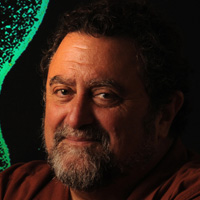
Internationally renowned neurobiologist James Fallon has made major scientific breakthroughs in the basic and clinical brain sciences. He was the first to describe a characterized growth factor in the central nervous system and the first to show how to stimulate the mass production and mobilization of adult stem cells in the adult brain.
Read More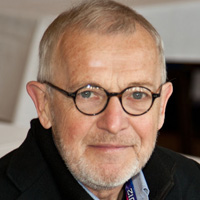
Francis Halzen has spent over 20 years working on telescopes that detect not light, but neutrinos—tiny, high-energy particles released by violent astronomical events like exploding stars, gamma-ray bursts and crashing black holes.
Read More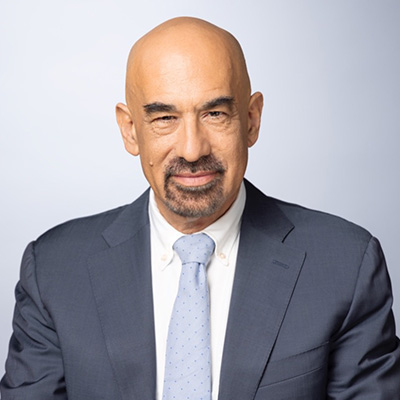
David Spergel studies the big questions in cosmology and astrophysics: How large is the universe, and what is its shape? Is it finite? What are the dark matter and dark …
Read More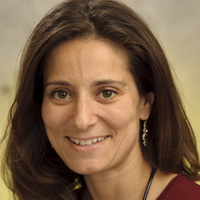
Natalie Batalha is a UC Presidential Chair, Professor of Astronomy and Astrophysics, and Director of Astrobiology at the University of California, Santa Cruz. She will lead the Early Release Science program for transiting exoplanets — a scientific community effort to acquire some of the first observations of exoplanets with the James Webb Space Telescope.
Read More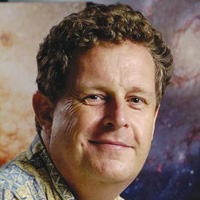
Matt Mountain has been the Director of the Space Telescope Science Institute since September 1, 2005. He leads the 400-person organization responsible for the science operations and education and public outreach of the Hubble Space Telescope and of its planned successor, the James Webb Space Telescope.
Read More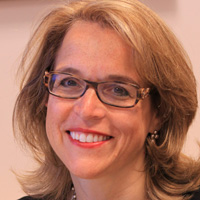
Rachel Yehuda, professor of psychiatry and neuroscience, is the Director of the Traumatic Stress Studies Division at Mount Sinai School of Medicine and the Mental Health Patient Care Center Director at the James J. Peters Veterans Affairs Medical Center.
Read More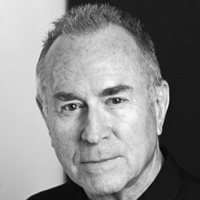
Richard Rhodes is the author or editor of twenty-four books including The Making of the Atomic Bomb, which won a Pulitzer Prize in Nonfiction, a National Book Award and a National Book Critics Circle Award; Dark Sun: The Making of the Hydrogen Bomb, which was shortlisted for a Pulitzer Prize in History; Why They Kill; a personal memoir, A Hole in the World; a biography, John James Audubon; and four novels.
Read More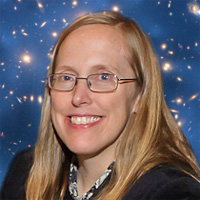
Suzanne Staggs is an experimental physicist who uses cutting-edge detectors and optical technology to measure the cosmic microwave background, the low-level radiation left over from the very first moments of the universe. A physics professor at Princeton University, Staggs is now in charge of the detectors for the Atacama Cosmology Telescope project.
Read More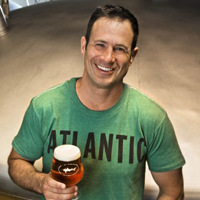
When Sam Calagione opened Dogfish Head in 1995, it was the smallest commercial brewery in America. Today Dogfish is among the country’s fastest-growing breweries. He is the author of Brewing Up a Business and Extreme Brewing, and co-authored He Said Beer, She Said Wine.
Read More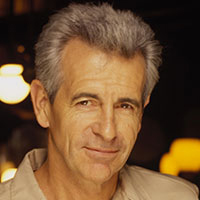
From Broadway and regional theatre to television and films, James Naughton has won critical acclaim in dramas, comedies, and musicals. Naughton has appeared on-screen in The Devil Wears Prada, Childless, Factory Girl, and Suburban Girl.
Read More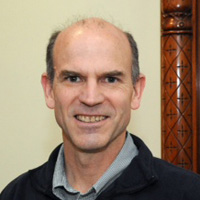
John Carlstrom studies the origin and evolution of the universe from the very bottom of the Earth. Carlstrom is the Subramanyan Chandrasekhar Professor of Astronomy, Astrophysics, and Physics at the University of Chicago, and deputy director of the Kavli Institute for Cosmological Physics.
Read More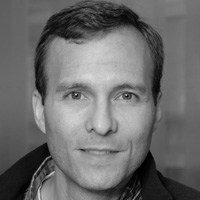
John Kovac is an associate professor in the Astronomy and Physics Departments at Harvard University. His cosmology research focuses on observations of the cosmic microwave background to reveal signatures of the physics that drove the birth of the universe.
Read More
James Casey is a Brooklyn-based conservation biologist. Currently, Casey is an Adjunct Laboratory Instructor in the Department of Biology at Barnard College of Columbia University and the Screenings Director for Wicked Delicate Films LLC—a documentary film and advocacy company.
Read More
Peter Staley has been a long-term AIDS and gay rights activist, first as a member of ACT UP New York, then as the founding director of TAG, the Treatment Action Group. He served on the board of the American Foundation for AIDS Research (amfAR) for 13 years.
Read More
Maia Guest trained at the Central School of Speech and Drama, London, and has worked in theater, television and film in London, New York, Los Angeles, and throughout the United States. She can be currently seen playing a scientist in BYUtv’s new period scripted drama, Granite Flats, and has appeared on shows on PBS, VH1, BBC, MTV.
Read More
Beth Simone Noveck served in the White House as the first United States deputy chief technology officer and founder and director of the White House Open Government Initiative.
Read More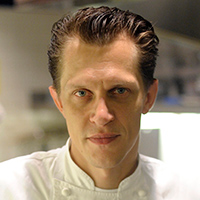
Michael Laiskonis was named creative director of New York City’s Institute of Culinary Education in 2012. Previously executive pastry chef at Le Bernardin for eight years, his pastry philosophy manifested itself in a style of desserts that balanced art and science, and contemporary ideas with classic.
Read More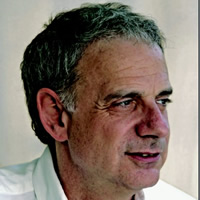
James Gleick is the author of several bestselling books about science and technology and their cultural implications. His first, Chaos: Making a New Science, made the Butterfly Effect a household word; his latest The Information, won awards for both science writing and history.
Read More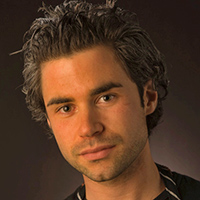
Maxime Bilet is the co-author of Modernist Cuisine: The Art and Science of Cooking, which received the 2012 Book of the Year Award from the James Beard Foundation and the International Association of Culinary Professionals’ Visionary Achievement, among many other awards. He is also the co-author and of Modernist Cuisine at Home.
Read More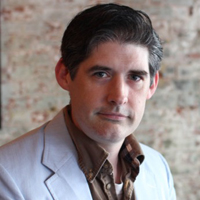
In 2004, Dave Arnold founded the Museum of Food and Drink in New York to promote learning about the history and culture of food. In 2005, The International Culinary Center, home of The French Culinary Institute, tapped him to head its new culinary technology department until 2013.
Read More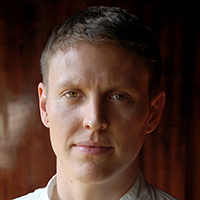
Owen Clark is the executive chef at Gwynnett St., where he started as sous chef on the opening team. Clark has cooked in New York City for seven years. Starting his culinary career in a family style Italian restaurant, he decided to enter a culinary program in Boulder at the Culinary School of the Rockies.
Read More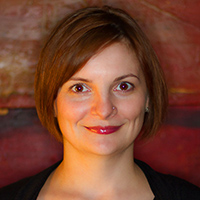
Anne E. McBride is the culinary program and editorial director for strategic initiatives at The Culinary Institute of America, where her responsibilities include leading the programming for the Worlds of Flavor® International Conference & Festival.
Read More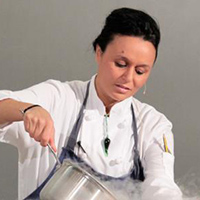
After rapidly rising through the ranks of some of the world’s finest restaurants, Najat Kaanache “The Pilgrim Chef” continues to demonstrate her culinary skills not only with her creative restaurant concept but also with her tireless passion for culinary innovation, education, and clean food advocacy.
Read More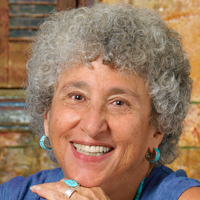
Marion Nestle is the Paulette Goddard Professor of Nutrition, Food Studies, and Public Health at NYU. She holds a doctorate in molecular biology. Her books, Food Politics and What to Eat won James Beard Awards; Why Calories Count won the 2013 IACP food matters book award.
Read More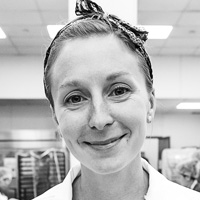
Christina Tosi is the chef, owner and founder of Momofuku Milk Bar and the 2012 recipient of the James Beard Rising Star Chef Award.
Read More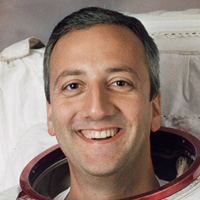
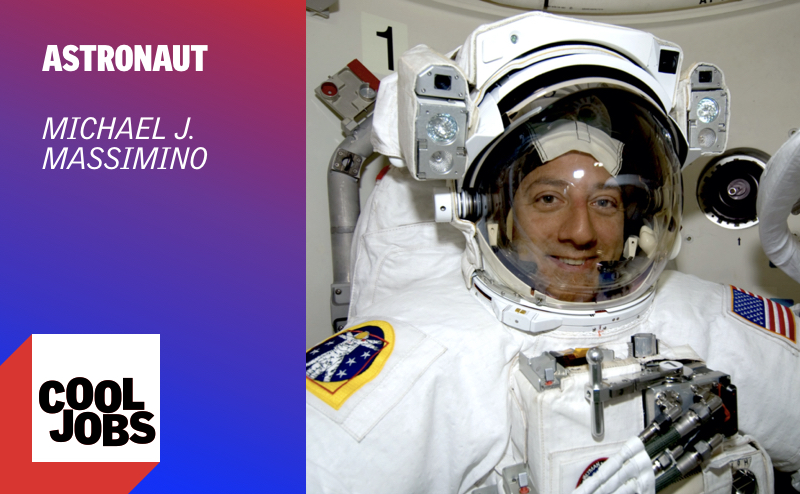
Mike Massimino is an engineer, NASA astronaut, and veteran of two spaceflights. He logged more than 571 hours in space, where he conducted four spacewalks and serviced the Hubble Space Telescope.
Read More
James Fowler is a social scientist studying networks, behavior, evolution, and genetics. He is a professor of political science and medical genetics at the University of California, San Diego, and a 2010 Fellow of the John Simon Guggenheim Foundation.
Read More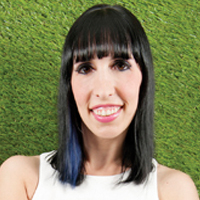
Amanda Gefter is a physics and cosmology writer and a consultant for New Scientist magazine, where she formerly served as books and arts editor and founded CultureLab.
Read More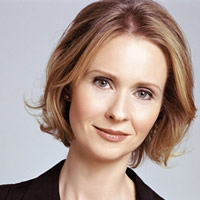
Cynthia Nixon made her film debut in Little Darlings at 12 years old and her Broadway debut at 14 in The Philadelphia Story. Since then she’s appeared in over 40 plays, countless films and television shows, and received Emmy, Grammy, and Tony Awards.
Read More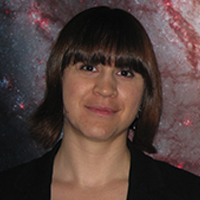
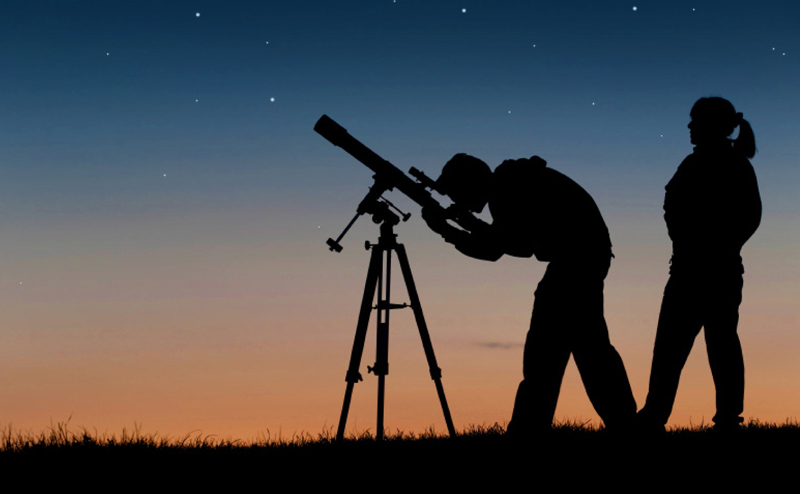
Irene Pease has a bachelor’s degree in physics from the University of Arizona, in Tucson, AZ, where she briefly studied accretion discs around binary pulsars. As Brooklyn’s Friendly Neighborhood Astronomer, she leads astronomy classes indoors and also under the night skies at local parks.
Read More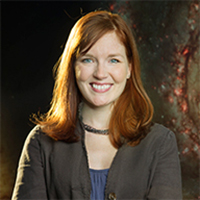
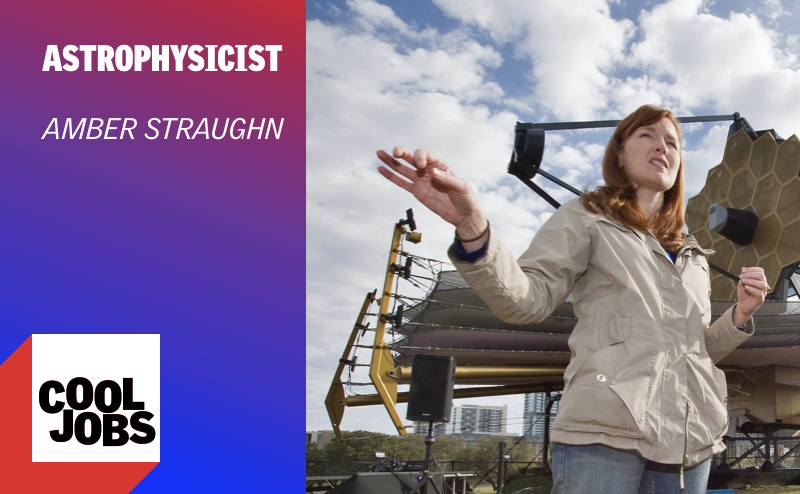
Amber Straughn is an astrophysicist at NASA and a member of the James Webb Space Telescope Project Science Team. Straughn grew up in the small farming town of Bee Branch, Arkansas where her fascination with astronomy began under beautifully dark, rural skies.
Read More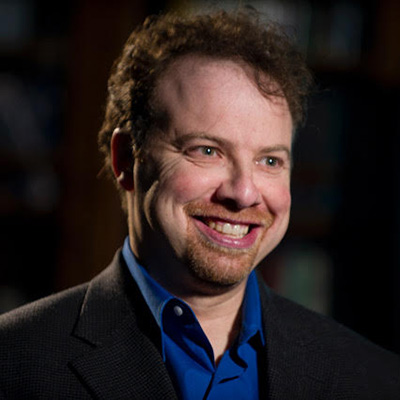
Nobel Laureate
Adam Riess is the Thomas J. Barber Professor in Space Studies at the Johns Hopkins University Krieger School of Arts and Sciences, a distinguished astronomer at the Space Telescope Science …
Read More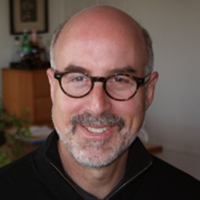
Josh Frieman is a senior staff scientist at the Fermi National Accelerator Laboratory and Professor of Astronomy & Astrophysics. He’s also a member of the Kavli Institute for Cosmological Physics at the University of Chicago.
Read More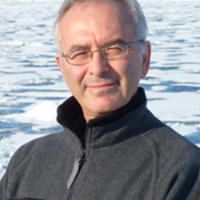
Bob Reiss is a best-selling author of 20 books, as well as a journalist, a former Chicago Tribune reporter, and former correspondent for Outside Magazine. His work has been published in The Washington Post, Smithsonian, Parade, Rolling Stone, and other national publications.
Read More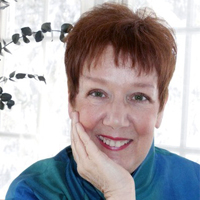
Marcia Bartusiak is an author, journalist, and Professor of the Practice of the Graduate Program in Science Writing at MIT. She writes about the fields of astronomy and physics. Bartusiak has been published in National Geographic, Discover, Astronomy, Sky & Telescope, Science, Popular Science, and more.
Read More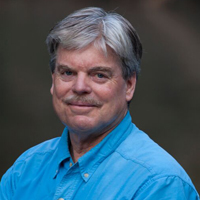
James B. McClintock is the Endowed University Professor of Polar and Marine Biology at the University of Alabama at Birmingham. He is an expert on invertebrate nutrition, reproduction, and primarily, Antarctic marine chemical ecology, climate change, and ocean acidification.
Read More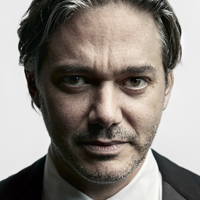
Matt Brown is the writer & director of The Man Who Knew Infinity starring Dev Patel, Jeremy Irons, Devika Bhise, Stephen Fry, and Toby Jones. The film was released domestically by IFC, and was produced by Edward R. Pressman of Pressman Film. It is the true story of a friendship that forever changed mathematics.
Read More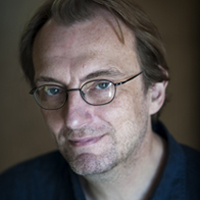
A Guggenheim Fellow in Science Writing, Richard Panek received the American Institute of Physics Science Communication Award in 2012. He teaches in the Writing Seminars at Johns Hopkins University and in the MFA Writing program at Goddard College.
Read More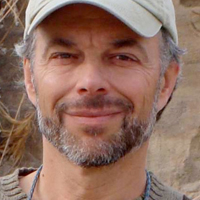
Carl Safina’s work has been recognized with MacArthur, Pew, and Guggenheim Fellowships, and his writing has won Orion, Lannan, and National Academies literary awards and the John Burroughs, James Beard, and George Rabb medals.
Read More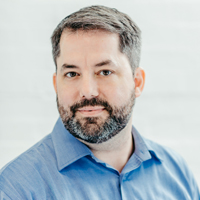
Benjamin Pearcy joined 59 Productions in 2011 with the Broadway production of War Horse and works from 59’s New York studio. Also a projections designer, Pearcy has lit or designed projections for theater, opera, and architectural projects around the world.
Read More
Pilobolus has created and toured over 120 pieces of repertory to more than 65 countries and currently performs its work each year for over 300,000 people across the U.S. and around the world. In 2015, Pilobolus was named one of the Dance Heritage Coalition’s “Irreplaceable Dance Treasures.”
Read More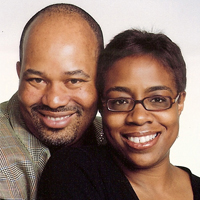
James Ransome and Lesa Cline-Ransome collaborated on their first book together with a biography of Satchel Paige, an ALA Notable Book and a Bank Street College “Best Children’s Book of the Year.”
Read More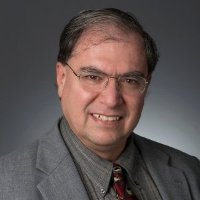
Dr. Kirk Borne is the Principal Data Scientist in the Strategic Innovation Group at Booz-Allen Hamilton since 2015. He was Professor of Astrophysics and Computational Science in the George Mason University (GMU) School of Physics, Astronomy, and Computational Sciences during 2003-2015
Read More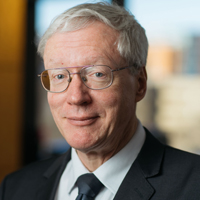
James L. Kirkland, M.D., Ph.D. is the Director of the Robert and Arlene Kogod Center on Aging at Mayo Clinic and Noaber Foundation Professor of Aging Research. He is a Board-certified specialist in internal medicine, geriatrics, and endocrinology and metabolism.
Read More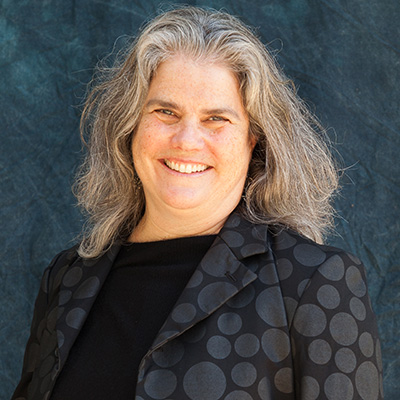
Nobel Laureate
Andrea M. Ghez, professor of Physics and Astronomy and Lauren B. Leichtman & Arthur E. Levine chair in Astrophysics, is one of the world’s leading experts in observational astrophysics and …
Read More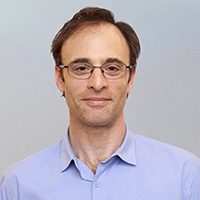
Breakthrough Prize
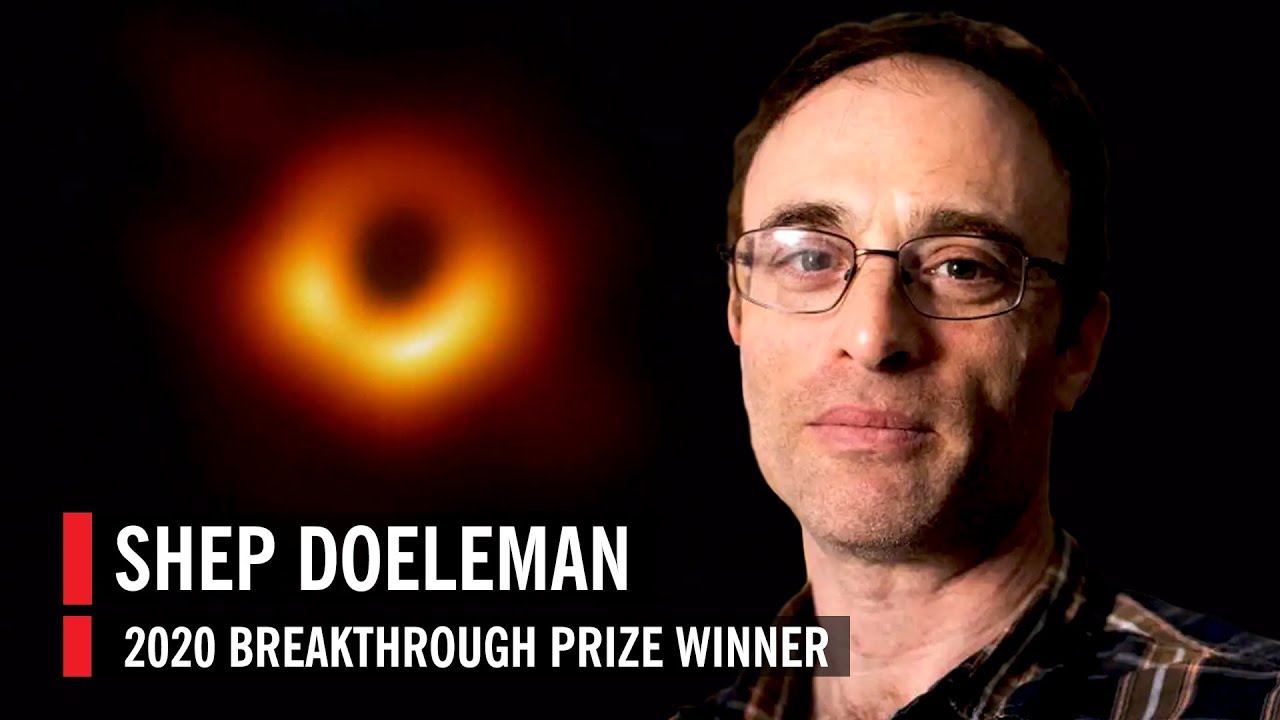
Shep Doeleman is an astrophysicist at the Harvard-Smithsonian Center for Astrophysics, and the Founding Director of the Event Horizon Telescope Collaboration. He led the international team that three years ago …
Read More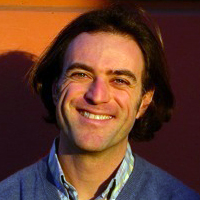
Andrea Pocar joined the physics faculty at UMass-Amherst in 2009, where his research in experimental nuclear/particle physics includes searches for neutrino-less double beta decay, for weakly-interacting dark matter particles, and solar neutrinos.
Read More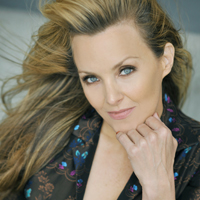
Tony Award winner, Alice Ripley is an actor, singer, songwriter, and mixed media artist. She is best known for her roles on Broadway musicals, including the Pulitzer Prize-winning Next to …
Read More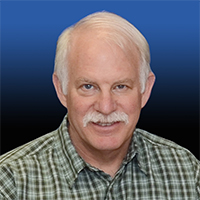
James R. Irons is director of the Earth Sciences Division at NASA Goddard Space Flight Center (GSFC). He leads over 1400 scientists and support staff, all dedicated to studying the Earth as an integrated system that includes the atmosphere, oceans, biosphere, cryosphere, and geosphere.
Read More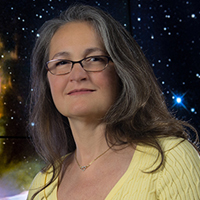
Padi Boyd is the project scientist for the Transiting Exoplanet Survey Satellite (TESS) Mission (a NASA Explorer Mission launched in 2018), and chief of the Exoplanets and Stellar Astrophysics Laboratory in the Astrophysics Science Division, at NASA’s Goddard Space Flight Center.
Read More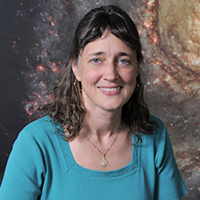
Dr. Jennifer Wiseman is a senior astrophysicist at NASA’s Goddard Space Flight Center in Greenbelt, Maryland, where she serves as the senior project scientist for the Hubble Space Telescope.
Read More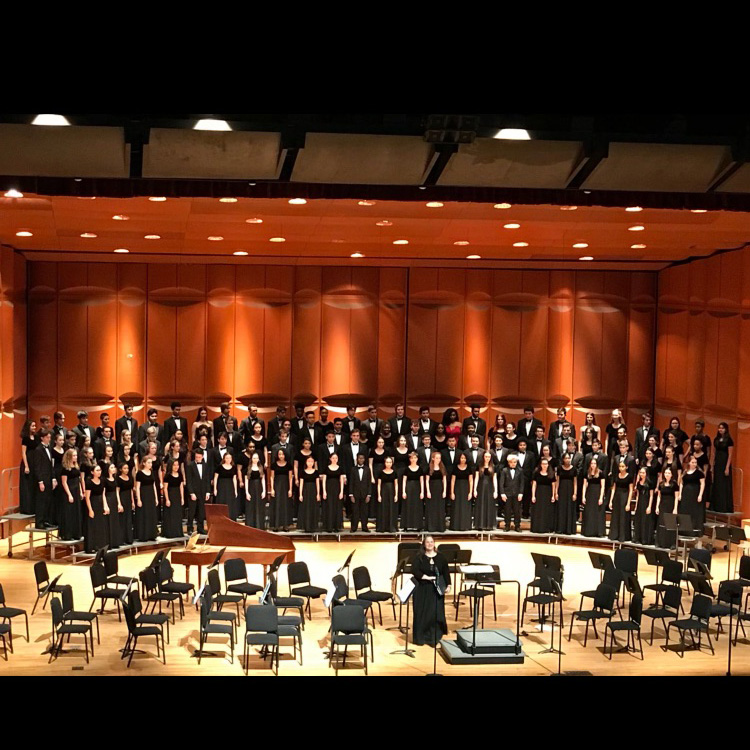
LaGuardia High School Senior Chorus is an advanced level mixed choir for junior and senior music majors at LaGuardia High School of Music & Art and Performing Arts, a public specialized school in New York City.
Read More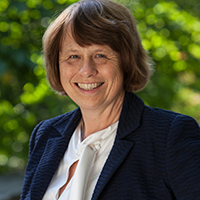
Ewine van Dishoeck is Professor of molecular astrophysics at the Leiden Observatory in the Netherlands. She is co-editor of the Annual Review of Astronomy and Astrophysics, and was president of the International Astronomical Union between 2018 and 2021.
Read More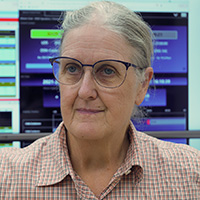
Marcia J. Rieke is a Professor of Astronomy at the University of Arizona, and is the principal investigator for the near-infrared camera (NIRCam) on the James Webb Space Telescope. Rieke …
Read More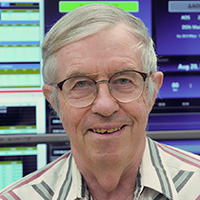
George Rieke is Regents Professor of Astronomy and Planetary Sciences at the University of Arizona, Tucson, and serves as the science team lead for the James Webb Space Telescope’s Mid-Infrared …
Read More
Rene Doyon is the Principal Investigator of NIRISS, Canada’s contribution to James Webb Space Telescope’s instrumentation. He is Director of the Institute for Research on Exoplanets in Canada, and is …
Read More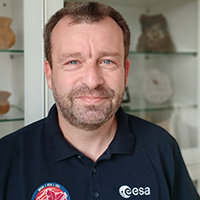
Pierre Ferruit is the European Space Agency’s project scientist for the James Webb Space Telescope, where he has been overseeing the development and implementation of NIRSpec, one of four scientific …
Read More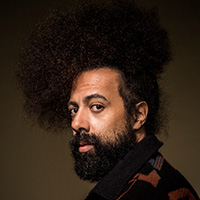
Reggie Watts is an internationally renowned vocal artist, beatboxer, musician, and comedian. He blurs the lines between music and comedy in his live performances, which are 100% improvised. On screen, …
Read More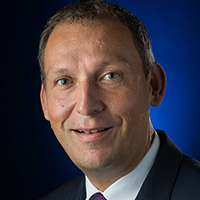
From October 2016 until the end of 2022, Thomas Zurbuchen was the Associate Administrator for the Science Mission Directorate at NASA. The directorate’s stated mission is to find answers to …
Read More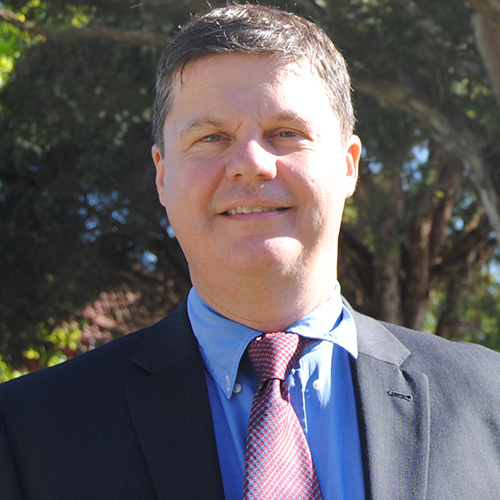
Karl Glazebrook is a Distinguished Professor of Astronomy at the Centre for Astrophysics and Supercomputing at Swinburne University of Technology in Melbourne. Karl is an observational astronomer whose research interests …
Read More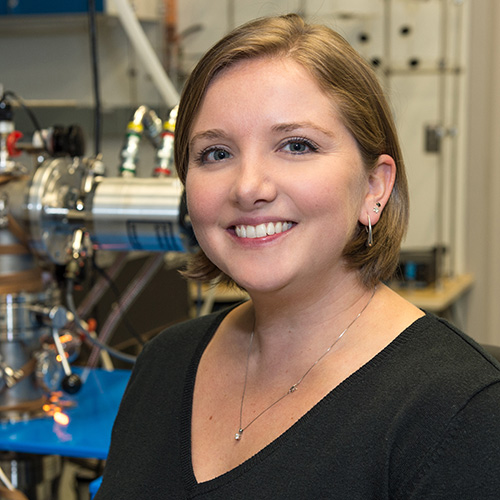
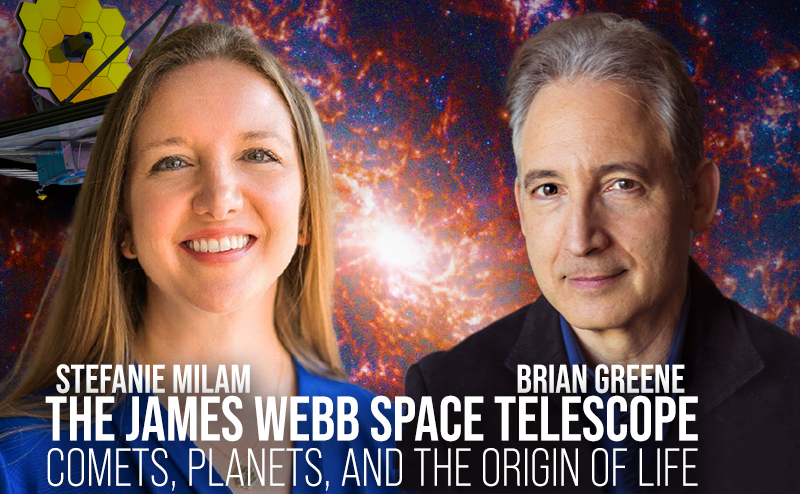
Stefanie Milam is Deputy Project Scientist for the James Webb Space Telescope at NASA. Her observational focus is on the composition of primitive bodies, such as comets and asteroids, and …
Read More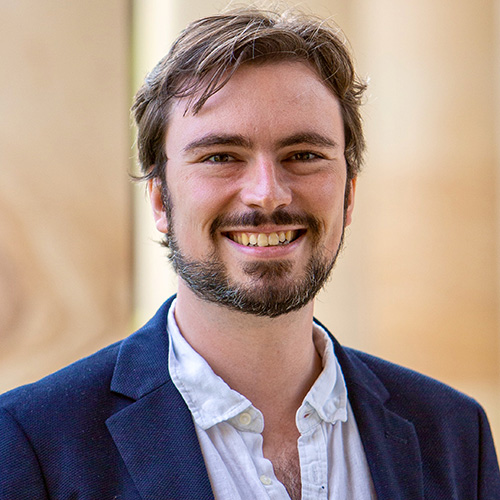
Benjamin Pope is a Lecturer in Astrophysics & ARC DECRA Fellow at the University of Queensland. He is interested in the direct imaging of exoplanets and is co-investigator on three …
Read More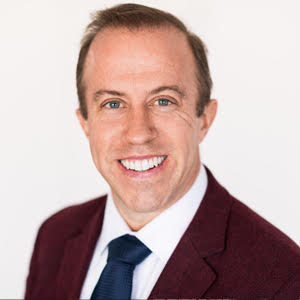
Jason Rhodes is NASA’s Science Lead on the EUCLID project. EUCLID is a European Space Agency project with which NASA collaborates, and its mission is to study the nature of …
Read More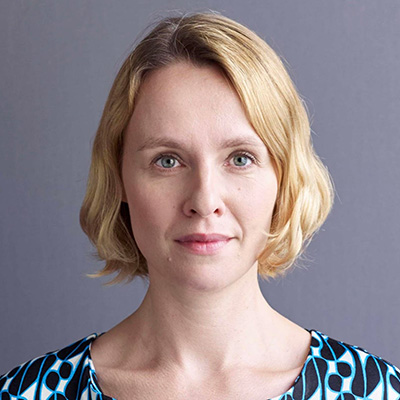
Breakthrough Prize
Jo Dunkley is a professor of Physics and Astrophysical Sciences at Princeton University. Her research is in cosmology, studying the origins and evolution of the Universe. Her major projects are …
Read More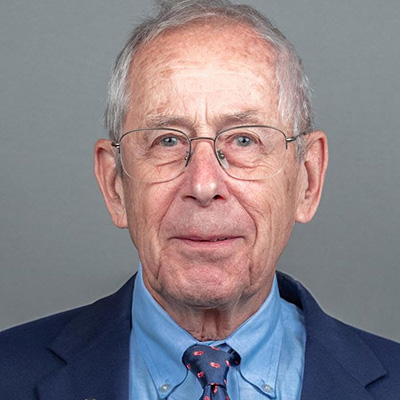
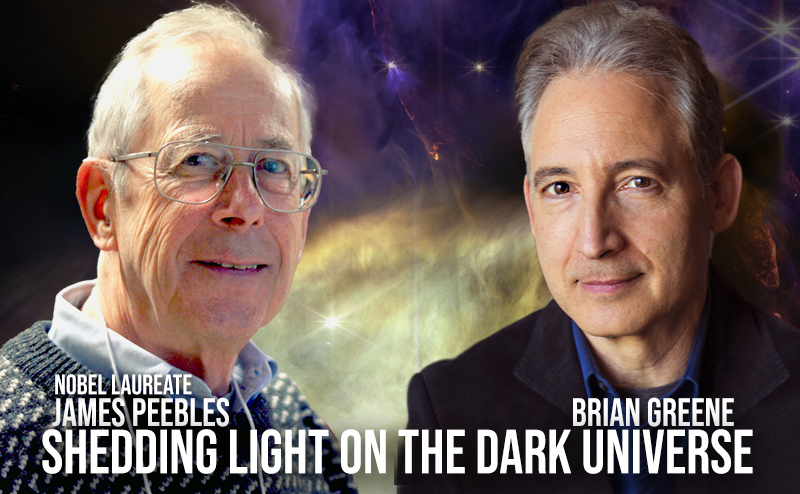
James Peebles is the Albert Einstein Professor of Science (Emeritus) at Princeton University and is regarded as one of the greatest theoretical cosmologists of the last 50 years. His work …
Read More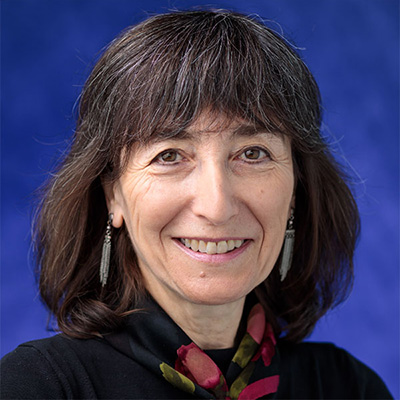
Wendy Freedman is the John and Marion Sullivan University Professor in Astronomy and Astrophysics at the University of Chicago. Her research is in observational cosmology (measures of the expansion rate …
Read More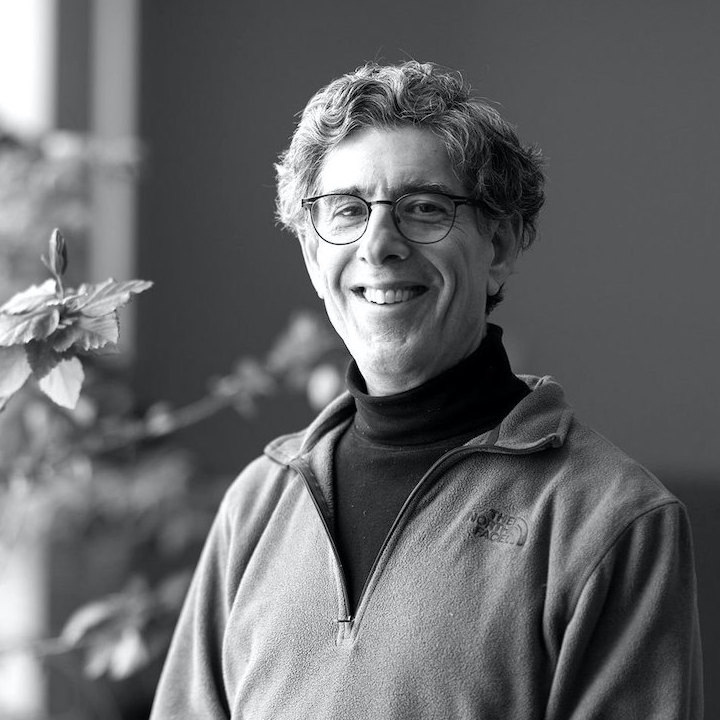
Dr. Richard J. Davidson is the William James and Vilas Professor of Psychology and Psychiatry and Founder and Director of the Center for Healthy Minds at the University of Wisconsin–Madison, …
Read More