











Participants
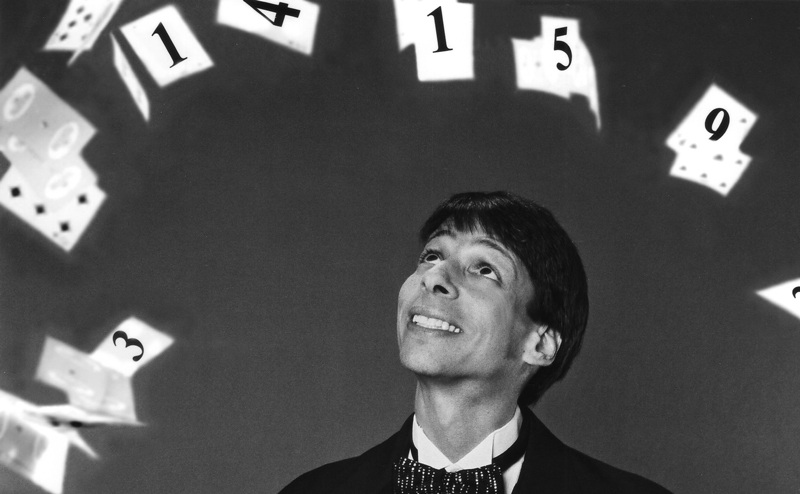
A professional magician, Arthur Benjamin can multiply large numbers faster than a calculator, figure out the weekday of any date in history, and has memorized the decimal numbers of Pi out to 100 digits.
Read More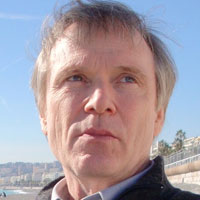
Patrick Cavanagh helped change vision research by creating the Vision Sciences Lab at Harvard and the Centre of Attention & Vision in Paris. He is currently researching the problems of attention as a frequent component of mental illnesses, learning difficulties at school, and workplace accidents.
Read More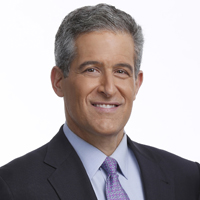
Richard Besser is ABC News’ chief health and medical editor. In this role, he provides medical analysis and commentary for all ABC News broadcasts and platforms, including World News with David Muir, Good Morning America, and Nightline.
Read More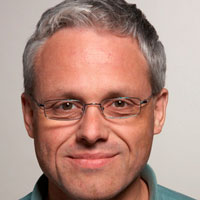
Patrick R. Hof is an expert in the pathology of neuropsychiatric disorders whose laboratory is internationally known for its quantitative approaches to neuroanatomy and studies of brain evolution. Among his major contributions, Dr. Hof demonstrated that specific neurons are selectively vulnerable in dementing disorders such as Alzheimer’s disease.
Read More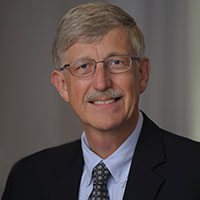
Francis Collins is known for his landmark discoveries of disease genes and leadership of the Human Genome Project, an international project that culminated in 2003 with the completion of a finished sequence of the human DNA instruction book.
Read More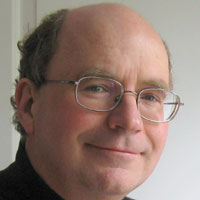
Christopher Shera has done extensive research in solving fundamental problems in the mechanics and physiology of the peripheral auditory system. His work focuses on how the ear amplifies, analyzes, and emits sound.
Read More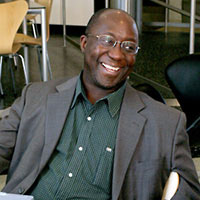
Winston “Wole” Soboyejo’s research focuses on experimental studies of biomaterials, the mechanical behavior of materials and the development of alternative science and technology-driven methods for addressing global development needs in the areas of health, energy and water purification.
Read More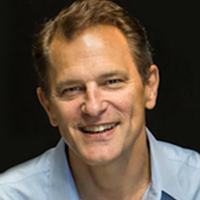
Robert C. Green is a medical geneticist who directs the G2P Research Program (genomes2people.org) in translational genomics and health outcomes at Brigham and Women’s Hospital and Harvard Medical School. He has been continuously funded by NIH for over 26 years and has published over 300 scientific articles.
Read More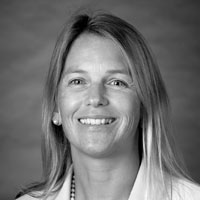
Dava Newman specializes in investigating human performance across the spectrum of gravity. She is an expert in the areas of extravehicular activity, human movement, physics-based modeling, biomechanics, energetics and human-robotic cooperation.
Read More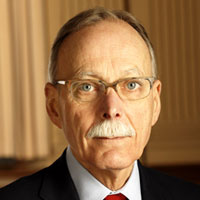
Stephen Morse is a renowned expert in criminal and mental health law, whose work emphasizes individual responsibility in criminal and civil law.
Read More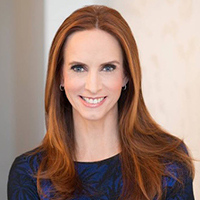
Faith Salie is a three-time Emmy-winning contributor to CBS Sunday Morning and a regular on NPR’s Wait Wait…Don’t Tell Me! She’s hosted five seasons of PBS’s Science Goes to the Movies and is a storyteller for The Moth. She hosts the new podcast “One Plus One,” from Wondery.
Read More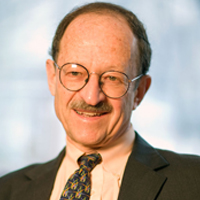
Harold Varmus, M.D., co-recipient of the Nobel Prize for studies of the genetic basis of cancer, joined the Meyer Cancer Center of Weill Cornell Medicine as the Lewis Thomas University Professor of Medicine on April 1, 2015.
Read More
Rosalind W. Picard is an international leader in envisioning and inventing innovative technology. Her award-winning book Affective Computing was instrumental in starting the new field by that name.
Read More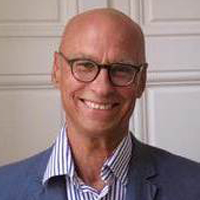
Lawrence Parsons is a Professor of Cognitive Neuroscience at the University of Sheffield in the United Kingdom. His early research on action, spatial reasoning and object recognition was followed by his current work in reasoning, language, emotion and the improvisation of music and dancing.
Read More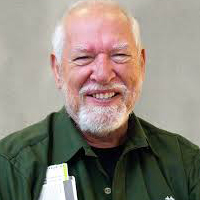
Dickson Despommier is a trailblazer, devising solutions to problems in agriculture and public health that likely will be magnified by climate change. A microbiologist, he is a Professor of Public Health at Columbia University’s Mailman School, where he developed the idea of growing food in urban farm skyscrapers.
Read More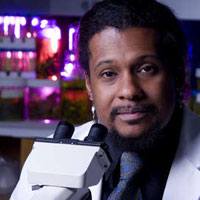
Tyrone Hayes is Professor of Integrative Biology at the University of California at Berkeley. He transformed his childhood love of tadpoles, frogs and toads into a serious study of the connections between pesticides, amphibians, and the impact of molecular changes on the public health environment.
Read More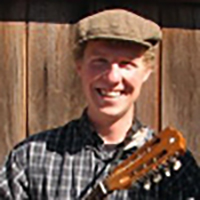
A YouTube sensation with his video hit, “A Biologist’s Mother’s Day Song,” Adam Cole is a soon-to-be-unemployed college student born and raised in Oregon. He has studied everything from snake pheromones to intertidal biomechanics to genes involved with adenocarcinomas.
Read More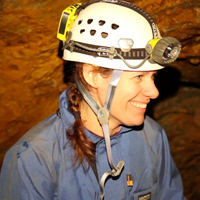
Hazel A. Barton has explored caves on five continents, studying microorganisms to research cures for antibiotic-resistant diseases. She coordinates an active undergraduate research laboratory, including a National Institutes of Health funded study examining microbial responses to starvation and a National Science Foundation funded project examining the energetic interactions of bacteria in cave environments.
Read More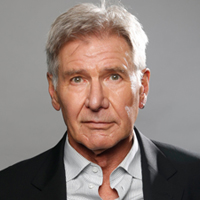
Over the course of his career, Harrison Ford has become one of the most popularly acclaimed actors of our time. His body of work includes 41 feature films, eleven of which have exceeded $100 million each at the box office.
Read More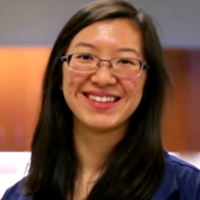
Diana Cheung is a senior in the Gateway to Medicine/Biochemistry Major at Brooklyn Technical High School. She is currently conducting research on novel treatments for pancreatic cancer at SUNY Downstate under the guidance of Dr. Josef Michl, and is also interested in immunology, health policy, and medical ethics.
Read More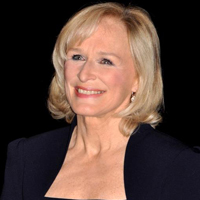
Emmy, Golden Globe and Tony Award-winning actress Glenn Close is best known for her riveting performances of complex women. The star of Damages for FX, Close’s portrayal of the high-stakes litigator Patty Hewes won her both an Emmy Award as “Best Actress in a Drama Series” and a Golden Globe for “Best Actress in a TV Drama.”
Read More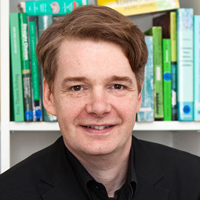
John-Dylan Haynes is a leading expert investigating neural correlates of consciousness and volitional processing, and has developed groundbreaking methods for decoding or “reading out” a person’s mental states from their brain activity.
Read More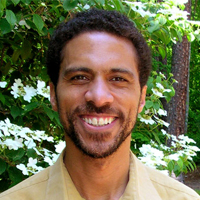
At Duke University, neurobiologist Erich Jarvis leads a team that studies the abilities of songbirds, parrots and hummingbirds to learn new sounds and pass along a vocal repertoire in to the next generation.
Read More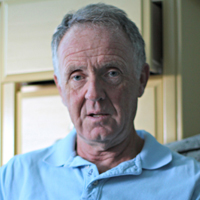
Colin McGinn is a professor and Cooper Fellow at University of Miami. In 2006, he joined the UM philosophy department, having taught previously at University of London, University of Oxford, and Rutgers University.
Read More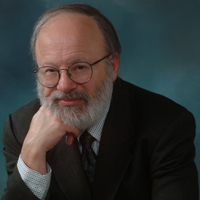
George Annas is the author or editor of seventeen books on health law and bioethics and is cofounder of Global Lawyers and Physicians, an organization that promotes human rights and health. He is the Edward R. Utley Professor and Chair of the Department of Health Law, Bioethics & Human Rights of Boston University School of Public Health.
Read More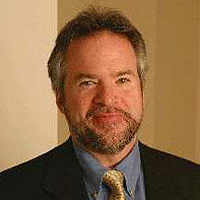
Tom Crawford has been helping athletes, executives and teams across the U.S. perform at their highest levels for over 20 years — from youth programs to Major League Baseball, the National Football League and the National Basketball association.
Read More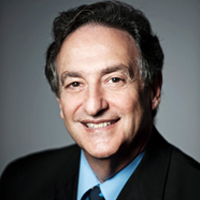
Ira Flatow is the host of Science Friday on PRI, Public Radio International. He anchors the show each Friday, bringing radio and Internet listeners worldwide a lively, informative discussion on science, technology, health, space and the environment. Flatow is president of ScienceFriday, Inc. and founder and president of Science Friday Initiative.
Read More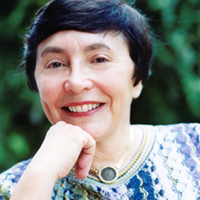
Neuroscientist Nancy C. Andreasen is well known for her pioneering work using MRI imaging to explore mental illness and the neural bases for artistic creativity and innovation. She is the author of several books including The Creating Brain: The Neuroscience of Genius.
Read More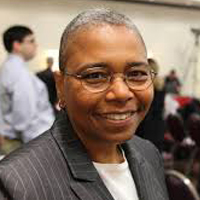
Computer scientist Latanya Sweeney is interested in the intersection between technology and policy. She has had a major impact on the health care industry and on the creation of systems and legislation that insure patients’ privacy rights.
Read More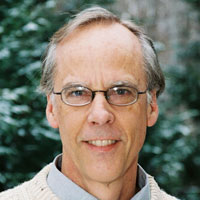
R. Douglas Fields is a developmental neurobiologist and author of The Other Brain, a popular book about the discovery of brain cells (called glia) that communicate without using electricity. He is an authority on neuron-glia interactions, brain development, and the cellular mechanisms of memory.
Read More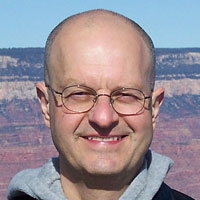
Committed to advancing discoveries in the science of aging and longevity, Leonard Guarente is recognized for his impactful contribution in identifying sirtuins, a group of related proteins that slow aging in model organisms and mitigate aging and diseases in mammals.
Read More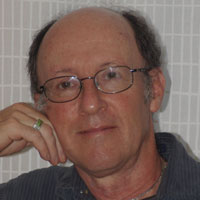
Focused on the functions of the hippocampus in memory and spatial cognition, Lynn Nadel’s work has led to significant contributions in the study of stress and memory, sleep and memory, memory reconsolidation, and mental retardation observed in Down syndrome.
Read More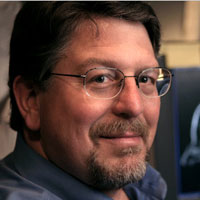
Rex Jung is a leading scientist in the emerging field of positive neuroscience, the study of what the brain does well. His groundbreaking research led to the first model describing a network of brain regions critically linked in the service of intellectual pursuits, known as the Parieto-Frontal Integration Theory (or “P-FIT”).
Read More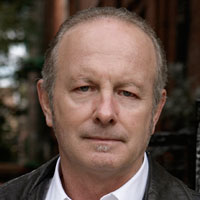
Joseph LeDoux is a professor of neural science at NYU and director of the Emotional Brain Institute involving NYU and the Nathan Kline Institute. LeDoux’s research is focused on the brain mechanisms of emotion and memory. He is the author of The Emotional Brain: The Mysterious Underpinnings of Emotional Life.
Read More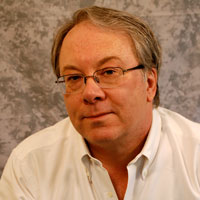
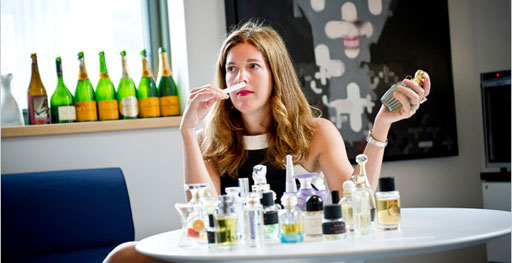
Smell scientist, entrepreneur, and author Avery N. Gilbert is a fragrance industry innovator and pioneer in the areas of olfactory mental imagery, multisensory correlates of odor perception, and the psychological factors that bias odor judgments.
Read More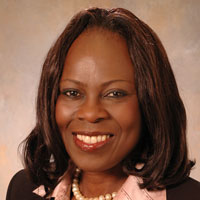
Olufunmilayo Olopade is a Walter L. Palmer Distinguished Service Professor and Associate Dean for Global Health at The University of Chicago Medical Center. Olopade graduated with distinction from the University of Ibadan College of Medicine in Nigeria.
Read More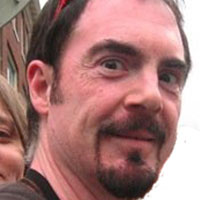
Jim Pfaus has sex on the brain. An internationally known expert in the neurobiology of sexual behavior, Pfaus has authored over 150 publications and chapters that examine how the brain’s neurochemical and neuroanatomical systems are organized for sexual arousal, desire, pleasure, and inhibition.
Read More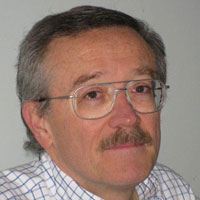
Marc Breedlove has written over 100 scientific articles investigating the role of hormones in shaping the developing and adult nervous system, publishing in journals including Science, Nature, and Nature Neuroscience, as well as two textbooks, Biological Psychology and Behavioral Endocrinology.
Read More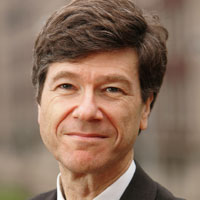
Jeffrey Sachs is the Quetelet Professor of Sustainable Development, a professor of Health Policy and Management, and director of the Earth Institute.
Read More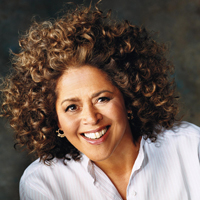
Anna Deavere Smith has been hailed by Newsweek as “the most exciting individual in American theater.” She began interviewing people across the country 20 years ago. Without props, sets, or costumes, she translates those encounters into profound performances, each drawing verbatim from the original recorded interview.
Read More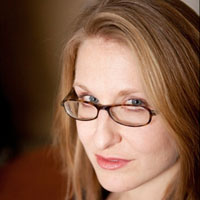
Meredith Chivers is an assistant professor and Director of the Sexuality & Gender Laboratory in the Psychology Department at Queen’s University in Ontario, Canada. She received her Ph.D. in clinical psychology from Northwestern University and completed post-doctoral research training at the University of Toronto’s Centre.
Read More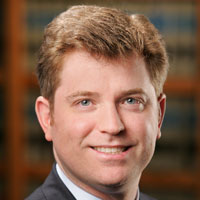
Adam Kolber is a professor at Brooklyn Law School where he writes and teaches in the areas of criminal law, health law, bioethics, and neuroethics. He created the Neuroethics & Law Blog in 2005 and taught the first law school course devoted to law and neuroscience in 2006.
Read More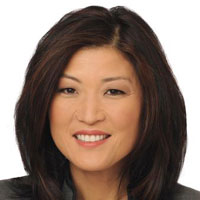
Emmy Award-winning Juju Chang is a co-anchor for ABC News. During her career at ABC News, she has been news anchor for Good Morning America, contributed to 20/20, reported for World News Tonight, and anchored the early morning newscasts of World News Now and World News This Morning.
Read More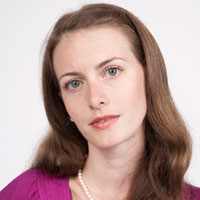
Katherine Harmon covers health, medicine, and life sciences for Scientific American’s website. She holds a master’s degree from the University of Missouri School of Journalism and a bachelor’s degree in English from Vassar College. Her award-winning work has appeared in magazines, newspapers, and journals.
Read More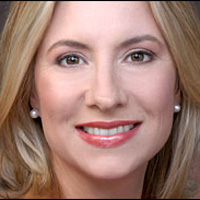
Emily Senay is a physician, medical and public health educator, broadcast journalist, and author. She is an assistant professor of Medicine in the Department of Preventive Medicine at the Icahn School of Medicine at Mount Sinai and a clinician in the World Trade Center Health Program in New York City.
Read More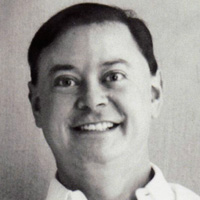
Andrew Solomon’s most recent book, The Noonday Demon: An Atlas of Depression, won the 2001 National Book Award, and was a finalist for the Pulitzer Prize; it has received 14 additional national awards and is published in 24 languages.
Read More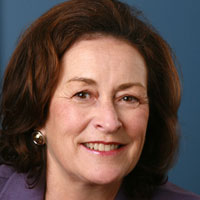
Cristine Russell is an award-winning journalist who has written about science, health, and the environment for more than three decades. She is a senior fellow in the Environment and Natural Resources Program at Harvard Kennedy School’s Belfer Center for Science and International Affairs.
Read More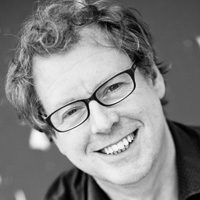
Peter Lovatt was a professional dancer who performed on the international circuit before switching gears and embarking on an academic career, earning degrees in psychology, computational neuroscience and cognitive psychology.
Read More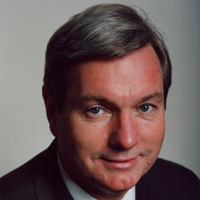
Michael Osterholm is one of the nation’s foremost experts in public health, infectious disease and biosecurity. He is the director of the Center for Infectious Disease Research and Policy at the University of Minnesota.
Read More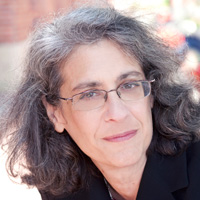
Elyn Saks’ work focuses on the legal and ethical issues surrounding mental illness—something she has decades of personal experience with. When Saks was diagnosed with schizophrenia more than thirty years ago, her doctors didn’t expect she would be able to live independently, let alone work.
Read More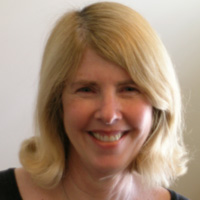
Kay Redfield Jamison has been called a “hero of medicine” for turning her own struggle with manic-depression into a lifelong career researching the illness and its treatment.
Read More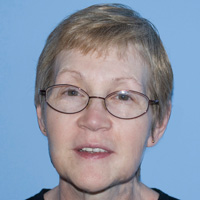
Fran Norris studies disaster and human resilience as a community-social psychologist and a research professor in Dartmouth Medical School’s Department of Psychiatry.
Read More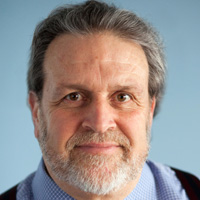
Dennis Charney is one of the world’s leading experts in the neurobiology and treatment of mood and anxiety disorders.
Read More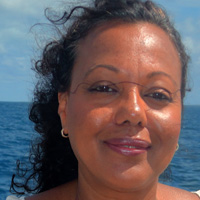
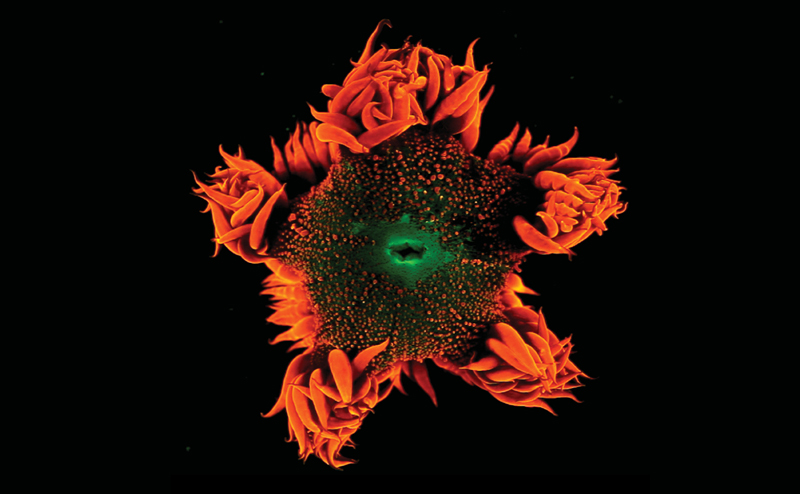
Anya Salih studies the glow-in-the-dark fluorescent proteins that light up coral reefs in a kaleidoscope of colors. She has investigated the diverse biological roles these proteins play, including regulating how much light the corals take in and helping them reduce the stresses associated with climate change, and her work has helped establish the science of fluorescent protein biology as a rapidly growing new discipline.
Read More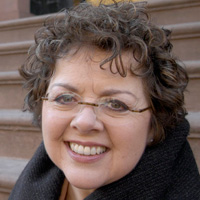
Laurie Garrett is currently the senior fellow for global health at the Council on Foreign Relations in New York. Garrett is the only writer ever to have been awarded all three of the Big “Ps” of journalism: The Peabody, The Polk and The Pulitzer.
Read More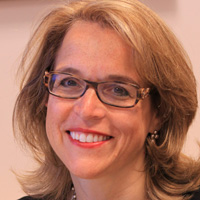
Rachel Yehuda, professor of psychiatry and neuroscience, is the Director of the Traumatic Stress Studies Division at Mount Sinai School of Medicine and the Mental Health Patient Care Center Director at the James J. Peters Veterans Affairs Medical Center.
Read More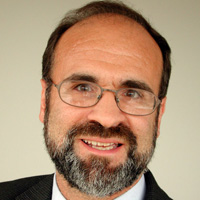
Michael B. First, M.D. is a professor of clinical psychiatry at Columbia University and a research psychiatrist at the Biometrics Department at the New York State Psychiatric Institute.
Read More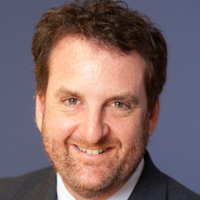
Glenn Saxe is the Arnold Simon Professor and Chair, Department of Child and Adolescent Psychiatry, and director of the NYU Child Study Center. Saxe is a physician scientist with a focus on the psychiatric consequences of traumatic events on children.
Read More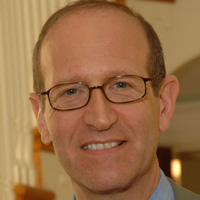
Gary Nabel is a nationally recognized expert at the forefront of virology, immunology, gene therapy and molecular biology. He is the director of the Vaccine Research Center at the National Institute of Allergy and InfectiousDiseases.
Read More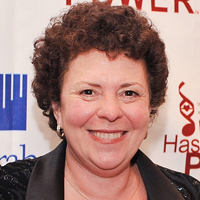
Concetta Tomaino is the executive director and co-founder of the Institute for Music and Neurologic Function. Dr. Tomaino is also the senior vice president for Music Therapy at CenterLight Health System where she has worked since 1980.
Read More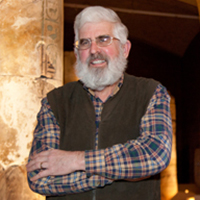
Patrick McGovern is the scientific director of the Biomolecular Archaeology Project for Cuisine, Fermented Beverages, and Health at the University of Pennsylvania Museum in Philadelphia, where he is also an adjunct professor of anthropology.
Read More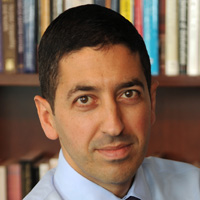
Sandro Galea is a physician and an epidemiologist. He is the Anna Cheskis Gelman and Murray Charles Gelman Professor and Chair of the Department of Epidemiology at the Columbia University Mailman School of Public Health.
Read More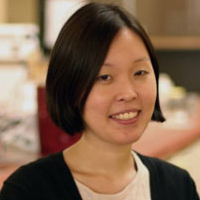
Jin Kim Montclare is an Associate Professor in the Department of Chemical and Biomolecular Engineering, who is performing groundbreaking research in engineering proteins to mimic nature and, in some cases, work better than nature.
Read More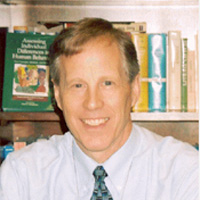
Bruce Cuthbert, Ph.D., was named director of the Division of Adult Translational Research and Treatment Development (DATR) at the National Institute of Mental Health (NIMH) in 2010. A major component of this position involves coordinating the new Research Domain Criteria project to develop neuroscience-based criteria for studying mental disorders.
Read More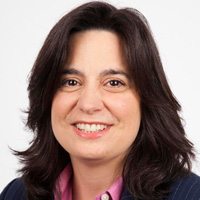
Mariette DiChristina is Director of Editorial & Publishing for Nature Research Magazines, overseeing the global editorial teams for Nature magazine, Partnership & Custom Media and Scientific American, for which she also serves as editor in chief.
Read More
Sebastien Gouin is intellectual property and venture capital technical manager at Vestergaard Frandsen, working out of headquarters in Lausanne, Switzerland, but spends much of his time traveling to evaluate new innovative technologies being fostered in labs, startups, and university incubators across the world.
Read More
Ethan Brown is a 12-year-old “Mathemagician.” After watching an online video of Arthur Benjamin’s performance at TED, Ethan was inspired to learn the art and science of performing Mental Mathematics on stage. He began with a 5th-grade talent show in May 2010 and only 1 month later joined Benjamin onstage at The World Science Festival in NYC.
Read More
C. David Allis received his Ph.D. from Indiana University and performed postdoctoral work with Martin Gorovsky at the University of Rochester. Allis held several academic positions, including ones at the Baylor College of Medicine and the University of Virginia Health System.
Read More
Nicholas Schiff studied history and philosophy of science at Stanford University before training as a physician at Cornell University Medical College. Following a detour into further training in applied mathematics, he completed a residency in neurology and post-doctoral training in quantitative systems neurophysiology.
Read More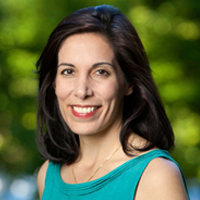
Nita A. Farahany is a Professor of Law & Philosophy at Duke University and the director of Duke Science & Society. In 2010, she was appointed by President Obama to the Presidential Commission for the Study of Bioethical Issues, and continues to serve as a member.
Read More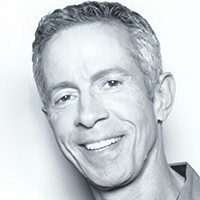
Peter Staley has been a long-term AIDS and gay rights activist, first as a member of ACT UP New York, then as the founding director of TAG, the Treatment Action Group. He served on the board of the American Foundation for AIDS Research (amfAR) for 13 years.
Read More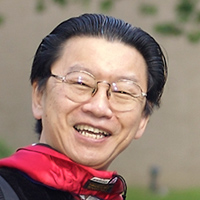
Ronald Hoy is the David and Dorothy Merksamer Professor in biology at Cornell University. Besides teaching at Cornell, he has taught neuroscience and behavior at Cold Spring Harbor Labs and at the marine biological laboratory in Woods Hole, where he was a director of the neural systems and behavior course and, later, director of the Grass Foundation summer fellows program.
Read More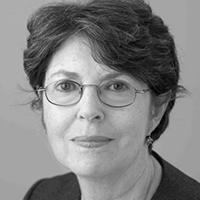
Susan Zolla-Pazner, professor of pathology at the New York University’s school of medicine and director of AIDS research at the New York Veterans Affairs Medical Center, is a scientist who has devoted her professional life to areas of immunology.
Read More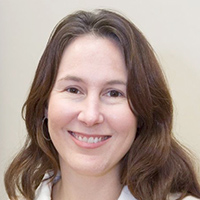
Frances A. Champagne is an associate professor in the department of psychology at Columbia University. Champagne received a master’s degree in psychiatry in 1999 and a doctoral degree in neuroscience in 2004 from McGill University.
Read More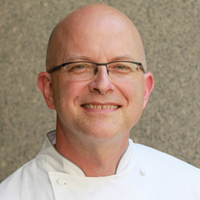
William Yosses previously worked as White House executive pastry chef, where he was closely involved with Mrs. Obama’s “Let’s Move” initiative with the goal of reducing childhood health problems related to diet. Other executive pastry chef experience include The Dressing Room in Westport Connecticut, Josephs Citarella in New York City, Bouley Bakery, and Bouley Restaurant.
Read More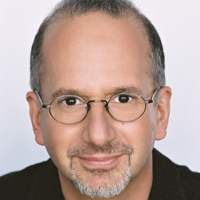
Lawrence Rosenblum is a professor of psychology at the University of California, Riverside and author of See What I’m Saying: The Extraordinary Powers of Our Five Senses. He is an award winning teacher of perceptual, cognitive, and introductory psychology.
Read More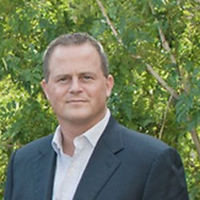
Kent Kiehl is an associate professor of psychology and neuroscience at the University of New Mexico, and executive science officer of the non-profit Mind Research Network in Albuquerque, NM.
Read More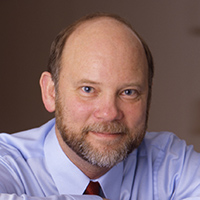
Jay N. Giedd is a practicing child and adolescent psychiatrist, chief of brain imaging at the child psychiatry branch of the National Institute of Mental Health, and an adjunct professor at the Johns Hopkins Bloomberg School of Public Health in the department of population, family and reproductive health.
Read More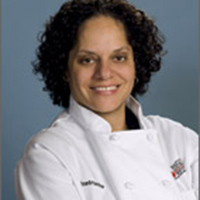
Cheryl Perry is a classically trained chef who has more than 20 years experience working in New York City as a culinary instructor, restaurant owner, and consultant. Perryl was the owner of the contemporary American restaurant Dish for six years, and has been an instructor at the Natural Gourmet Institute of Health and Culinary Arts since 1992.
Read More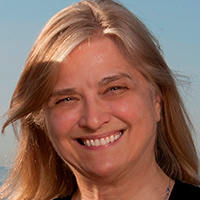
Kristen Harris is one of the world’s leading neuroscientists investigating synapse structure and function. She has been a professor of neuroscience at Harvard, Boston University, Georgia Health Sciences University, and since 2006 in the Center for Learning and Memory at the University of Texas at Austin.
Read More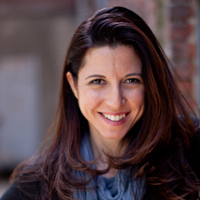
Heather Berlin is a cognitive neuroscientist, assistant professor of Psychiatry at the Icahn School of Medicine at Mount Sinai, and Visiting Scholar at the New York Psychoanalytic Society and Institute.
Read More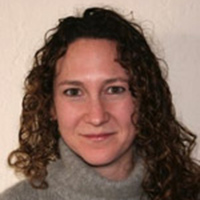
Trained as an epidemiologist, Julie Herbstman’s research focuses on the impact of prenatal exposures to environmental pollutants, including polybrominated diphenyl ethers (PBDEs) and polycyclic aromatic hydrocarbons (PAHs) on child growth and development.
Read More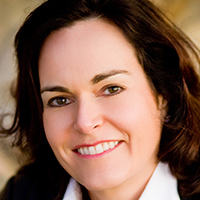
Sarah Elizabeth Richards is a journalist specializing in health, medicine, psychology, and social issues. She has written for more than two dozen newspapers, magazines, and websites.
Read More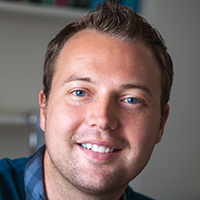
Robin Dando, originally from the UK, is a professor at Cornell University. His lab studies the neurotransmitter interactions and signaling events that occur within the mammalian taste system. Our sense of taste is one of the strongest drives that we possess, and is inexorably linked to emotions, memories, and our quality of life.
Read More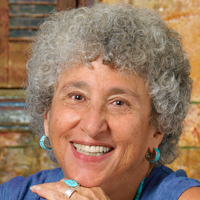
Marion Nestle is the Paulette Goddard Professor of Nutrition, Food Studies, and Public Health at NYU. She holds a doctorate in molecular biology. Her books, Food Politics and What to Eat won James Beard Awards; Why Calories Count won the 2013 IACP food matters book award.
Read More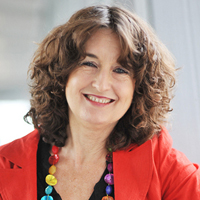
Simone Buitendijk is vice-rector magnificus at Leiden University, and as such responsible for education, student affairs and diversity. She is a professor in Women’s and Family Health at the Leiden University Hospital LUMC.
Read More
Michael Q. Bullerdick is a freelance contributing editor for several print, web and book publishers. He also frequently consults with publishers during critical transitions: launches, turnarounds, major workflow overhauls and leadership changes.
Read More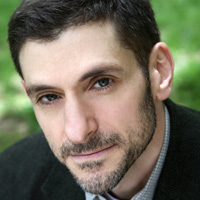
Amir Levine is an adult, adolescent, and child psychiatrist and neuroscientist at Columbia University in New York and The Center of Addiction and Mental Health in Toronto.
Read More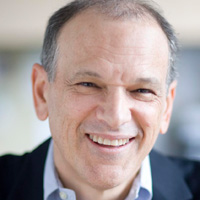
Eric Nestler is a neuroscientist, professor of psychiatry, and chair of the neuroscience department at Mount Sinai, and the director of the Friedman Brain Institute.
Read More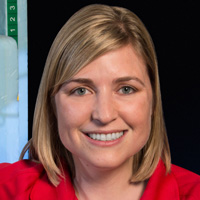
Andrea Hanson joins us from NASA Johnson Space Center, where she works in the Exercise, Physiology and Countermeasures Laboratory. She supports and conducts research centered on using exercise and fitness to keep astronauts strong and healthy while living aboard the space station.
Read More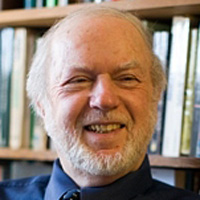
Sheldon Krimsky is a professor of Urban & Environmental Policy & Planning as well as adjunct professor of Public Health and Community Medicine at Tufts University. From 2012 to 2014, he is also a professor of philosophy at Brooklyn College, CUNY.
Read More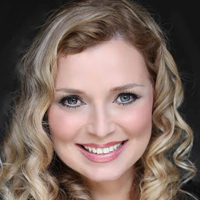
CeCe Moore is a professional genetic genealogist who is considered an innovator in the use of DNA for genealogical purposes. Currently, she is working as the genetic genealogy consultant and scriptwriter for PBS’ Finding Your Roots with Henry Louis Gates, Jr.
Read More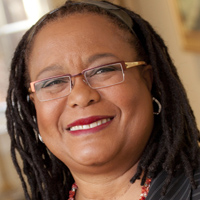
Evelynn Hammonds is the Barbara Gutmann Rosenkrantz Professor of the History of Science and a professor of African and African American Studies at Harvard University.
Read More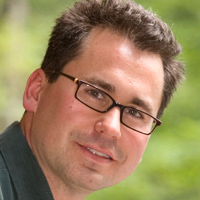
Mark Shriver is Professor of Anthropology and Genetics at The Pennsylvania State University. His research seeks to elucidate the genetic evolution that took place during and after the spread of modern humans.
Read More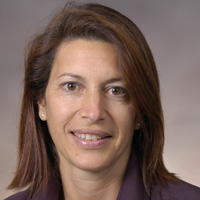
Paula Amato is an associate professor of obstetrics and gynecology at the Oregon Health and Science University who specializes in reproductive endocrinology and infertility. Some of her research explores the ways to reprogram aged, differentiated cells into pluripotent cells that can give rise to any cell type.
Read More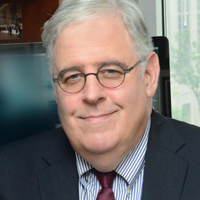
Joseph J. Fins is The E. William Davis, Jr. M.D. Professor of Medical Ethics and Chief of the Division of Medical Ethics at Weill Cornell Medical College where he is a tenured Professor of Medicine, Professor of Medical Ethics in Neurology and Professor of Health Care Policy and Research.
Read More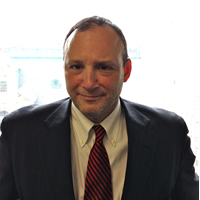
Mike Flowers is CUSP’s first Urban Science Fellow. Flowers works closely with CUSP to identify approaches to advance the use of data analytics in municipal operations and urban policymaking. A recognized leader in promoting the use of civic data, Flowers is a key participant in CUSP projects that will help define the emerging field of urban informatics around the world.
Read More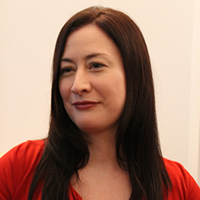
Lisa O’Sullivan, Ph.D., is director of the Center for the History of Medicine and Public Health at The New York Academy of Medicine. The Center preserves and promotes the heritage of medicine and public health and explores its cultural significance.
Read More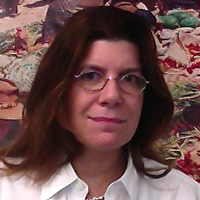
Ann Bordwine Beeder, MD is the Chief of the Division of Public Health Programs in the Departments of Medicine and Psychiatry at Weill Cornell Medical College and The New York Presbyterian Hospital.
Read More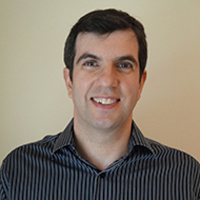
A.J. Jacobs is the author of four New York Times bestsellers about self-experimentation, including Drop Dead Healthy, The Year of Living Biblically, My Life as an Experiment and The Know-It-All. He is the editor at large at Esquire magazine and a correspondent for NPR.
Read More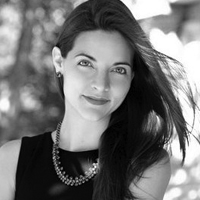
Kathryn Minshew is the CEO & Founder of TheMuse.com, a career platform and job discovery tool helping 15+ million people find inspiring careers at thoughtful companies.
Read More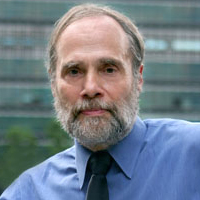
After receiving a Ph.D. in biochemistry and molecular biology from Harvard, Paul Bingham spent two years at the National Institutes of Health in Research Triangle Park. He later joined the faculty of the Department of Biochemistry and Cell Biology at Stony Brook University.
Read More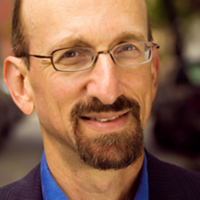
Brian Lehrer is host of the Peabody Award–winning program The Brian Lehrer Show on WNYC New York Public Radio, 93.9 FM, AM 820, and wnyc.org. From scientists to heads of state, Lehrer hosts major thinkers and major newsmakers and involves the audience through phone calls and social media.
Read More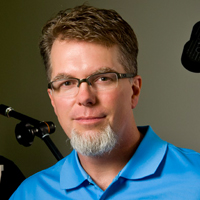
Michael Weisend is a neuroscientist whose research uses structural and functional neuroimaging to investigate normal memory, epilepsy, mental illness, and cognitive dysfunction.
Read More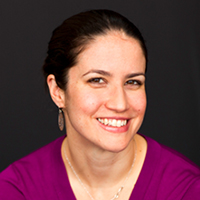
Catherine Price’s written and multimedia work has appeared in publications including The Best American Science Writing, The New York Times, the San Francisco Chronicle, The Washington Post Magazine, Slate, Salon, Men’s Journal, Mother Jones, the Oprah Magazine, and Parade, among others.
Read More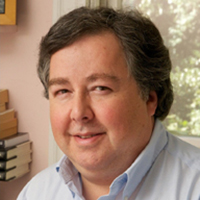
Dan Fagin is a Pulitzer Prize–winning author and an associate professor and director of the Science, Health, and Environmental Reporting Program at New York University’s Arthur L. Carter Journalism Institute.
Read More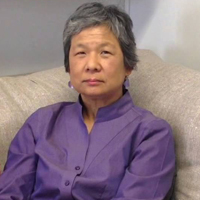
Chiye Aoki majored in biology at Barnard College, Columbia University. She entered the world of neuroscience during those years by participating in research that monitored brain activities of animals undergoing the natural transition from wakefulness to REM sleep to answer the question: Why do we need to sleep?
Read More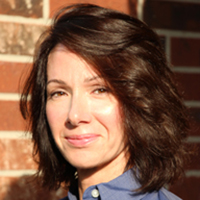
Jennifer Fogarty is the clinical translational scientist for Space and Clinical Operations Division in the Human Health and Performance Directorate, NASA. She facilitates communication, project development, and program interactions between the operations and research communities.
Read More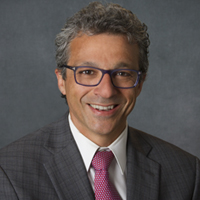
Alvaro Pascual-Leone is Director of the Berenson-Allen Center for Noninvasive Brain Stimulation and chief of the Division of Cognitive Neurology at Beth Israel Deaconess Medical Center. He is an associate dean for clinical and translational research and a professor of neurology at Harvard Medical School.
Read More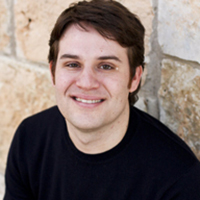
Brian Elbel is an associate professor of population health and health policy at the NYU School of Medicine, where he heads the section on health choice, policy and evaluation within the department of population health, and at the NYU Wagner Graduate School of Public Service.
Read More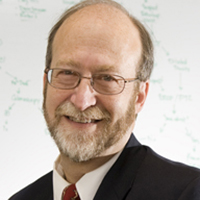
Paul R. Marantz (MD, MPH) is associate dean for Clinical Research Education, and professor in the Departments of Epidemiology and Population Health, and Medicine, at the Albert Einstein College of Medicine and Montefiore Health System.
Read More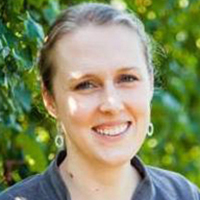
Heather McKellar received her Ph.D. from Columbia where she studied the hippocampus, a part of the brain important for learning and memory. Now at the NYU Neuroscience Institute, she is passionate about education and runs the graduate program in Neuroscience and Physiology as well as NOGN at NYU.
Read More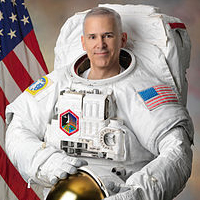
Lee M. Morin was selected as a NASA astronaut candidate in 1996 and took part in the 13th space mission of the shuttle Atlantis in 2002 as it traveled to the International Space Station. After the Atlantis mission, Morin served in the State Department as Deputy Assistant Secretary of State for Science, Space, and Health in the Bureau of Oceans, Environment, and Science.
Read More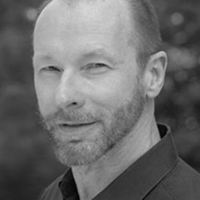
Dean A. Haycock is the author Murderous Minds: Exploring the Criminal Psychopathic Brain: Neurological Imaging and the Manifestation of Evil, The Everything Health Guide to Adult Bipolar Disorder, and The Everything Health Guide to Schizophrenia.
Read More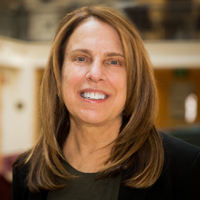
Pamela Silver seeks to reprogram life for improved health and sustainability. Recently, she engineered gut microbes to report on animal health and is the co-creator of the Bionic Leaf.
Read More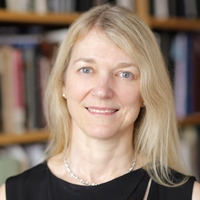
Cori Bargmann is a neuroscientist at The Rockefeller University in New York who studies the biology of the brain, asking how genes, the environment, and experience interact to give rise to flexible behaviors.
Read More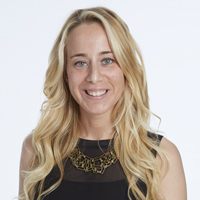
Rachel Rothman is the chief technologist and engineering director for the Good Housekeeping Institute, the legendary consumer product evaluation laboratory founded in 1900.
Read More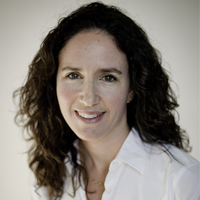
Daphna Shohamy, PhD is a neuroscientist and a professor in the department of Psychology and the Zuckerman Mind, Brain, Behavior Institute at Columbia University. Dr. Shohamy’s research aims to understand the neurobiological and cognitive mechanisms underlying learning, memory, and decision making.
Read More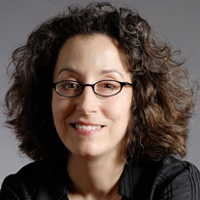
Martha J. Farah grew up in New York City, was educated at MIT and Harvard, and taught at Carnegie-Mellon University before joining the University of Pennsylvania. Her research in cognitive neuroscience has ranged widely, from vision at the back of the brain to executive function at the front.
Read More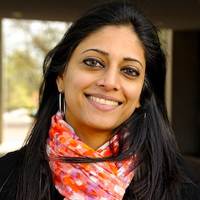
Sridevi Sarma received her B.S. in Electrical Engineering from Cornell University; and an M.S. and Ph.D. in Electrical Engineering and Computer Science from Massachusetts Institute of Technology (MIT). She is now an assistant professor in the Institute for Computational Medicine, Department of Biomedical Engineering, at Johns Hopkins University.
Read More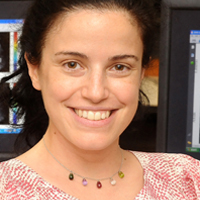
Elisa Konofagou is Professor of Biomedical Engineering and Radiology, and Director of the Ultrasound and Elasticity Imaging Laboratory at Columbia University. Her main interests are in the development of novel elasticity imaging techniques and therapeutic ultrasound methods.
Read More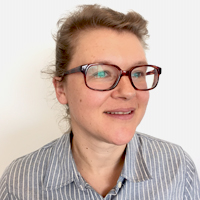
Caroline Bragdon works to develop and improve neighborhood level responses to rat infestation and is developing case studies for pest management planning at the neighborhood and building level.
Read More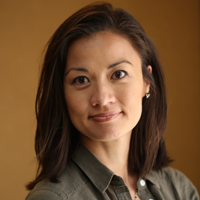
Nim Tottenham, PhD is an associate professor of Psychology at Columbia University and director of the Developmental Affective Neuroscience Laboratory. Her research examines brain development underlying emotional behavior in humans.
Read More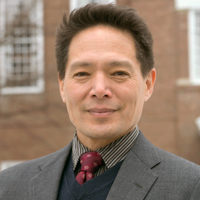
Peter Ulric Tse is interested in understanding, first, how matter can become conscious, and second, how conscious and unconscious mental events can be causal in a universe where so many believe a solely physical account of causation should be sufficient.
Read More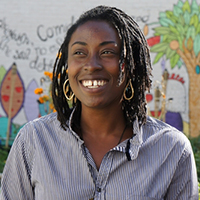
Yemi Amu is the owner and operator of Oko Farms, LLC, an urban aquaponics farm, education, and design company in Brooklyn, New York. Amu is the Farm Manager at the Moore Street Farm, an outdoor aquaponics farm developed by Oko Farms.
Read More
Renée Fleming is one of the most acclaimed singers of our time. In 2013, President Obama awarded her America’s highest honor for an artist, the National Medal of Arts. Winner of the 2013 Grammy Award (her 4th) for Best Classical Vocal Solo, she brought her voice to a vast new audience in 2014, as the first classical artist ever to sing the National Anthem at the Super Bowl.
Read More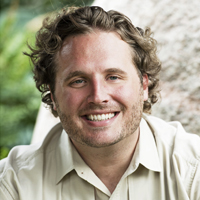
Caleb Harper is the Principal Investigator and Director of the Open Agriculture (Open Ag) Initiative at the MIT Media Lab. He leads a diverse group of engineers, architects, and scientists in the exploration and development of future food systems.
Read More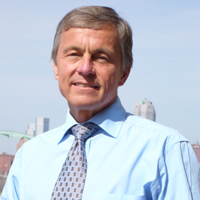
Dr. Stephen Badylak, DVM, PhD, MD is a Professor in the Department of Surgery and deputy director of the McGowan Institute for Regenerative Medicine at the University of Pittsburgh.
Read More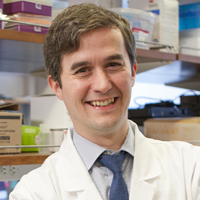
Conor Liston is a neuroscientist and psychiatrist at Weill Cornell Medical College, and his laboratory operates at the interface between these two fields. He leads a team of scientists who are working to advance our understanding of how brain circuits support learning, memory, and motivation, and how these processes are disrupted in depression, autism, and other neuropsychiatric illnesses.
Read More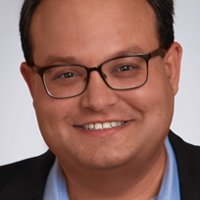
Ivan Oransky, MD, is a Distinguished Writer in Residence at New York University’s Arthur Carter Journalism Institute, co-founder of Retraction Watch, and editor at large of MedPage Today. Previously, he was executive editor of Reuters Health and held editorial positions at Scientific American and The Scientist.
Read More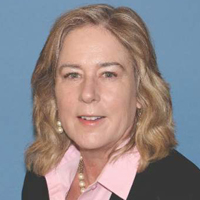
Dr. Elspeth Cameron Ritchie is a forensic psychiatrist with especial expertise in military and veteran’s issues. She is currently Chief of the Community Based Outpatient Clinics for the Washington DC VA.
Read More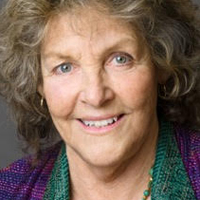
Bettina Hoerlin served as health commissioner of Philadelphia and taught health care disparities at the University of Pennsylvania for sixteen years. She also has been a visiting lecturer at Haverford College and Oxford University.
Read More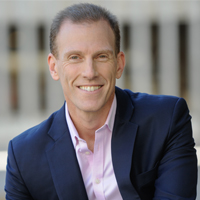
Jamie Metzl is a leading futurist, geopolitical expert, science fiction novelist, and Senior Fellow of the Atlantic Council. He was recently appointed to the World Health Organization expert advisory committee on human genome editing.
Read More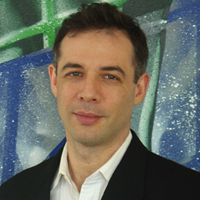
Dalton Conley is the Henry Putnam University Professor in Sociology at Princeton University. He earned a PhD in sociology from Columbia University in 1996 and a PhD in Biology (Genomics) from NYU in 2014. His research focuses on how socioeconomic status and health are transmitted across generations and on the public policies that affect those processes.
Read More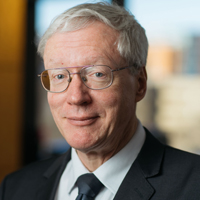
James L. Kirkland, M.D., Ph.D. is the Director of the Robert and Arlene Kogod Center on Aging at Mayo Clinic and Noaber Foundation Professor of Aging Research. He is a Board-certified specialist in internal medicine, geriatrics, and endocrinology and metabolism.
Read More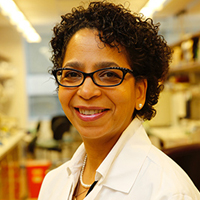
Jill Bargonetti, a renowned cancer researcher, earned her B.A. at SUNY College at Purchase and her Ph.D. at New York University and did postdoctorate work at Columbia University. She serves as chair of the molecular, cellular, and development subprogram in the Ph.D. Program in Biology at the Graduate Center and as professor of biological sciences at Hunter College.
Read More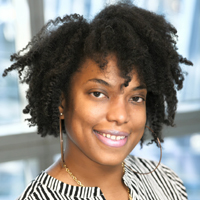
Mellanie Garner is a regulatory scientist in the Regulatory Operations/Raw Ingredients group in Research and Development at Avon Products, Inc. In her time at Avon she was responsible for global regulations on new raw ingredients for consumer products, including color; skincare; and hair care products.
Read More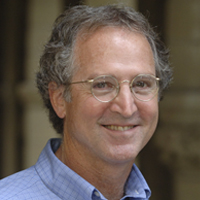
David A. Relman, M.D., is the Thomas C. and Joan M. Merigan Professor in the Departments of Medicine, and of Microbiology and Immunology at Stanford University, and Chief of Infectious Diseases at the Veterans Affairs Palo Alto Health Care System in Palo Alto, California.
Read More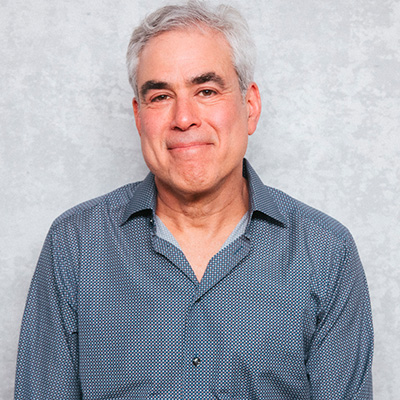
Jonathan Haidt is a Social Psychologist at New York University’s Stern School of Business. He received his Ph.D. from the University of Pennsylvania. Haidt’s research examines the intuitive foundations of morality, and how morality varies across cultural and political divides.
Read More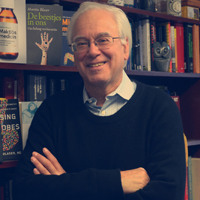
Martin Blaser is the Singer Professor of Medicine, Professor of Microbiology, and Director of the Human Microbiome Program at NYU School of Medicine. He served as Chair, Department of Medicine from 2000-2012. A physician and microbiologist, Dr. Blaser studies the relationships we have with our persistently colonizing bacteria.
Read More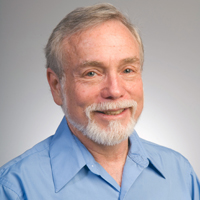
Fred Gould is Co-Director of the Genetic Engineering and Society Center of North Carolina State University. He conducts research on the application of evolutionary biology and population genetics to sustainable use of insect resistant crops and genetically engineered agricultural pests.
Read More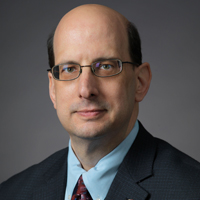
Dr. Scott M. Smith leads the Nutritional Biochemistry Laboratory at the NASA Johnson Space Center. This group is charged with keeping crews healthy with respect to nutrition, including using nutrition as a means to optimize astronaut health and safety.
Read More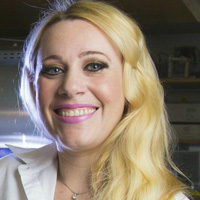
Janelle Ayres is an Associate Professor in the Nomis Center for Immunobiology and Microbial Pathogenesis at The Salk Institute for Biological Studies. Her pioneering research on host-pathogen interactions is redefining our definition of health.
Read More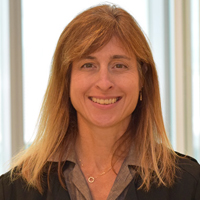
Dr. Dianne Greenfield studies the complex environmental feedbacks between global change stressors (such as urbanization, nutrients, and climate) and coastal phytoplankton ecology, physiology, and biogeochemistry.
Read More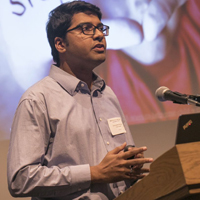
Soumyadeep Mukherjee aka “Deep” is a Postdoctoral Researcher in the Program in Public Health (PPH) at Stony Brook University. He is interested in better understanding how past traumatic and stressful experiences can impact long-term mental health and well-being.
Read More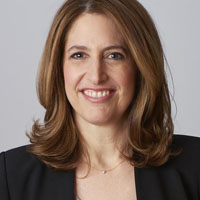
Catherine Birndorf, MD, Clinical Associate Professor of Psychiatry and Obstetrics/Gynecology and Founding Director of the Payne Whitney Women’s Program, is Co-Founder of The Motherhood Center. The Motherhood Center provides supportive services for new and expecting moms.
Read More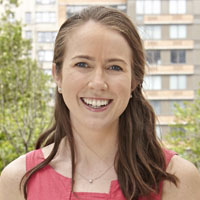
Carolyn P. Neuhaus is a Bioethicist at The Hastings Center, an independent bioethics research institute in Garrison, New York. She explores philosophical and ethical questions that arise throughout biomedical research, with an eye toward the wise use of emerging technologies.
Read More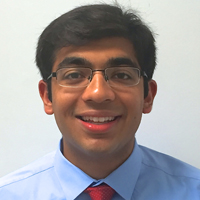
Neeraj Sakhrani is a rising sophomore at Columbia University planning to major in mathematics and pre-medicine. Accompanying his academic pursuits, Sakhrani is an associate editor for the Journal of Global Health.
Read More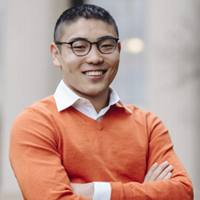
Matthew Chun graduated from Jericho High School in 2014 and participated in ISEF in 2013 (4th place: Materials and Bioengineering) and 2014 (2nd place: Chemistry). Chun is currently a senior at MIT studying Mechanical Engineering.
Read More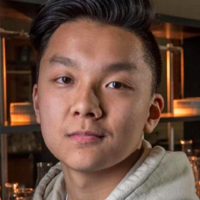
A student of Jericho High School, Marc Huo is an aspiring scientist who has conducted research on nanotechnology, won 1st Place in Cell and Molecular Biology at the International Science and Engineering Fair (ISEF), was named a Regeneron Scholar, and co-authored a paper that was published in Advanced Materials.
Read More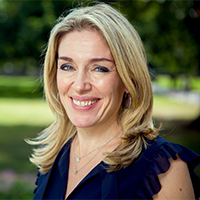
Abigail Marsh is an associate professor of psychology, neuroscience, and cognitive science at Georgetown University. She received her PhD from Harvard University and conducted her post-doctoral research at the National Institute of Mental Health.
Read More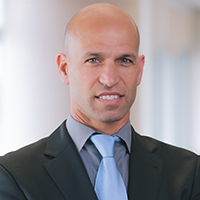
Dr. Omer Mei-Dan is an Orthopedic Sports and Trauma Surgeon. Originally from Israel, he has also trained and practiced medicine in Spain, New Zealand, and Australia, prior to establishing the Hip Preservation Service with the University of Colorado School of Medicine.
Read More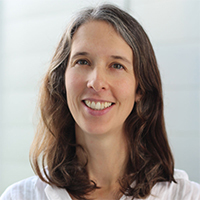
Cynthia Thomson completed her PhD in Kinesiology at the University of British Columbia. Her graduate research centered on gaining a better understanding of high-risk sport participation, a topic largely inspired by time spent between degrees living in the Canadian Rockies.
Read More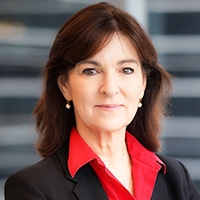
Constance “Connie” Lehman, MD–PhD, is professor of radiology at Harvard Medical School, and chief of Breast Imaging and co-director of the Avon Comprehensive Breast Evaluation Center at the Massachusetts General Hospital. She is a pioneer in the domain of Artificial Intelligence implementation in clinical medical practice.
Read More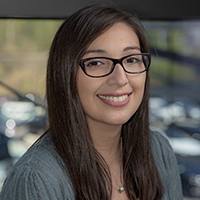
Gloria P. Huang is a research scientist in the New Technology group in Research and Development at Avon Products, Inc. She works to develop innovations for skin care and color cosmetics by combining her love of research and collaboration to help uncover ways to delight consumers around the world.
Read More
Lily Xu is a PhD student studying computer science at the University of Southern California. She is part of the USC Center for AI in Society (CAIS), which aims to leverage artificial intelligence to address issues in conservation, public health, and public security.
Read More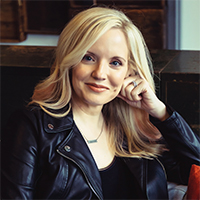
Kimberly Arcand is one of the world’s preeminent experts in astronomy visualization and has been a pioneer in 3D imaging and printing in this field. Arcand began her career in molecular biology and public health.
Read More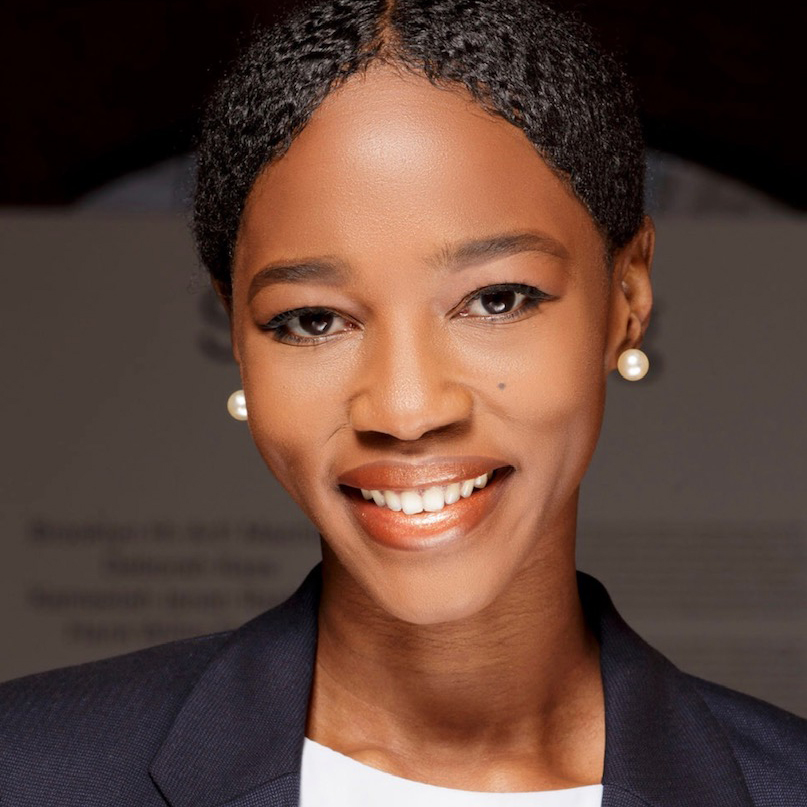
Kenya Murray is the director of Antibiotic Resistance Surveillance at the New York City Department of Health and Mental Hygiene. Currently, she leads the development of a citywide disease surveillance system focused on detecting tracking and enhancing containment of two emerging multi-drug resistant superbugs.
Read More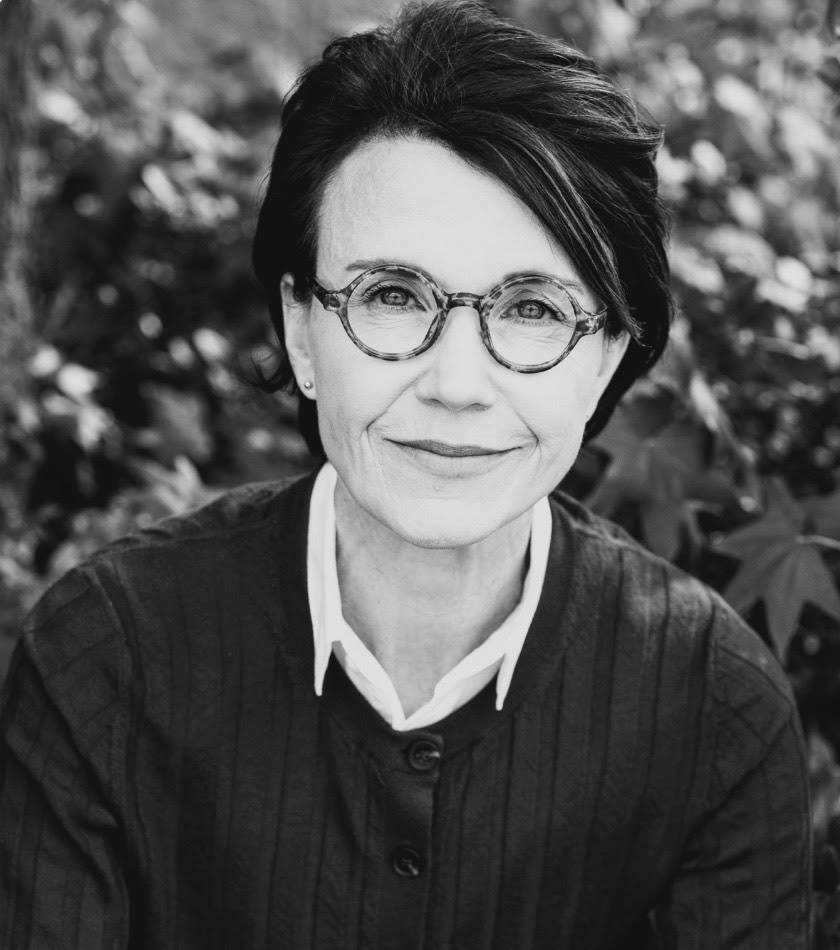
Barbara Natterson.-Horowitz, M.D., is a cardiologist and psychiatrist who turns to the natural world for insights into human health and development. Faculty in Harvard-MIT HST Program, Harvard Department of Human …
Read More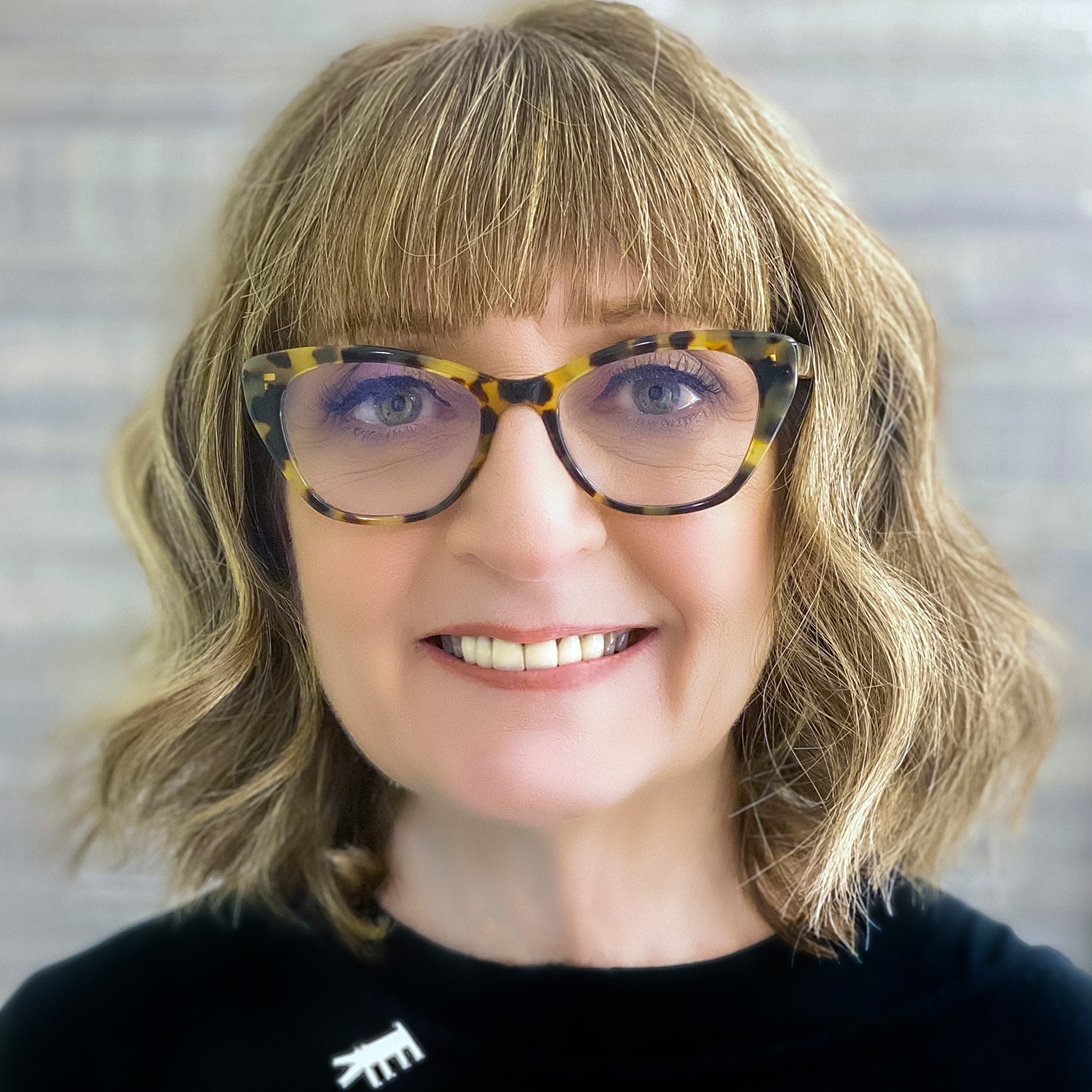
Helen Mayberg is the director of the Center of Advanced Circuit Therapeutics and a professor of neuroscience, neurology, neurosurgery, and psychiatry at the Icahn School of Medicine at the Mount …
Read More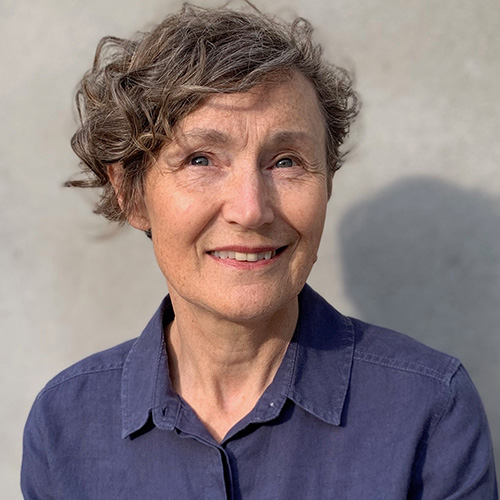
Veronica O’Keane is a neuroscientist, a retired professor of psychiatry and a consultant psychiatrist at Trinity College Dublin, with over 30 years’ experience in the field. She has done extensive …
Read More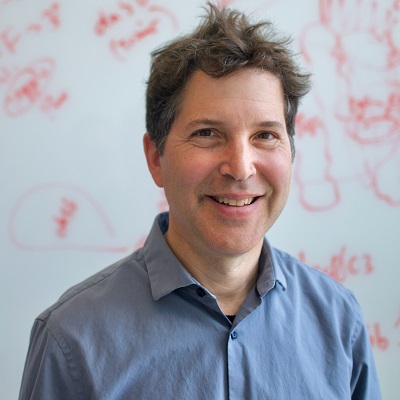
David Baker is the director of the Institute for Protein Design at the University of Washington, where he is also the Henrietta and Aubrey Davis endowed professor in biochemistry, and …
Read More