







Participants
Giulio Tononi is an award-winning psychiatrist and neuroscientist whose main focus has been the scientific understanding of consciousness. His integrated information theory is a comprehensive theory of what consciousness is, how it can be measured, and how it is realized in the brain.
Read More
Patrick R. Hof is an expert in the pathology of neuropsychiatric disorders whose laboratory is internationally known for its quantitative approaches to neuroanatomy and studies of brain evolution. Among his major contributions, Dr. Hof demonstrated that specific neurons are selectively vulnerable in dementing disorders such as Alzheimer’s disease.
Read More
Thupten Jinpa has been the principal English translator to the Dalai Lama for more than 25 years and has translated and edited many of his books, including Ethics for the New Millennium; Transforming the Mind; The Universe in a Single Atom: Convergence of Science and Spirituality.
Read More
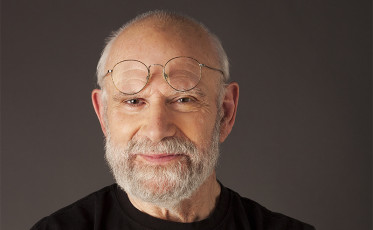
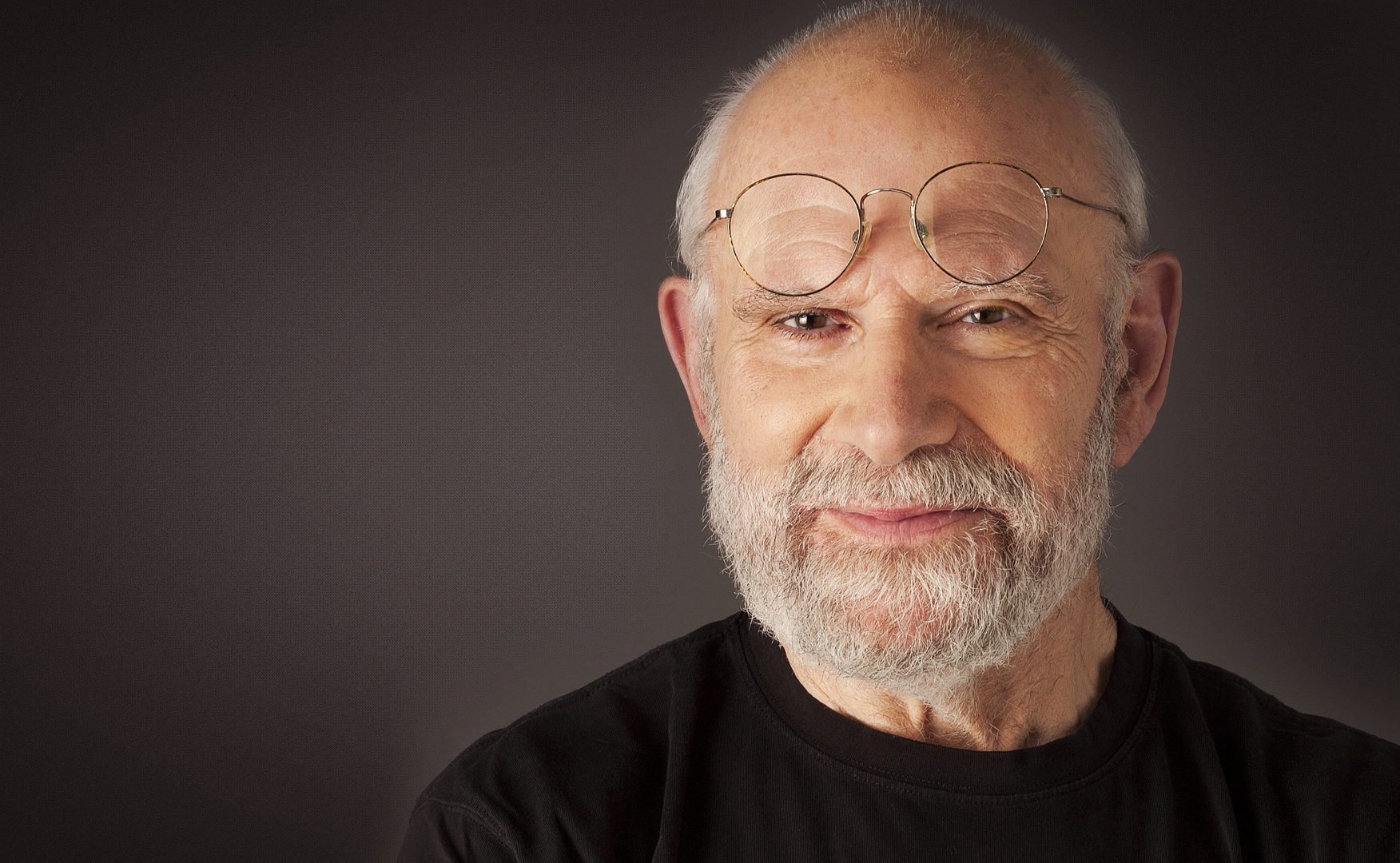
Oliver Sacks, a physician and author, has been called “the poet laureate of medicine” by The New York Times. His books and essays, including The Man Who Mistook His Wife for a Hat and An Anthropologist on Mars, are used in schools and universities around the world.
Read More
André Fenton is a recognized neuroscientist, biomedical engineer, and entrepreneur. Dr. Fenton is a Professor at the Center for Neural Science at New York University.
Read More
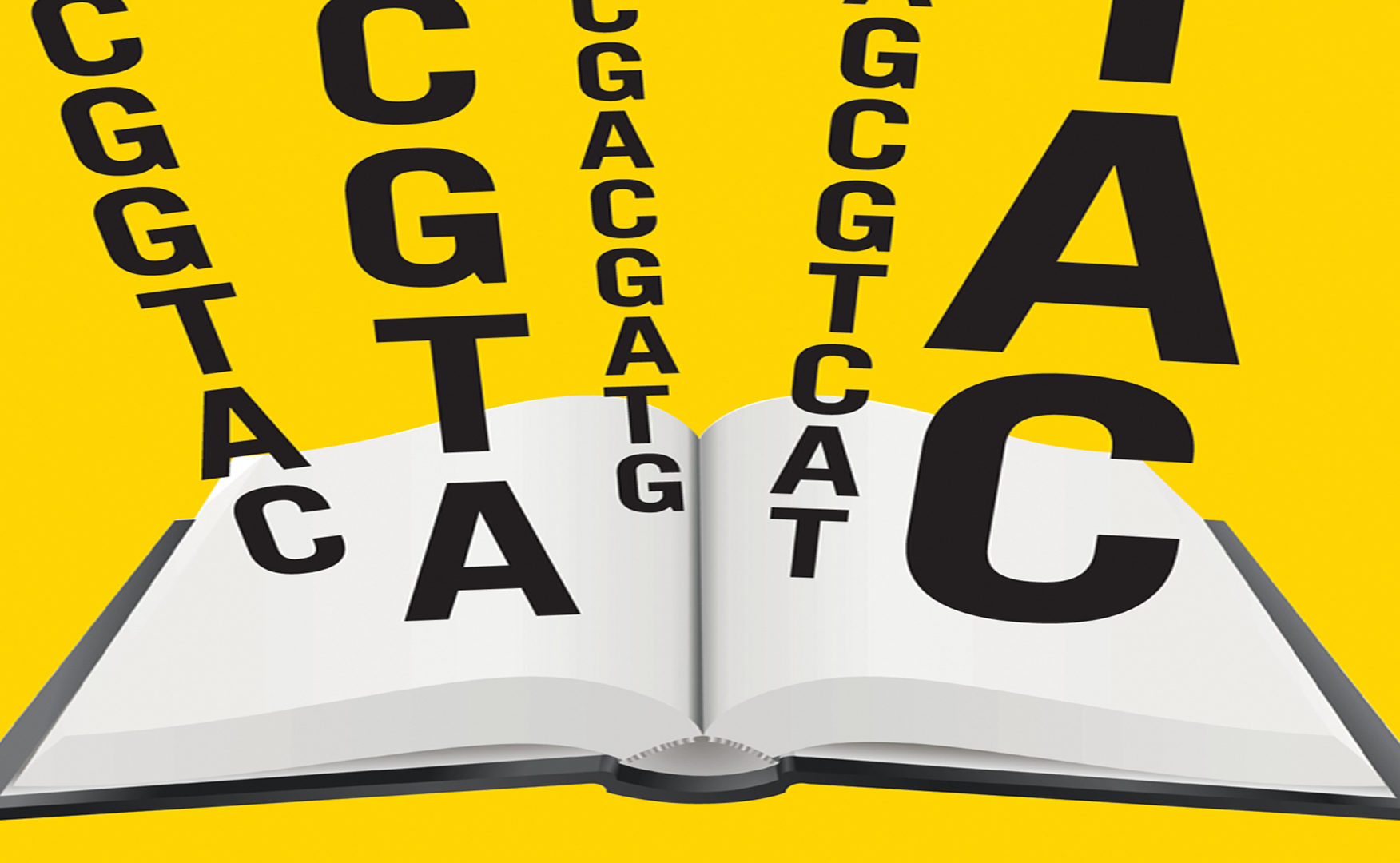
Francis Collins is known for his landmark discoveries of disease genes and leadership of the Human Genome Project, an international project that culminated in 2003 with the completion of a finished sequence of the human DNA instruction book.
Read More
Winston “Wole” Soboyejo’s research focuses on experimental studies of biomaterials, the mechanical behavior of materials and the development of alternative science and technology-driven methods for addressing global development needs in the areas of health, energy and water purification.
Read More
Paul Nurse is a geneticist and cell biologist who has worked on how the eukaryotic cell cycle is controlled and how cell shape and cell dimensions are determined. His major work has been on the cyclin dependent protein kinases and how they regulate cell reproduction.
Read More
Harold Varmus, M.D., co-recipient of the Nobel Prize for studies of the genetic basis of cancer, joined the Meyer Cancer Center of Weill Cornell Medicine as the Lewis Thomas University Professor of Medicine on April 1, 2015.
Read More
Aneela Gillani, a junior at Manhattan Center for Science and Mathematics, is passionate about biology and is working towards a career in medicine. Her extracurricular activities include Model United Nations and the National Honors Society, and she’s also enrolled in the Advanced Science Research program.
Read More
Diana Cheung is a senior in the Gateway to Medicine/Biochemistry Major at Brooklyn Technical High School. She is currently conducting research on novel treatments for pancreatic cancer at SUNY Downstate under the guidance of Dr. Josef Michl, and is also interested in immunology, health policy, and medical ethics.
Read More
Gradjola Hazizaj came to the U.S. from Albania in 2005, and is now a junior at the Brooklyn International High School. She has long dreamed of working in medicine, and believes that through science she can help people and make their lives easier.
Read More
Richard Weindruch has devoted decades to exploring extreme low-calorie diets and their promise in delaying aging. He is a professor of medicine at the University of Wisconsin and the director and co-founder of LifeGen Technologies.
Read More
Paul Root Wolpe, Ph.D. is the Asa Griggs Candler Professor of Bioethics, Raymond Schinazi Distinguished Research Professor of Jewish Bioethics, Professor of Medicine, Pediatrics, and Sociology, and the Director of the Center for Ethics at Emory University.
Read More
After serving as President of Caltech for nine years, David Baltimore was appointed President Emeritus and the Robert Andrews Millikan Professor of Biology (2006). Baltimore was awarded the Nobel Prize at the age of 37 for research in virology.
Read More
David Eagleman is a neuroscientist, best-selling author, and Guggenheim Fellow who holds joint appointments in the Departments of Neuroscience and Psychiatry at Baylor College of Medicine in Houston, Texas.
Read More
Emergency physician and avid outdoorsman, Jay Lemery is an authority on the effects of wilderness exposure on the human body. He is known for research on treatments for conditions resulting from high altitude climbing, natural and environmental disasters, and the exposure to other extreme environments.
Read More
Physician and geneticist James Evans uses family history and genetic testing to evaluate and counsel patients about their risk for cancer. His research explores how genetics influences an individual’s response to medication.
Read More
Recognized for his contributions to sleep research, Carlos H. Schenck has helped identify a wide range of extreme sleep behaviors known as parasomnias and therapies to treat them, as well as their potential forensic consequences.
Read More
David Ferrucci is the lead researcher and principal investigator for the Watson/Jeopardy! project. He has been a Research Staff Member at IBM’s T.J. Watson’s Research Center since 1995 where he heads up the Semantic Analysis and Integration department.
Read More
Eric Lander was one of the principal leaders of the Human Genome Project, which from 1990-2003 mapped the human genetic code. He has pioneered the application of genomics to the understanding human disease. Lander serves as President and Founding Director of the Broad Institute.
Read More
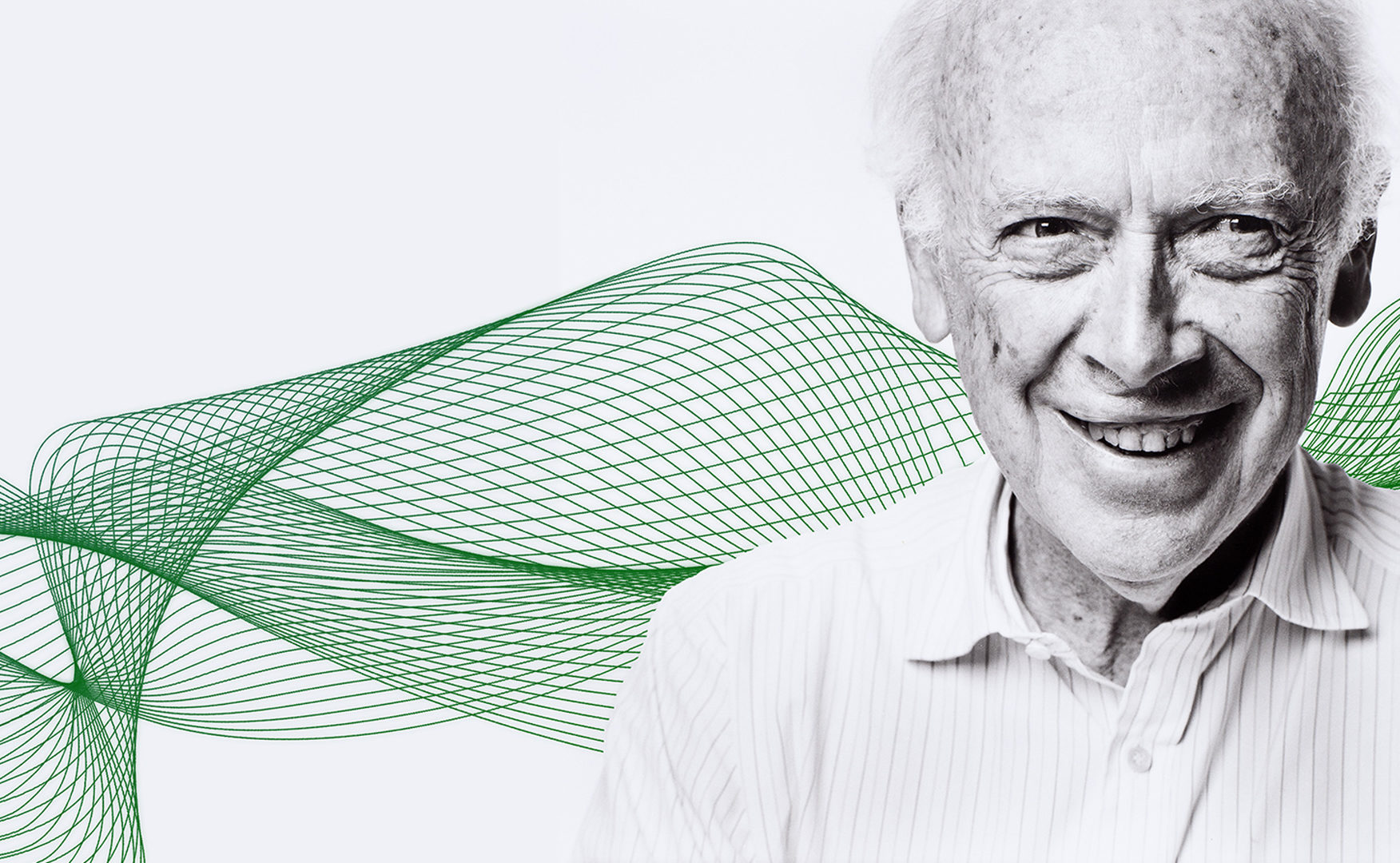
In 1953, while at Cambridge University, James D. Watson and Francis Crick successfully proposed the double helical structure for DNA.
Read More
Seth Mnookin’s most recent book, The Panic Virus: A True Story of Medicine, Science, and Fear, uses a combination of investigative reporting, intellectual and scientific history, and sociological analysis to explore the controversies over vaccines and their rumored connection to developmental disorders. The New York Times said it was “just what the public needs…a tour-de-force.”
Read More
Siddhartha Mukherjee is a cancer physician and researcher. He is an assistant professor of medicine at Columbia University and a staff physician at Columbia University Medical Center. A former Rhodes Scholar, he graduated from Stanford University, University of Oxford, and Harvard Medical School.
Read More
Simon Singh’s documentary about Fermat’s Last Theorem was the winner of a BAFTA in the UK and was nominated for an EMMY. His publication on the same subject, Fermat’s Enigma, is the first book about mathematics to become a number one bestseller in the UK and has since been translated into 30 languages.
Read More
A 1978 Harvard graduate, Todd Sacktor completed his M.D. at the Albert Einstein College of Medicine and his neurology residency at Columbia University, where he began studying the role of the enzyme protein kinase C (PKC) in the short-term memory of Aplysia (marine snails).
Read More
Raymond Gosling pioneered x-ray diffraction research at King’s College London and collaborated closely with Maurice Wilkins in analyzing samples of DNA. Together they produced the first crystalline diffraction photographs at King’s showing an x-pattern of black dots.
Read More
Mary-Claire King, PhD, is American Cancer Society Professor in the Department of Medicine and the Department of Genome Sciences at the University of Washington in Seattle. She was the first to show that breast cancer is inherited in some families, as the result of mutations in the gene that she named BRCA1.
Read More
Günter Blobel is the John D. Rockefeller Jr. Professor at Rockefeller University in New York City and an investigator at the Howard Hughes Medical Institute in Chevy Chase, Maryland.
Read More
Paul Greengard is the director of the Fisher Center for Alzheimer’s Disease Research at Rockefeller University in New York City.
Read More
Eric Kandel is Kavli Professor and University Professor at Columbia University and a senior investigator at the Howard Hughes Medical Institute.
Read More
Olufunmilayo Olopade is a Walter L. Palmer Distinguished Service Professor and Associate Dean for Global Health at The University of Chicago Medical Center. Olopade graduated with distinction from the University of Ibadan College of Medicine in Nigeria.
Read More
Jim Pfaus has sex on the brain. An internationally known expert in the neurobiology of sexual behavior, Pfaus has authored over 150 publications and chapters that examine how the brain’s neurochemical and neuroanatomical systems are organized for sexual arousal, desire, pleasure, and inhibition.
Read More
Charles Limb is an associate professor at the Johns Hopkins School of Medicine in the Department of Otolaryngology-Head and Neck Surgery, where he specializes in neurotology and skull base surgery.
Read More
Torsten Wiesel is the Vincent and Brooke Astor Professor Emeritus and President Emeritus at Rockefeller University in New York City.
Read More
Bora Zivkovic is the blog editor at Scientific American magazine. Born in Belgrade, Serbia (then Yugoslavia) he majored in biochemistry and molecular biology in high school, trained horses, and studied veterinary medicine at University of Belgrade. Upon arrival in the United States, Zivkovic did research on circadian rhythms in Japanese quail at North Carolina State University.
Read More
Kodi Azari, MD, FACS is an internationally known plastic surgeon and hand surgeon. His clinical areas of interest include hand, microvascular, peripheral nerve surgery, and hand transplantation.
Read More
Charles Sawyers shared the 2009 Lasker~DeBakey Clinical Medical Research Award for his role in the development of molecularly-targeted treatments for chronic myeloid leukemia, converting a fatal cancer into a manageable chronic condition.
Read More
Katherine Harmon covers health, medicine, and life sciences for Scientific American’s website. She holds a master’s degree from the University of Missouri School of Journalism and a bachelor’s degree in English from Vassar College. Her award-winning work has appeared in magazines, newspapers, and journals.
Read More
Internationally renowned neurobiologist James Fallon has made major scientific breakthroughs in the basic and clinical brain sciences. He was the first to describe a characterized growth factor in the central nervous system and the first to show how to stimulate the mass production and mobilization of adult stem cells in the adult brain.
Read More
Joan Brugge joined the faculty of the Department of Cell Biology at Harvard Medical School in July 1997 and became the chair of this department in 2004. A graduate of Northwestern University, she received her PhD from the Baylor College of Medicine.
Read More
Emily Senay is a physician, medical and public health educator, broadcast journalist, and author. She is an assistant professor of Medicine in the Department of Preventive Medicine at the Icahn School of Medicine at Mount Sinai and a clinician in the World Trade Center Health Program in New York City.
Read More
Anna Kuchment edits the Advances news section of Scientific American magazine. Before coming to SciAm, Kuchment was a writer and editor at Newsweek International and Newsweek magazines.
Read More
Hannah Waters writes about science for Nature Medicine and her blog Culturing Science. Before that, she studied the epigenetics of aging in Philadelphia, marine food webs off the coast of Oregon, and coastal conservation in Maine.
Read More
Gillian Small was appointed vice chancellor for research of The City University of New York in 2008 after serving with distinction as dean for research since 2003.
Read More
Cynthia Bir studies what happens to the human body after sports injuries, ballistic impacts, and explosive blasts. She is known worldwide for her research into the effects of blunt ballistic impacts from rubber bullets and other less-lethal ammunition.
Read More
Kay Redfield Jamison has been called a “hero of medicine” for turning her own struggle with manic-depression into a lifelong career researching the illness and its treatment.
Read More
Dennis Charney is one of the world’s leading experts in the neurobiology and treatment of mood and anxiety disorders.
Read More
Rachel Yehuda, professor of psychiatry and neuroscience, is the Director of the Traumatic Stress Studies Division at Mount Sinai School of Medicine and the Mental Health Patient Care Center Director at the James J. Peters Veterans Affairs Medical Center.
Read More
Donald Goff is director of the Nathan Kline Institute for Psychiatric Research and vice chair for research in the Department of Psychiatry at New York University Langone Medical Center. Goff earned his medical degree at the University of California School of Medicine, Los Angeles.
Read More
Glenn Saxe is the Arnold Simon Professor and Chair, Department of Child and Adolescent Psychiatry, and director of the NYU Child Study Center. Saxe is a physician scientist with a focus on the psychiatric consequences of traumatic events on children.
Read More
Gary Nabel is a nationally recognized expert at the forefront of virology, immunology, gene therapy and molecular biology. He is the director of the Vaccine Research Center at the National Institute of Allergy and InfectiousDiseases.
Read More
Concetta Tomaino is the executive director and co-founder of the Institute for Music and Neurologic Function. Dr. Tomaino is also the senior vice president for Music Therapy at CenterLight Health System where she has worked since 1980.
Read More
Ellen Jorgensen is a molecular biologist and a passionate advocate of citizen science. Her research interests have encompassed such diverse areas as free radicals in disease, DNA fingerprinting, virus protein structure/function relationships, and cancer biomarkers.
Read More
Orrin Devinsky is professor of neurology, neurosurgery, and psychiatry at NYU Langone School of Medicine. He directs the NYU Epilepsy Center and St. Barnabas Institute of Neurology.
Read More
C. David Allis received his Ph.D. from Indiana University and performed postdoctoral work with Martin Gorovsky at the University of Rochester. Allis held several academic positions, including ones at the Baylor College of Medicine and the University of Virginia Health System.
Read More
Nora D. Volkow is the director of the National Institute on Drug Abuse at NIH. She pioneered the use of brain imaging to investigate the effects of drugs in the human brain and has demonstrated that drug addiction is a brain disease.
Read More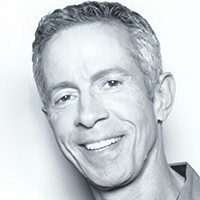
Peter Staley has been a long-term AIDS and gay rights activist, first as a member of ACT UP New York, then as the founding director of TAG, the Treatment Action Group. He served on the board of the American Foundation for AIDS Research (amfAR) for 13 years.
Read More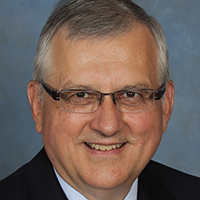
Randy Jirtle headed the epigenetics and imprinting laboratory at Duke University until 2012. He is presently a visiting professor at McArdle Laboratory for Cancer Research at the University of Wisconsin-Madison. Jirtle’s research interests are in epigenetics, genomic imprinting, and the fetal origins of disease susceptibility.
Read More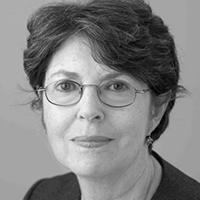
Susan Zolla-Pazner, professor of pathology at the New York University’s school of medicine and director of AIDS research at the New York Veterans Affairs Medical Center, is a scientist who has devoted her professional life to areas of immunology.
Read More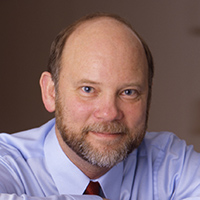
Jay N. Giedd is a practicing child and adolescent psychiatrist, chief of brain imaging at the child psychiatry branch of the National Institute of Mental Health, and an adjunct professor at the Johns Hopkins Bloomberg School of Public Health in the department of population, family and reproductive health.
Read More
Robert (Bob) Grant has 29 years of experience with HIV/AIDS research and clinical care. He is a senior investigator at the Gladstone Institute of Virology and Immunology and a professor of medicine at the University of California San Francisco.
Read More
Jean-Pierre Issa is a professor of medicine and director at Fels Institute for Cancer Research and Molecular Biology at Temple University. Issa’s laboratory has made important contributions to the understanding of the importance of epigenetics in the pathophysiology and treatment of cancer.
Read More
Heather Berlin is a cognitive neuroscientist, assistant professor of Psychiatry at the Icahn School of Medicine at Mount Sinai, and Visiting Scholar at the New York Psychoanalytic Society and Institute.
Read More
Sarah Elizabeth Richards is a journalist specializing in health, medicine, psychology, and social issues. She has written for more than two dozen newspapers, magazines, and websites.
Read More
Jessica Wapner is a freelance writer focused mainly on science and medicine. Her first book, The Philadelphia Chromosome, was published in 2013. Publishers Weekly named The Philadelphia Chromosome a top-ten science book for Spring 2013, and Kirkus calls it “an absorbing, complex medical detective story.”
Read More
Zahi Fayad serves as professor of radiology and medicine at the Mount Sinai School of Medicine. He is the director of the Translational and Molecular Imaging Institute; vice chair for research, department of radiology; director and founder of the Eva and Morris Feld Imaging Science Laboratories.
Read More
Philip Rubin is the principal assistant director for science at the Office of Science and Technology Policy (OSTP) in the Executive Office of the President of the United States, where he also leads the White House Neuroscience Initiative.
Read More
Simone Buitendijk is vice-rector magnificus at Leiden University, and as such responsible for education, student affairs and diversity. She is a professor in Women’s and Family Health at the Leiden University Hospital LUMC.
Read More
Dr. Peter L. Salk graduated Phi Beta Kappa from Harvard University in 1965 and Alpha Omega Alpha from Johns Hopkins University School of Medicine in 1969.
Read More
Andrew W. Lo is a professor at the MIT Sloan School of Management, the director of MIT’s Laboratory for Financial Engineering, a principal investigator at MIT’s Computer Science and Artificial Intelligence Lab, and an affiliated faculty member of the MIT Department of Electrical Engineering and Computer Science.
Read More
Eric Nestler is a neuroscientist, professor of psychiatry, and chair of the neuroscience department at Mount Sinai, and the director of the Friedman Brain Institute.
Read More
Catherine Ball leads a group of population geneticists, statisticians, and computer scientists and oversees the analytical approaches behind Ancestry.com’s direct-to-consumer genotyping services.
Read More
Sheldon Krimsky is a professor of Urban & Environmental Policy & Planning as well as adjunct professor of Public Health and Community Medicine at Tufts University. From 2012 to 2014, he is also a professor of philosophy at Brooklyn College, CUNY.
Read More
Evelynn Hammonds is the Barbara Gutmann Rosenkrantz Professor of the History of Science and a professor of African and African American Studies at Harvard University.
Read More
Paula Amato is an associate professor of obstetrics and gynecology at the Oregon Health and Science University who specializes in reproductive endocrinology and infertility. Some of her research explores the ways to reprogram aged, differentiated cells into pluripotent cells that can give rise to any cell type.
Read More
Kim Janda is a professor of chemistry at The Scripps Research Institute whose research efforts merge biology and chemistry. He has investigated using the immune system to target drug addiction, catalytic antibodies, and creating molecules to treat cancer.
Read More
Joseph J. Fins is The E. William Davis, Jr. M.D. Professor of Medical Ethics and Chief of the Division of Medical Ethics at Weill Cornell Medical College where he is a tenured Professor of Medicine, Professor of Medical Ethics in Neurology and Professor of Health Care Policy and Research.
Read More
Jamie Grifo is the program director of the NYU Fertility Center. He is also director of reproductive endocrinology and a professor of obstetrics and gynecology at the NYU School of Medicine. As co-director of the NYU Egg Freezing Division, he has helped lead one of the largest and most successful egg preservation programs.
Read More
Jack Szostak shared the 2009 Nobel Prize in Physiology or Medicine for his investigation of telomeres. His current research delves into self-replicating systems and the origin of life.
Read More
Ann Graybiel is a neuroscientist and investigator at the McGovern Institute for Brain Research at MIT. Her research focuses on the basal ganglia, a group of forebrain structures involved in controlling movement, cognition, and habit learning.
Read More
Lisa O’Sullivan, Ph.D., is director of the Center for the History of Medicine and Public Health at The New York Academy of Medicine. The Center preserves and promotes the heritage of medicine and public health and explores its cultural significance.
Read More
Nicholas Wade received a B.A. in natural sciences from King’s College, Cambridge. He was deputy editor of Nature magazine in London and then became that journal’s Washington correspondent.
Read More
Ann Bordwine Beeder, MD is the Chief of the Division of Public Health Programs in the Departments of Medicine and Psychiatry at Weill Cornell Medical College and The New York Presbyterian Hospital.
Read More
Howard Greller is an emergency physician, medical toxicologist and the associate director of the Mount Sinai Upper West Side Urgent Care Center. He teaches emergency medicine at the Icahn School of Medicine at Mount Sinai and serves as a consultant to NYC’s Poison Control Center.
Read More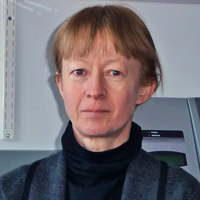
Mechthild Prinz is currently an Associate Professor and the Director of the Master in Forensic Science Program at John Jay College of Criminal Justice in New York City.
Read More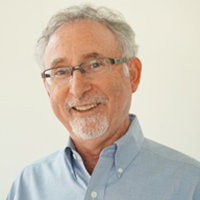
Richard J. Haier is professor emeritus at the University of California, Irvine School of Medicine. Haier is also the associate editor of the Intelligence journal and the president-elect of the International Society for Intelligence Research.
Read More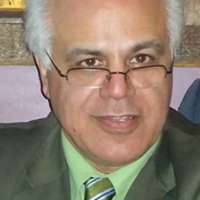
Alayar Kangarlu is an associate professor in the psychiatry department at Columbia University. His research is on magnetic resonance imaging (MRI) and its application in medicine. While at Ohio State University in 1996, their team built an 8 Tesla MRI scanner.
Read More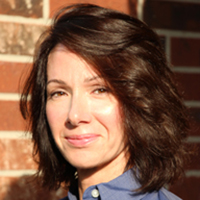
Jennifer Fogarty is the clinical translational scientist for Space and Clinical Operations Division in the Human Health and Performance Directorate, NASA. She facilitates communication, project development, and program interactions between the operations and research communities.
Read More
Paul Shaw received his Ph.D. working with Allan Rechtschaffen at the University of Chicago investigating the effects of chronic total sleep deprivation in the rat. He subsequently joined the Neurosciences Institute as a postdoctoral fellow with Giulio Tononi where they began using the fruit fly as a model system to identify molecules that play critical roles in regulating sleep homeostasis.
Read More
When Danielle Ofri isn’t seeing patients at Bellevue Hospital, the oldest public hospital in the country, she’s writing about the doctor-patient connection for The New York Times, Slate, and other publications. She’s editor-in-chief of the Bellevue Literary Review.
Read More
Patricia Kovatch is the founding Associate Dean for Scientific Computing at the Icahn School of Medicine at Mount Sinai. She established a scalable and sustainable high-performance computing and data infrastructure to better diagnose and treat disease.
Read More
Brian Elbel is an associate professor of population health and health policy at the NYU School of Medicine, where he heads the section on health choice, policy and evaluation within the department of population health, and at the NYU Wagner Graduate School of Public Service.
Read More
Paul R. Marantz (MD, MPH) is associate dean for Clinical Research Education, and professor in the Departments of Epidemiology and Population Health, and Medicine, at the Albert Einstein College of Medicine and Montefiore Health System.
Read More
Lee M. Morin was selected as a NASA astronaut candidate in 1996 and took part in the 13th space mission of the shuttle Atlantis in 2002 as it traveled to the International Space Station. After the Atlantis mission, Morin served in the State Department as Deputy Assistant Secretary of State for Science, Space, and Health in the Bureau of Oceans, Environment, and Science.
Read More
Dean A. Haycock is the author Murderous Minds: Exploring the Criminal Psychopathic Brain: Neurological Imaging and the Manifestation of Evil, The Everything Health Guide to Adult Bipolar Disorder, and The Everything Health Guide to Schizophrenia.
Read More
Miguel Nicolelis, M.D., Ph.D., is the Duke School of Medicine Distinguished Professor of Neuroscience at Duke University, professor of neurobiology, biomedical engineering, and psychology & neuroscience, and founder of Duke’s Center for Neuroengineering.
Read More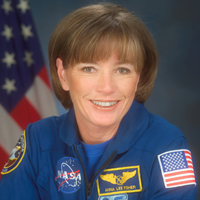
Anna L. Fisher is a NASA astronaut with a BsC in Chemistry, a PhD in Medicine, and a Master of Science in Chemistry, all from UCLA. With the completion of her first flight, Fisher logged a total of 192 hours in space.
Read More
Harry Ostrer, M.D. is professor of Pathology and Pediatrics at Albert Einstein College of Medicine. He develops new technologies and investigates the genetic basis of common and rare disorders, then translates the findings into tests that can be used to identify people’s risks for having a disease or for predicting its outcome.
Read More
Josephine Johnston is a bioethicist and lawyer at The Hastings Center, an independent bioethics research institute in Garrison, New York. She works on the ethics of emerging biotechnologies with a focus on their use in reproduction, psychiatry, genetics, and neuroscience.
Read More
Sridevi Sarma received her B.S. in Electrical Engineering from Cornell University; and an M.S. and Ph.D. in Electrical Engineering and Computer Science from Massachusetts Institute of Technology (MIT). She is now an assistant professor in the Institute for Computational Medicine, Department of Biomedical Engineering, at Johns Hopkins University.
Read More
Elisa Konofagou is Professor of Biomedical Engineering and Radiology, and Director of the Ultrasound and Elasticity Imaging Laboratory at Columbia University. Her main interests are in the development of novel elasticity imaging techniques and therapeutic ultrasound methods.
Read More
Historian, psychoanalyst, and psychiatrist George Makari is the author of Soul Machine: The Invention of the Modern Mind, which the Wall Street Journal called “brilliant, essential reading.” Makari also wrote the award-winning, widely acclaimed Revolution in Mind: The Creation of Psychoanalysis.
Read More
Stephen Tsang is the László Bitó Associate Professor in Ophthalmology, Pathology & Cell Biology at Columbia University and an attending ophthalmologist at New York-Presbyterian Hospital. He has been culturing embryonic stem (ES) cells since 1992.
Read More
Luke Dow is an assistant professor of Biochemistry in Medicine at Weill Cornell Medicine in New York City. Dow completed his PhD in Melbourne, Australia, before joining the laboratory of Professor Scott Lowe for his postdoctoral work in 2008, where he developed new systems to interrogate gene function in the mouse, including the first application of inducible in vivo CRISPR-based genome editing tools.
Read More
Deanna Barch is currently Chair of the Department of Psychological & Brain Sciences and the Gregory Couch Chair of Psychiatry. She received her undergraduate degree from Northwestern University and completed her Ph.D. at the University of Illinois in Champaign-Urbana.
Read More
Jeff W. Lichtman is Jeremy R. Knowles Professor of Molecular and Cellular Biology and the Ramón y Cajal Professor of the Faculty of Arts and Sciences at Harvard University. Lichtman is a developmental neurobiologist interested in the way in which experience alters nervous system organization in long-lasting ways.
Read More
Sarah Tishkoff is the David and Lyn Silfen University Professor in Genetics and Biology at the University of Pennsylvania, holding appointments in the School of Medicine and the School of Arts and Sciences. She studies genomic and phenotypic variation in ethnically diverse Africans.
Read More
Dr. Stephen Badylak, DVM, PhD, MD is a Professor in the Department of Surgery and deputy director of the McGowan Institute for Regenerative Medicine at the University of Pittsburgh.
Read More
Doris A. Taylor, Ph.D., FACC, FAHA is the Director, Regenerative Medicine Research, and Director, Center for Cell and Organ Biotechnology at the Texas Heart Institute in Houston.
Read More
Henry T. (Hank) Greely is the Deane F. and Kate Edelman Johnson Professor of Law and Professor, by courtesy, of Genetics at Stanford University. Greely graduated from Stanford and Yale Law School. He was a law clerk for Judge John Minor Wisdom on the Fifth Circuit and Justice Potter Stewart on the Supreme Court.
Read More
Dr. Christopher Mason is currently an Associate Professor at Weill Cornell Medicine, with appointments at the Tri-Institutional Program on Computational Biology and Medicine between Cornell, Memorial Sloan-Kettering Cancer Center and Rockefeller University, the Sandra and Edward Meyer Cancer Center, and the Feil Family Brain and Mind Research Institute.
Read More
Jessica Garrett is a science educator/author and a voice actress who thinks kids are fabulous. She loved writing slimy, kid-friendly “ICK-speriments” with her co-authors Joy Masoff and Ben Ligon, in the truly disgusting, yet totally interesting, Oh Ick! 114 Science Experiments Guaranteed to Gross You Out!
Read More
Dr. Elspeth Cameron Ritchie is a forensic psychiatrist with especial expertise in military and veteran’s issues. She is currently Chief of the Community Based Outpatient Clinics for the Washington DC VA.
Read More
James L. Kirkland, M.D., Ph.D. is the Director of the Robert and Arlene Kogod Center on Aging at Mayo Clinic and Noaber Foundation Professor of Aging Research. He is a Board-certified specialist in internal medicine, geriatrics, and endocrinology and metabolism.
Read More
Dr. Vicki Colvin is the Victor Kreible Professor of Chemistry and Engineering at Brown University and the Director of its Center for Biomedical Engineering. A physical chemist by training, Professor Colvin studies how very small crystalline materials such as quantum dots and carbon nanotubes interact with environmental and biological systems.
Read More
Richard Gallagher, Ph.D. is Associate Professor of Child and Adolescent Psychiatry at the NYU School of Medicine. He is a clinical psychologist and neuropsychologist who holds a senior position at the Child Study Center of the NYU Langone Medical Center.
Read More
Carla Shatz has broken new ground for women in neuroscience. At Harvard Medical School, she was the first woman to receive a PhD in Neurobiology and the first woman to chair the department. Her research aims to understand how early developing brain circuits are transformed into adult connections during developmental critical periods.
Read More
Kely Norel is a research staff member in the Computational Biology Center at the IBM T. J. Watson Research Center. She received a B.Sc. degree in Computer Engineering from Universidad de Chile, a M.Sc. degree in Computer Science from Weizmann Institute, Israel and a Ph.D. in Computer Science from Tel Aviv University, Israel.
Read More
David A. Relman, M.D., is the Thomas C. and Joan M. Merigan Professor in the Departments of Medicine, and of Microbiology and Immunology at Stanford University, and Chief of Infectious Diseases at the Veterans Affairs Palo Alto Health Care System in Palo Alto, California.
Read More
Martin Blaser is the Singer Professor of Medicine, Professor of Microbiology, and Director of the Human Microbiome Program at NYU School of Medicine. He served as Chair, Department of Medicine from 2000-2012. A physician and microbiologist, Dr. Blaser studies the relationships we have with our persistently colonizing bacteria.
Read More
Shannon Odell is a Brooklyn based writer, comedian, and scientist. She co-hosts and produces Drunk Science, an experimental comedy show deemed “a stroke of genius” by Gothamist and a finalist in TruTV’s comedy break out initiative.
Read More
Carolyn P. Neuhaus is a Bioethicist at The Hastings Center, an independent bioethics research institute in Garrison, New York. She explores philosophical and ethical questions that arise throughout biomedical research, with an eye toward the wise use of emerging technologies.
Read More
Neeraj Sakhrani is a rising sophomore at Columbia University planning to major in mathematics and pre-medicine. Accompanying his academic pursuits, Sakhrani is an associate editor for the Journal of Global Health.
Read More
Dr. Serena McCalla has dedicated her life to the advancement of science and science education. Dr. McCalla was raised in New York City and fell in love with science in elementary school. She earned her Bachelors in Biological Sciences.
Read More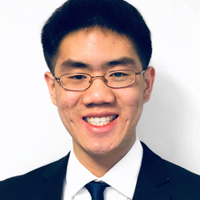
Michael Lai is currently pursuing a medical degree in Hofstra University’s combined BS/MD program in which he will directly matriculate into the Donald and Barbara Zucker School of Medicine. He attended Jericho High School in Jericho New York.
Read More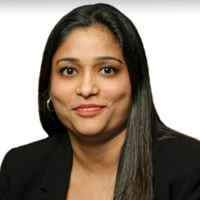
Dr. Vimla Aggarwal is the Director of Diagnostic Genomics at the Columbia University Medical Center Institute for Genomic Medicine. She received her medical degree from the University of Mumbai.
Read More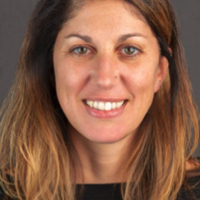
Amanda Bergner, MS, CGC, is the Program Director of the Genetic Counseling Graduate Program at Columbia University. She has 19 years of experience in clinical care, education, and industry work.
Read More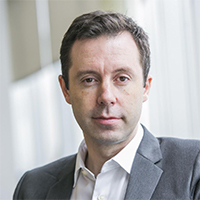
Olivier Elemento, PhD is the Director of the Weill Cornell Medicine Englander Institute for Precision Medicine, an institute that focuses on using genomics and informatics to make medicine more individualized.
Read More
Jessica Giordano is a genetic counselor with 11 years of prenatal genetic counseling experience. She is currently working at Columbia’s Division of MFM and Institute of Genomic Medicine.
Read More
Dr. Ruth Gotian is the inaugural Assistant Dean of Mentoring and Executive Director of the newly launched Mentoring Academy at Weill Cornell Medicine, and the Chief Learning Officer in Anesthesiology.
Read More
Anya Revah-Politi, MS, CGC, is a genetic counselor at the Columbia University Medical Center Institute for Genomic Medicine at Columbia University Medical Center.
Read More
Dr. Stephen Ross researches the therapeutic application of psychedelic treatment models to treat psychiatric and addictive disorders. He is an expert in psycho-oncology and is studying novel pharmacologic-psychosocial approaches to treating psychological and existential distress associated with advanced or terminal cancer.
Read More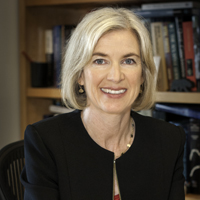
As an internationally renowned professor of Chemistry and Molecular and Cell Biology at U.C. Berkeley, Jennifer Doudna and her colleagues rocked the research world in 2012 by describing a simple way of editing the DNA of any organism using an RNA-guided protein found in bacteria.
Read More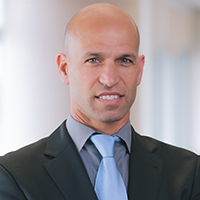
Dr. Omer Mei-Dan is an Orthopedic Sports and Trauma Surgeon. Originally from Israel, he has also trained and practiced medicine in Spain, New Zealand, and Australia, prior to establishing the Hip Preservation Service with the University of Colorado School of Medicine.
Read More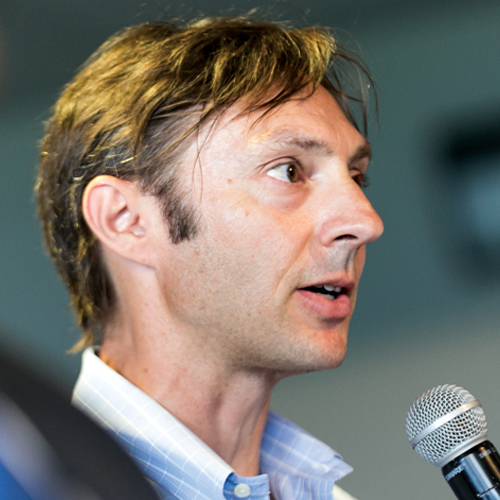
Jens Ludwig is the Edwin A. and Betty L. Bergman Distinguished Service Professor of Public Policy at the University of Chicago, director of the University of Chicago Crime Lab, and an elected member of the National Academy of Medicine.
Read More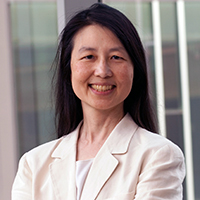
Jeannette M. Wing is Avanessians Director of the Data Science Institute and professor of computer science at Columbia University. Her current interests are in the foundations of security and privacy, with a new focus on trustworthy AI.
Read More
Barbara Natterson.-Horowitz, M.D., is a cardiologist and psychiatrist who turns to the natural world for insights into human health and development. Faculty in Harvard-MIT HST Program, Harvard Department of Human …
Read More
David Julius, PhD, is professor and chair of the Department of Physiology at UC San Francisco and holds the Morris Herzstein Chair in Molecular Biology and Medicine. He is a …
Read More
Ardem Patapoutian, PhD, is professor and chair of the Dorris Neuroscience Center at Scripps Research in La Jolla, CA, and a Howard Hughes Medical Institute investigator. Dr. Patapoutian was awarded …
Read More
Nir Barzilai is the founding director of the Institute for Aging Research, the Nathan Shock Center of Excellence in the Basic Biology of Aging and the Paul F. Glenn Center …
Read More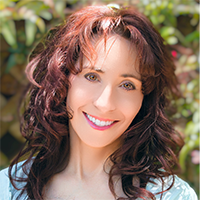
Elissa Epel is a Professor, as well as Vice Chair, of the Department of Psychiatry at University of California, San Francisco. She is a member of the National Academy of …
Read More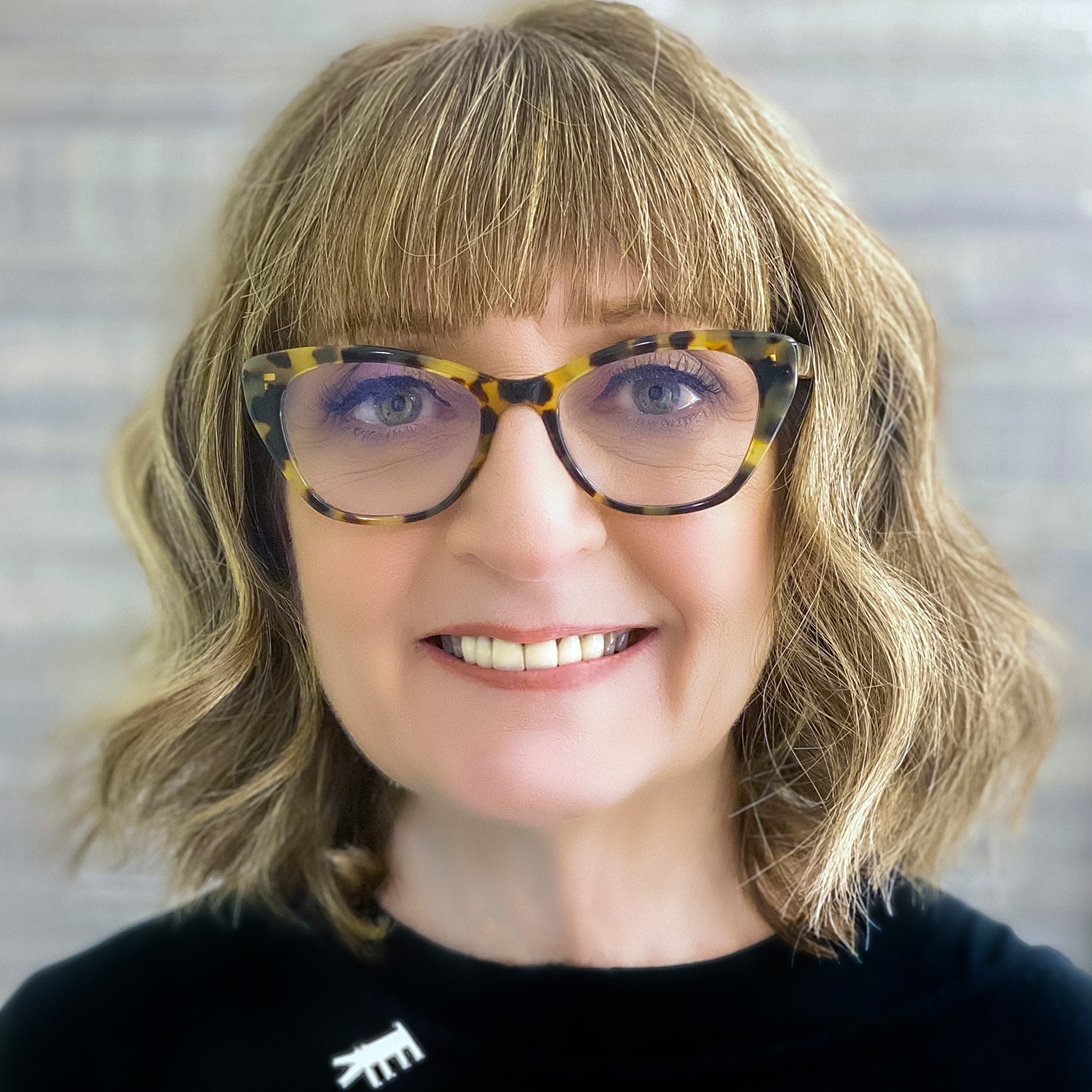
Helen Mayberg is the director of the Center of Advanced Circuit Therapeutics and a professor of neuroscience, neurology, neurosurgery, and psychiatry at the Icahn School of Medicine at the Mount …
Read More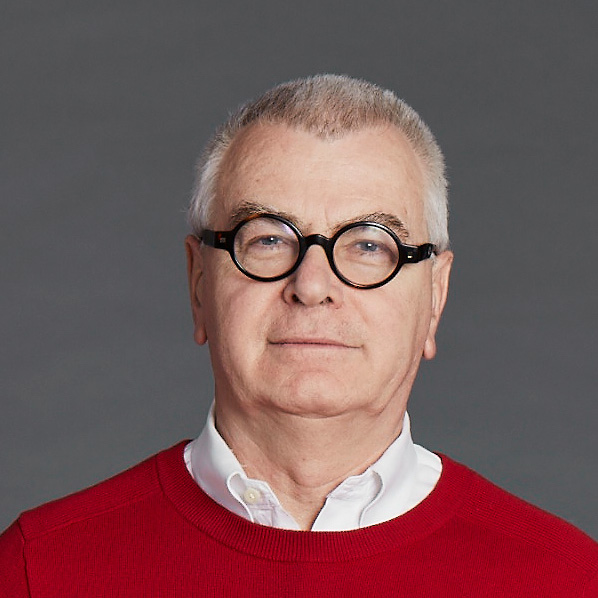
Gyorgy Buzsaki is the Biggs Professor of Neuroscience at the New York University School of Medicine. He is the author of The Brain From Inside Out, in which he proposes …
Read More
Huda Y. Zoghbi is a professor in the Departments of Pediatrics, Molecular and Human Genetics, Neurology and Neuroscience at Baylor College of Medicine. She is also an investigator at the …
Read More
Gül Dölen is an Associate Professor of Neuroscience at the Johns Hopkins University School of Medicine. Her laboratory’s work focuses on how plasticity and neuromodulation govern social behavior and how …
Read More
Antonio Zadra is a professor in the psychology department at the University of Montreal and an investigator at the Center for Advanced Research in Sleep Medicine. Tony’s work explores lucid …
Read More
John Krakauer has pioneered the use of immersive gaming to heal the physical effects of brain damage. He is the John C. Malone Professor of Neurology, Neuroscience, and Physical Medicine …
Read More