


Participants
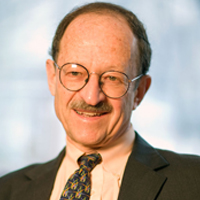
Harold Varmus, M.D., co-recipient of the Nobel Prize for studies of the genetic basis of cancer, joined the Meyer Cancer Center of Weill Cornell Medicine as the Lewis Thomas University Professor of Medicine on April 1, 2015.
Read More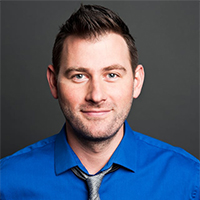
Josh Zepps is a correspondent for Bloomberg TV’s Energy Now, reporting on the future of energy and the environment. His show on Discovery Science Channel, Brink, took an irreverent look at the latest breakthroughs on the brink of changing our lives.
Read More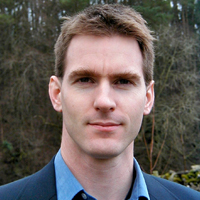
Dominic Johnson received a D.Phil. in evolutionary biology from Oxford University and a Ph.D. in political science from Geneva University.
Read More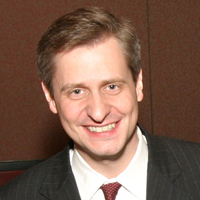
Jon Meacham is the managing editor of Newsweek magazine, a bestselling author, and a commentator on politics, history, and faith in America. His books include Franklin and Winston: An Intimate Portrait of an Epic Friendship and American Gospel: God, the Founding Fathers, and the Making of a Nation.
Read More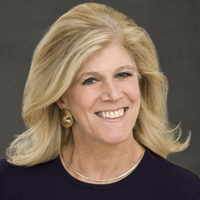
Award-winning broadcaster and author Lynn Sherr spent more than thirty years with ABC News, covering a wide range of stories—from women’s issues and social change to investigative reports, politics and the space program—at 20/20 and World News.
Read More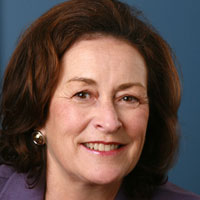
Cristine Russell is an award-winning journalist who has written about science, health, and the environment for more than three decades. She is a senior fellow in the Environment and Natural Resources Program at Harvard Kennedy School’s Belfer Center for Science and International Affairs.
Read More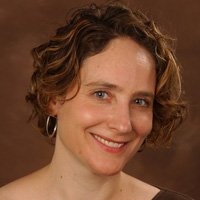
Amber Miller aims to understand the origin and evolution of the universe by studying the cosmic microwave background, the faint glow of light left over from the Big Bang.
Read More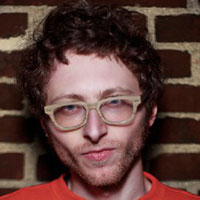
Alex Pasternack is a journalist, filmmaker, and former Princeton-in-Asia fellow in Beijing, and the current editor of Motherboard, a “cutting edgy” science and technology culture site, where he also acts as supervising producer for their award-winning documentary series. He is passionate about the future of cities, and co-founded Weeels, the taxi-sharing app suite, and Starlab, the social transit research lab.
Read More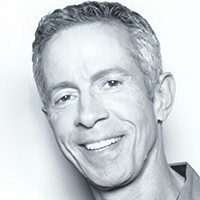
Peter Staley has been a long-term AIDS and gay rights activist, first as a member of ACT UP New York, then as the founding director of TAG, the Treatment Action Group. He served on the board of the American Foundation for AIDS Research (amfAR) for 13 years.
Read More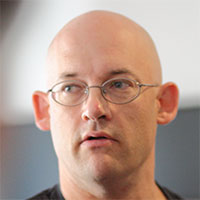
Clay Shirky is a leading voice on the social and economic impact of Internet technologies. Considered one of the finest thinkers on the Internet revolution, Shirky provides an insightful and optimistic view of networks, social software, and technology’s effects on society.
Read More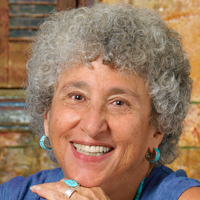
Marion Nestle is the Paulette Goddard Professor of Nutrition, Food Studies, and Public Health at NYU. She holds a doctorate in molecular biology. Her books, Food Politics and What to Eat won James Beard Awards; Why Calories Count won the 2013 IACP food matters book award.
Read More
Catherine Crier earned her B.A. in political science and international affairs from the University of Texas and her Juris Doctor from Southern Methodist University School of Law. In 1984, she was elected to the 162nd District Court in Dallas County, Texas as a State District Judge. During her tenure on the bench, Crier also served as Administrative Judge for the Civil District Courts.
Read More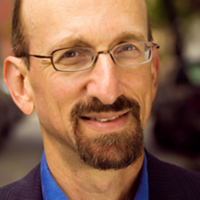
Brian Lehrer is host of the Peabody Award–winning program The Brian Lehrer Show on WNYC New York Public Radio, 93.9 FM, AM 820, and wnyc.org. From scientists to heads of state, Lehrer hosts major thinkers and major newsmakers and involves the audience through phone calls and social media.
Read More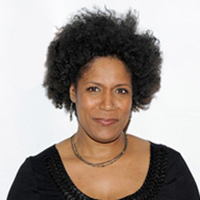
Nancy Giles has been a contributor to CBS Sunday Morning since 2003, voicing her opinions on everything from politics and race to pop culture and the conspiracy of high heels. As an actress, she was in the ensemble cast of ABC-TV’s Emmy Award-winning series China Beach.
Read More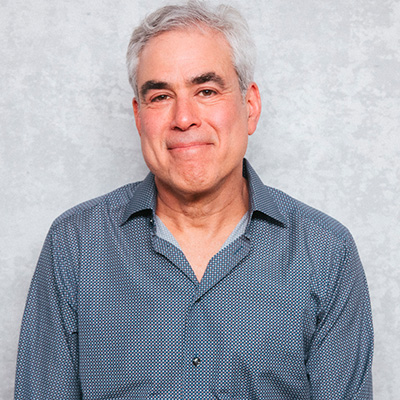
Jonathan Haidt is a Social Psychologist at New York University’s Stern School of Business. He received his Ph.D. from the University of Pennsylvania. Haidt’s research examines the intuitive foundations of morality, and how morality varies across cultural and political divides.
Read More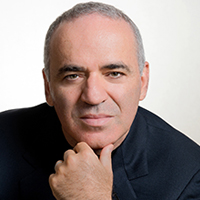
Garry Kasparov is widely regarded as the greatest chessplayer in history, becoming the youngest world champion ever at 22 in 1985. His matches against the IBM supercomputer Deep Blue were a landmark for AI, making headlines around the world.
Read More