

Participants
Michael Russell’s research into the emergence of life and early evolution will help determine whether earth alone supports life in our universe. Russell was awarded the William Smith Medal from the Geological Society of London.
Read More
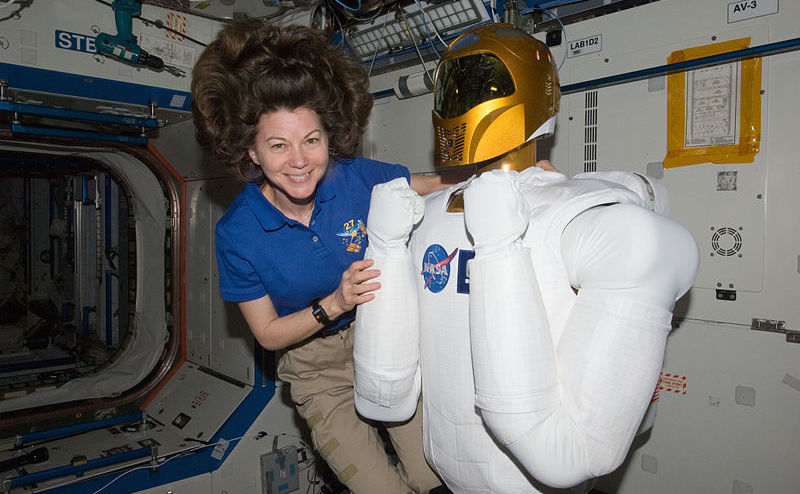
A former wide receiver for the Detroit Lions, Leland Melvin is an engineer and NASA astronaut. He served on the space shuttle Atlantis as a mission specialist and was named the NASA Associate Administrator for Education in October 2010.
Read More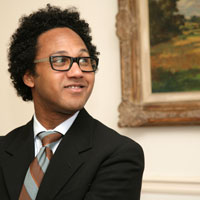
André Fenton is a recognized neuroscientist, biomedical engineer, and entrepreneur. Dr. Fenton is a Professor at the Center for Neural Science at New York University.
Read More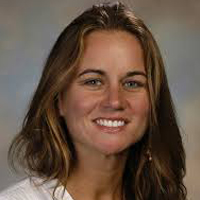
Dr. Kristin Baldwin is an assistant professor in the Department of Cell Biology at the Scripps Research Institute in La Jolla, California. Baldwin’s research harnesses cutting-edge stem cell technology and cloning.
Read More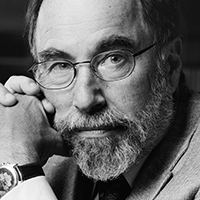
After serving as President of Caltech for nine years, David Baltimore was appointed President Emeritus and the Robert Andrews Millikan Professor of Biology (2006). Baltimore was awarded the Nobel Prize at the age of 37 for research in virology.
Read More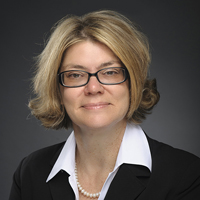
Reijo Pera is a professor and the Director of Human Embryonic Stem Cell Research and Education Center at Stanford University. Her research is aimed at understanding the developmental genetics of human germ cell formation and differentiation.
Read More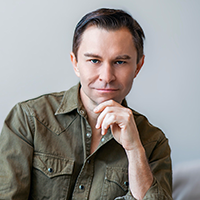
David Sinclair’s research focuses on the search for genes and small molecules capable of slowing the pace of aging in cells and on preventing diseases associated with old age. He is an associate professor of pathology at Harvard Medical School and an associate member of the Harvard-MIT Broad Institute for Bioinformatics.
Read More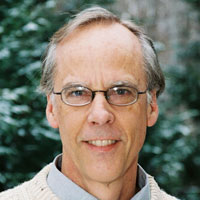
R. Douglas Fields is a developmental neurobiologist and author of The Other Brain, a popular book about the discovery of brain cells (called glia) that communicate without using electricity. He is an authority on neuron-glia interactions, brain development, and the cellular mechanisms of memory.
Read More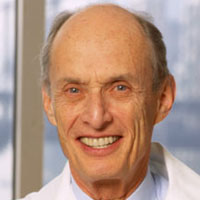
Paul Greengard is the director of the Fisher Center for Alzheimer’s Disease Research at Rockefeller University in New York City.
Read More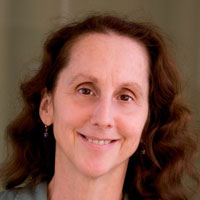
Pamela Bjorkman is the Max Delbrück Professor of Biology and an HHMI investigator at the California Institute of Technology (Caltech) in Pasadena, California. She received a BA degree in Chemistry from the University of Oregon and a Ph.D. degree in biochemistry from Harvard University.
Read More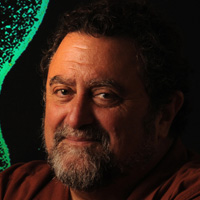
Internationally renowned neurobiologist James Fallon has made major scientific breakthroughs in the basic and clinical brain sciences. He was the first to describe a characterized growth factor in the central nervous system and the first to show how to stimulate the mass production and mobilization of adult stem cells in the adult brain.
Read More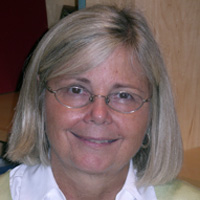
Joan Brugge joined the faculty of the Department of Cell Biology at Harvard Medical School in July 1997 and became the chair of this department in 2004. A graduate of Northwestern University, she received her PhD from the Baylor College of Medicine.
Read More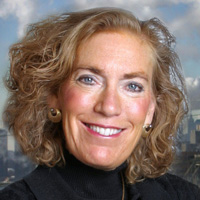
Elaine Fuchs pioneered the field of reverse genetics—studying proteins and learning what they do, and how they do it, in order to identify the genetic disease they cause when they malfunction.
Read More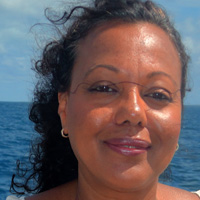
Anya Salih studies the glow-in-the-dark fluorescent proteins that light up coral reefs in a kaleidoscope of colors. She has investigated the diverse biological roles these proteins play, including regulating how much light the corals take in and helping them reduce the stresses associated with climate change, and her work has helped establish the science of fluorescent protein biology as a rapidly growing new discipline.
Read More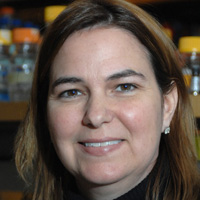
Angela Belcher is the W. M. Keck Professor of Energy at MIT. She combines chemistry, molecular biology and electrical engineering to understand how living things make molecular-scale materials and incorporate their tricks into new organic-inorganic hybrid technologies.
Read More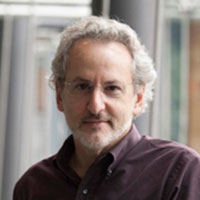
Don Ingber is Founding Director of the Wyss Institute and a leader in the emerging field of biologically inspired engineering. He oversees a multifaceted effort to identify the mechanisms that living organisms use to self assemble and to apply these design principles to develop advanced materials and devices.
Read More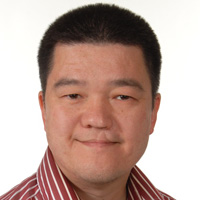
Thorsten Ritz is a biophysicist interested in the role of quantum mechanics in biological systems, ranging from photosynthetic light harvesting systems to sensory cells. He has championed the idea that a quantum mechanical reaction may lie at the heart of the magnetic compass of birds and other animals.
Read More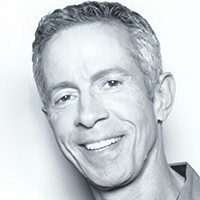
Peter Staley has been a long-term AIDS and gay rights activist, first as a member of ACT UP New York, then as the founding director of TAG, the Treatment Action Group. He served on the board of the American Foundation for AIDS Research (amfAR) for 13 years.
Read More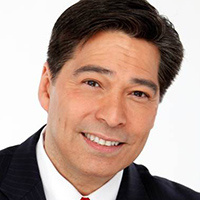
Emmy Award-winning journalist David Novarro is co-anchor of Eyewitness News First on Channel 7 WABC-TV in New York. A native of Manhattan’s Lower East Side and Queens, Novarro started his career with Eyewitness News as a college intern and rose through the ranks to become a reporter.
Read More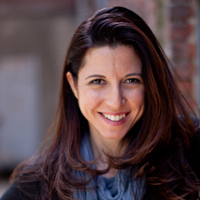
Heather Berlin is a cognitive neuroscientist, assistant professor of Psychiatry at the Icahn School of Medicine at Mount Sinai, and Visiting Scholar at the New York Psychoanalytic Society and Institute.
Read More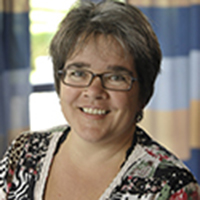
Marie-José Goumans is professor of cardiovascular cell biology at the Leiden University Medical Center (LUMC), and a member of the Royal Academy’s Young Academy. She did her Ph.D. in cardiovascular development at the Hubrecht Laboratory. Still fascinated by the beating heart, she studies cardiac progenitor cells for heart regeneration.
Read More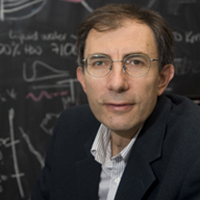
Dimitar Sasselov studies stars and planets at Harvard University, where he is the Phillips Professor of Astronomy. His research explores modes of interaction between light and matter. Sasselov and his team discovered several planets orbiting other stars with novel techniques that he hopes to use to find other planets like Earth.
Read More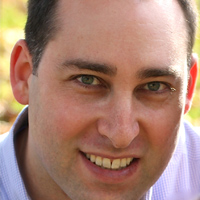
Farren Isaacs is assistant professor of Molecular, Cellular and Developmental Biology and Systems Biology at Yale University. He pioneered the development of synthetic RNA molecules capable of probing and programming cellular function.
Read More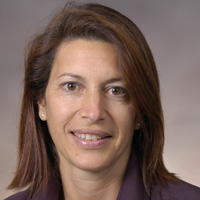
Paula Amato is an associate professor of obstetrics and gynecology at the Oregon Health and Science University who specializes in reproductive endocrinology and infertility. Some of her research explores the ways to reprogram aged, differentiated cells into pluripotent cells that can give rise to any cell type.
Read More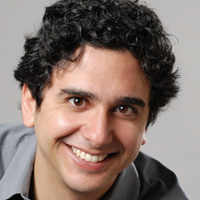
Michel Maharbiz is one of the inventors of neural dust, a low-power solution for chronic brain-machine interfaces and untethered neural recording. He also developed the world’s first remotely radio-controlled cyborg insects (beetles).
Read More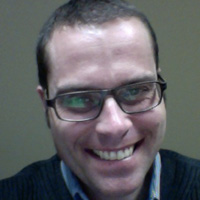
Jared Lamenzo is the founder of Mediated Spaces, Inc., an award-winning development lab that uses mobile technology to spur citizen science. He also founded the WildLab, a program that facilitates data collection about the environment and enhances STEM education.
Read More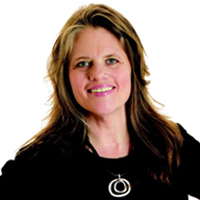
Deborah Heiligman is the author of 30 books for children and teens, many of them nonfiction, including Charles and Emma: The Darwins’ Leap of Faith, a National Book Award Finalist, Printz Honor, and YALSA Excellence in Nonfiction Award winner.
Read More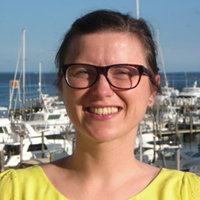
Alexandra Zidovska is an assistant professor of physics at the Center for Soft Matter Research in the Physics Department at New York University. She received her Ph.D.from the University of California, Santa Barbara after she completed her undergraduate studies and M.Sc. at the Technical University of Munich, Germany.
Read More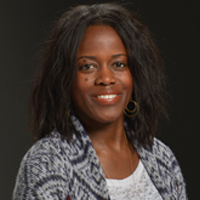
Mandë Holford is as an Associate Professor in Chemistry at Hunter College and CUNY-Graduate Center, with scientific appointments at the American Museum of Natural History and Weill Cornell Medical College.
Read More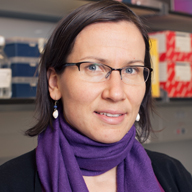
Christine Vogel originally trained as a biochemist in Germany, but moved to Cambridge, England, to obtain her PhD in computational and structural biology with Dr. Cyrus Chothia and Dr. Sarah Teichmann at the MRC Laboratory for Molecular Biology.
Read More
France A. Córdova is an astrophysicist and the 14th director of the National Science Foundation (NSF), the only government agency charged with advancing all fields of scientific discovery, technological innovation, and science, technology, engineering and mathematics (STEM) education.
Read More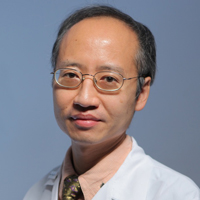
Stephen Tsang is the László Bitó Associate Professor in Ophthalmology, Pathology & Cell Biology at Columbia University and an attending ophthalmologist at New York-Presbyterian Hospital. He has been culturing embryonic stem (ES) cells since 1992.
Read More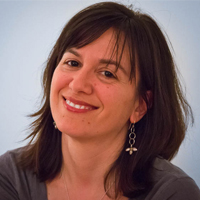
Amy Harmon covers the social implications of science and technology for The New York Times. She has won two Pulitzer Prizes, one in 2008 for her series, The DNA Age, the other as part of a team in 2001 for a series on race relations in America.
Read More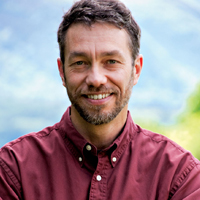
Gregory E. Kaebnick is a scholar at The Hastings Center and editor of the Hastings Center Report. He is the author of Humans in Nature: The World as We Find It and the World as We Create It, he has testified before Congress on ethical issues concerning the use of new genetic technologies, and he served on a National Research Council.
Read More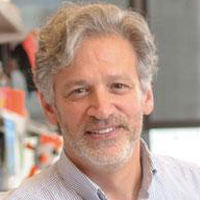
Robert Benezra received his PhD at Columbia University before becoming a postdoctoral fellow at the Fred Hutchinson Cancer Center. There Dr. Benezra identified the Id proteins that are naturally occurring antagonists of other proteins that stimulate development and the cessation of cell growth in a variety of tissue types.
Read More
Doris A. Taylor, Ph.D., FACC, FAHA is the Director, Regenerative Medicine Research, and Director, Center for Cell and Organ Biotechnology at the Texas Heart Institute in Houston.
Read More
Dany Spencer Adams explores how ions moving among cells act as signals during regeneration, development, and cancer. She has uncovered evidence that bioelectric signals can trigger and regulate diverse complex processes that include gene expression changes.
Read More
Henry T. (Hank) Greely is the Deane F. and Kate Edelman Johnson Professor of Law and Professor, by courtesy, of Genetics at Stanford University. Greely graduated from Stanford and Yale Law School. He was a law clerk for Judge John Minor Wisdom on the Fifth Circuit and Justice Potter Stewart on the Supreme Court.
Read More
James L. Kirkland, M.D., Ph.D. is the Director of the Robert and Arlene Kogod Center on Aging at Mayo Clinic and Noaber Foundation Professor of Aging Research. He is a Board-certified specialist in internal medicine, geriatrics, and endocrinology and metabolism.
Read More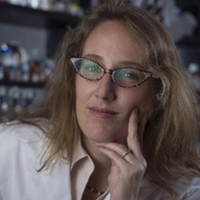
Virginia W. Cornish graduated summa cum laude from Columbia University with a B.A. in Biochemistry in 1991, where she did undergraduate research with Professor Ronald Breslow. She earned her Ph.D. in Chemistry with Professor Peter Schultz at the University of California at Berkeley and then was a Postdoctoral Fellow in the Biology Department at M.I.T. under the guidance of Professor Robert Sauer.
Read More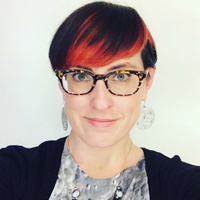
Summer Ash is the Director of Outreach for Columbia University’s Department of Astronomy. Ash is also a freelance science writer and communicator. Her work has been published in The Atlantic, Smithsonian, Now.Space, Scientific American, Slate, and Nautilus.
Read More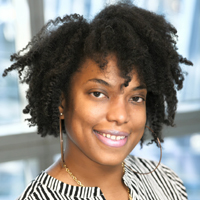
Mellanie Garner is a regulatory scientist in the Regulatory Operations/Raw Ingredients group in Research and Development at Avon Products, Inc. In her time at Avon she was responsible for global regulations on new raw ingredients for consumer products, including color; skincare; and hair care products.
Read More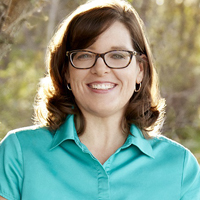
Jennifer Swanson is the award-winning author of over 35 nonfiction books for children. Swanson’s passion for science resonates in all her books. She is the creator of the STEM Tuesday blog and the President and Founder of KidLiteracy, Inc., a literacy nonprofit.
Read More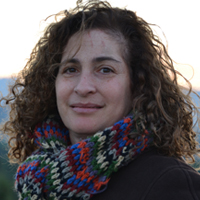
Helaine Becker is the bestselling author of 80+ books for children and young adults, including the “enduring Canadian Christmas classic,” A Porcupine in a Pine Tree, and the giggle-inducing Ode to Underwear. Becker’s award-winning STEM-related nonfiction includes Counting on Katherine: How Katherine Johnson Saved Apollo 13, Monster Science and Lines, Bars and Circles: How William Playfair Invented Graphs.
Read More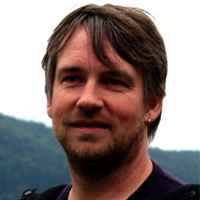
Dave Jackson is a Professor of Plant Genetics at Cold Spring Harbor Laboratory, NY, USA. His lab finds and studies the genes that control plant growth and architecture. They have discovered genes that control stem cell proliferation.
Read More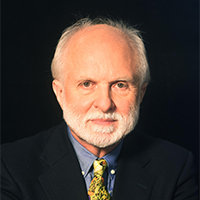
Jim Hudspeth conducts research on hair cells, the sensory receptors of the inner ear. He and his colleagues are especially interested in the active process that sensitizes the ear, sharpens its frequency selectivity, and broadens its dynamic range. They also investigate the replacement of hair cells as a potential therapy for hearing loss.
Read More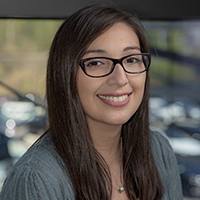
Gloria P. Huang is a research scientist in the New Technology group in Research and Development at Avon Products, Inc. She works to develop innovations for skin care and color cosmetics by combining her love of research and collaboration to help uncover ways to delight consumers around the world.
Read More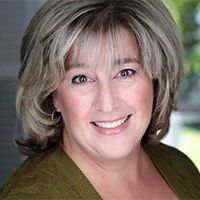
Ruth Spiro is the author of the Baby Loves Science board book series, published by Charlesbridge. Titles include Baby Loves Aerospace Engineering, Baby Loves Coding, and Baby Loves Green Energy. She hopes her books inspire kids to observe the world, ask questions, and when it comes to their futures, dream big!
Read More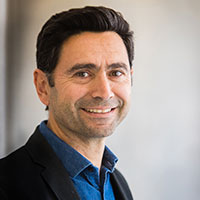
Ardem Patapoutian, PhD, is professor and chair of the Dorris Neuroscience Center at Scripps Research in La Jolla, CA, and a Howard Hughes Medical Institute investigator. Dr. Patapoutian was awarded …
Read More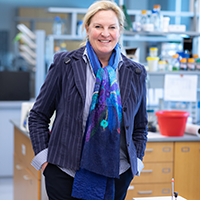
Laura Niedernhofer is Director of the Institute on the Biology of Aging and Metabolism at the University of Minnesota, where she is also a professor of Biochemistry, Molecular Biology and …
Read More
Christopher Walsh is Bullard Professor of Pediatrics and Neurology at Harvard Medical School, Chief of the Division of Genetics and Genomics at Boston Children’s Hospital, and an Investigator of the …
Read More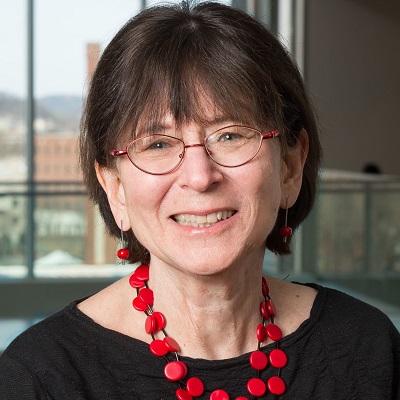
Lenore Blum (PhD, MIT) is Distinguished Career Professor Emerita of Computer Science at Carnegie Mellon University. Lenore’s research, from her early work in model theory and differential algebra has focused …
Read More