Search Icon





“Move fast and break things,” went the Silicon Valley rallying cry, and for a long time, we cheered along. Big Tech, in its infancy, spouted noble goals of bringing us …
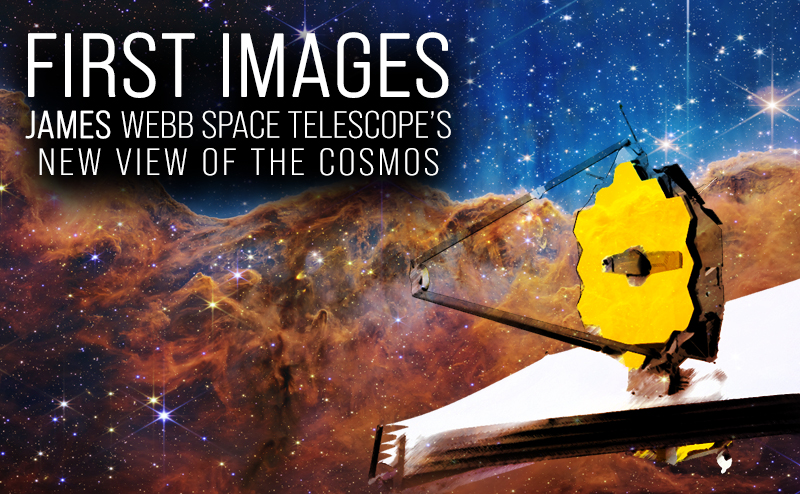
Scientists have waited a generation to see the stunning images that the James Webb Telescope is now delivering. In a live online Q+A, Brian Greene speaks with Nobel Prize-winner John …
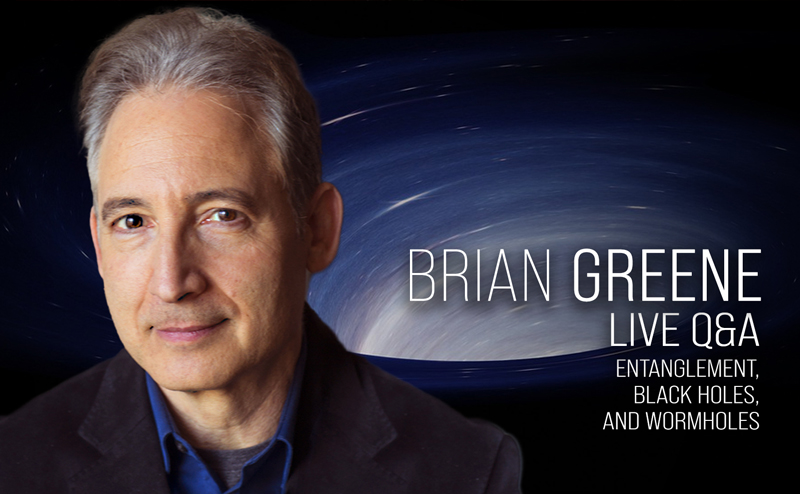
In this year-end wrap up, Brian Greene discusses some of the major advances in science with a focus on breakthroughs in black hole physics and the key roles played by …

Neil Turok joins Brian Greene to describe his new ideas for curing the big bang singularity and providing a natural dark matter candidate, all while avoiding the conventional paradigm of …
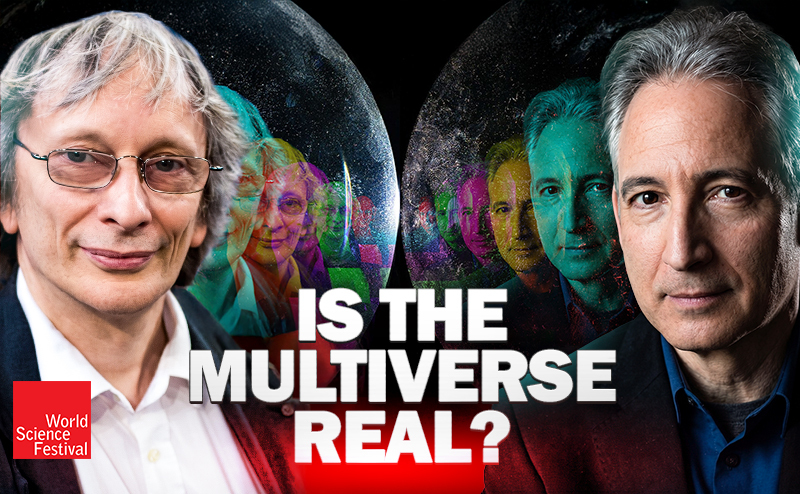
Does quantum mechanics actually imply that every possible outcome of every decision happens somewhere in an expansive reality? And if so, what does that mean for probability, free will, and …

Immanuel Kant, who coined the term genius in the 1700s, defined it as the rare capacity to independently understand concepts that would normally have to be taught by another person. Since then, the spectrum of abilities that we call genius has widened, but pivotal questions remain: What exactly is genius?