Search Icon



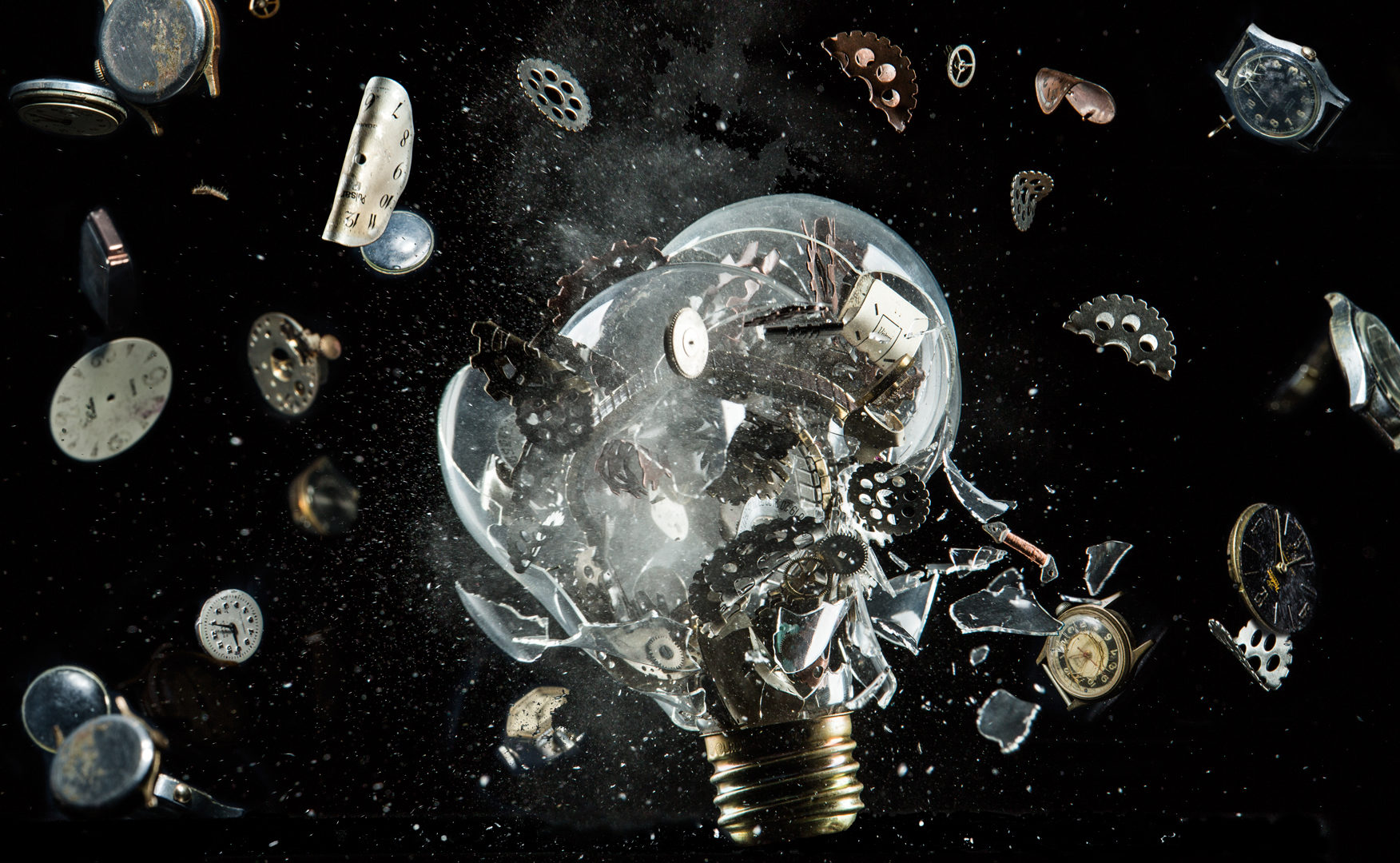
What is time? Isaac Newton described it as absolute, but Einstein proved that time is relative, and, shockingly, that time and space are intricately interwoven. Now recent work in string theory and quantum gravity suggests that space and time may not be fundamental. If this is true, what new picture of reality will emerge?
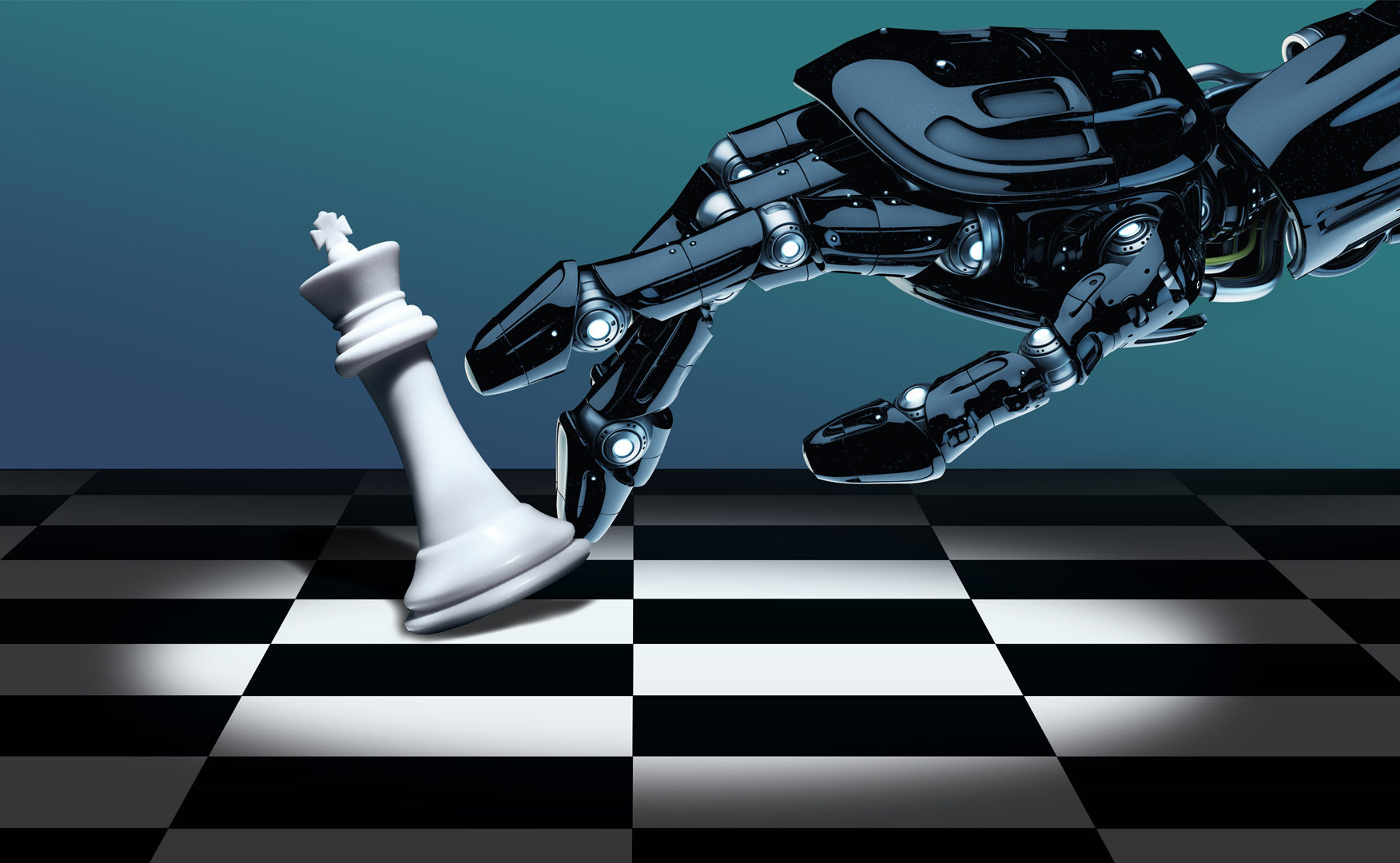
A self-driving car has a split second to decide whether to turn into oncoming traffic or hit a child who has lost control of her bicycle. An autonomous drone needs to decide whether to risk the lives of busload of civilians or lose a long-sought terrorist. How does a machine make an ethical decision?
We have fallen woefully behind in the race to keep up with harmful bacteria as they continually evolve to outsmart our antibiotics, in fact, there are already superbugs we cannot …
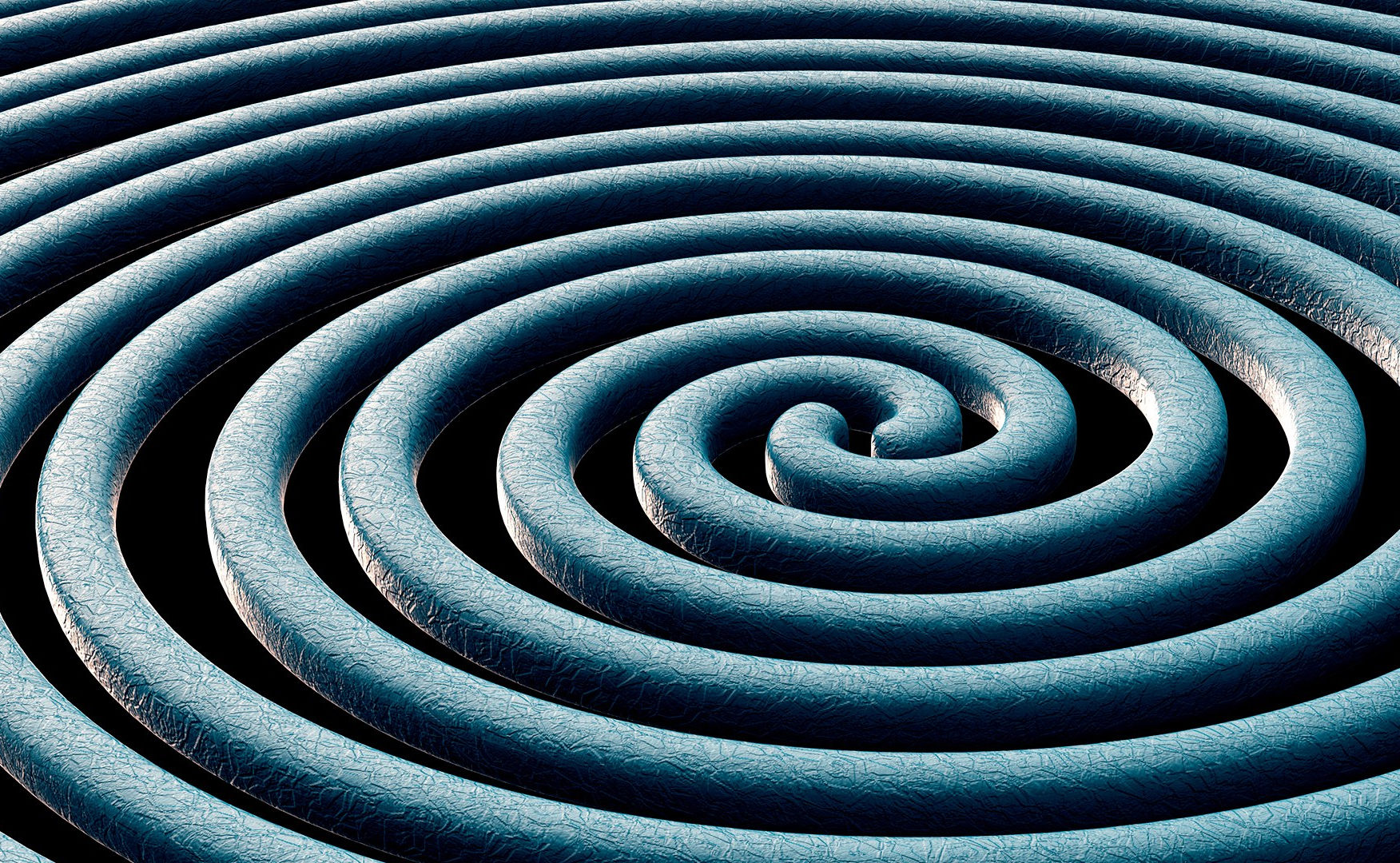
In March 2014, scientists working on the BICEP2 telescope at the South Pole reported an incredible discovery: a swirling pattern in the cosmic background radiation that appeared to indicate the presence of gravitational waves.
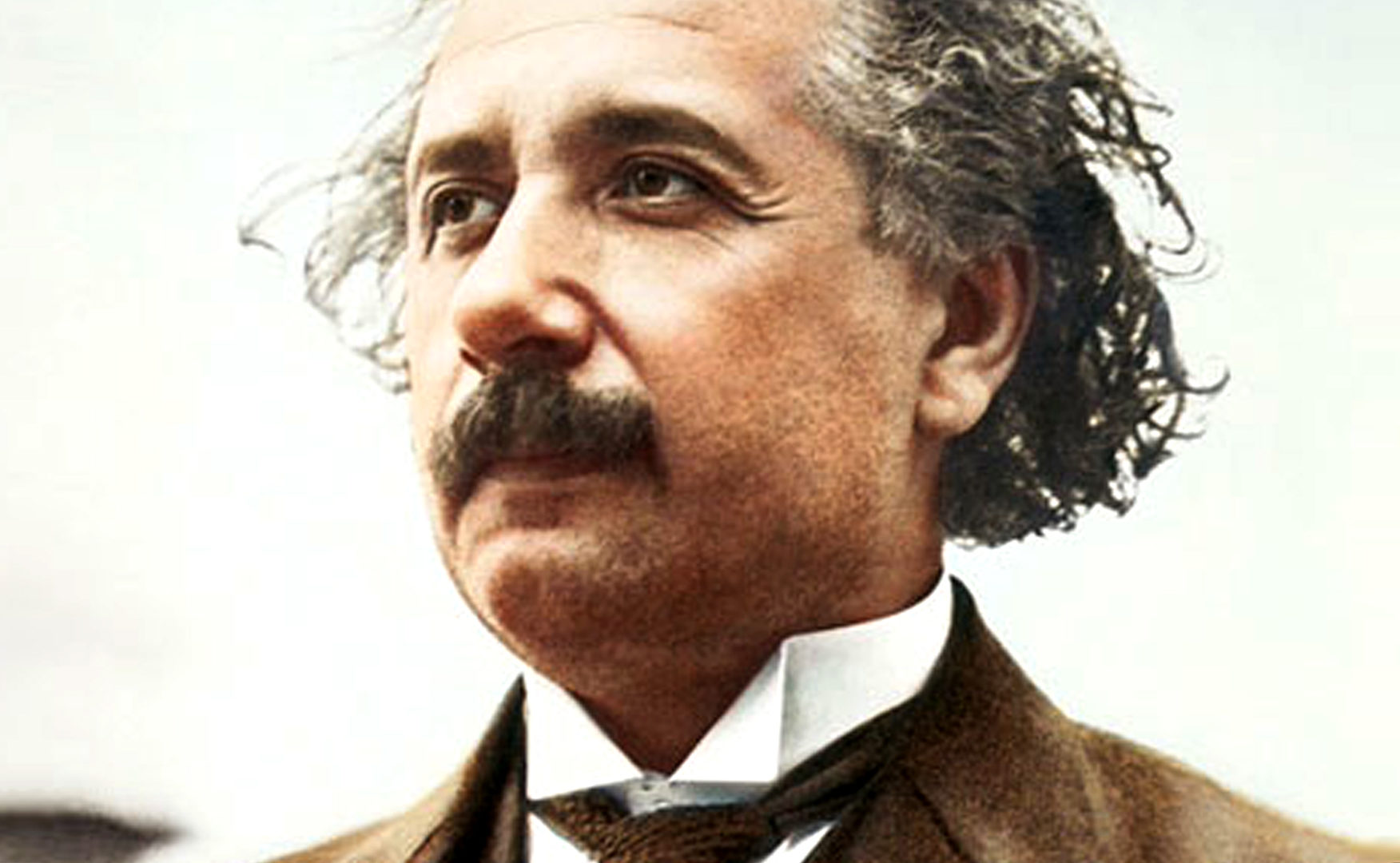
Albert Einstein spent his last thirty years unsuccessfully searching for a ‘unified theory’ — a single master principle to describe everything in the universe, from tiny subatomic particles to immense clusters of galaxies. In the decades since, generations of researchers have continued working toward Einstein’s dream.
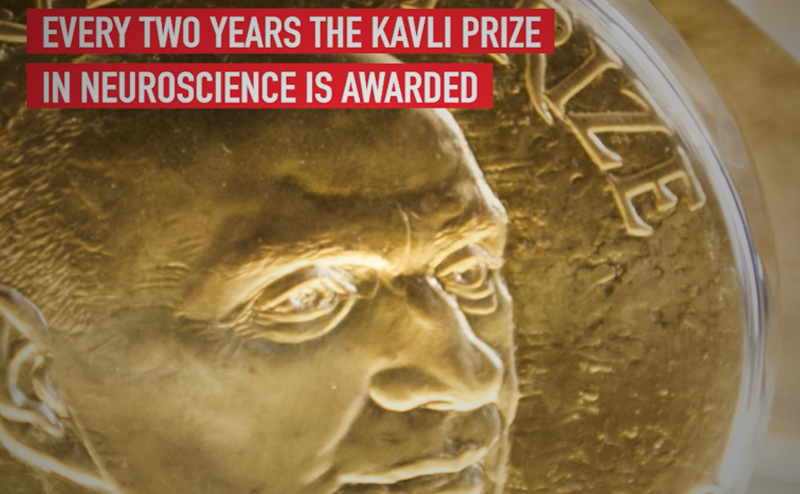
This video is part of our Brilliant Breakthroughs series: our new 20-episode mini-series exploring the “Eureka!” moments and proud accomplishments of the greatest scientific minds of our time. Join us …