Search Icon



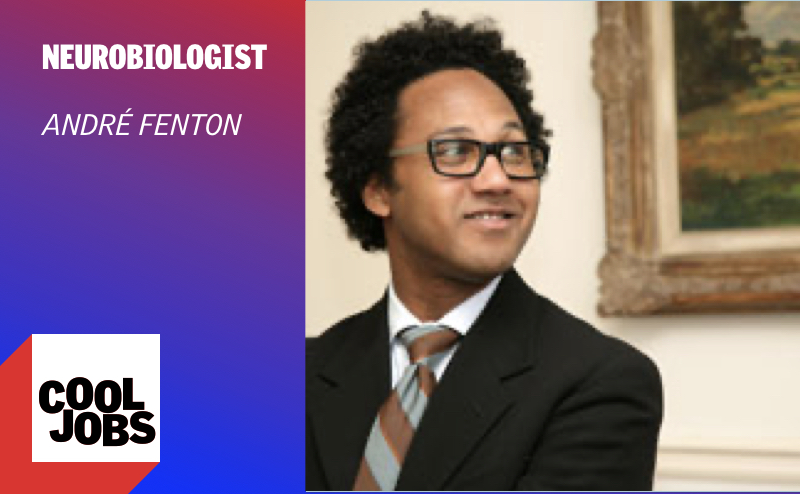
Neuroscientist André Fenton’s fascination with the human brain led him to study how we interpret the world. Check him out as he leads a group of students through interactive games …
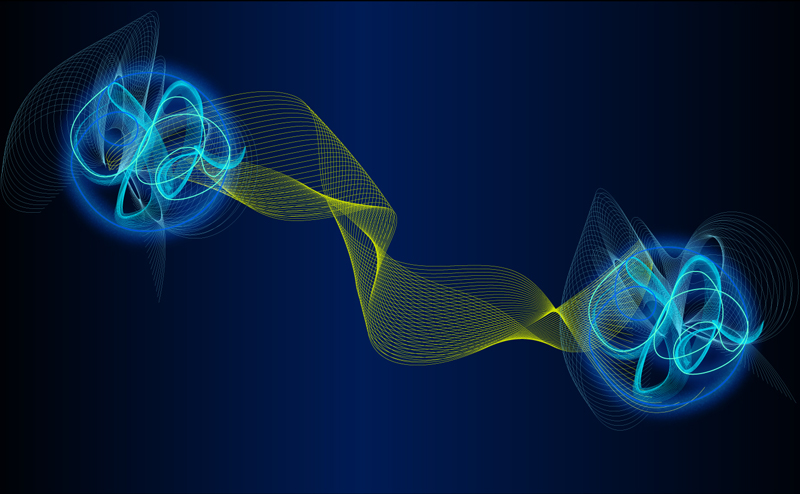
In 1935, Albert Einstein and two colleagues published a landmark paper revealing that quantum mechanics allows widely separated objects to influence one another, even though nothing travels between them. Einstein called it spooky and rejected the idea, arguing instead that it exposed a major deficiency in the quantum theory.

Have you ever spent hours looking for something you just know is there, only to be doubted? In 1987, most astronomers thought there was nothing in the outer solar system, …

The nature of time is an age-old conundrum for physicists, philosophers, biologists and theologians. The Newtonian picture of time—a kind of cosmic clock that ticks off time in a manner that applies identically to everyone and everything—tightly aligns with our experience. But with special and general relativity, Einstein showed the fallacy inherent in experience.
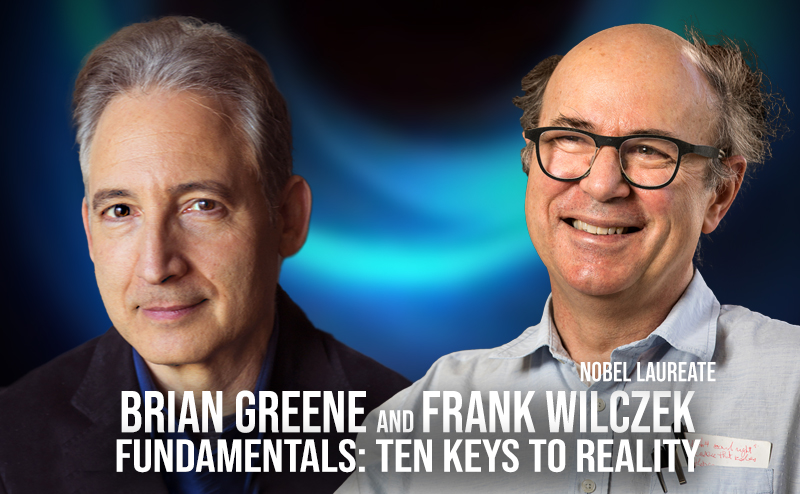
Brian Greene and Nobel Laureate Frank Wilczek discuss quantum mechanics, dark matter, cosmology, consciousness, and Wilczek’s new book, “Fundamentals: Ten Keys to Reality.” This program is part of the Big …
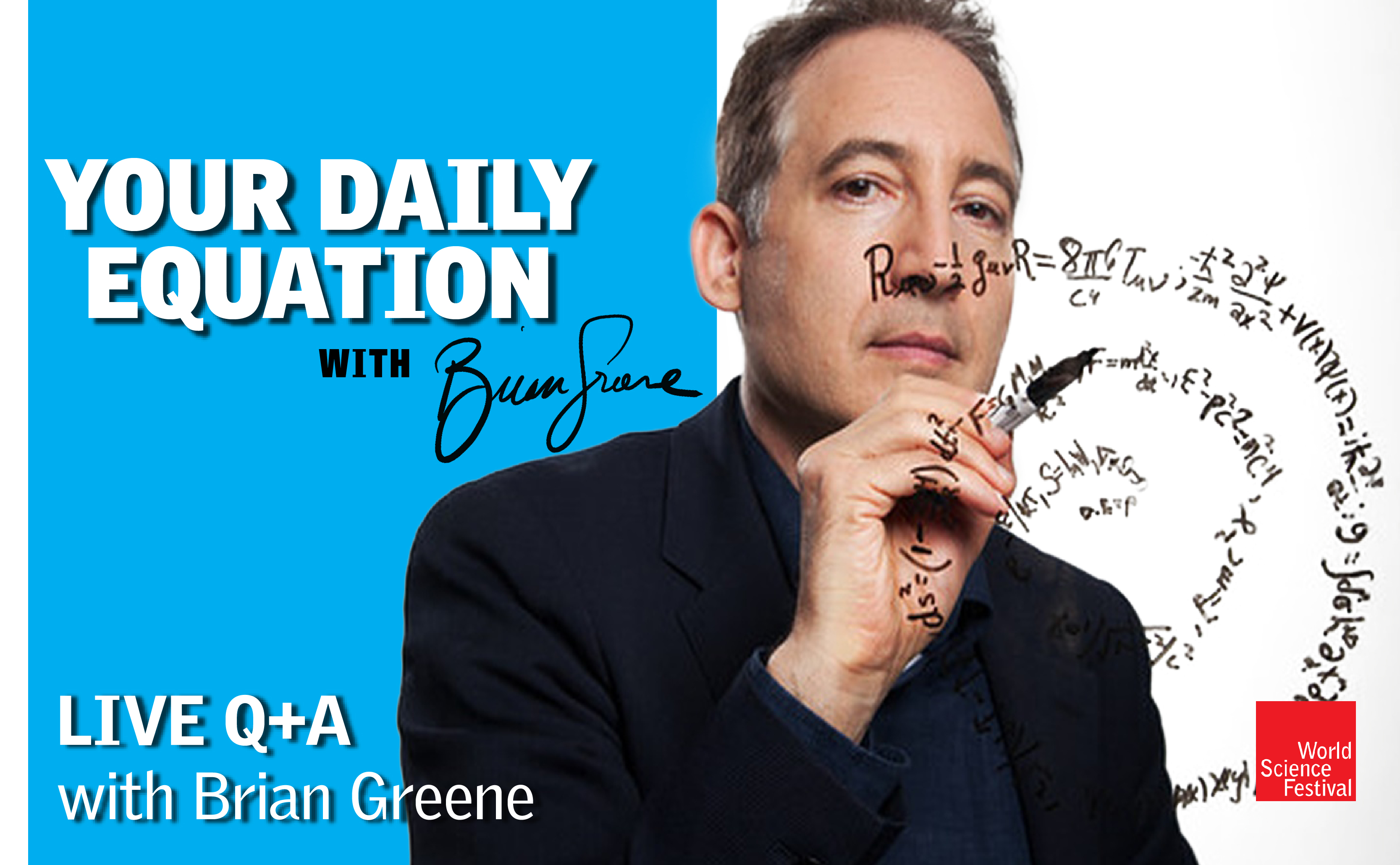
Join us for #YourDailyEquation with Brian Greene. Every Mon – Fri at 3pm EDT, Brian Greene will offer brief and breezy discussions of pivotal equations. Even if your math is a …