Search Icon




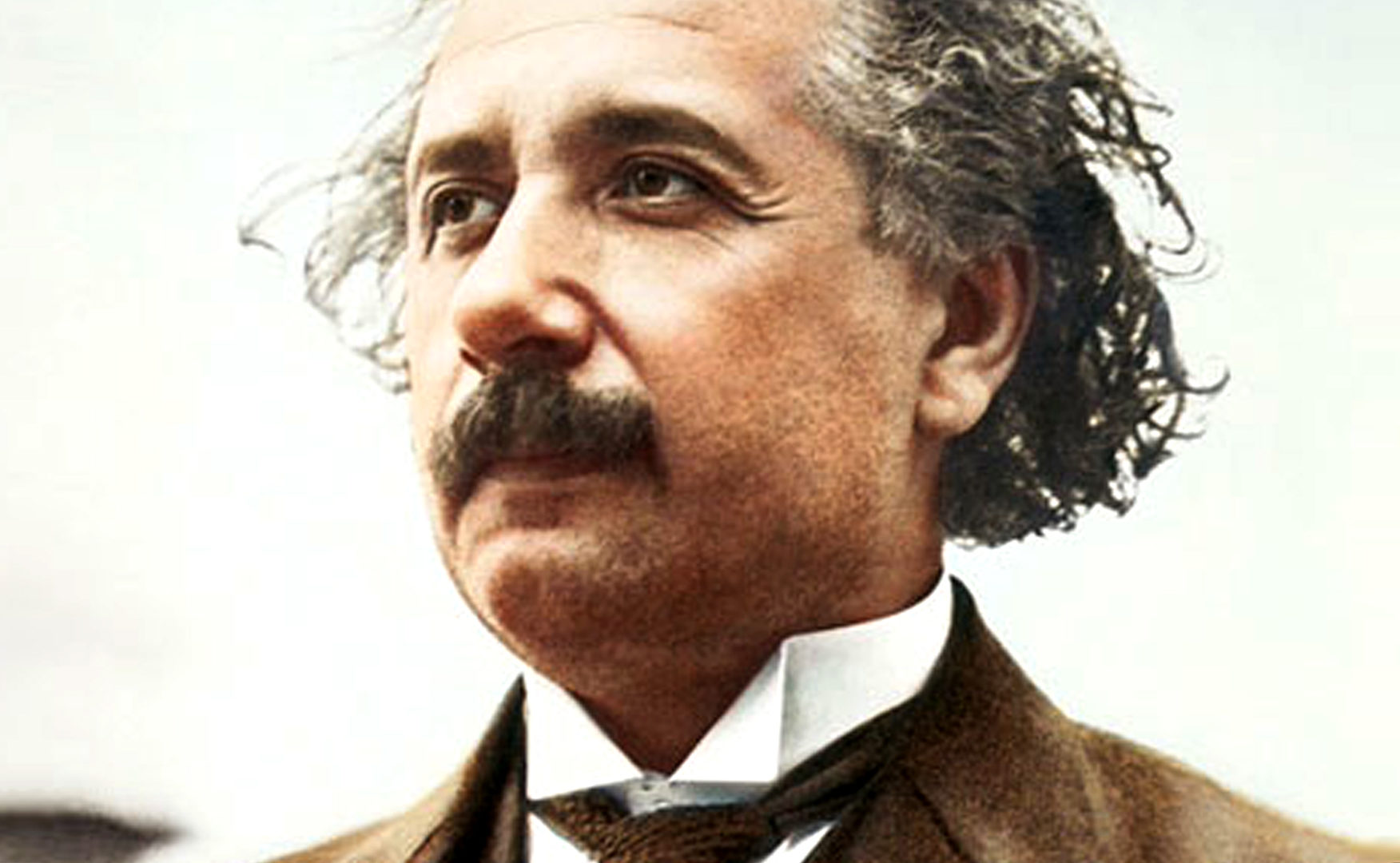
Albert Einstein spent his last thirty years unsuccessfully searching for a ‘unified theory’ — a single master principle to describe everything in the universe, from tiny subatomic particles to immense clusters of galaxies. In the decades since, generations of researchers have continued working toward Einstein’s dream.
This video is part of our Brilliant Breakthroughs series: our new 20-episode mini-series exploring the “Eureka!” moments and proud accomplishments of the greatest scientific minds of our time. Join us …
As long ago as the early 19th century, the poet Keats bemoaned the washing away of the world’s beauty and mystery in the wake of natural philosophy’s reductionist insights—its tendency …
Mathematics has an uncanny ability to describe the physical world. It elegantly explains and predicts features of space, time, matter, energy and gravity. But is this magnificent scientific articulation an …

Prominent clashes — both historical and contemporary — have led to the widely held conclusion that science and religion are fundamentally incompatible. Yet, many scientists practice a traditional faith, having found a way to accommodate both scientific inquiry and religious teaching in their belief system.

Researchers are racing to uncover the implications for the Arctic of rapidly vanishing polar ice – and they’re enlisting help from the very creatures that stand to gain the most from their discoveries: the Narwhal, Bowhead and Beluga whales, three of the most elusive species on Earth.