Search Icon




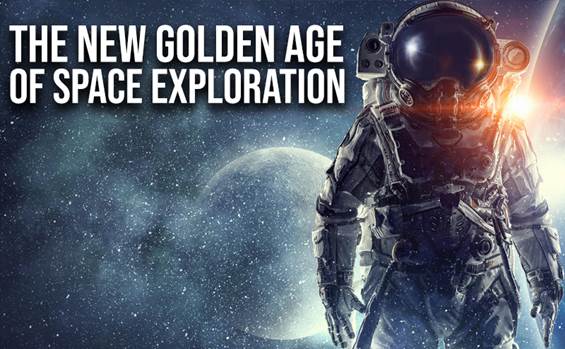
Humans are heading back to the moon…and this time, they have plans to stay. National and international space agencies, and private enterprise, are joining forces with the goal of establishing …

By 2050, one of every four people on Earth will go hungry unless food production more than doubles. Science-based agriculture has proposed unconventional new tools—earthworms, bacteria, and even genes from sunny daffodils—to meet this towering challenge. But will such innovative ideas be enough?
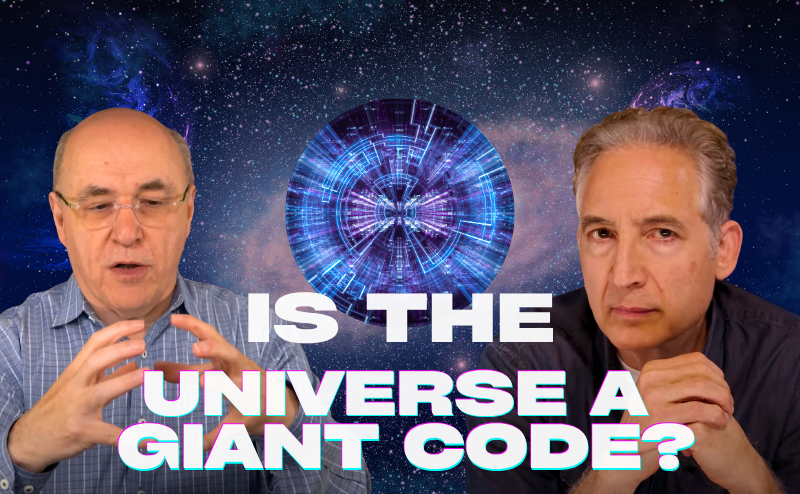
Stephen Wolfram joins Brian Greene to explore the computational basis of space, time, general relativity, quantum mechanics, and reality itself. This program is part of the Big Ideas series, supported …
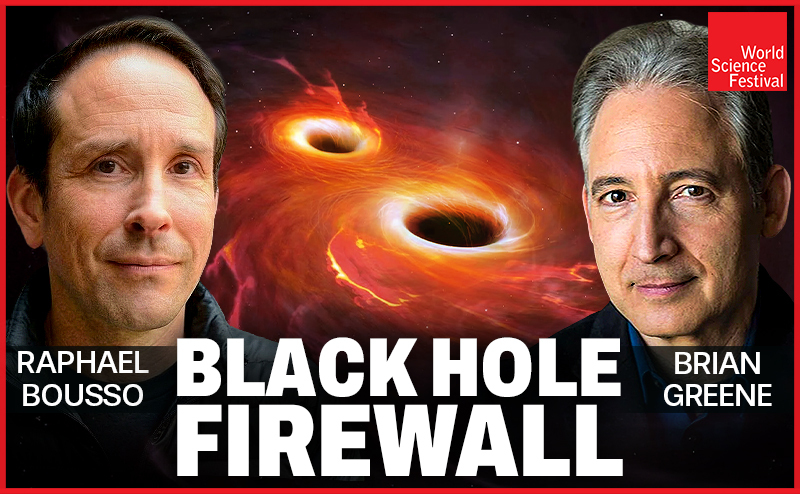
Brian Greene sits down with theoretical physicist Rafael Bousso to explore some of the deepest puzzles in modern physics. Their conversation centers on the black hole information paradox, one of …

Immanuel Kant, who coined the term genius in the 1700s, defined it as the rare capacity to independently understand concepts that would normally have to be taught by another person. Since then, the spectrum of abilities that we call genius has widened, but pivotal questions remain: What exactly is genius?
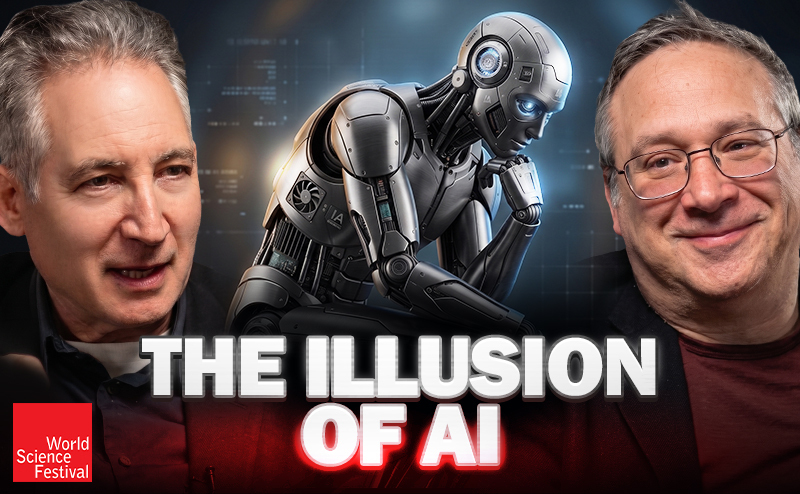
Cognitive scientist, entrepreneur, and bestselling author Gary Marcus joins Brian Greene for a conversation on artificial intelligence, the mind, and the future of humanity in an ever increasing digital world. …