Search Icon




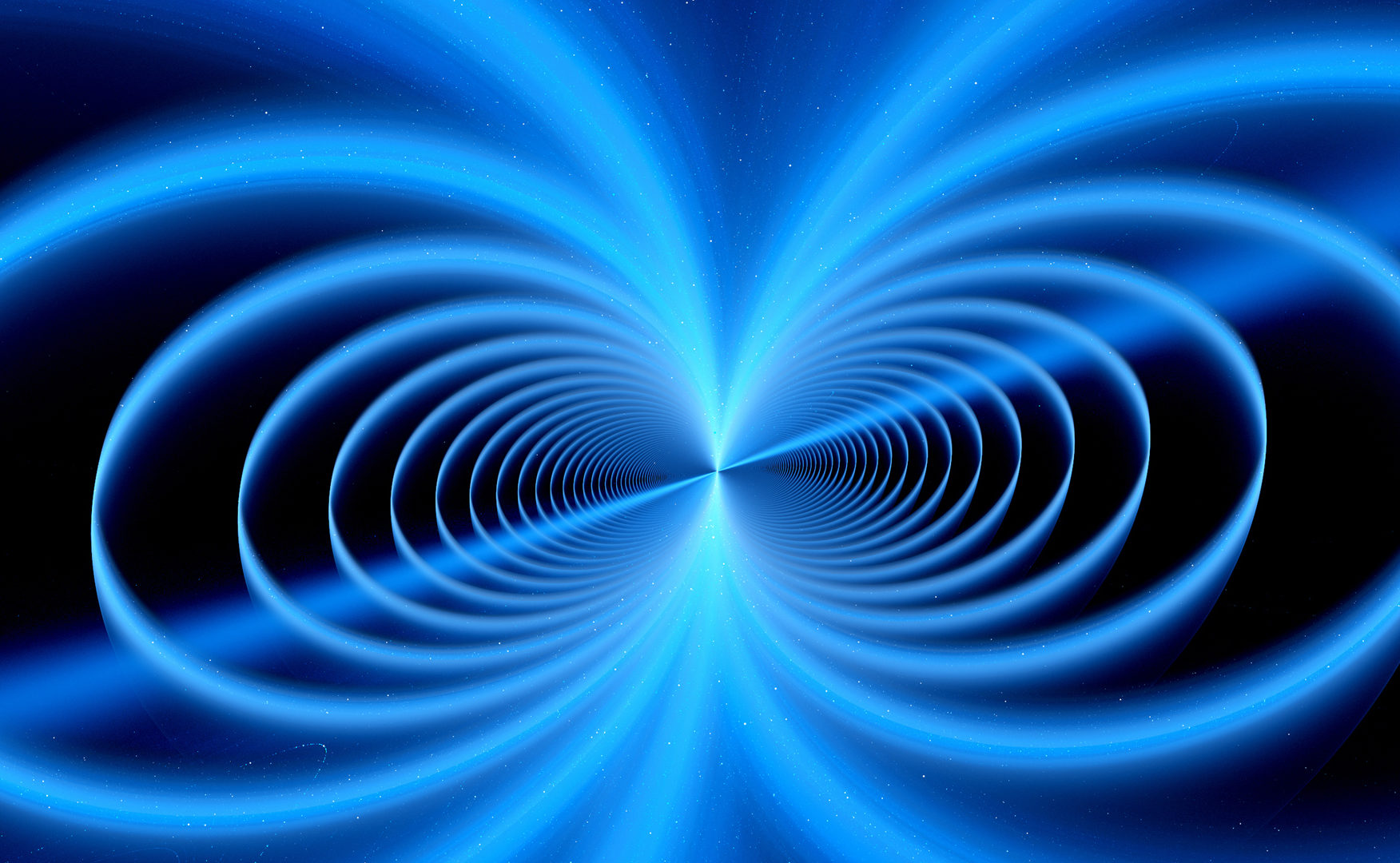
“The infinite! No other question has ever moved so profoundly the spirit of man,” said David Hilbert, one of the most influential mathematicians of the 19th century. A subject extensively studied by philosophers, mathematicians, and more recently, physicists and cosmologists, infinity still stands as an enigma of the intellectual world.

The nature of time is an age-old conundrum for physicists, philosophers, biologists and theologians. The Newtonian picture of time—a kind of cosmic clock that ticks off time in a manner that applies identically to everyone and everything—tightly aligns with our experience. But with special and general relativity, Einstein showed the fallacy inherent in experience.
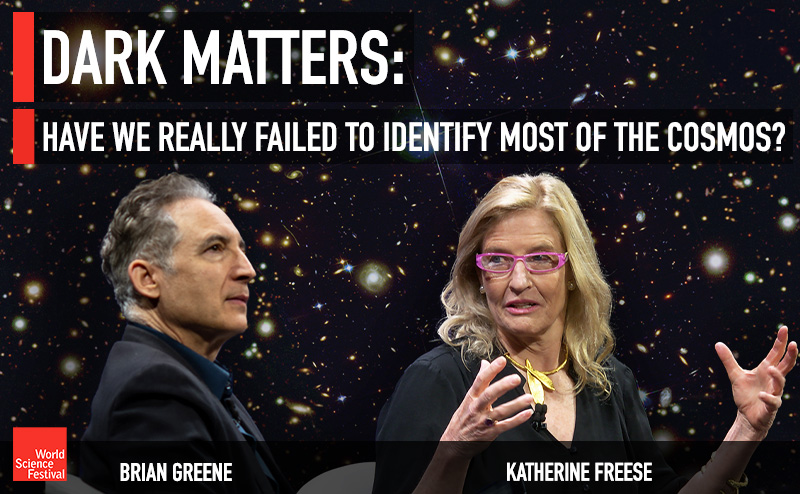
How confident are we that most matter in the universe has so far escaped detection? And if there is dark matter, might there be dark stars and even a dark …
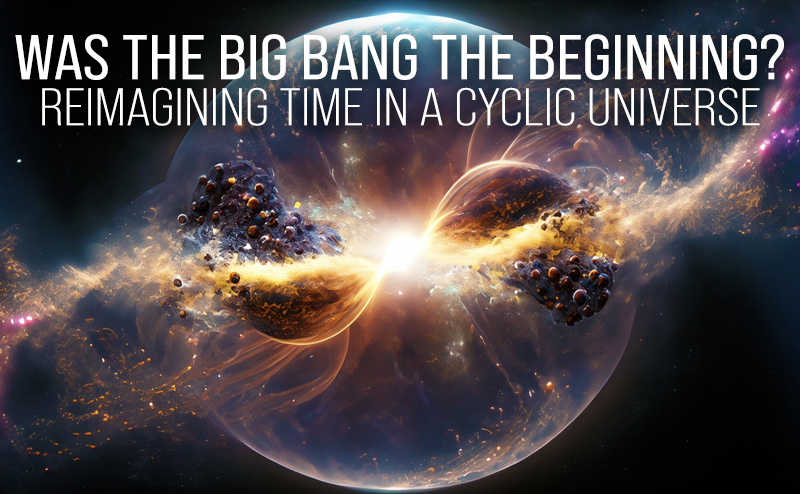
A universe that continually expands has long been the dominant cosmological framework. But a universe that undergoes cycles of expansion and contraction, perhaps for all time, has recently been analyzed …
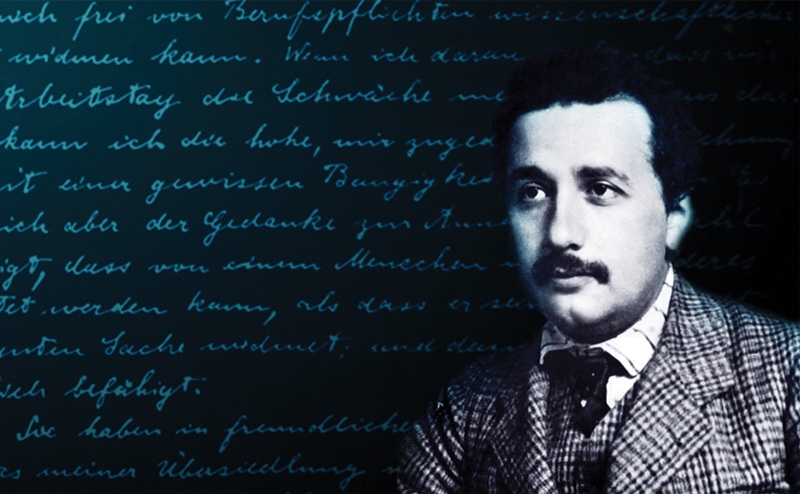
World Science Festival co-founder Brian Greene and seven-time Emmy Award–winner Alan Alda muse on Einstein’s Theory of Relativity in a post-performance discussion after a reading of Alda’s play “Dear Albert.”

What happens when a simple mistake becomes a huge scientific discovery? You end up with a substance 100x stronger than a man of steel!