Search Icon





A compelling narrative is the true heart of science writing, whether it comes in the form of a science fiction classic like Frankenstein or a physicist’s blog posts. But what are the specific ways that writers illuminate and humanize science?

What’s the most complex structure in the known universe? Hint: You’re using it right now to answer to this question. While you keep brainstorming, let’s discuss your cerebral cortex. This …

For all that Darwin contributed to our understanding of the biological world, he was haunted by one vexing question: How does the incremental process of evolution suddenly produce, say, humans—animals who walk upright, communicate through language, and possess the brainpower to travel to the moon?

Rattlesnakes, cobras, alligators, and a huge collection of venomous reptiles come with lots of risks in the daily life of herpetologist and reptile keeper Matt Lanier. Meet some of these …
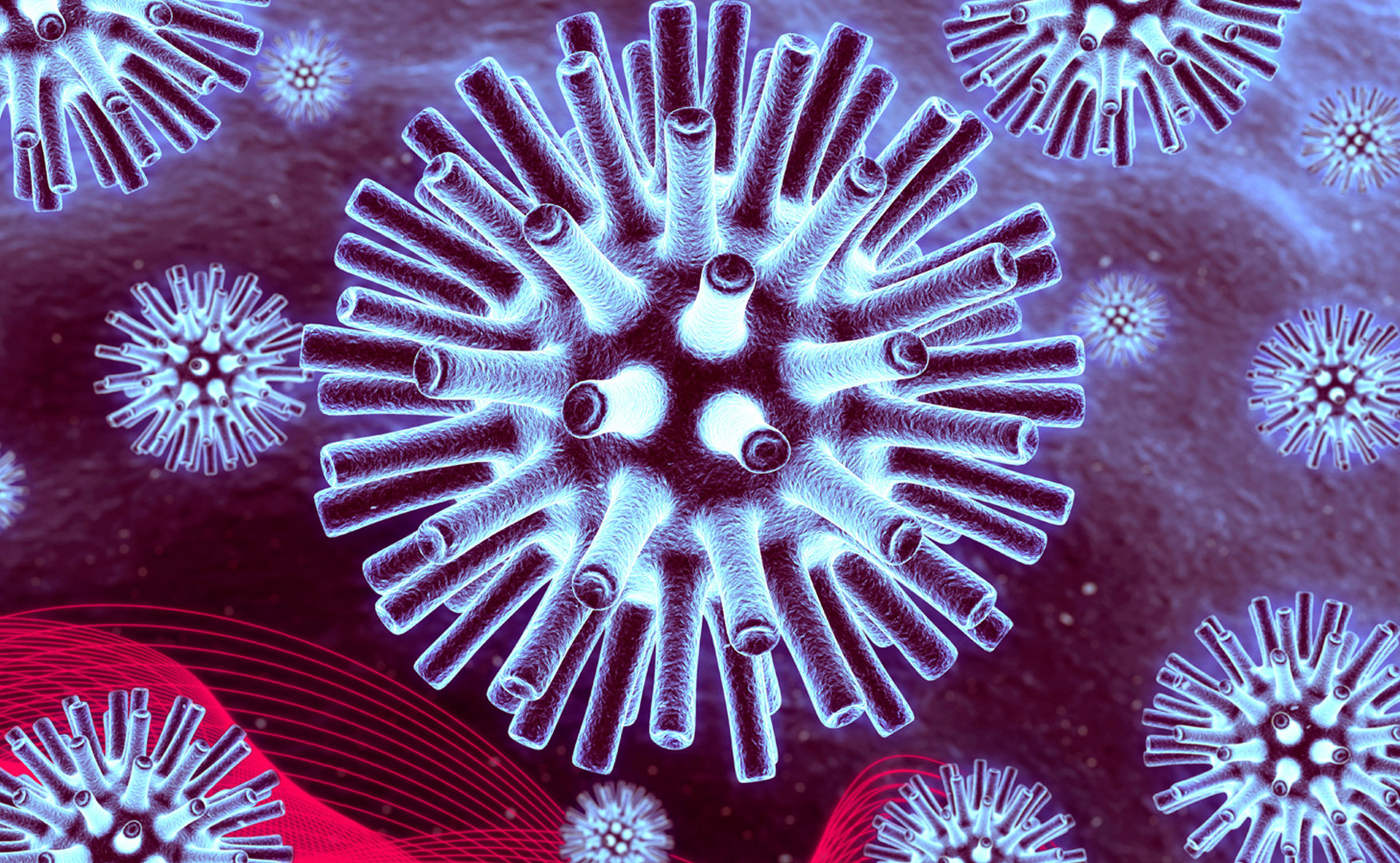
Pills the size of molecules to seek and destroy tumors. Miniscule robots performing surgery inside patients with a precision never before achieved. Nanobots, a billionth of a meter across, fixing mutations in DNA, or repairing neurons in your brain. Such are the possibilities as medicine enters the nano-era.

Using the Shrinky Dinks toy as inspiration, biomedical engineer Michelle Khine invented a way to shrink lab testing materials and equipment, resulting in increased testing speed and reliability while lowering …