Search Icon




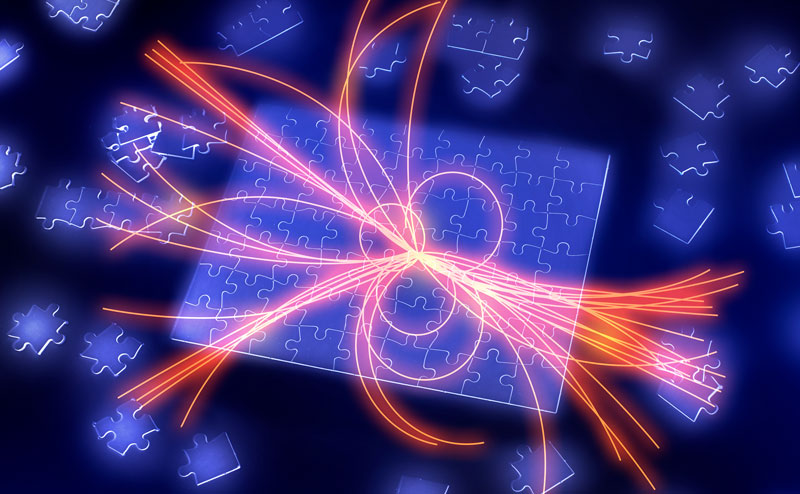
On July 4, 2012 the champagne flowed. The elusive Higgs boson—the fundamental particle that gives mass to all other particles—had been found. After generations of work, the last puzzle piece …
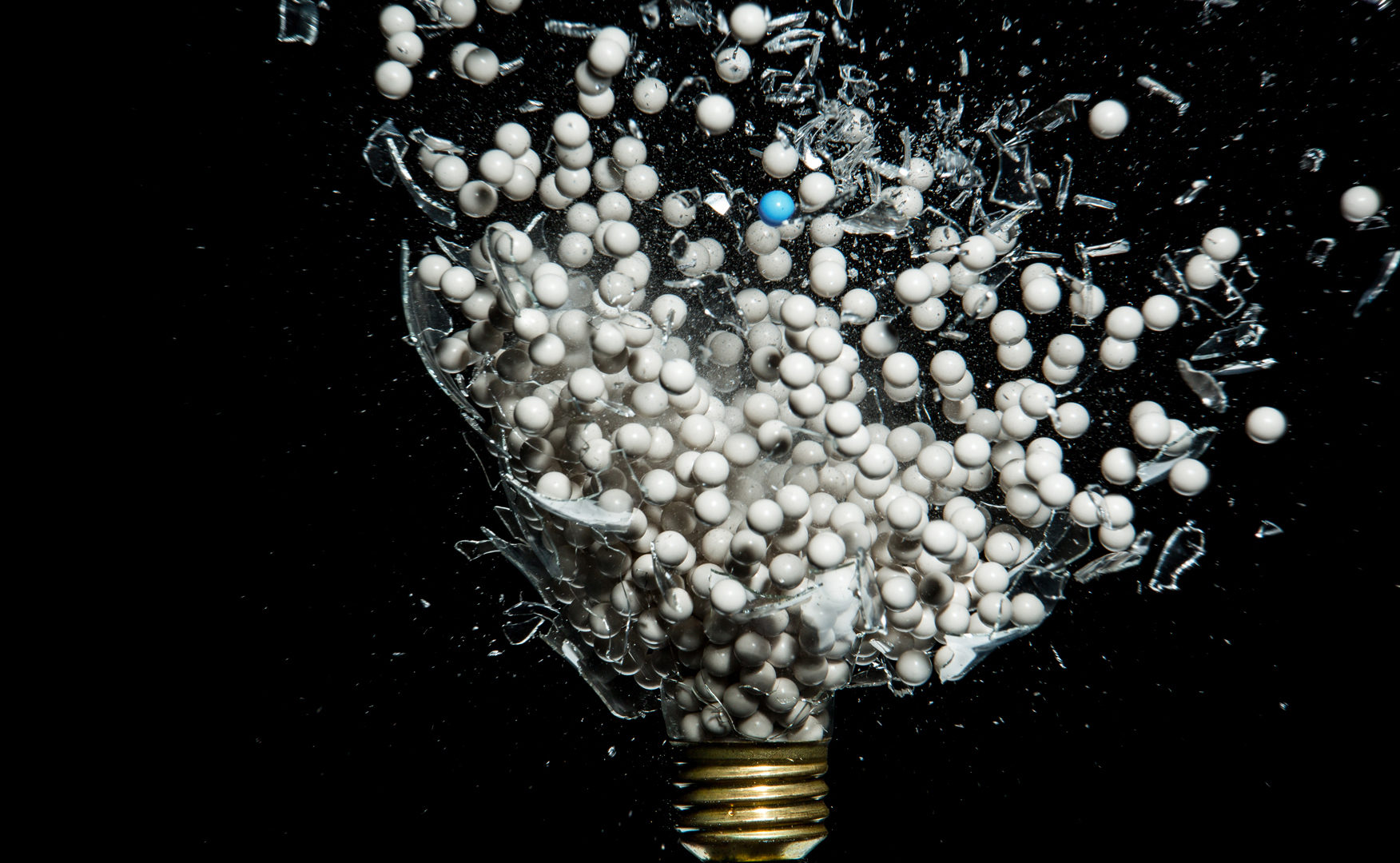
For all that Darwin contributed to our understanding of the biological world, he was haunted by one vexing question: How does the incremental process of evolution suddenly produce, say, humans—animals who walk upright, communicate through language, and possess the brainpower to travel to the moon?
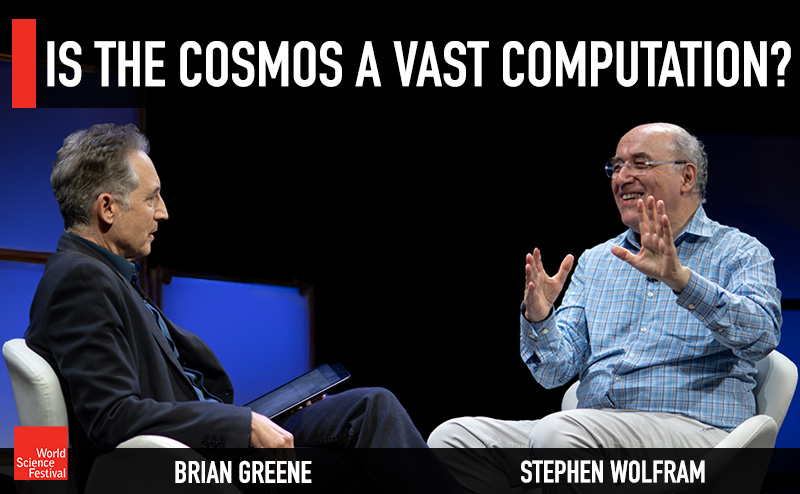
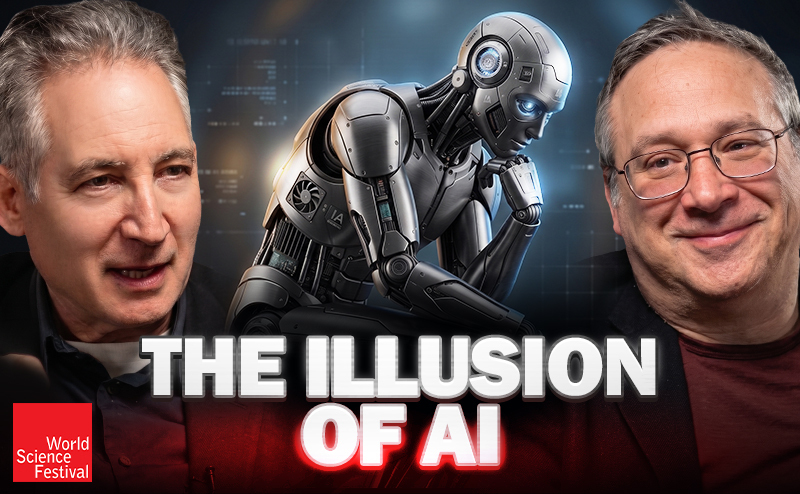
Pioneering computer scientist and physicist Stephen Wolfram joins Brian Greene to discuss the interplay between physical law, computation, and artificial intelligence.
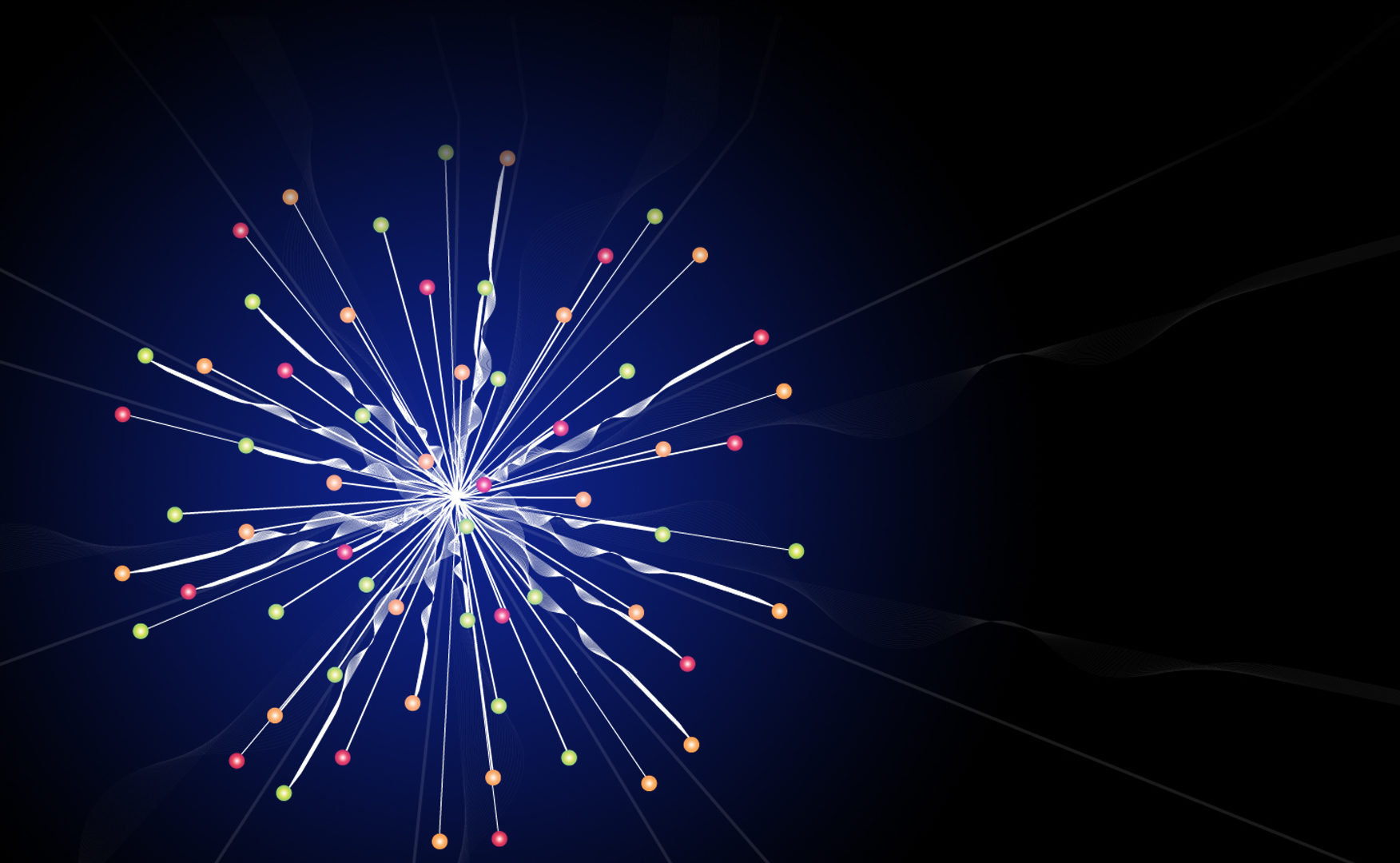
The neutrino is among the cagiest of particles, a subatomic wisp so ephemeral it could pass through light years of lead with more ease than a hot knife through butter.
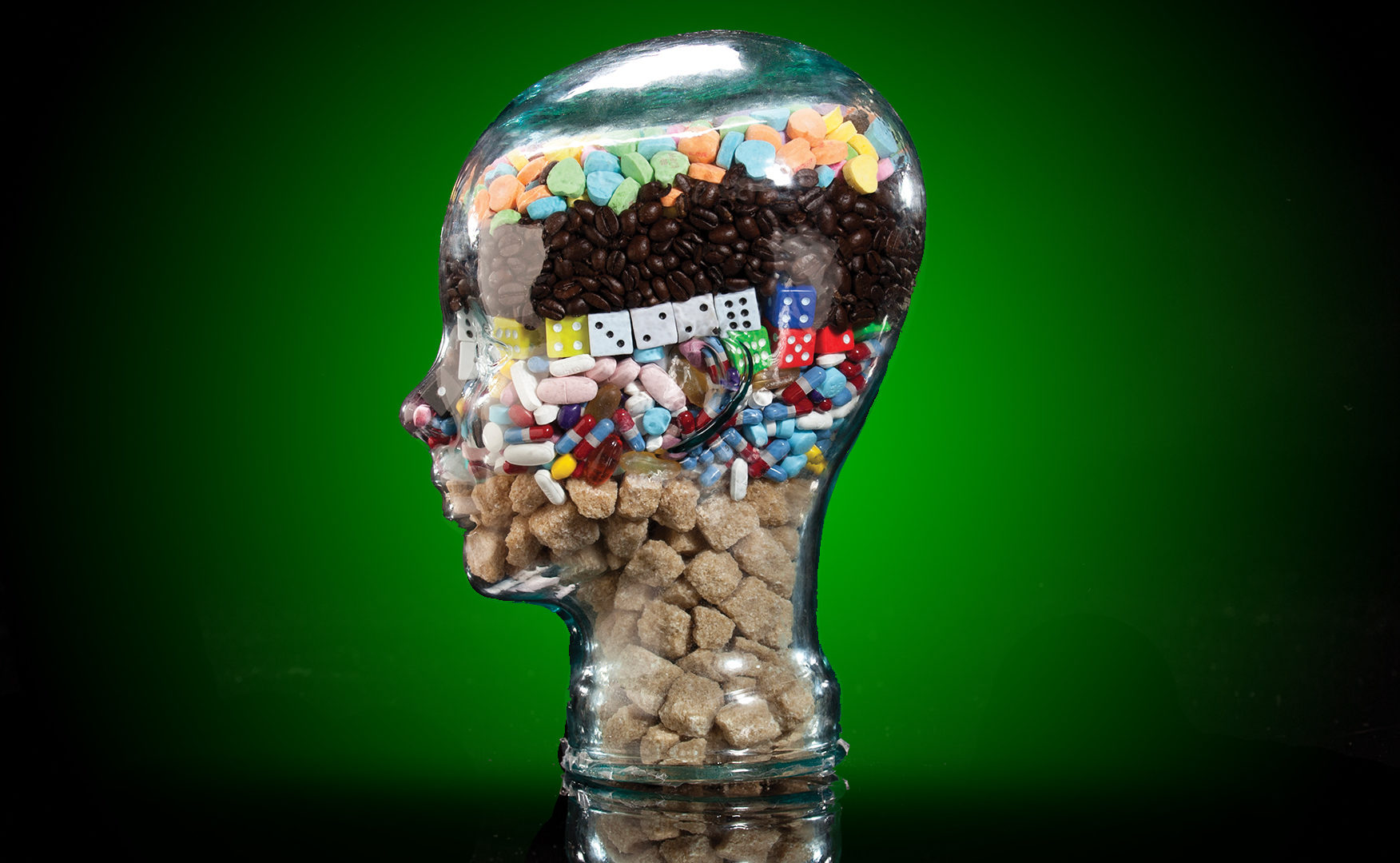
When we try to get rid of a bad habit, whether it involves food or drugs or gambling, it often seems like we’re fighting ourselves inside. The reality’s not far off: Addiction twists the reward pathways of the brain to keep addicts tied to whatever gets them high.
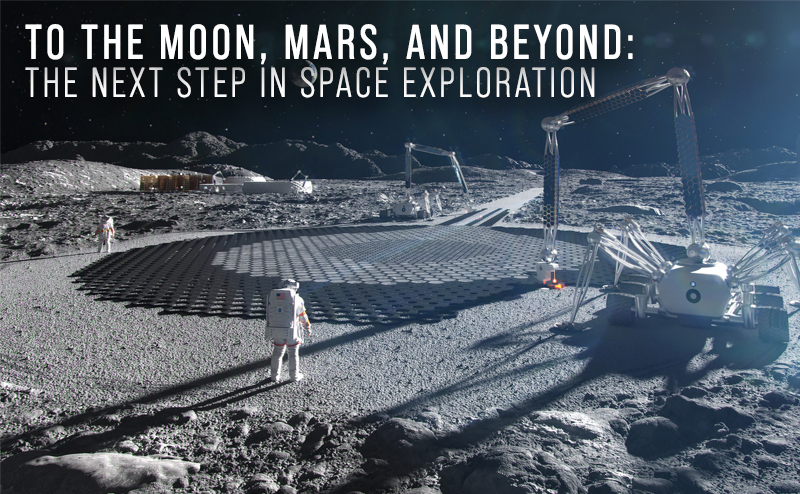
The successful launch of Artemis I marks the first step toward humankind’s return to the moon in half-a-century, and is vital to the yet more ambitious plan of landing a …