Search Icon




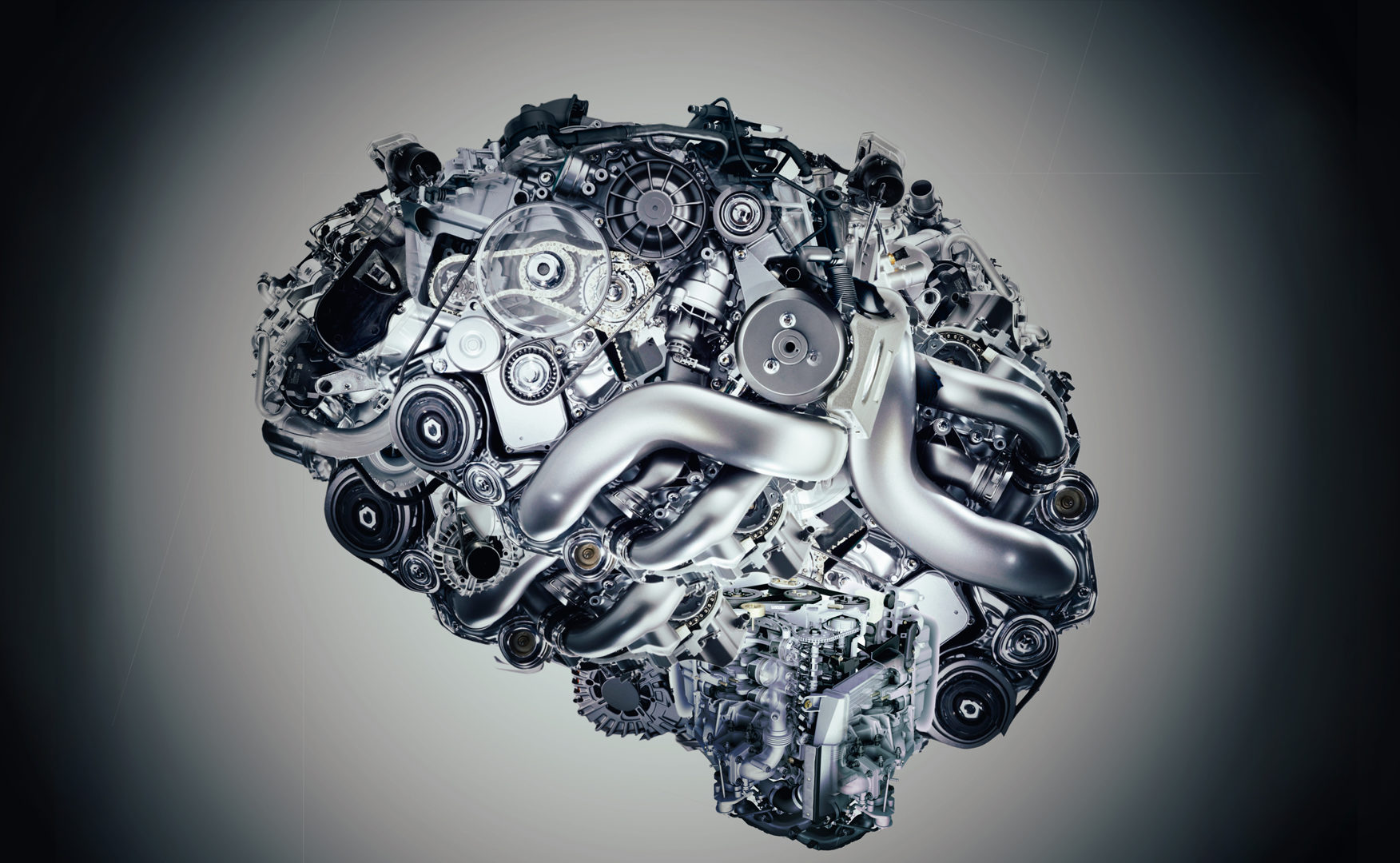
In recent years, machines have grown increasingly capable of listening, communicating, and learning—transforming the way they collaborate with us, and significantly impacting our economy, health, and daily routines. Who, or what, are these thinking machines? As we teach them to become more sophisticated, how will they complement our lives?
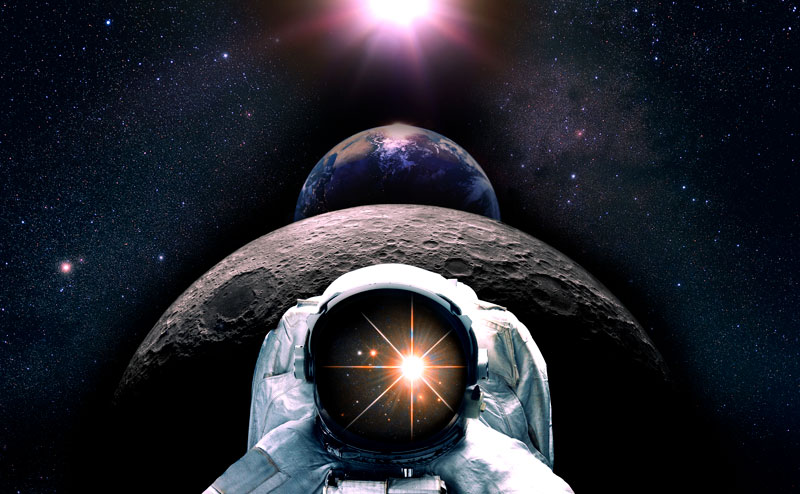
Fifty years ago, as Neil Armstrong and Buzz Aldrin bounced on the moon’s surface below, Apollo 11 Command Module Pilot Michael Collins briefly disappeared behind the lunar disk, becoming the …
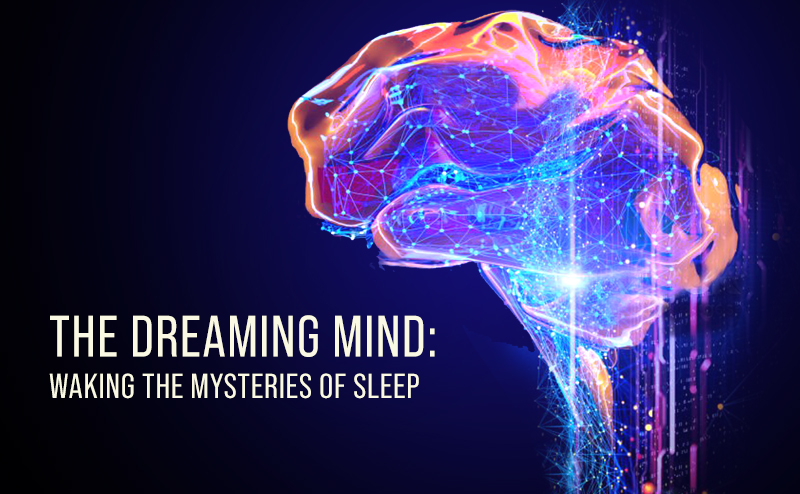
Where do our dreams come from, why do we have them, and what do they mean? Can we harness them to foster creativity, solve problems, and prepare for the future? …
Why are we drawn to symmetry? Because it provides order in a seemingly chaotic world? Because our brains are the product of the very same laws that yield the flower, the snowflake and the solar system?
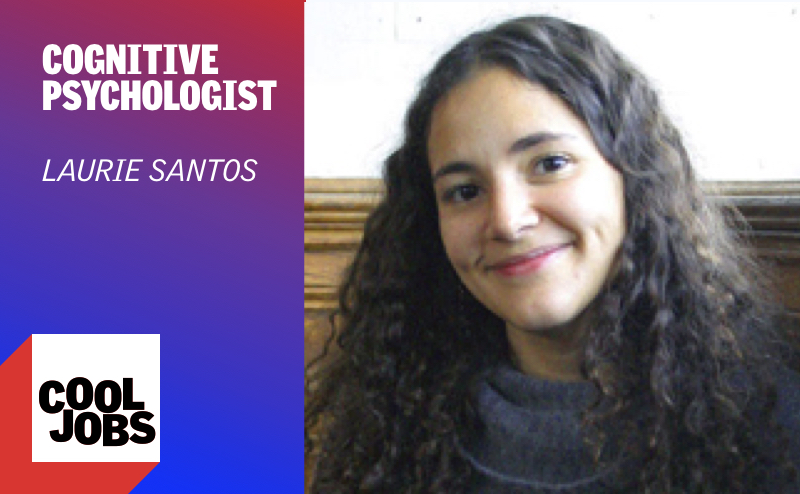
Lemurs, capuchin monkeys, and macaques help cognitive psychologist Laurie Santos understand how we think and are able to use tools, do math, and perform other tasks that make us human. …

We make tools. It defines us. But since the first proto-human tied a stick to a stone, tools have also been making us. Join our panel of philosophers, anthropologists, and …