Search Icon




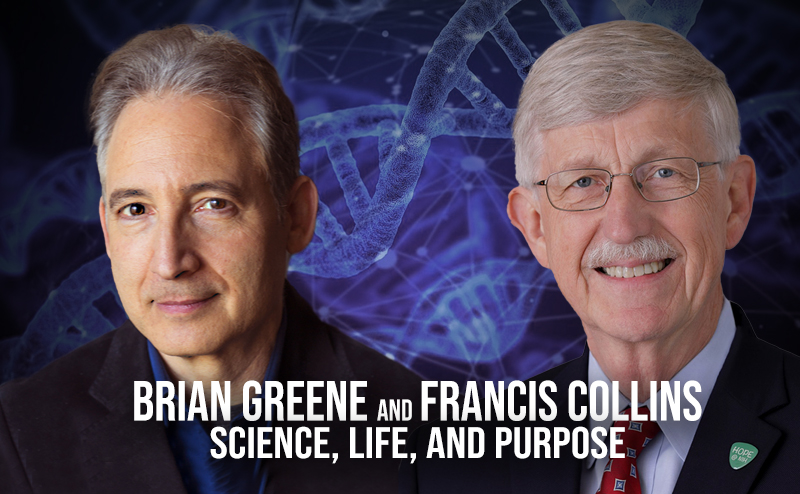
Francis Collins – leader of the Human Genome Project, Director of the National Institutes of Health across three presidential administrations, and President Biden’s newly appointed Science Advisor – joins Brian …
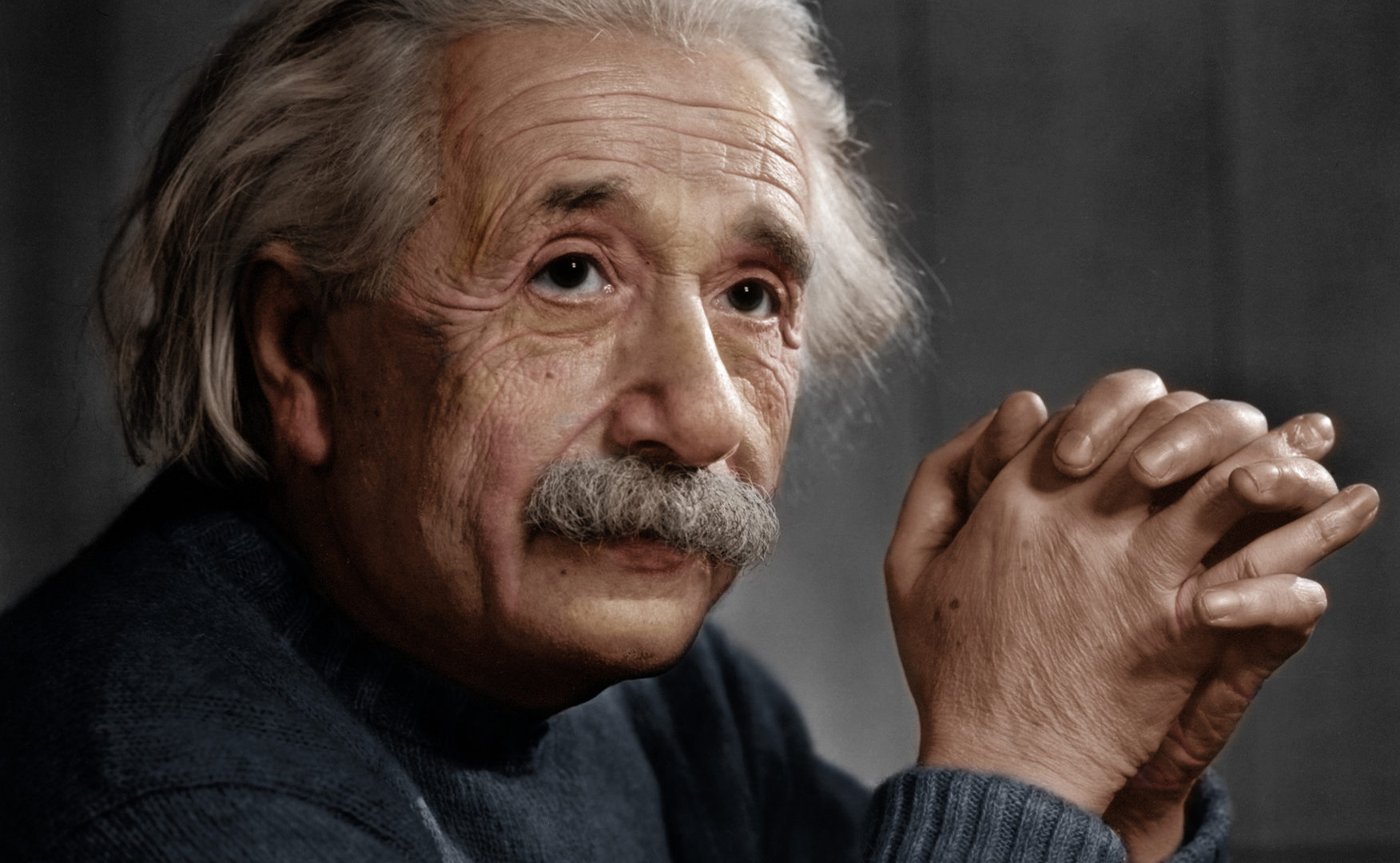
What made Albert Einstein one of the greatest scientific geniuses the world has ever known? His scientific breakthroughs revolutionized the way we understand the universe.
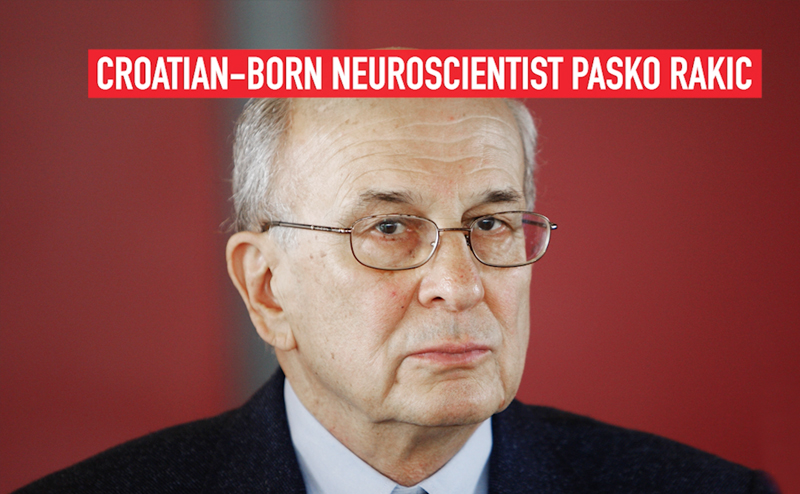
What’s the most complex structure in the known universe? Hint: You’re using it right now to answer to this question. While you keep brainstorming, let’s discuss your cerebral cortex. This …

The nature of time is an age-old conundrum for physicists, philosophers, biologists and theologians. The Newtonian picture of time—a kind of cosmic clock that ticks off time in a manner that applies identically to everyone and everything—tightly aligns with our experience. But with special and general relativity, Einstein showed the fallacy inherent in experience.
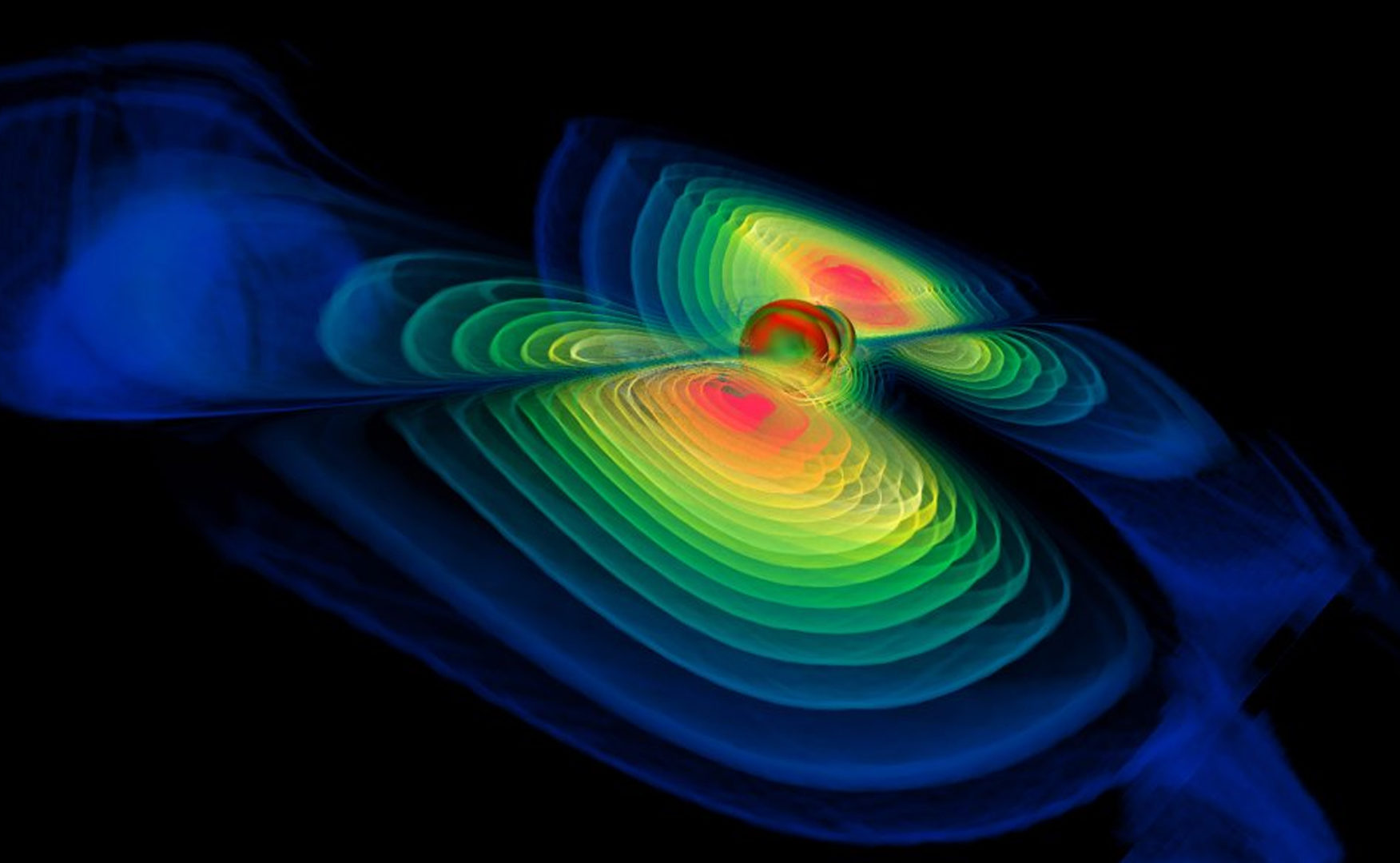
Marcia Bartusiak joins Kip Thorne, Laura Danly and Rainer Weiss to demonstrate how two observatories on opposite sides of the country, called LIGO (Laser Interferometer Gravitational-wave Observatory), may open a new window on observing the cosmos—one based not in light but in gravity.
The mysteries of dark matter and dark energy may be evidence that we don’t fully understand the force of gravity. But when it comes to a force that has been studied mathematically and probed observationally for hundreds of years, what do we still need to learn?