Search Icon



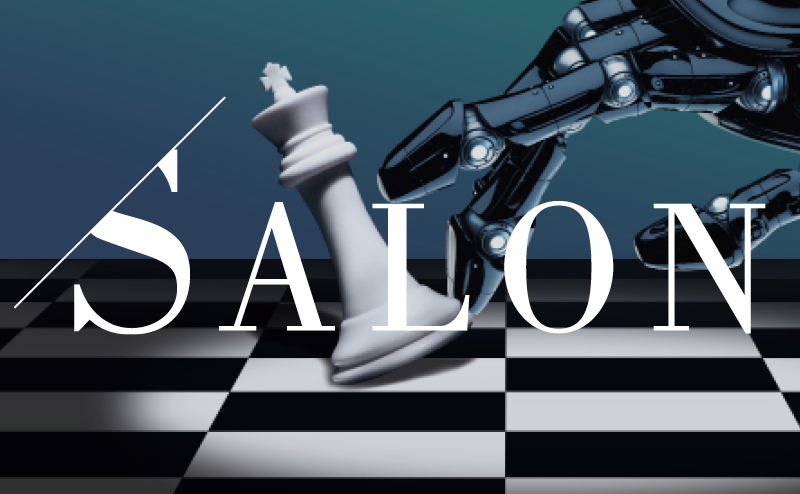
IBM’s Watson has the ability to make a diagnosis. Apps can track and monitor patient emergencies. Our phones may soon be our medical advisers. Preventive and diagnostic medicine is on the cusp of an AI revolution that will no doubt save lives.
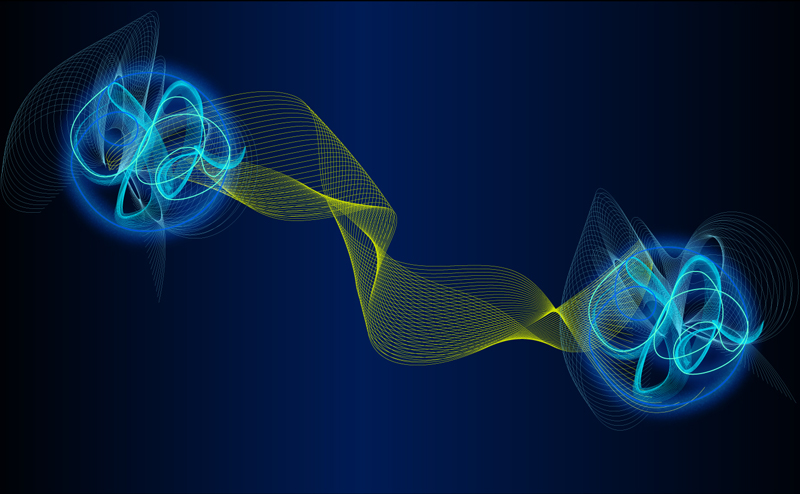
In 1935, Albert Einstein and two colleagues published a landmark paper revealing that quantum mechanics allows widely separated objects to influence one another, even though nothing travels between them. Einstein called it spooky and rejected the idea, arguing instead that it exposed a major deficiency in the quantum theory.
#YourDailyEquation with Brian Greene offers brief and breezy discussions of the most pivotal equations of the ages. Even if your math is a bit rusty, these accessible and exciting stories …
Time allows us to live in the moment, reflect on the past, plan for the future. It’s our most familiar, precious, yet mysterious commodity.
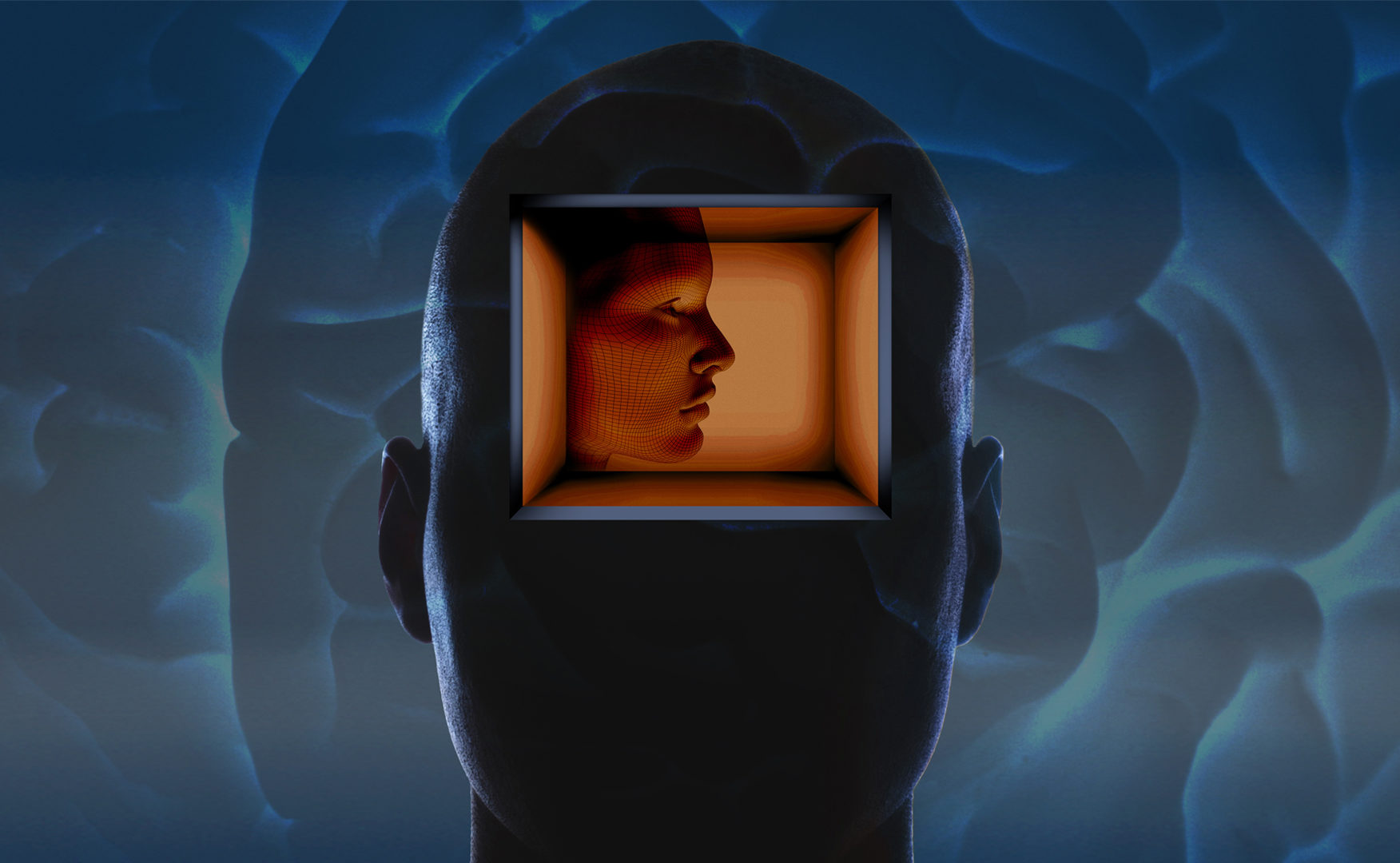
With ever more refined techniques for measuring complex brain activity, scientists are challenging the understanding of thought, memory and emotion–what we have traditionally called “the self.”
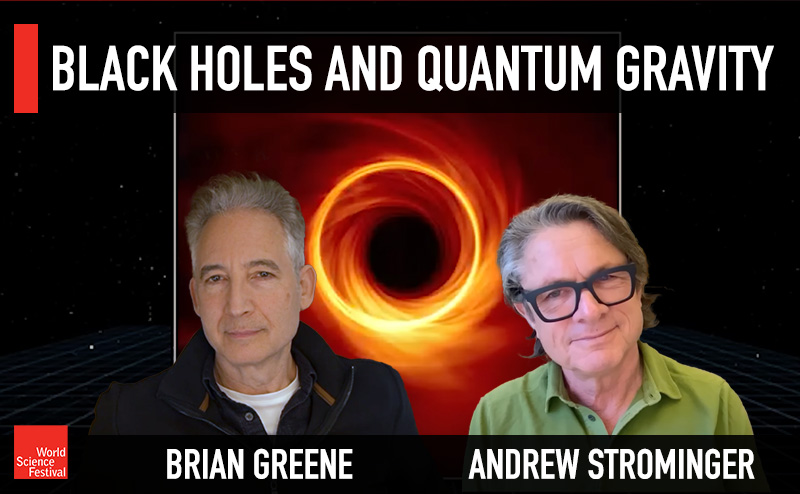
Andrew Strominger, renowned for his work on black holes, string theory, and quantum gravity, joins Brian Greene to describe his latest results and how some of them may be testable …