Search Icon




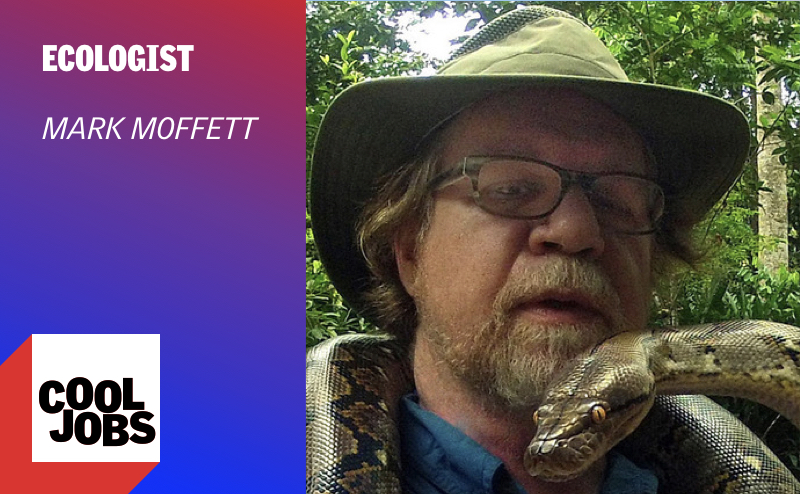
Ecologist and explorer Mark Moffett has trekked across the globe to document new animal species and behaviors. Just like the creatures he studies, Mark can be found crawling in the …
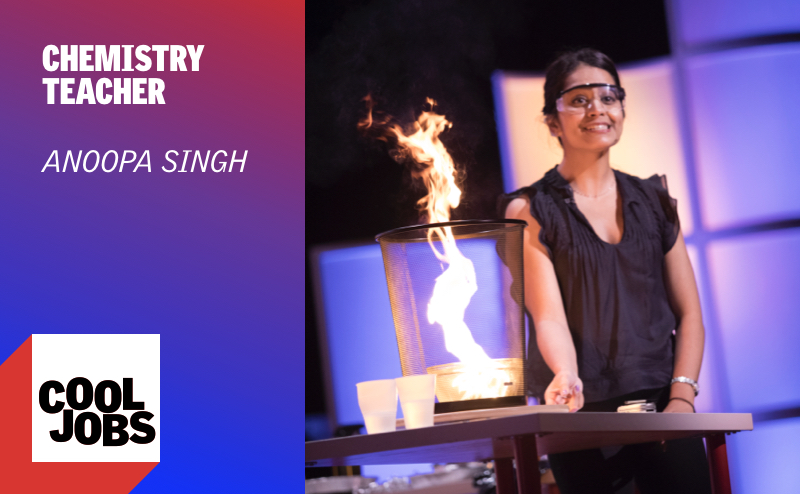
Fire tornadoes and color changing liquids are all part of what keeps Annopa Singh’s chemistry class engaged. Science teachers prepare tomorrow’s pioneering scientists. Episode filmed live at the 2017 World …
Why are we drawn to symmetry? Because it provides order in a seemingly chaotic world? Because our brains are the product of the very same laws that yield the flower, the snowflake and the solar system?
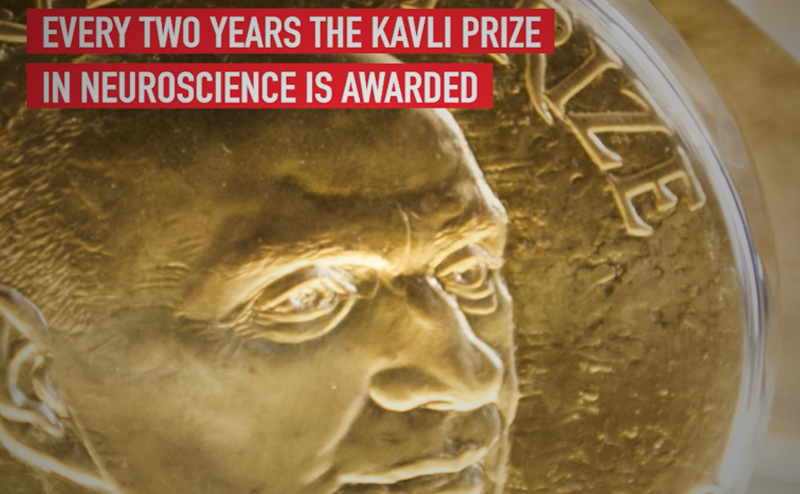
This video is part of our Brilliant Breakthroughs series: our new 20-episode mini-series exploring the “Eureka!” moments and proud accomplishments of the greatest scientific minds of our time. Join us …
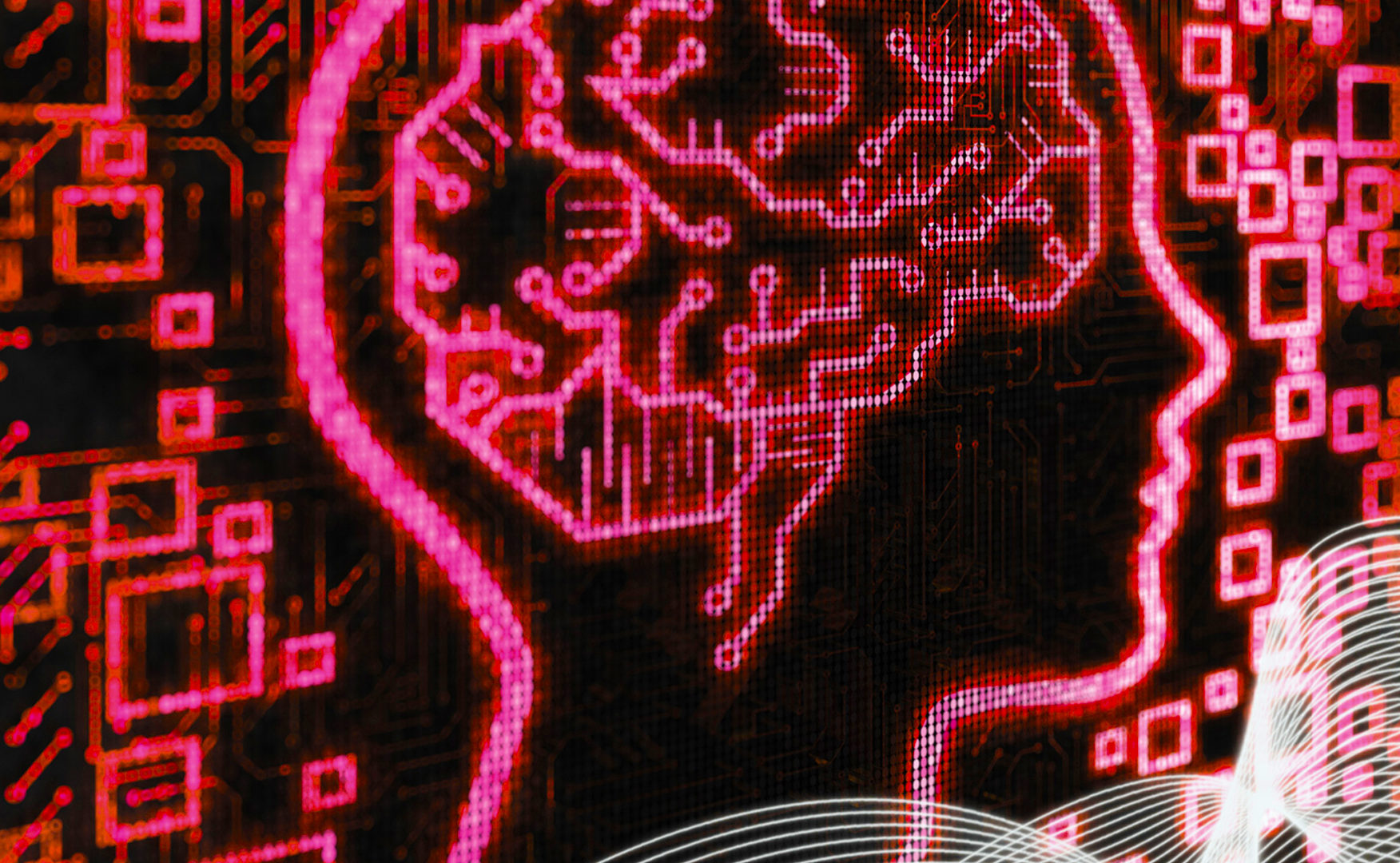
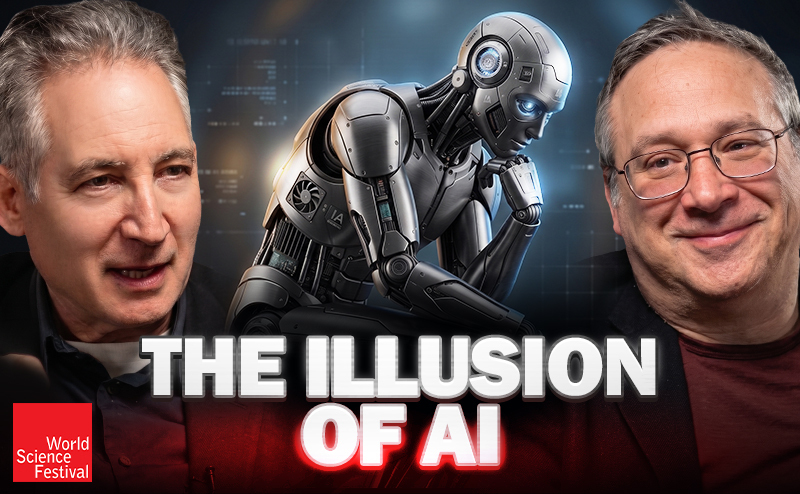
Is the human brain an elaborate organic computer? Since the time of the earliest electronic computers, some have imagined that with sufficiently robust memory, processing speed, and programming, a functioning human brain can be replicated in silicon.
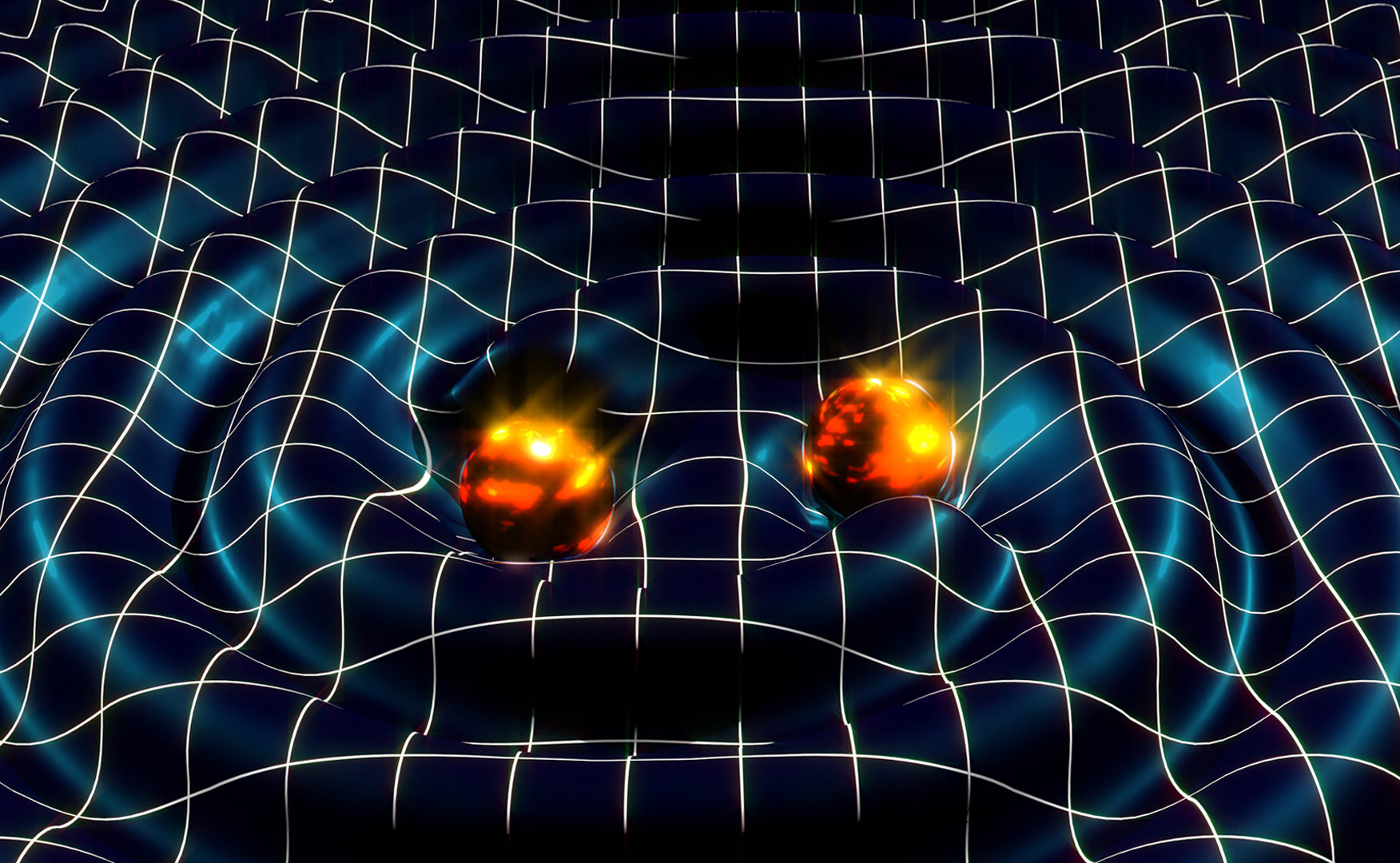
On September 14th, 2015, a ripple in the fabric of space, created by the violent collision of two distant black holes over a billion years ago, washed across the Earth. As it did, two laser-based detectors momentarily twitched, confirming a century-old prediction by Albert Einstein and marking the opening of a new era in astronomy.