Search Icon




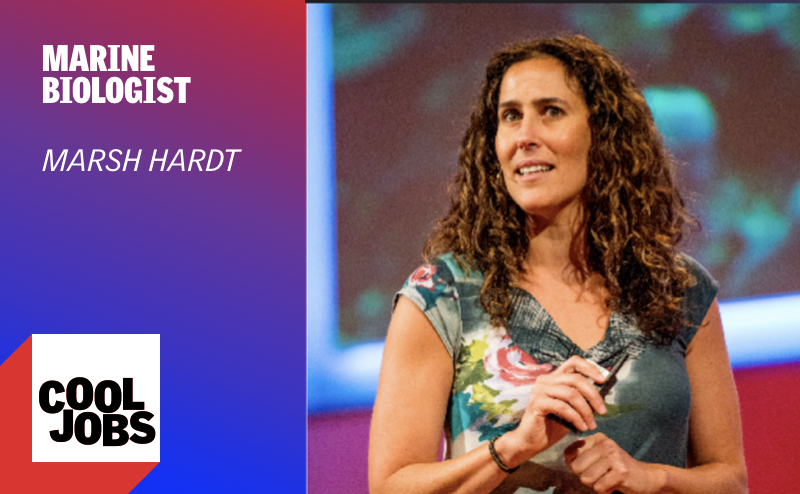
Deep in the oceans, marine biologist Marah Hardt counts coral, sea urchin, and fish and looks for patterns to understand what makes reefs sick or healthy. Create a coral reef …

Nowadays, the tools for tracing your family tree have advanced far beyond looking back at names in the family Bible or compiling a scrapbook of paper records. Using your genetic information to find long-lost relatives is easier and cheaper than ever before—and scientists are looking to push the technology even further by analyzing our skin and facial features.

Stuff happens. The weather forecast says it’s sunny, but you just got drenched. You got a flu shot—but you’re sick in bed with the flu. Your best friend from Boston met your other best friend from San Francisco. Coincidentally. What are the odds?

Car accidents. Suicide bombers. Earthquakes. Death of a spouse. Why do some people bounce back from traumatic events while others do not? Is there a biological profile of resiliency?
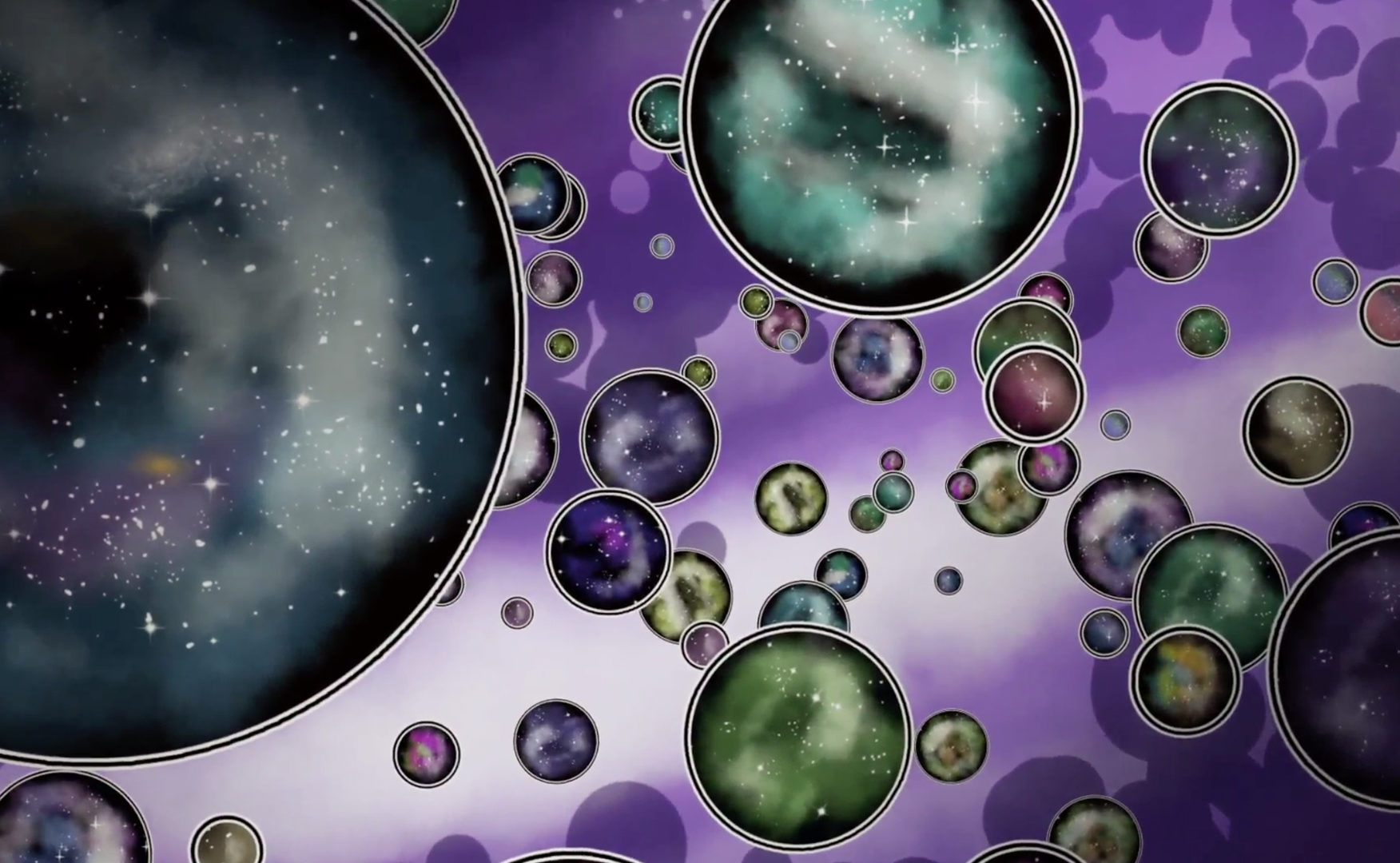
The inflationary theory of cosmology, an enduring theory about our universe and how it was formed, explains that just after the Big Bang, the universe went through a period of rapid expansion. This theory has been critical to understanding what’s going on in the cosmos today.
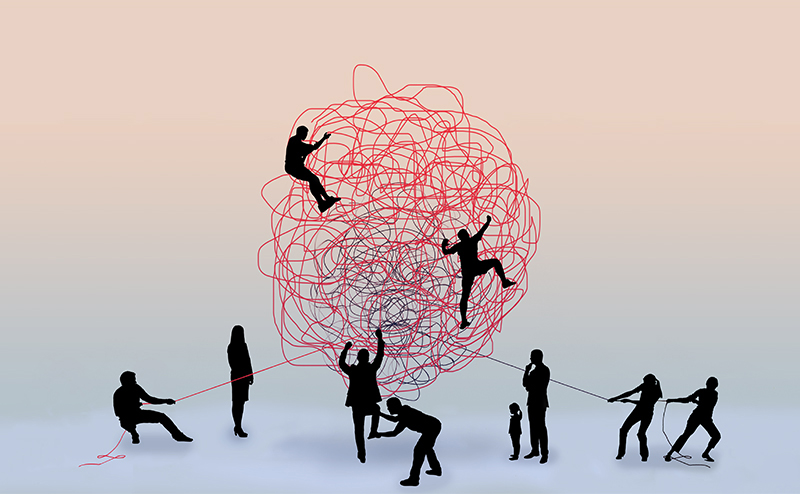
Humans work together on enormous scales to build complex tools as large as cities and create social networks that span the globe. What is the key to our success? This …