Search Icon



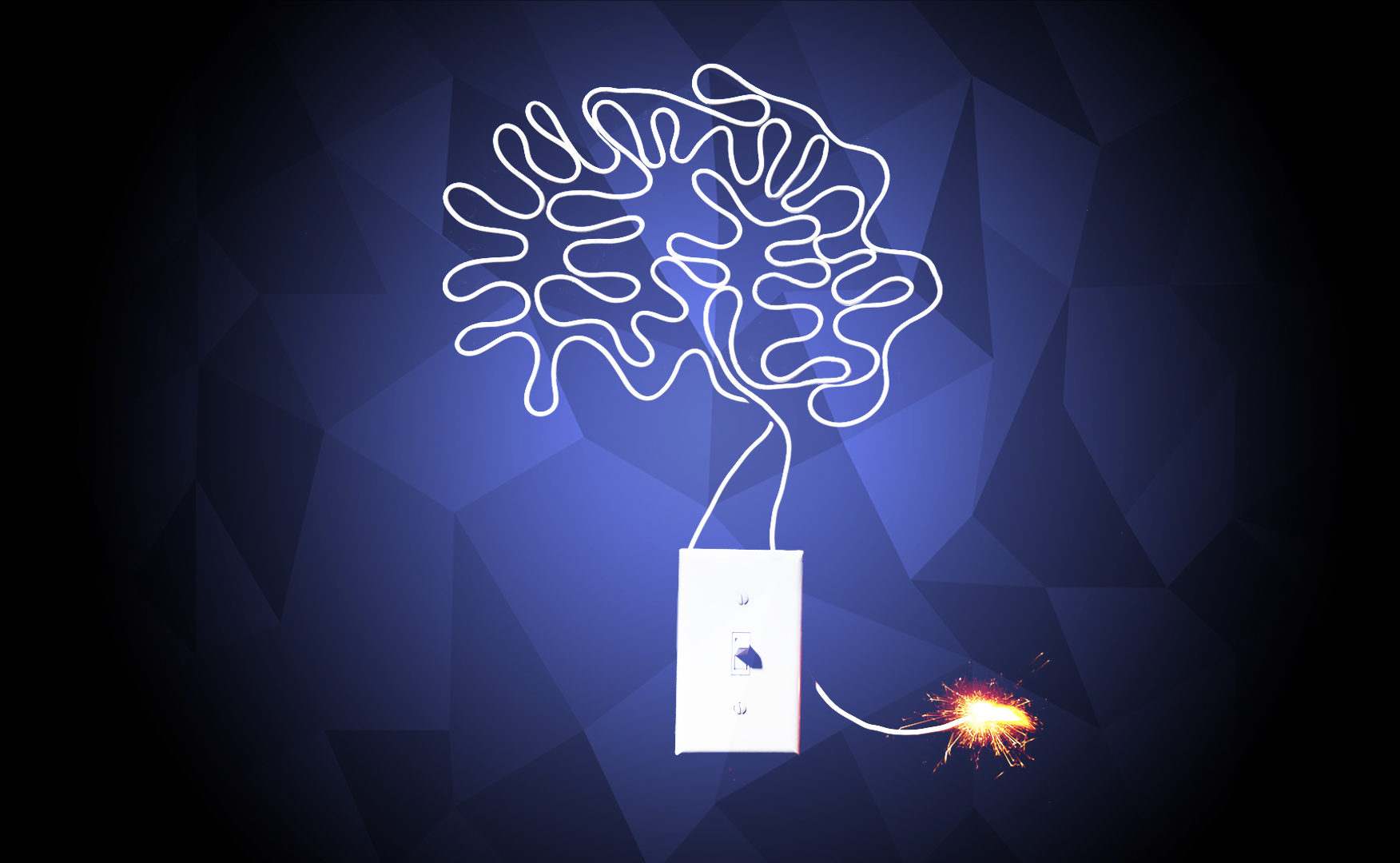
At present, our brains are mostly dependent on all the stuff below the neck to turn thought into action. But advances in neuroscience are making it easier than ever to hook machines up to minds.
Stuff happens. The weather forecast says it’s sunny, but you just got drenched. You got a flu shot—but you’re sick in bed with the flu. Your best friend from Boston met your other best friend from San Francisco. Coincidentally. What are the odds?
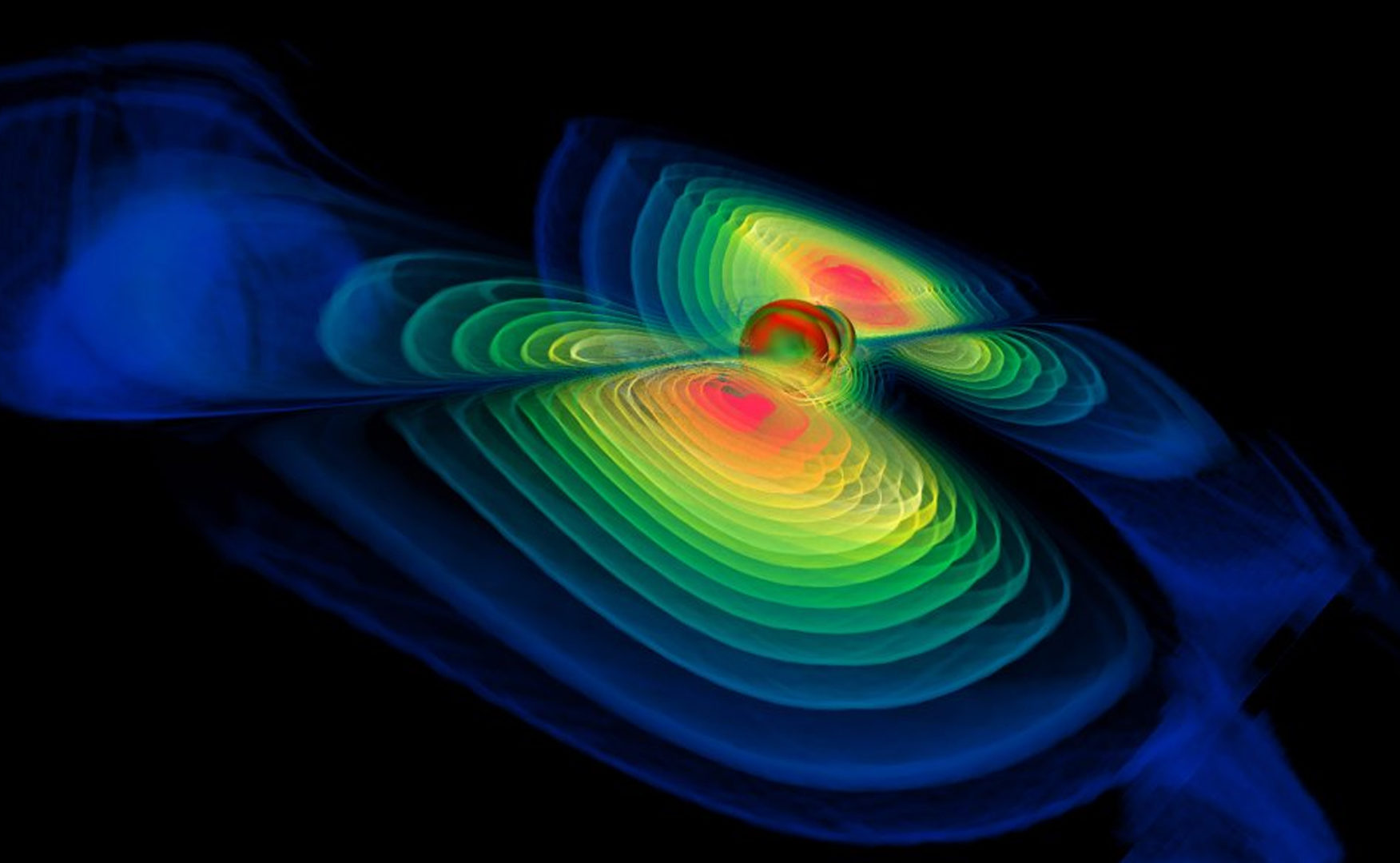
Marcia Bartusiak joins Kip Thorne, Laura Danly and Rainer Weiss to demonstrate how two observatories on opposite sides of the country, called LIGO (Laser Interferometer Gravitational-wave Observatory), may open a new window on observing the cosmos—one based not in light but in gravity.
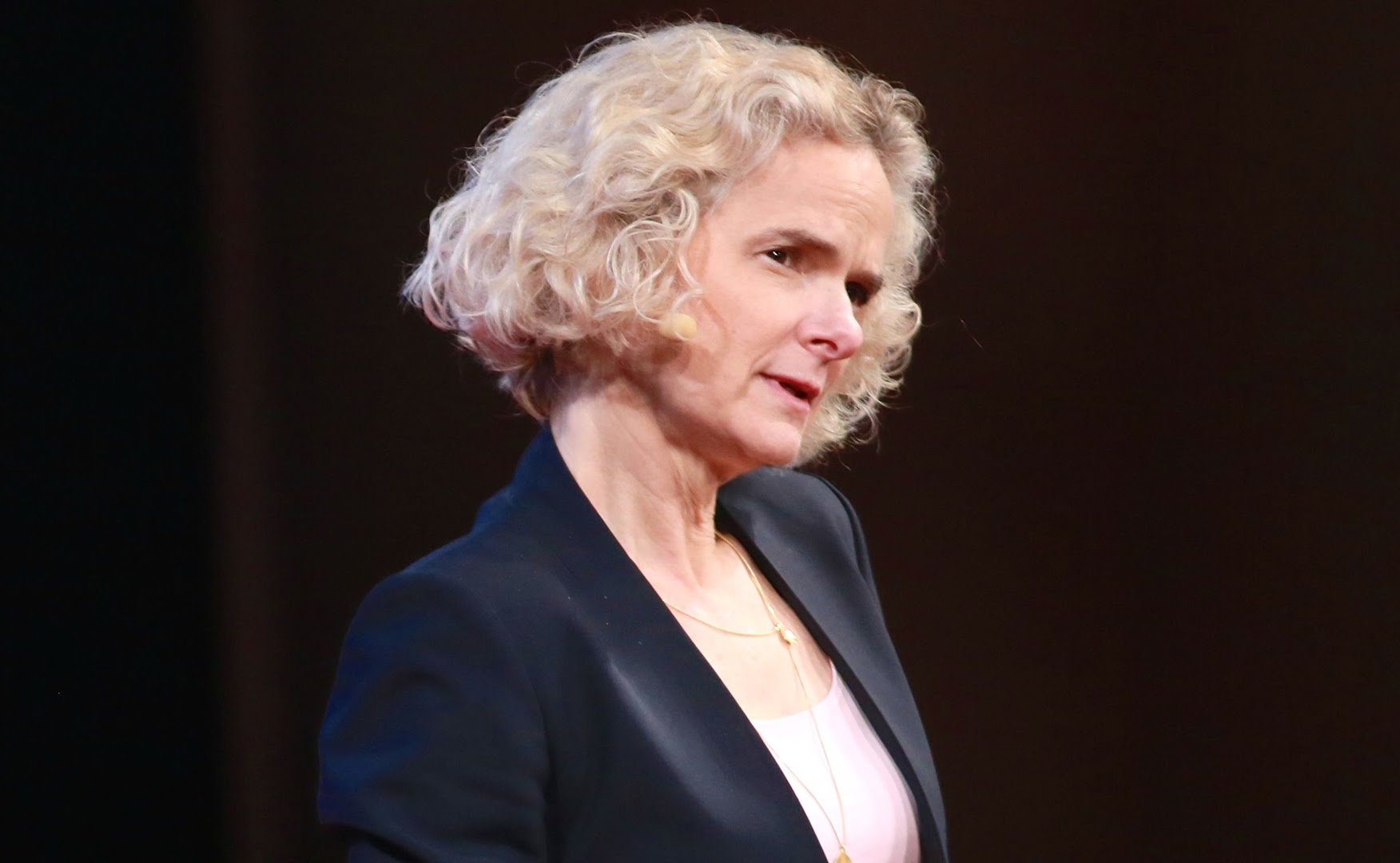
Meet Dr. Nora Volkow, whose research on drugs and the brain helped us understand addiction as a disease. Nora Volkow is the director of the National Institute on Drug Abuse. …
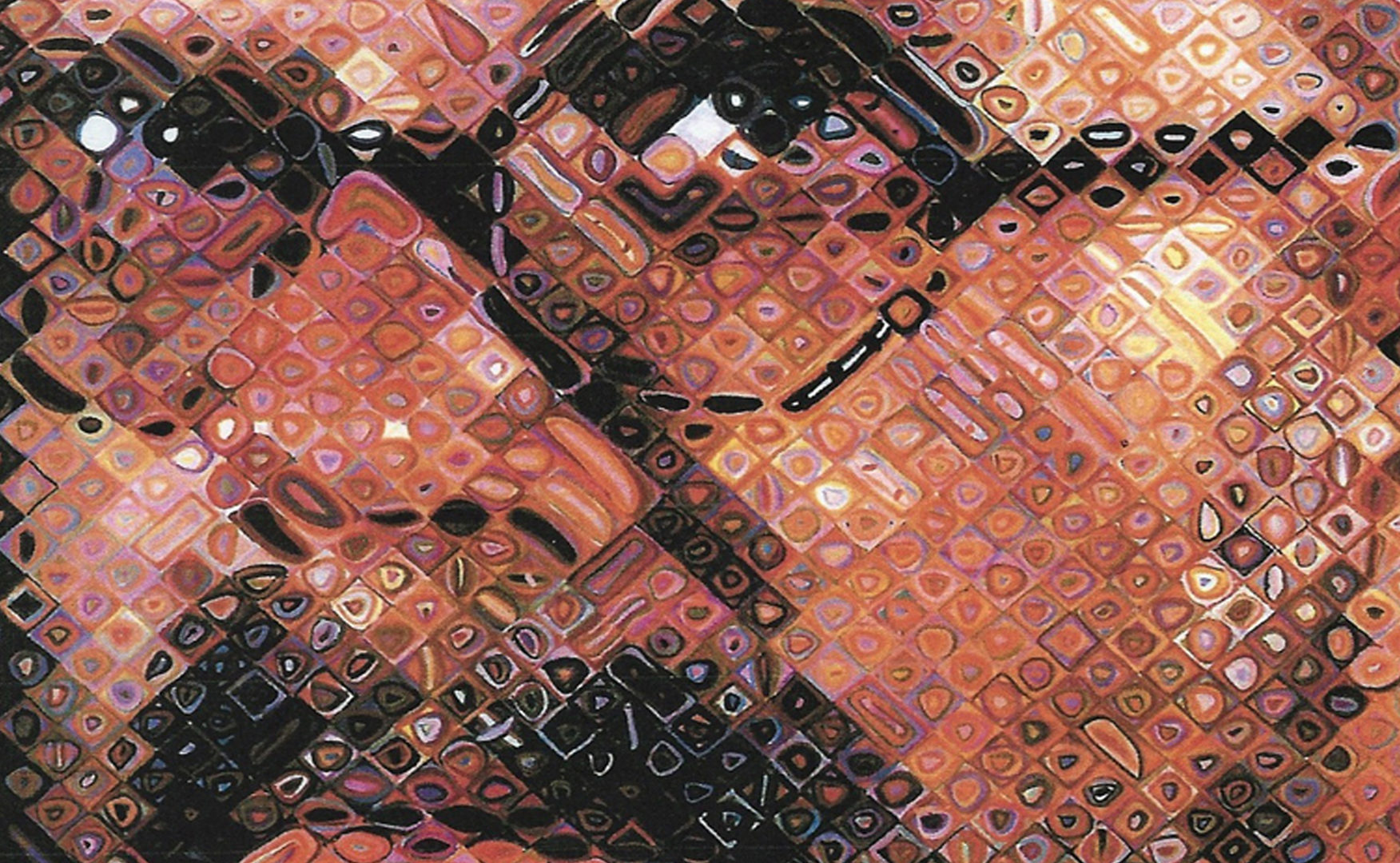
What’s it like to face a faceless world? Acclaimed neurologist Oliver Sacks once apologized for almost bumping into a large bearded man, only to realize he was speaking to a mirror.
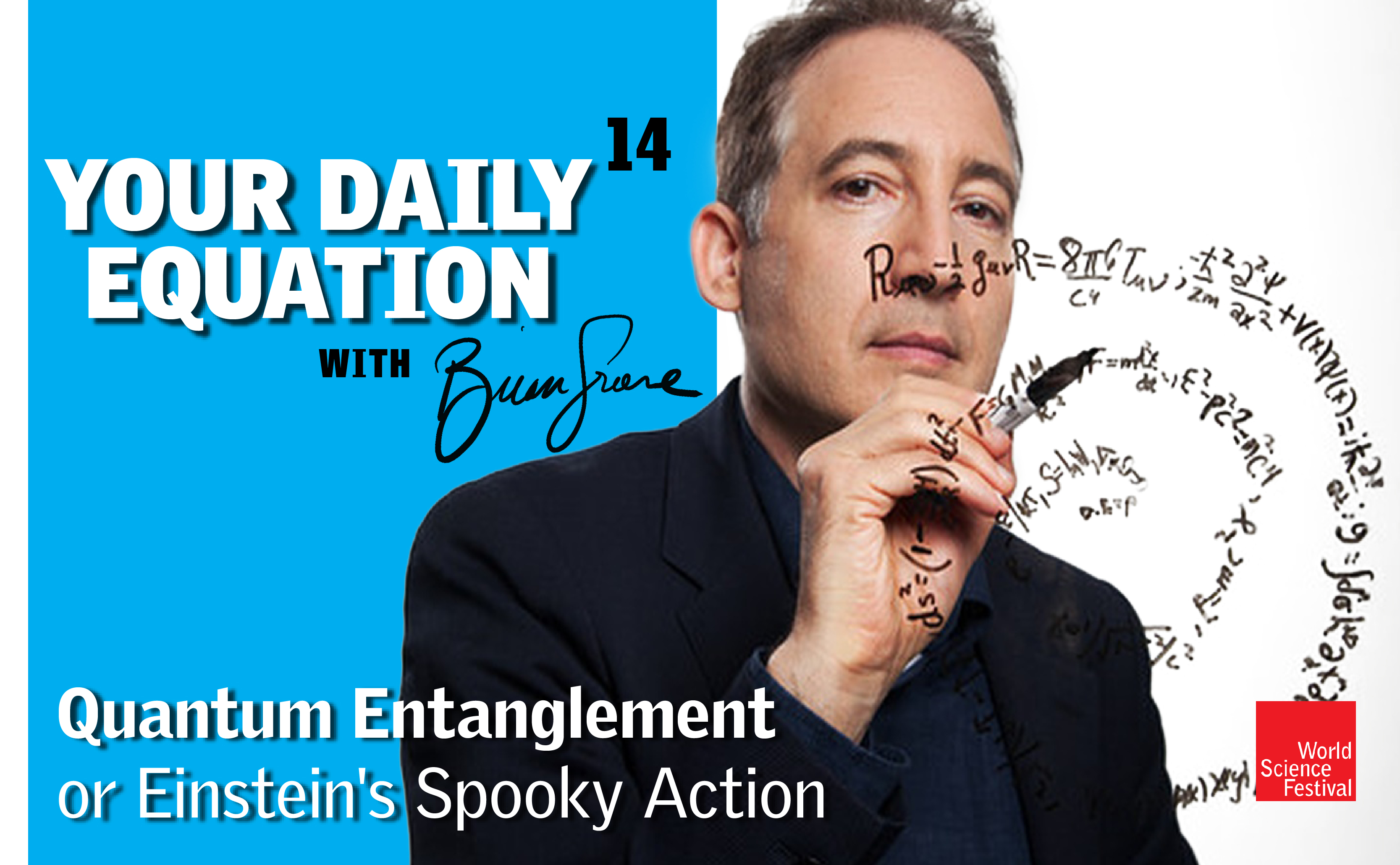
#YourDailyEquation with Brian Greene offers brief and breezy discussions of the most pivotal equations of the ages. Even if your math is a bit rusty, these accessible and exciting stories …