Search Icon




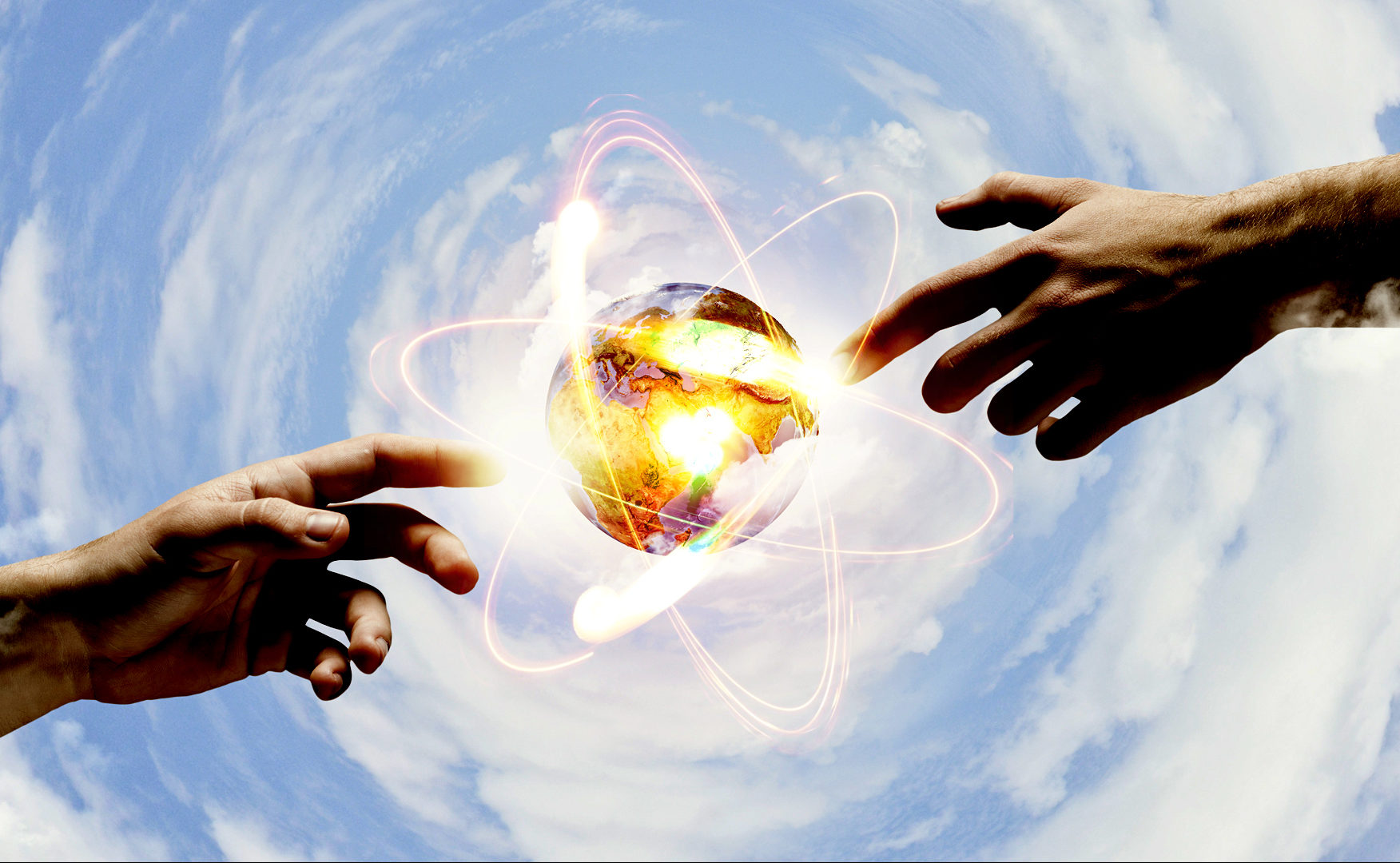
Prominent clashes — both historical and contemporary — have led to the widely held conclusion that science and religion are fundamentally incompatible. Yet, many scientists practice a traditional faith, having found a way to accommodate both scientific inquiry and religious teaching in their belief system.
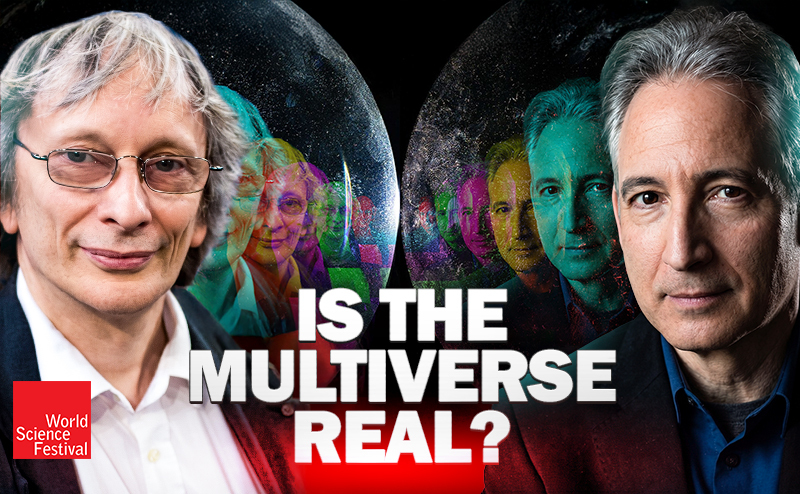
Does quantum mechanics actually imply that every possible outcome of every decision happens somewhere in an expansive reality? And if so, what does that mean for probability, free will, and …

The first detection of colliding black holes rocked the scientific world, establishing that gravitational waves are real and that we are able to measure them. More recently, scientists have achieved …
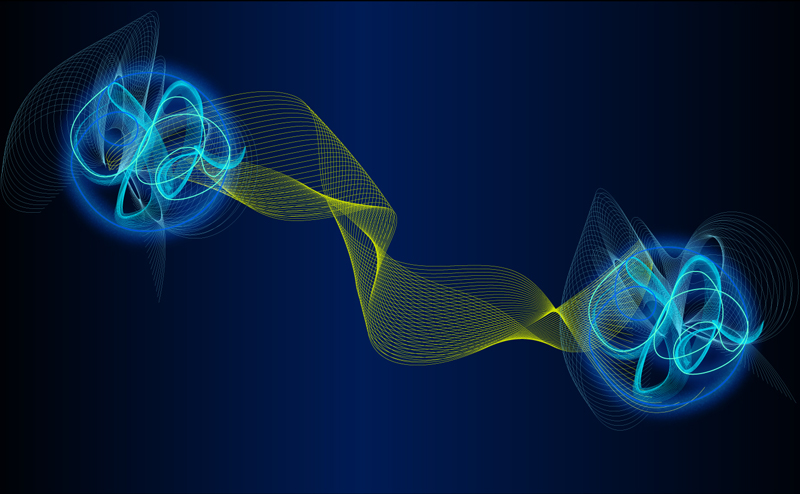
In 1935, Albert Einstein and two colleagues published a landmark paper revealing that quantum mechanics allows widely separated objects to influence one another, even though nothing travels between them. Einstein called it spooky and rejected the idea, arguing instead that it exposed a major deficiency in the quantum theory.
As computers become progressively faster and more powerful, they’ve gained the impressive capacity to simulate increasingly realistic environments. Which raises a question familiar to aficionados of The Matrix—might life and the world as we know it be a simulation on a super advanced computer?
Frank Wilczek, Nobel Laureate and Templeton Prize winner, has played a leading role in developing the most refined quantum mechanical understanding of the microworld and in proposing solutions to a …