Search Icon




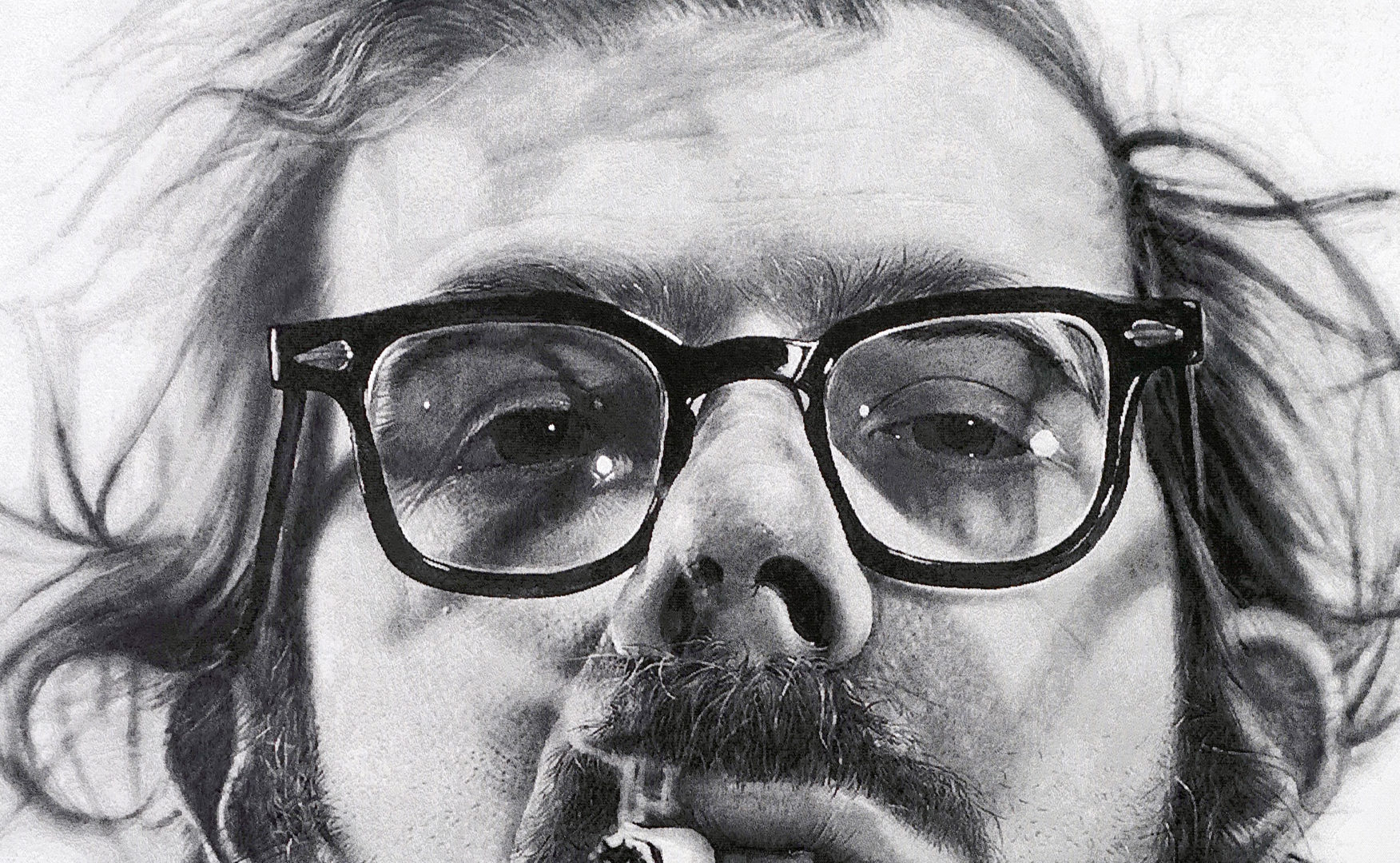
What makes Mona Lisa’s smile so intriguing? What makes Picasso’s portraits so compelling? Kurt Andersen hosts artists Chuck Close and Devorah Sperber, with neuroscientists Margaret Livingstone, Chris Tyler and Ken Nakayama, as they examine the power of brain imaging technology to illuminate how we perceive the most intimate yet public of features, the human face.
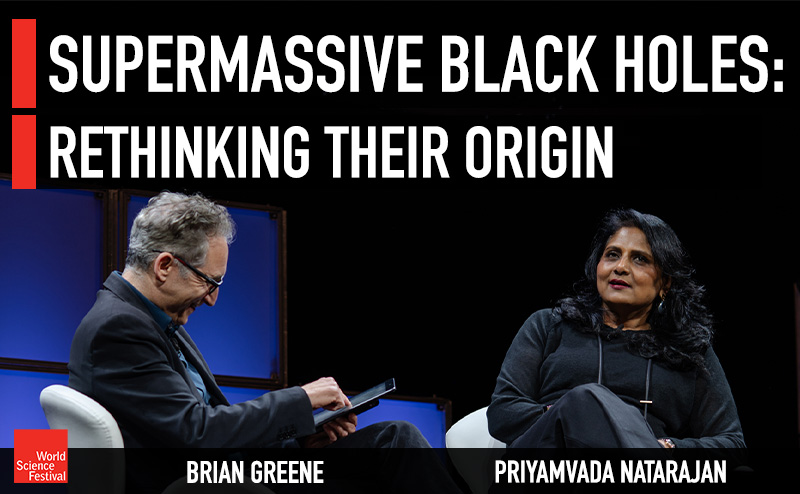
The mechanism of collapsing stars falls short of explaining the existence of supermassive black holes—giants that weigh millions or even billions of times the mass of the Sun. Astrophysicist Priya …
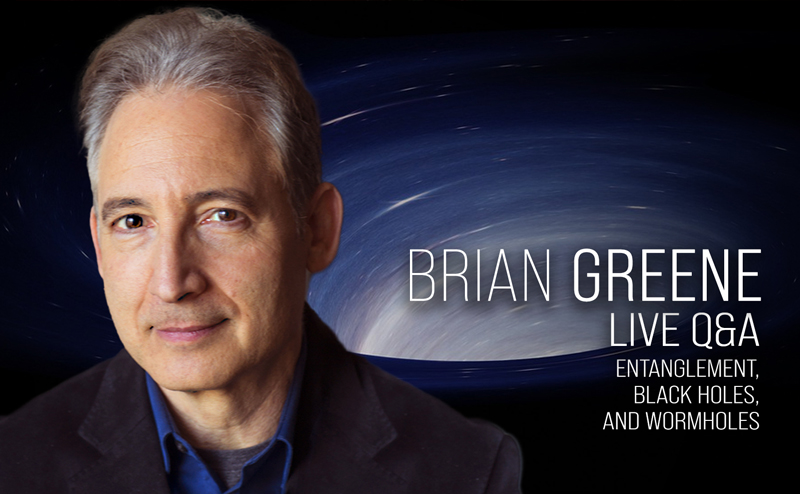
In this year-end wrap up, Brian Greene discusses some of the major advances in science with a focus on breakthroughs in black hole physics and the key roles played by …
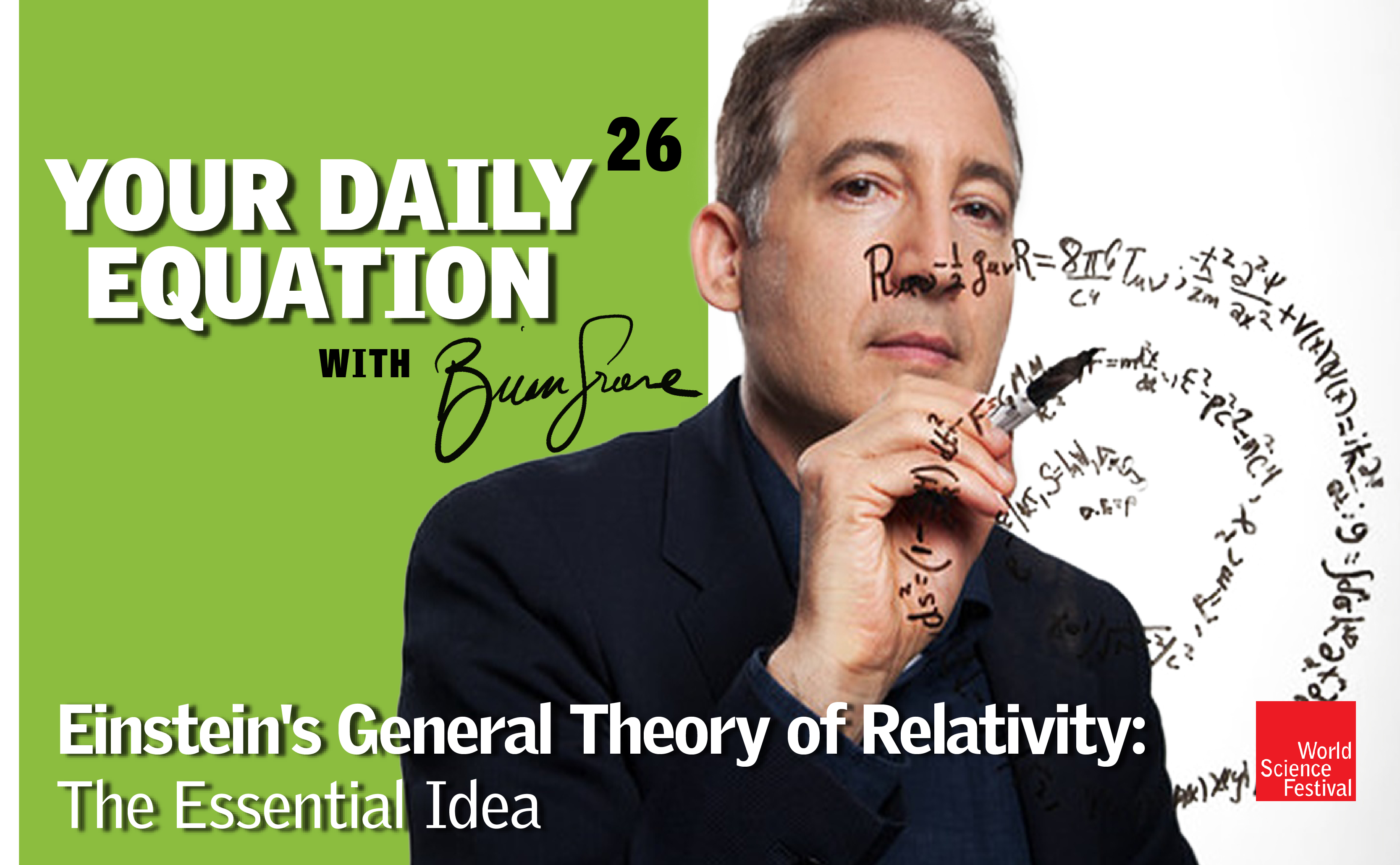
Join us for #YourDailyEquation with Brian Greene. Every Mon – Fri at 3pm EDT, Brian Greene will offer brief and breezy discussions of pivotal equations. Even if your math is a …
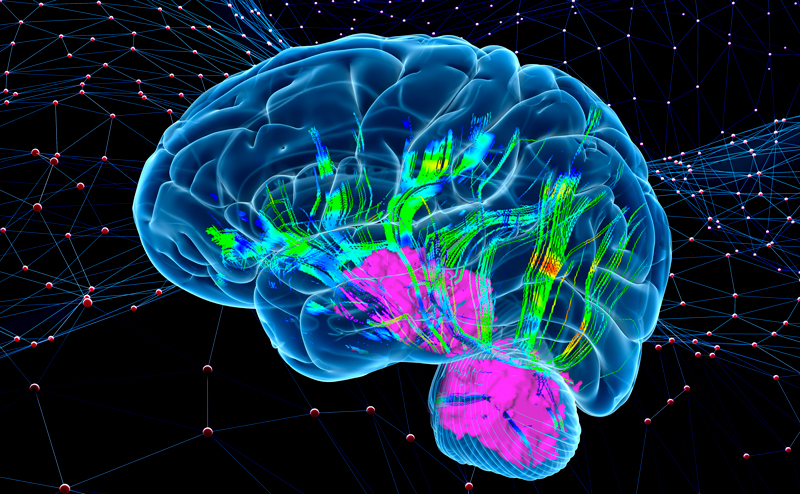
Imagine navigating the globe with a map that only sketched out the continents. That’s pretty much how neuroscientists have been operating for decades. But one of the most ambitious programs …
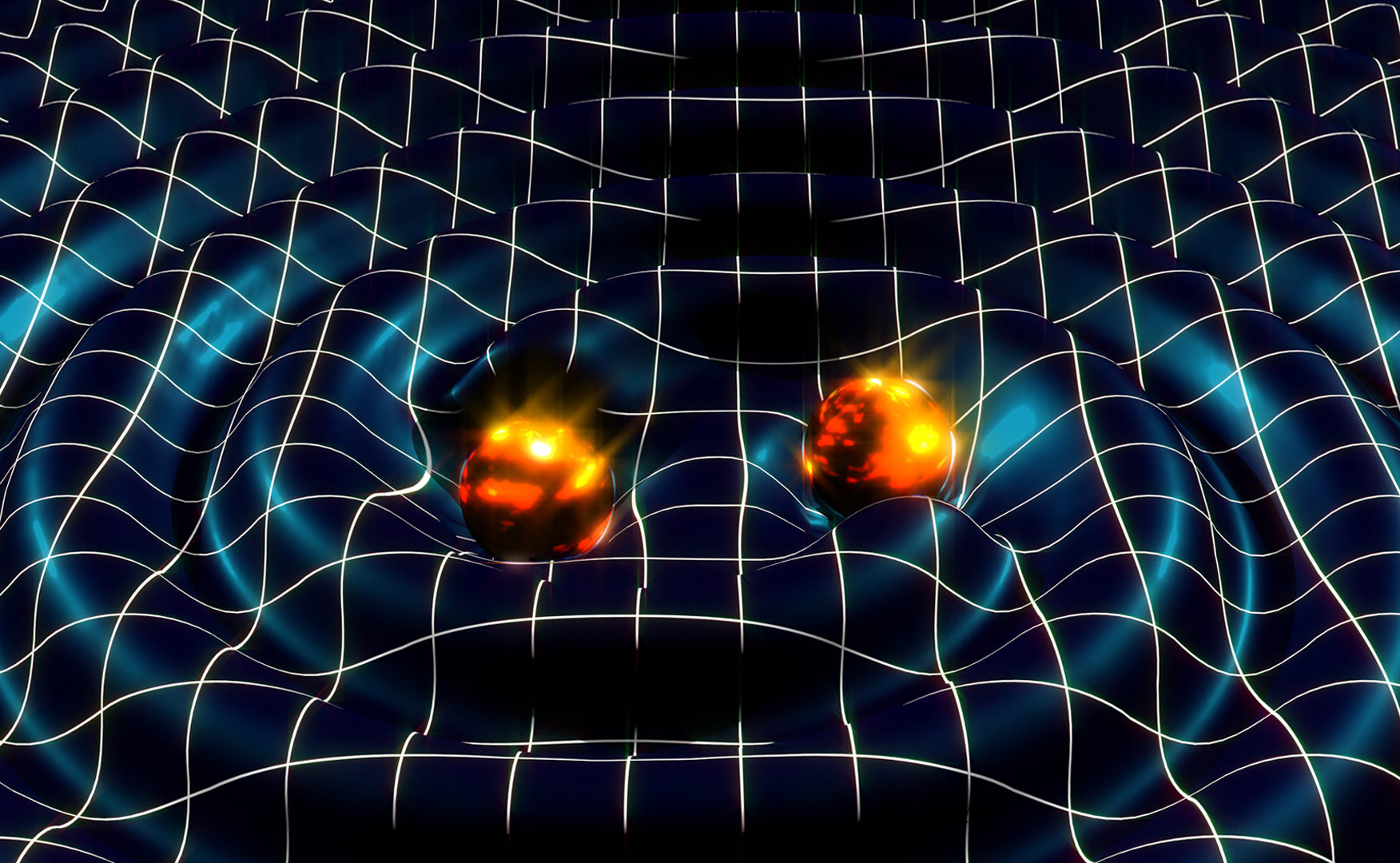
On September 14th, 2015, a ripple in the fabric of space, created by the violent collision of two distant black holes over a billion years ago, washed across the Earth. As it did, two laser-based detectors momentarily twitched, confirming a century-old prediction by Albert Einstein and marking the opening of a new era in astronomy.