Search Icon




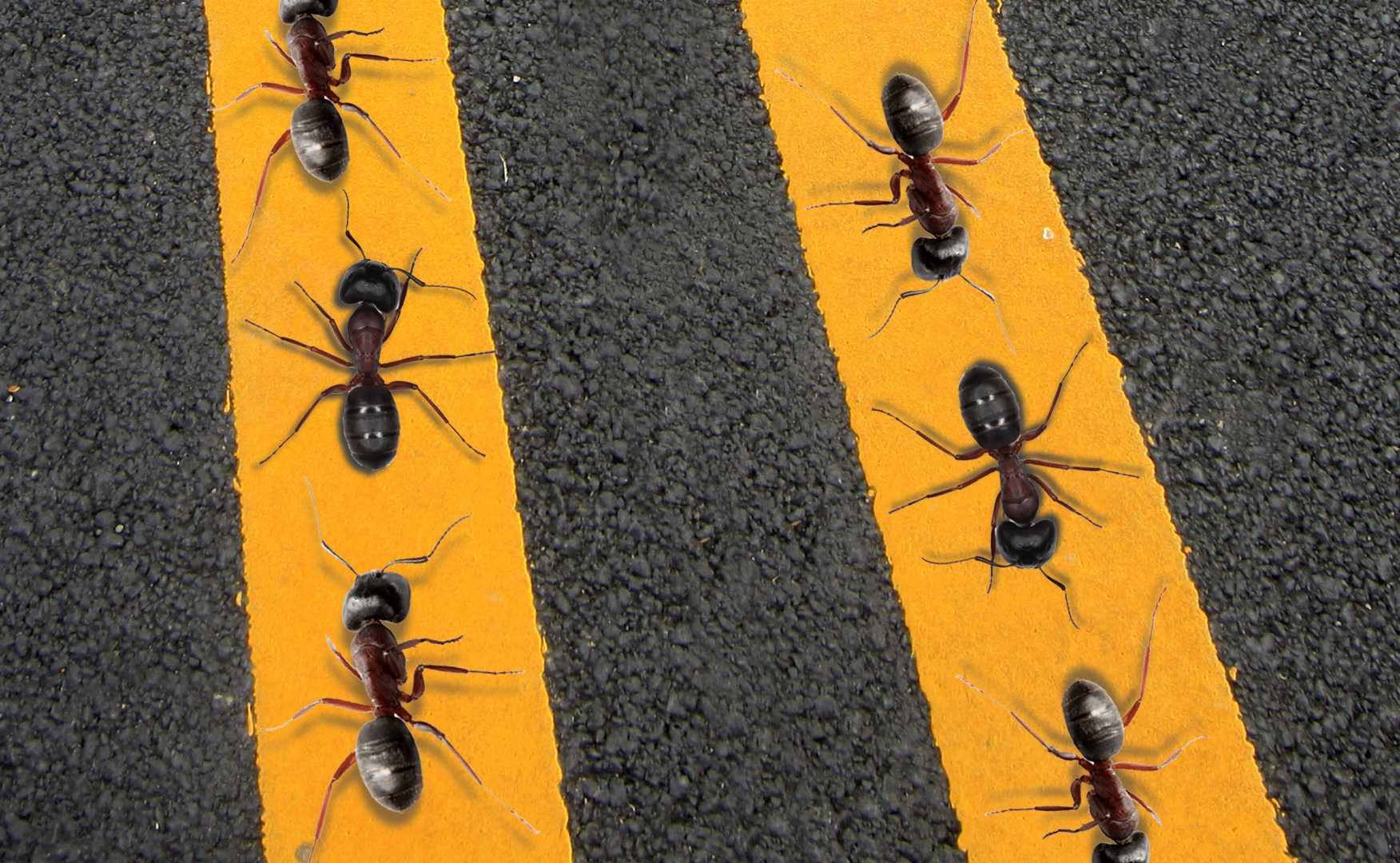
Can marching ants, schooling fish, and herding wildebeests teach us something about the morning commute? Robert Krulwich guides this unique melding of mathematics, physics, and behavioral science as Mitchell Joachim, Anna Nagurney and Iain Couzin examine the creative and sometimes counter intuitive solutions to one of the modern world’s most annoying problems.
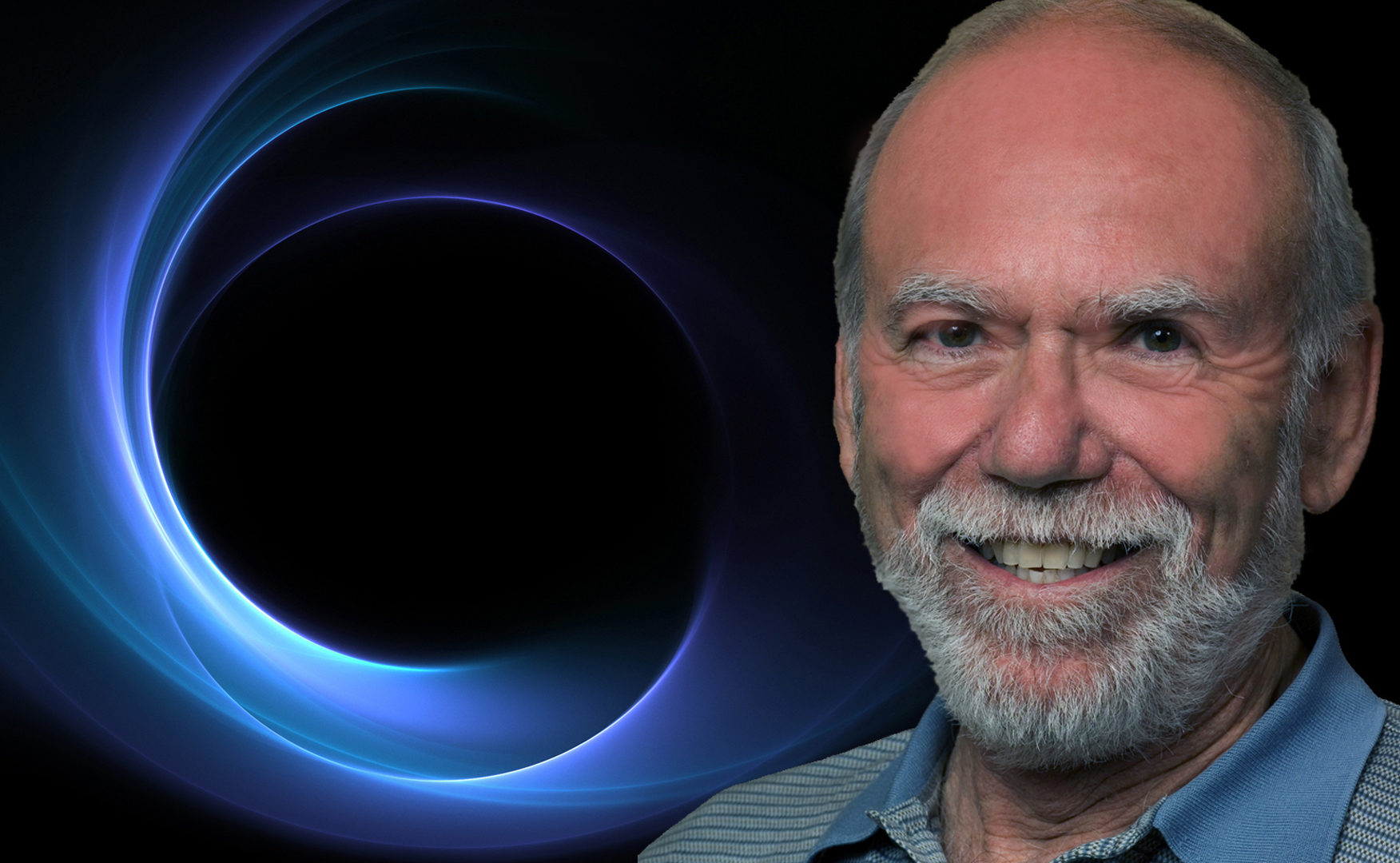
Acknowledging the scientists who blazed intellectual trails before him, Isaac Newton wrote, “If I have seen a little further it was by standing on the shoulders of giants.” In this special annual series, we invite our audience to stand on the shoulders of a modern-day giant. This year, we are honored to present an address by a titan of physics, Barry Barish.
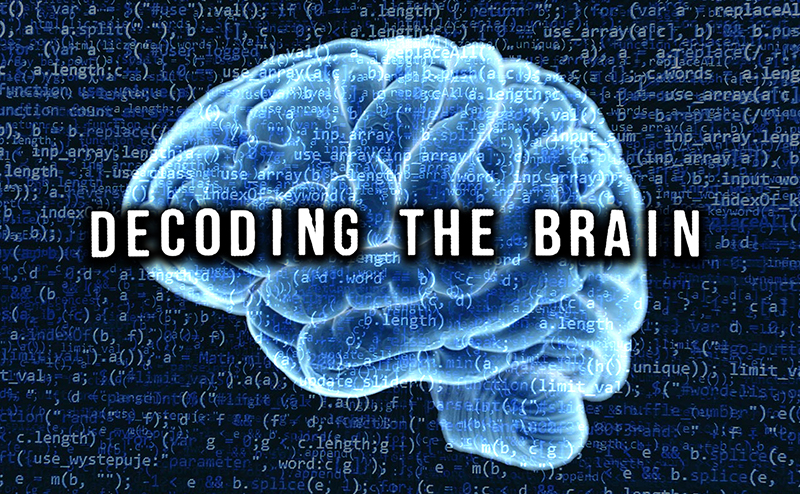
How does the brain retrieve memories, articulate words, and focus attention? Recent advances have provided a newfound ability to decipher, sharpen, and adjust electrical signals relevant to speech, attention, memory …
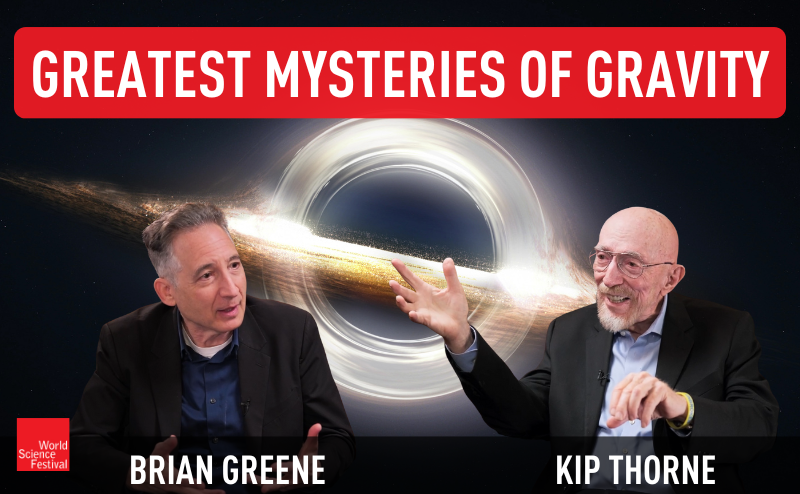
Nobel laureate Kip Thorne joins Brian Greene to trace a story that runs from the trenches of World War I to the rise of gravitational-wave astronomy—a journey that eventually carried …
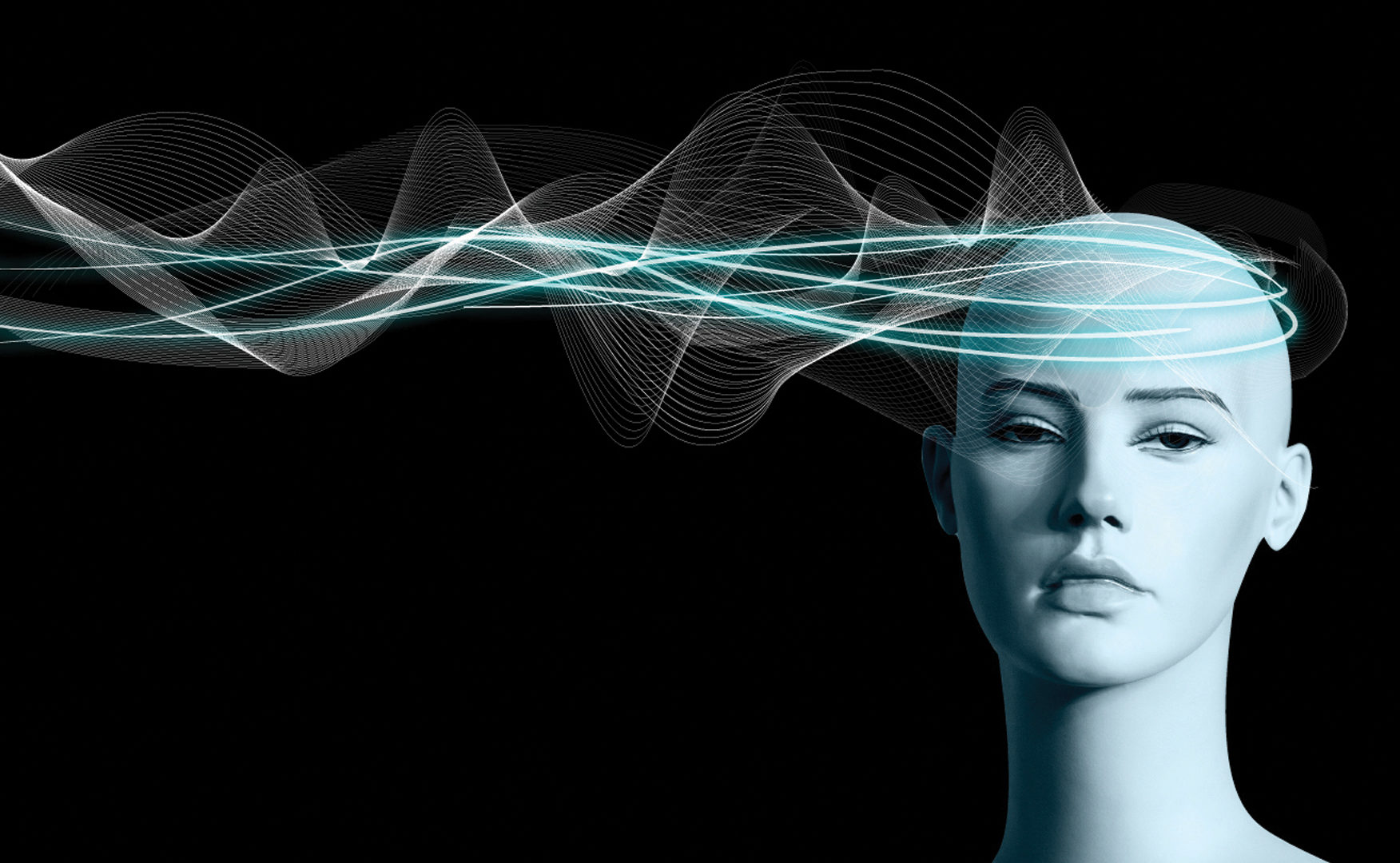
The notion of a “tortured genius” or “mad scientist” may be more than a romantic aberration. Research shows that bipolar disorder and schizophrenia correlate with high creativity and intelligence, raising tantalizing questions: What role does environment play in the path to mental illness?
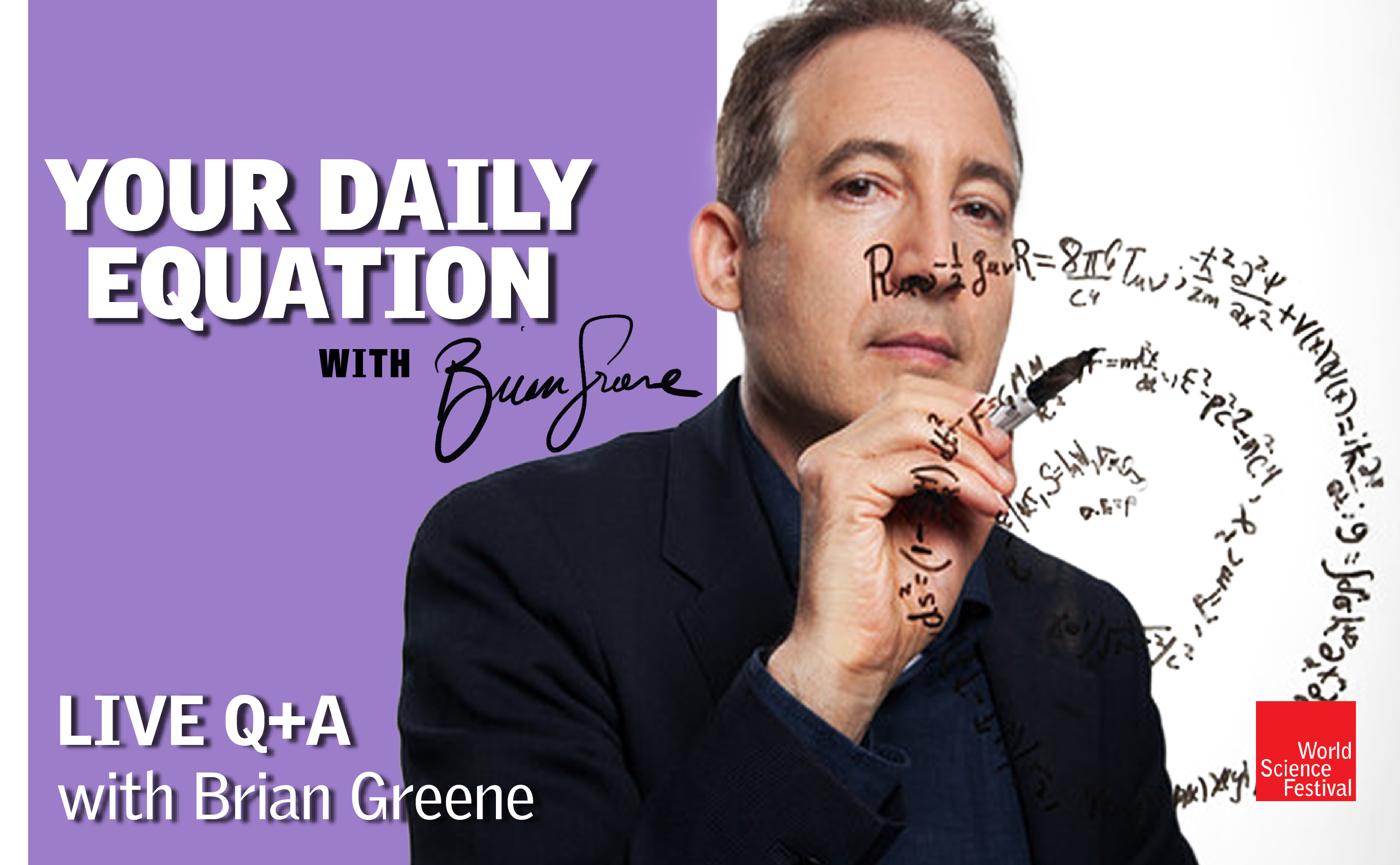
Join us for #YourDailyEquation with Brian Greene. Every Mon – Fri at 3pm EDT, Brian Greene will offer brief and breezy discussions of pivotal equations. Even if your math is a …