Search Icon

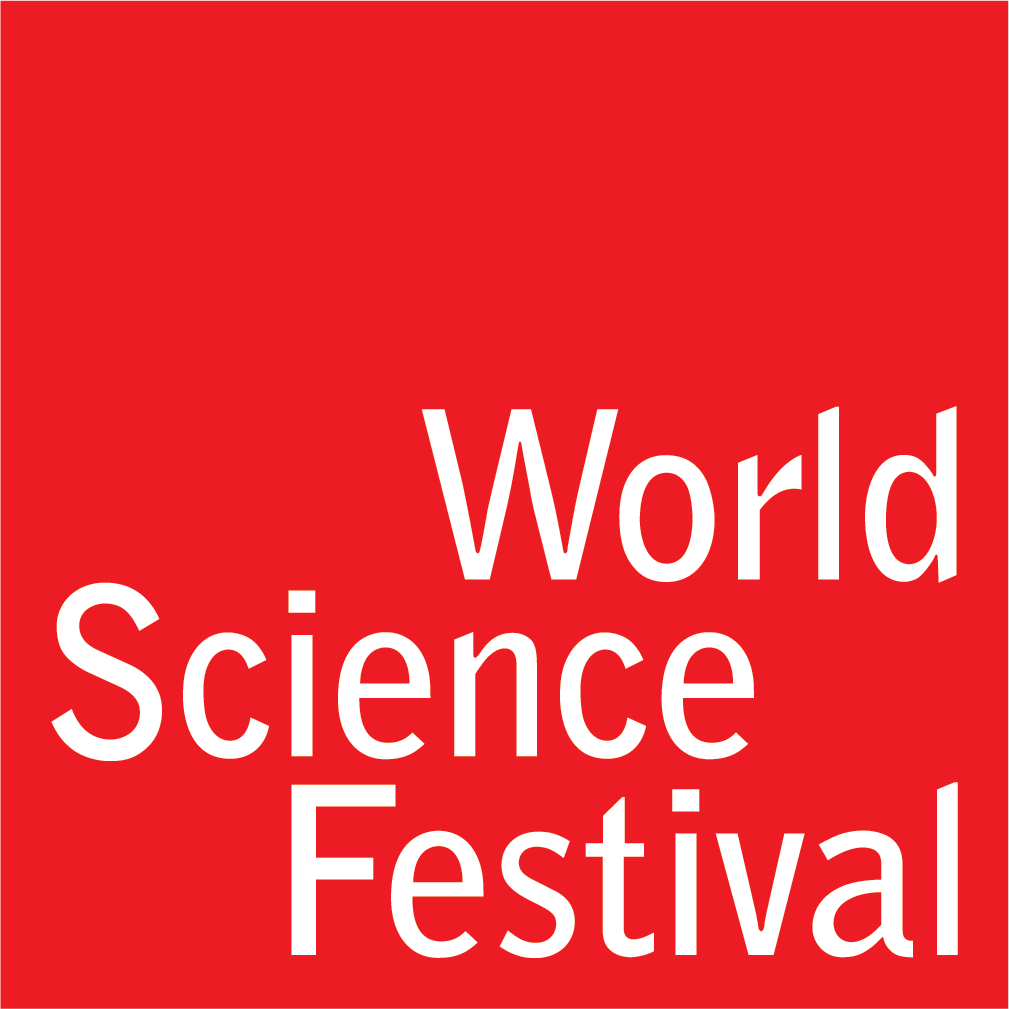


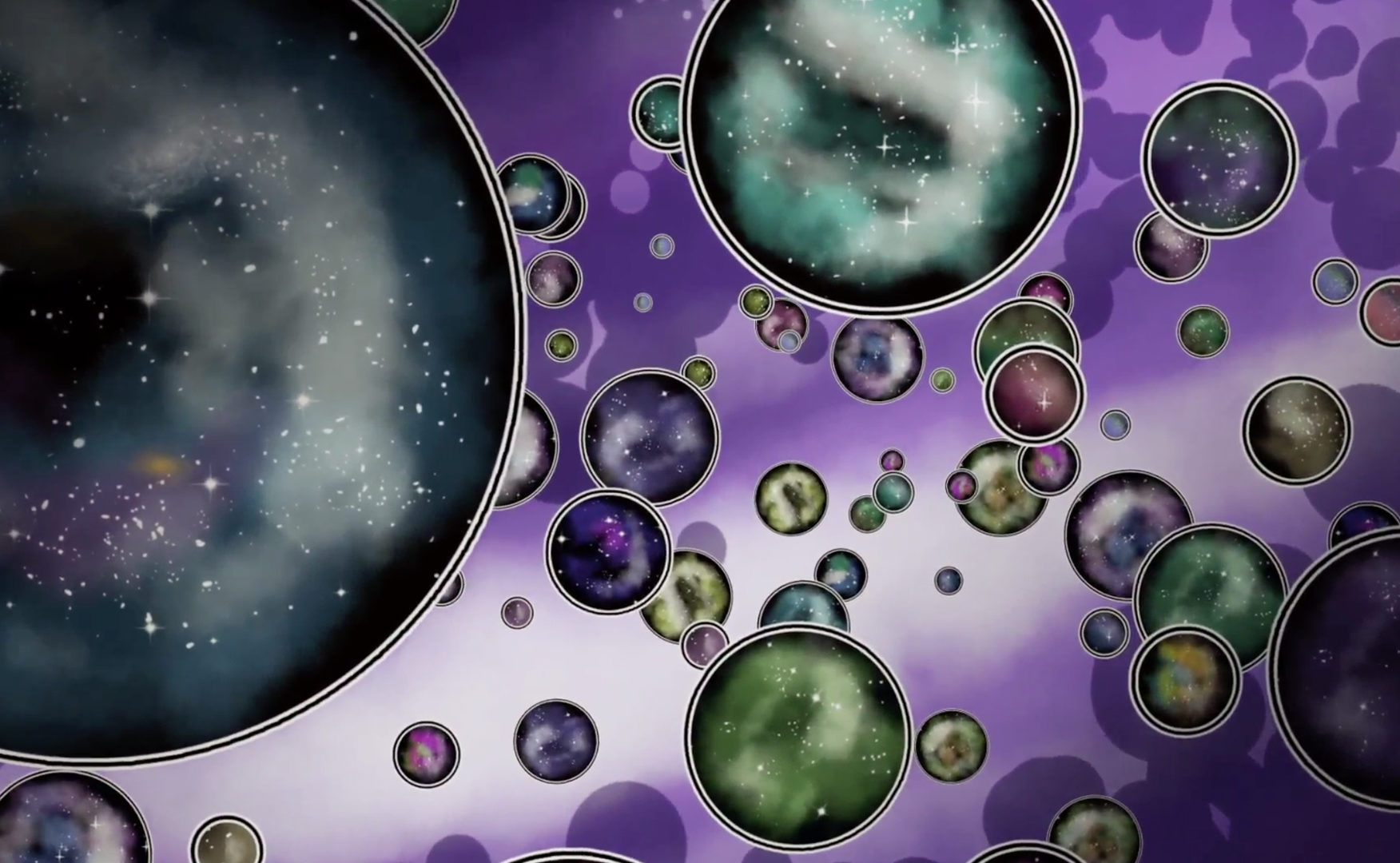
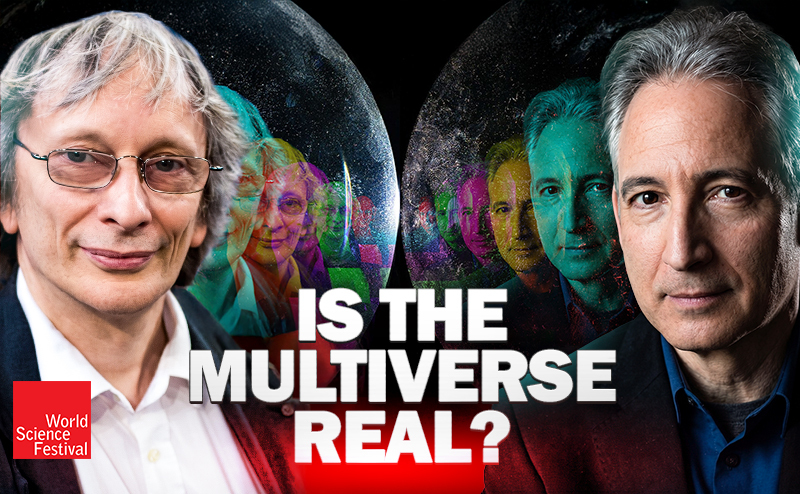
The inflationary theory of cosmology, an enduring theory about our universe and how it was formed, explains that just after the Big Bang, the universe went through a period of rapid expansion. This theory has been critical to understanding what’s going on in the cosmos today.

Neil Turok joins Brian Greene to describe his new ideas for curing the big bang singularity and providing a natural dark matter candidate, all while avoiding the conventional paradigm of …
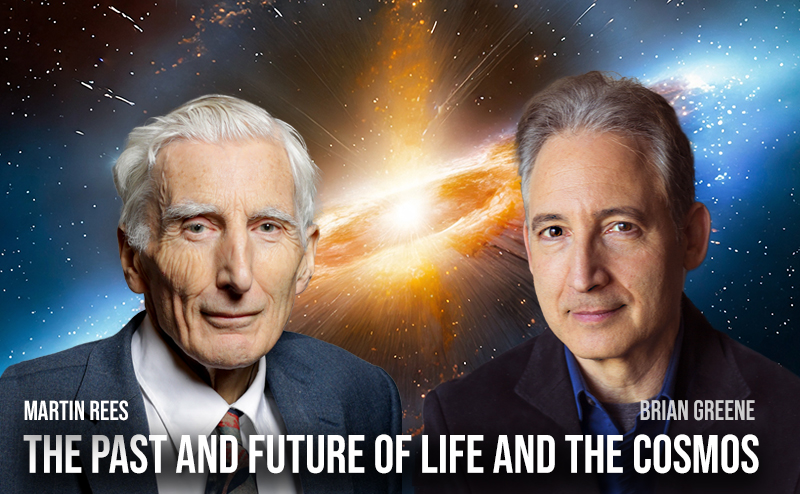
Join Brian Greene and Britain’s Astronomer Royal Martin Rees as they discuss challenges and opportunities swirling around cosmology–the big bang, dark matter, dark energy, and black holes–and the future of …

A compelling narrative is the true heart of science writing, whether it comes in the form of a science fiction classic like Frankenstein or a physicist’s blog posts. But what are the specific ways that writers illuminate and humanize science?
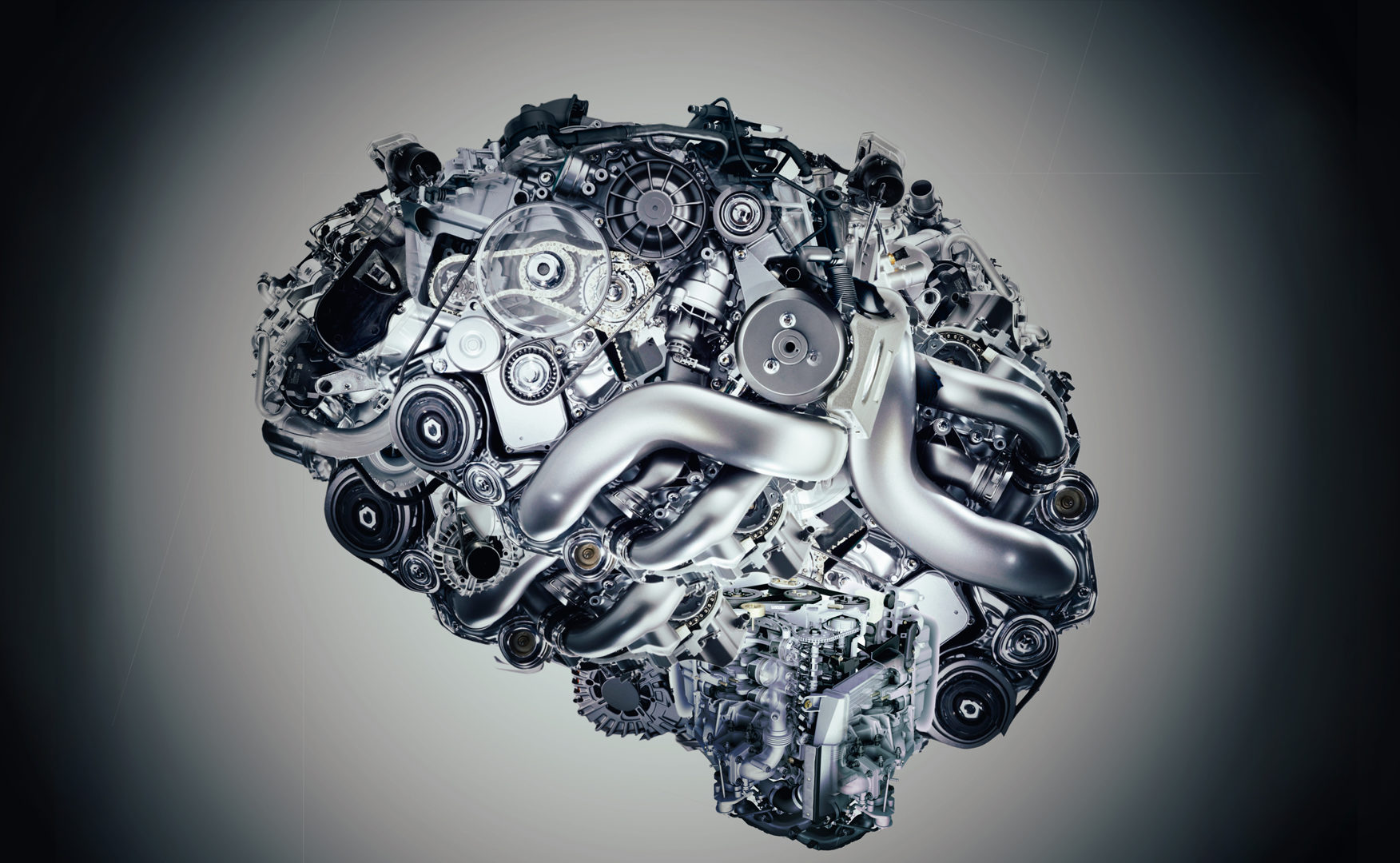
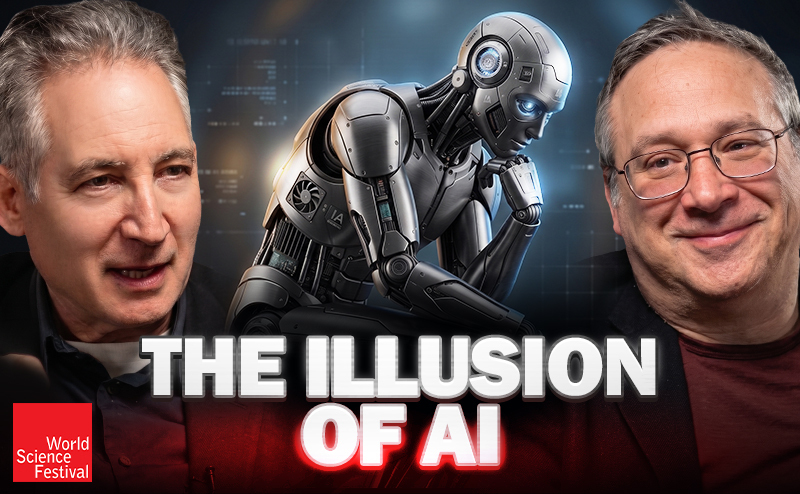
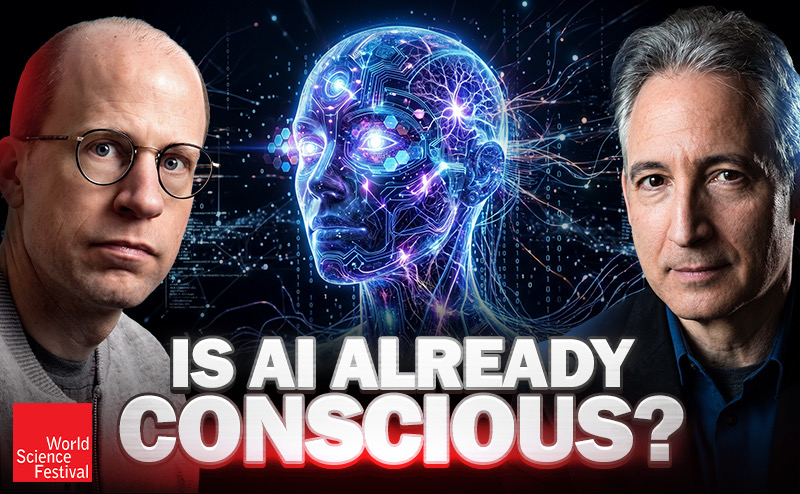
In recent years, machines have grown increasingly capable of listening, communicating, and learning—transforming the way they collaborate with us, and significantly impacting our economy, health, and daily routines. Who, or what, are these thinking machines? As we teach them to become more sophisticated, how will they complement our lives?

When listing clean renewable energy sources, solar, wind, and geothermal come to mind. But thanks to new reactor technologies, there’s a transformation afoot.