Search Icon




Humans work together on enormous scales to build complex tools as large as cities and create social networks that span the globe. What is the key to our success? This …
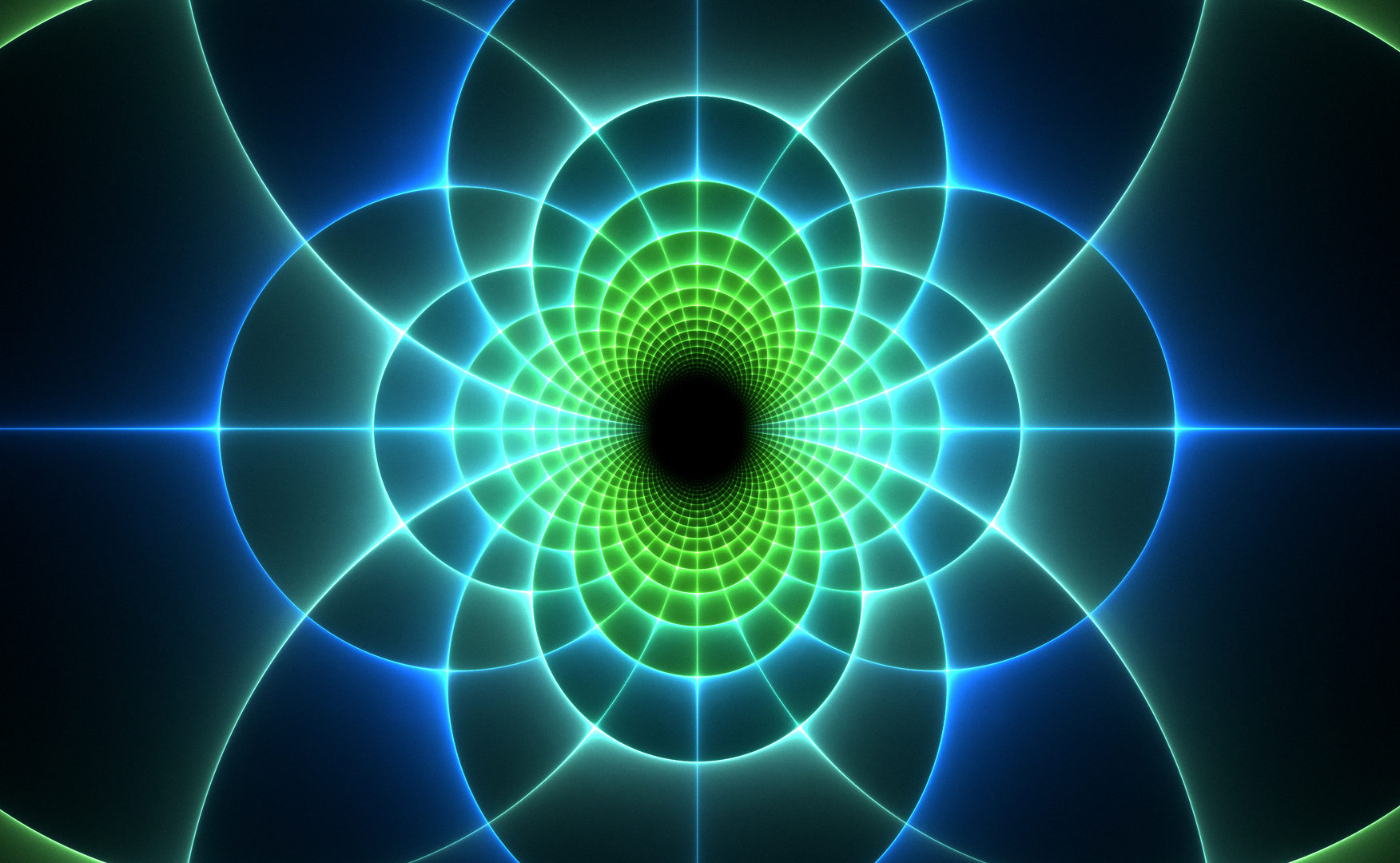
From a bee’s hexagonal honeycomb to the elliptical paths of planets, symmetry has long been recognized as a vital quality of nature. Today’s theorists are pursuing an even more exotic symmetry that, mathematically speaking, could be nature’s final fundamental symmetry: supersymmetry.
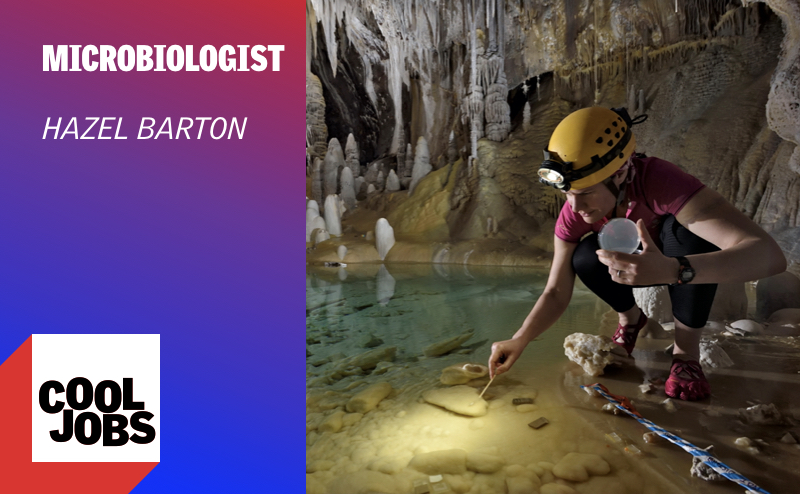
Microbiologist Hazel Barton goes spelunking in sticky mud, camping underground, and rope climbing in a atrium—all to research cures for antibiotic-resistant diseases. Episode filmed live at the 2009 World Science …
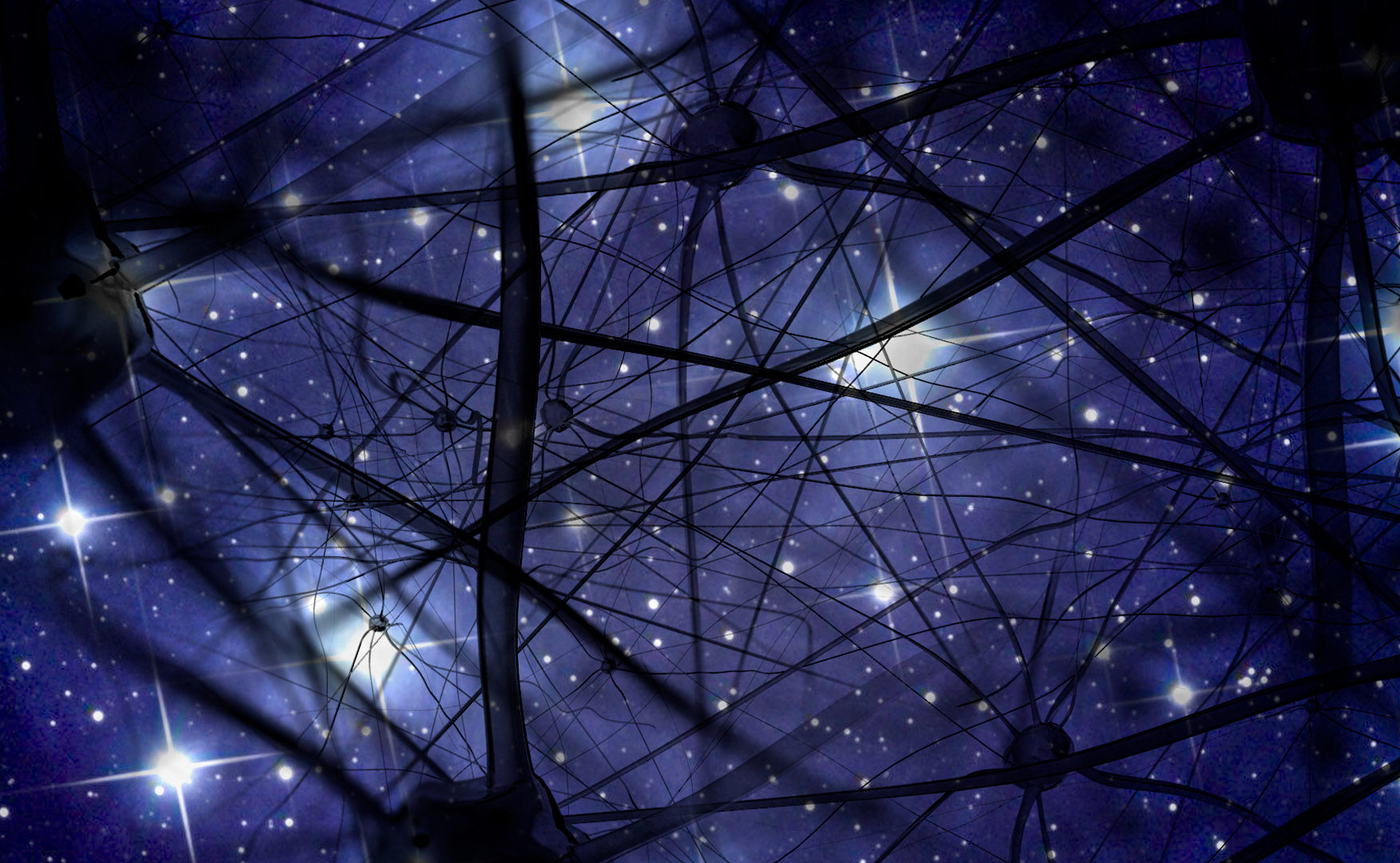
For all we understand about the universe, 96% of what’s out there still has scientists in the dark. Astronomical observations have established that familiar matter—atoms—accounts for only 4% of the weight of the cosmos. The rest—dark matter and dark energy—is invisible to our telescopes.
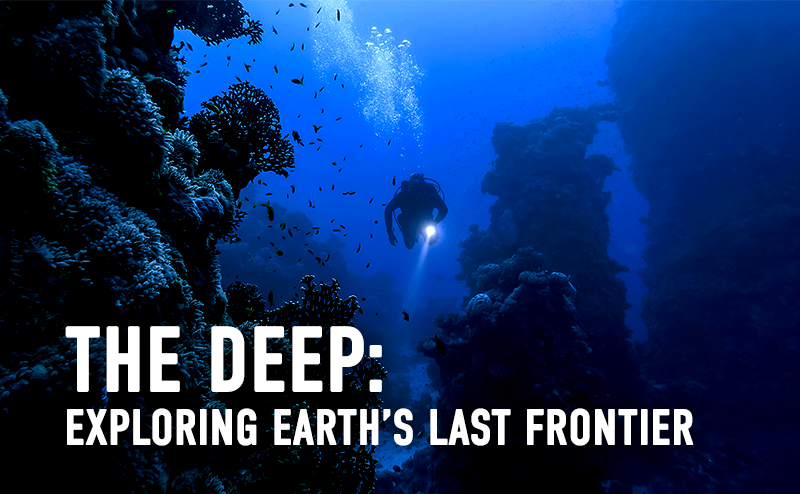
For centuries, humans believed the deep sea was lifeless, but new technologies have revealed that this previously hidden realm is home to rich ecosystems, mineral treasures, and an astounding kaleidoscope …
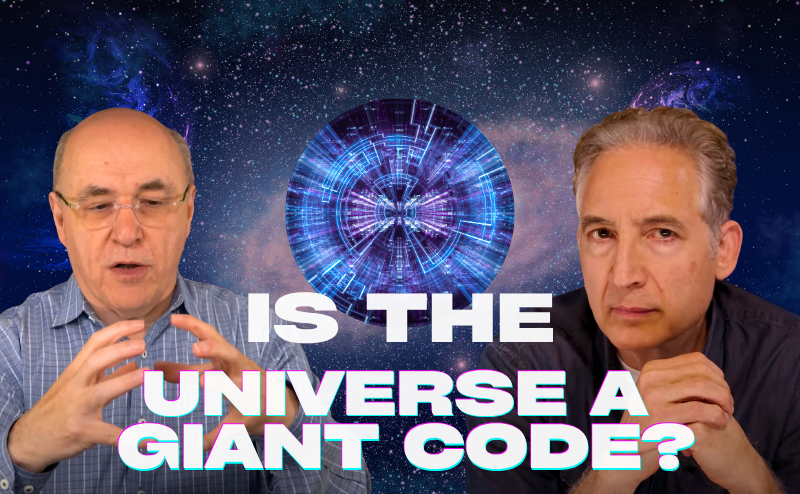
Stephen Wolfram joins Brian Greene to explore the computational basis of space, time, general relativity, quantum mechanics, and reality itself. This program is part of the Big Ideas series, supported …