Search Icon




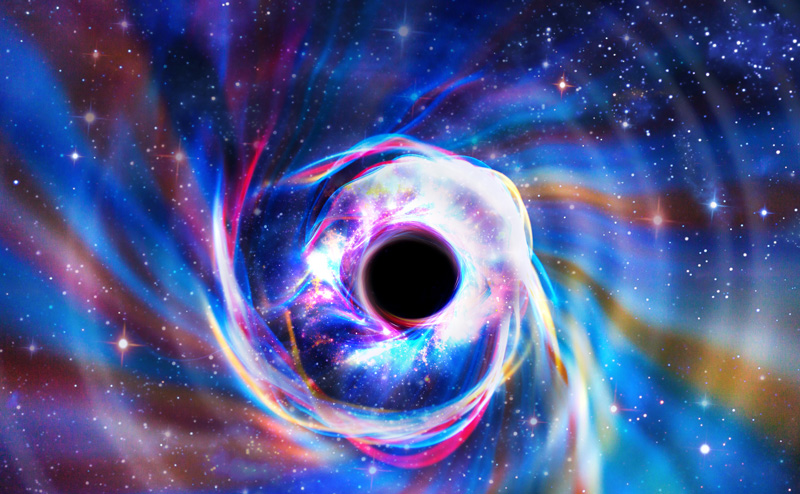
Black holes may hold the key to understanding the most fundamental truths of the universe, but how do you see something that’s, well, black? Astronomers think they have the answer. …
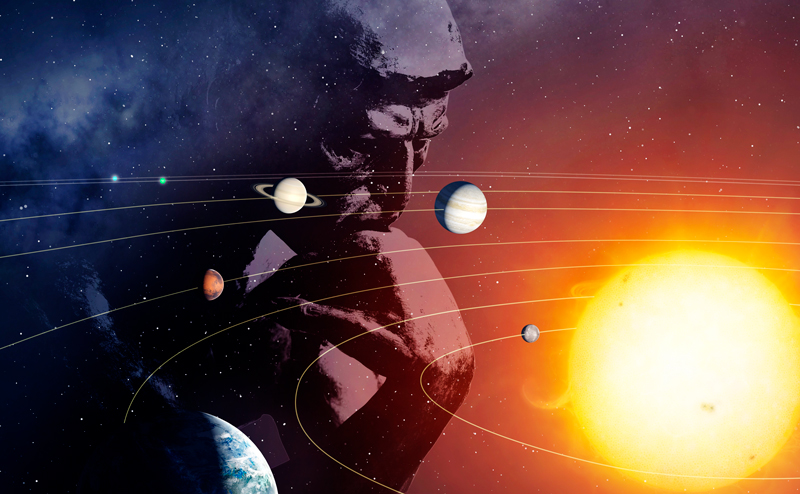
Is our universe unique or one of many? What happened before the Big Bang? Why is there something rather than nothing? Physicists and cosmologists are closing in on how the …
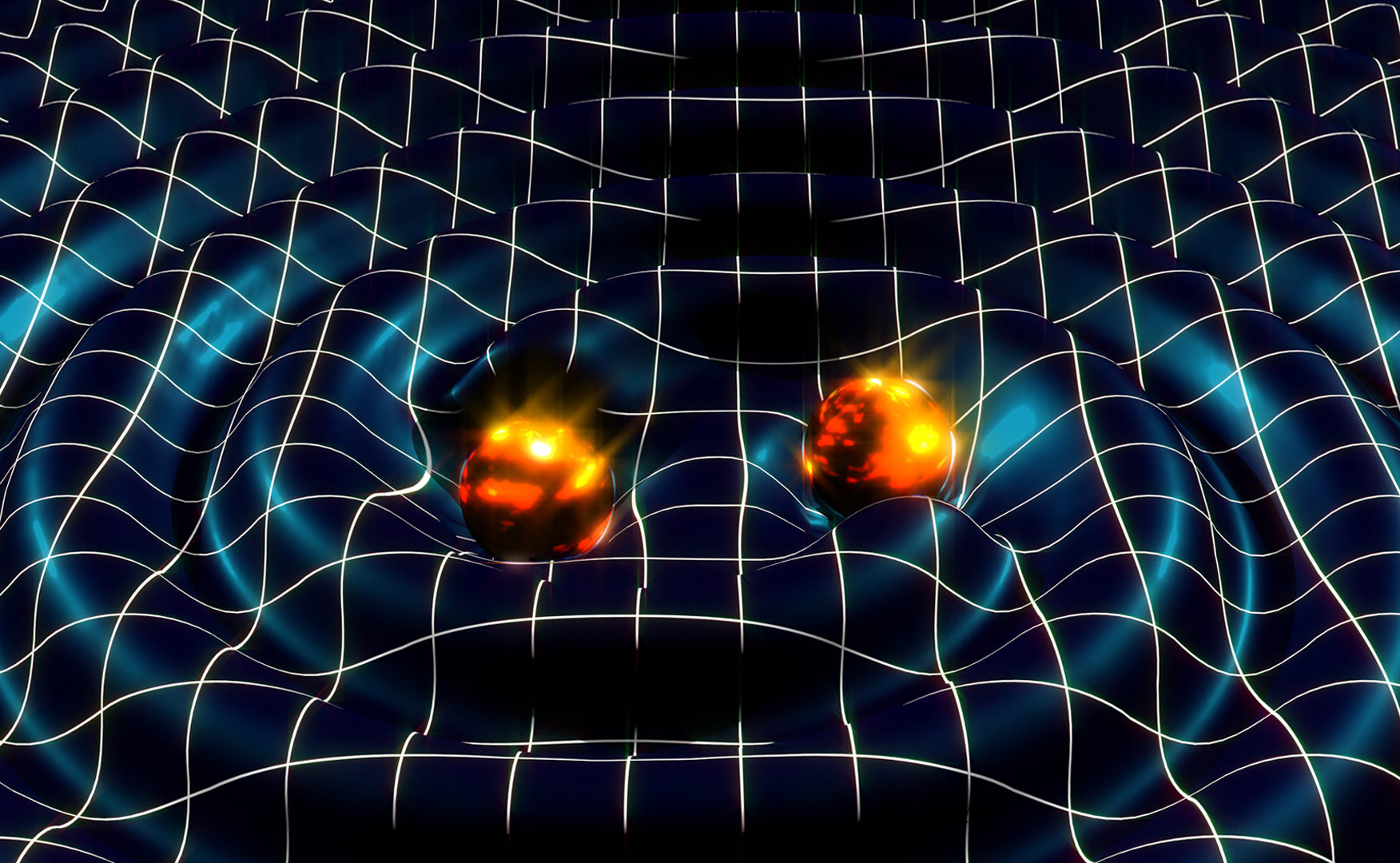
On September 14th, 2015, a ripple in the fabric of space, created by the violent collision of two distant black holes over a billion years ago, washed across the Earth. As it did, two laser-based detectors momentarily twitched, confirming a century-old prediction by Albert Einstein and marking the opening of a new era in astronomy.
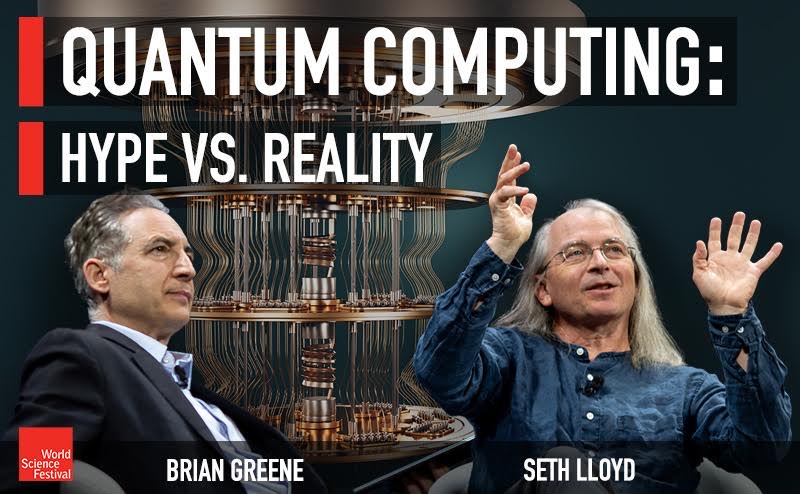
Are quantum computers the game-changer they’re described to be, or is the promise of exponential speedup overblown? Join pioneer Seth Lloyd and Brian Greene as they discuss how the fundamental …
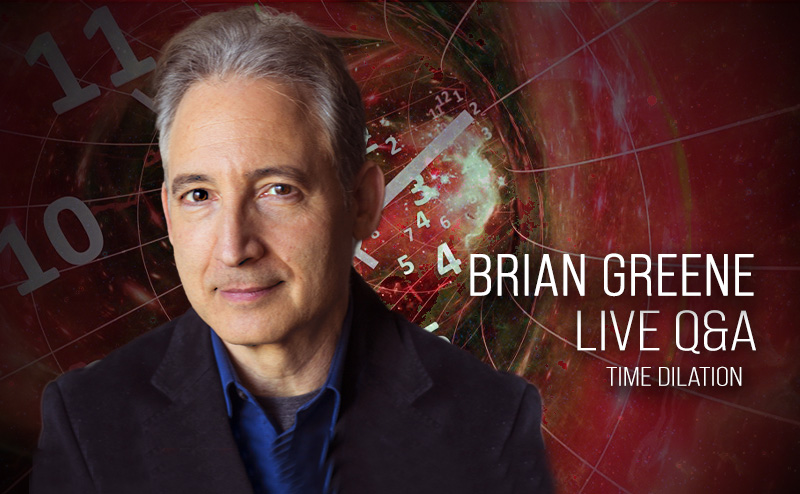
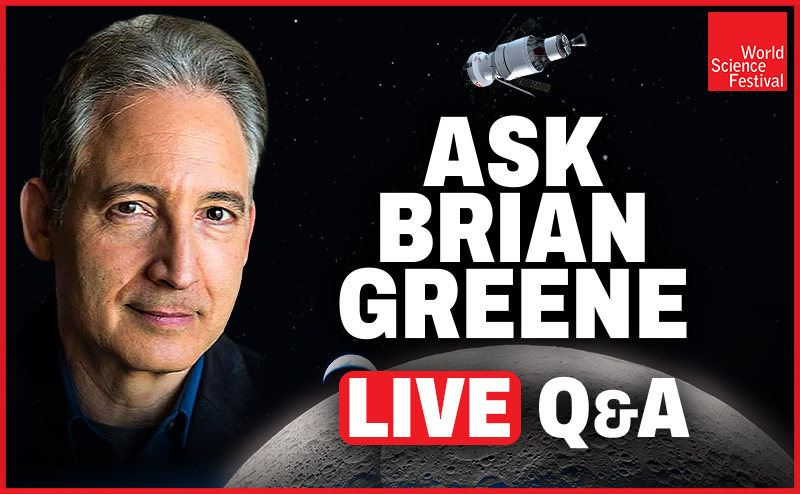
In his first World Science U Q+A session, Brian Greene takes questions on a variety of subjects including relativity, quantum, the cosmos and his WSU course, Space, Time and Einstein. …
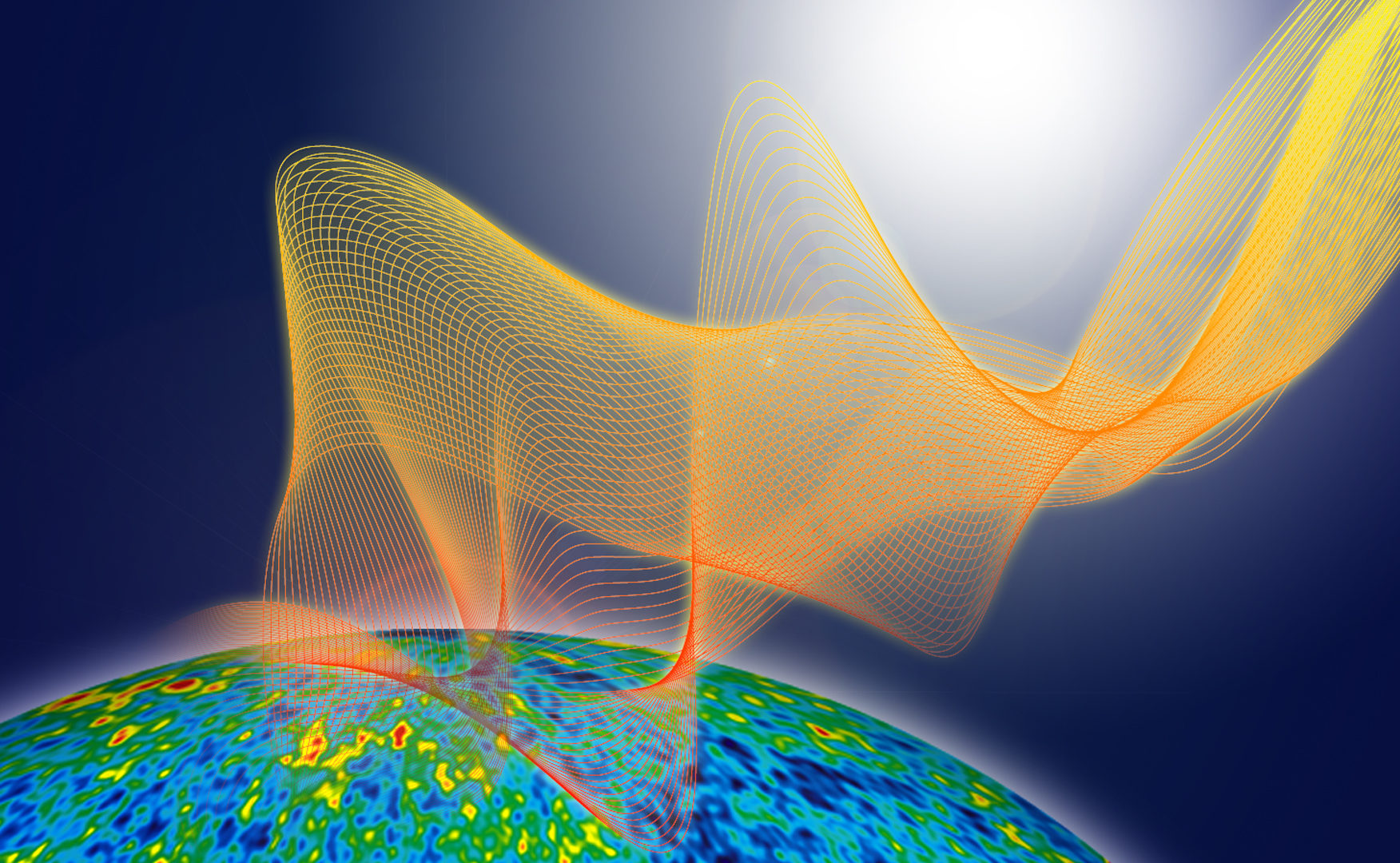
Cosmology is the one field in which researchers can—literally—witness the past. The cosmic background radiation, ancient light streaming toward us since the Big Bang, provides a pristine window onto the birth and evolution of the universe.