Search Icon




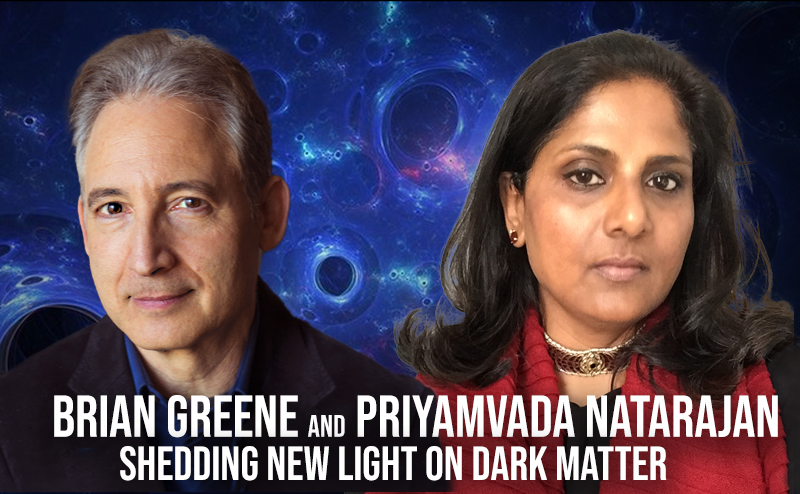
Enjoy Brian Greene’s thought-provoking conversation with Yale physics and astronomy professor Priyamvada Natarajan’s. Priyamvada’s latest research sheds new light on dark matter, with the potential to upend the whole dark …
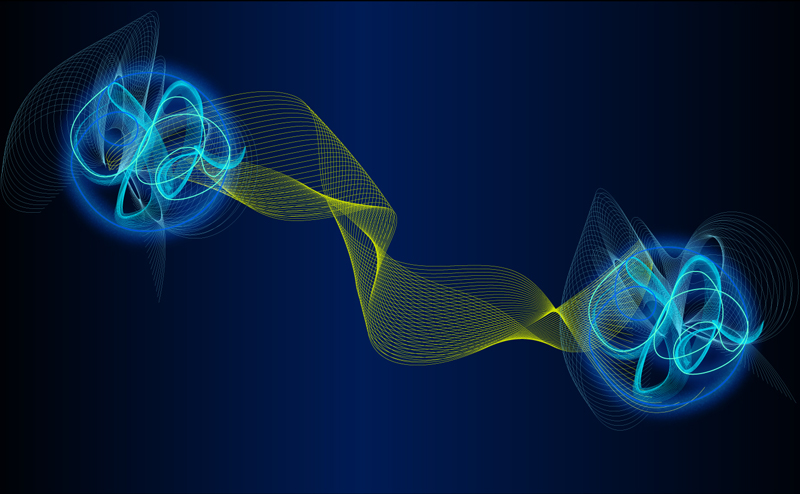
In 1935, Albert Einstein and two colleagues published a landmark paper revealing that quantum mechanics allows widely separated objects to influence one another, even though nothing travels between them. Einstein called it spooky and rejected the idea, arguing instead that it exposed a major deficiency in the quantum theory.
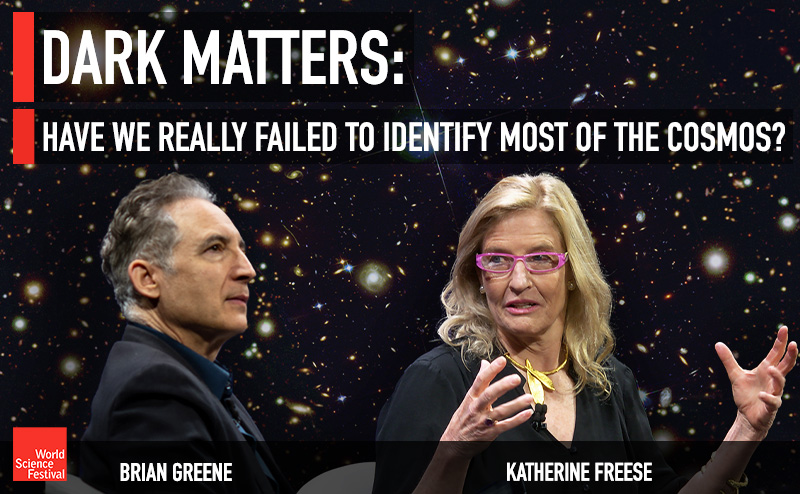
How confident are we that most matter in the universe has so far escaped detection? And if there is dark matter, might there be dark stars and even a dark …
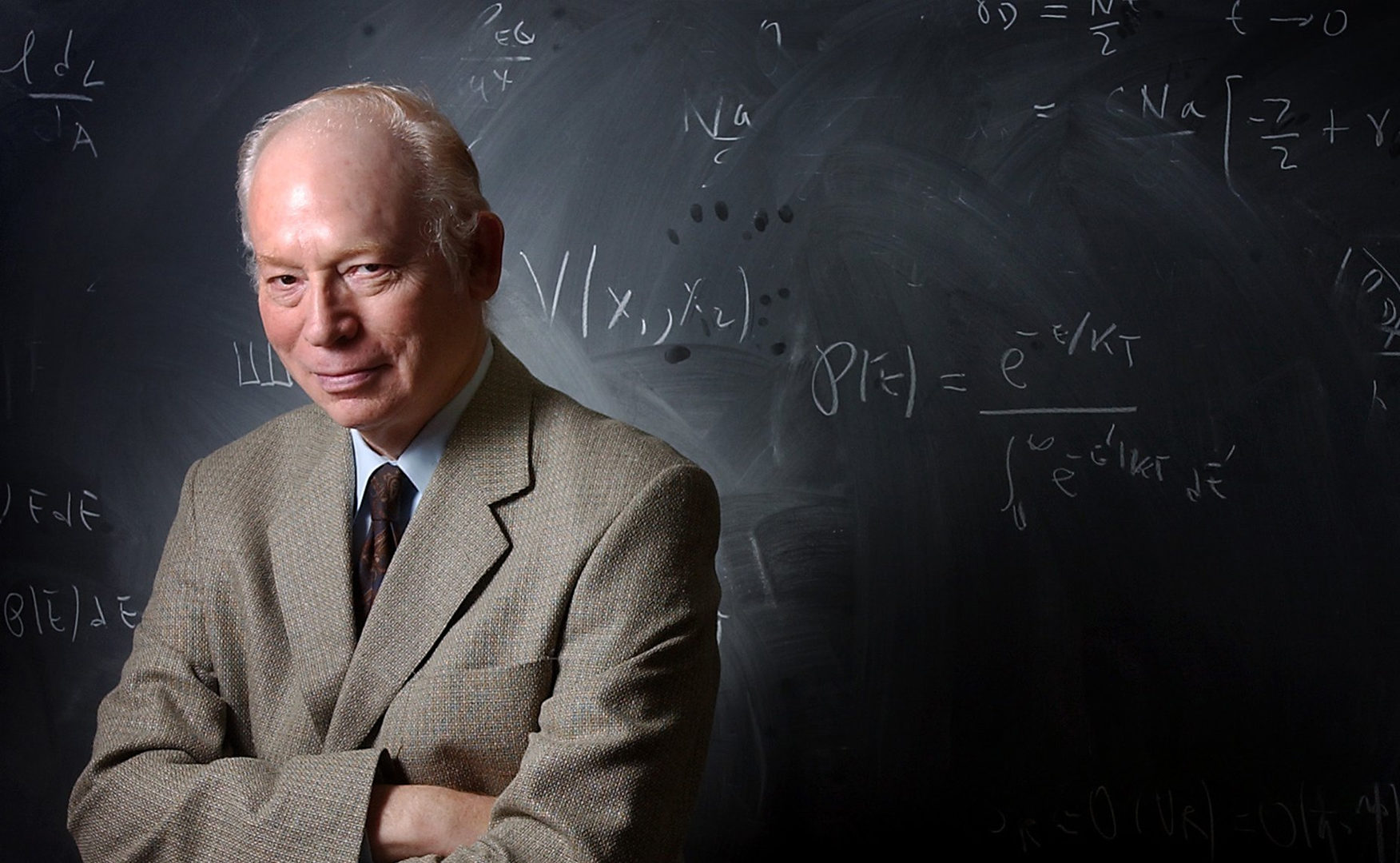
Nobel laureate Steven Weinberg was one of the world’s foremost theoretical physicists and a passionate advocate for science. Among his many influential contributions is the co-discovery of the electroweak theory …

Our genes strictly dictate our personalities, appearance and diseases. Or do they? Research has revealed that genes can turn on and off; they can be expressed for years and then silenced. Sometimes, they are never activated. And these genetic instructions—how and when DNA is read—can be determined by the experiences of one’s ancestors, even those several generations back.

Consciousness is a terrible curse. Or so says a character in screenwriter/director Charlie Kaufman’s Being John Malkovich. Part theater of the absurd and part neuroscience fiction, the Oscar-winning filmmaker’s work captures the splintering between what we perceive and what we feel as our brains grapple with multiple layers of reality.