Search Icon



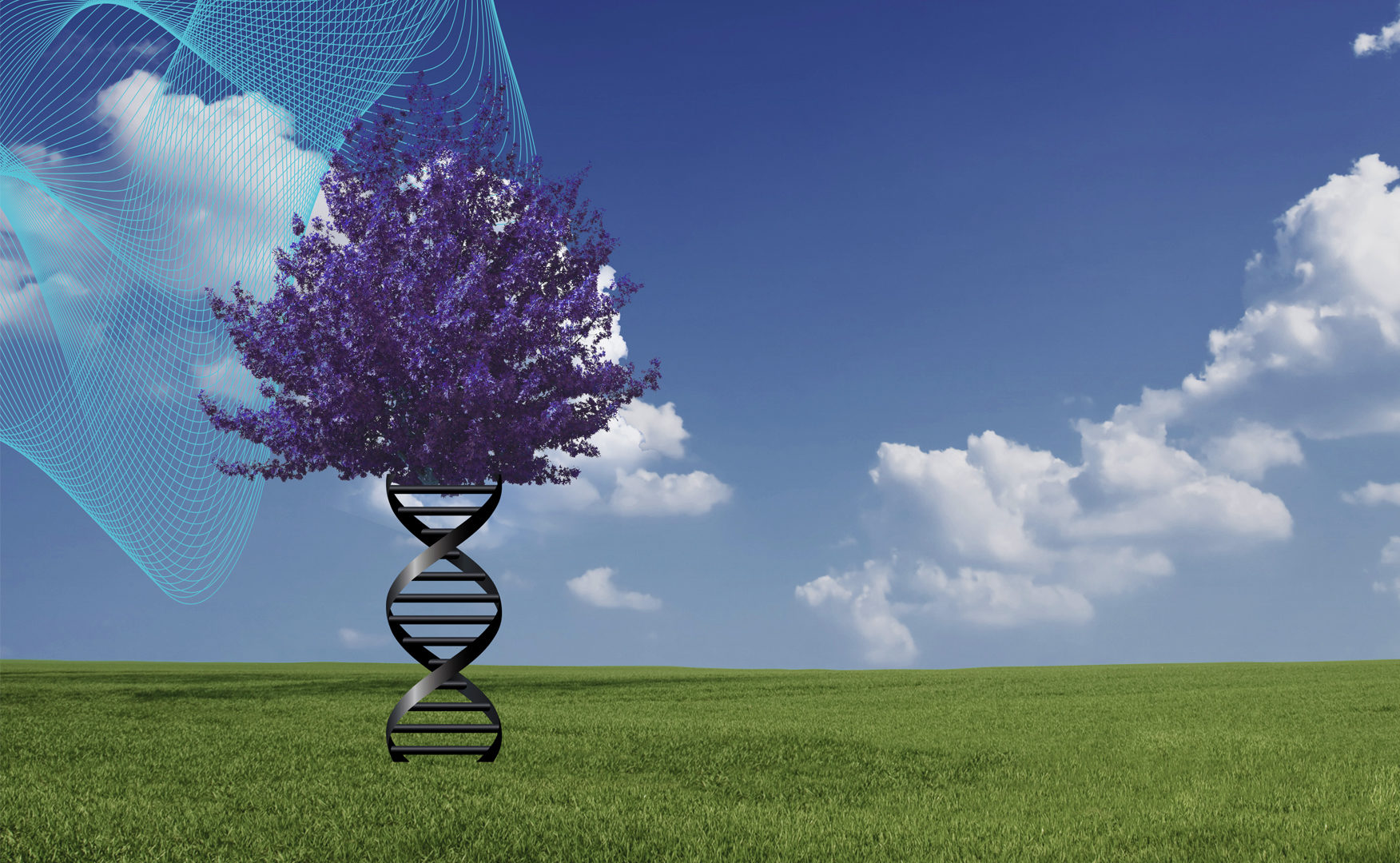
Our genes strictly dictate our personalities, appearance and diseases. Or do they? Research has revealed that genes can turn on and off; they can be expressed for years and then silenced. Sometimes, they are never activated. And these genetic instructions—how and when DNA is read—can be determined by the experiences of one’s ancestors, even those several generations back.

“Move fast and break things,” went the Silicon Valley rallying cry, and for a long time, we cheered along. Big Tech, in its infancy, spouted noble goals of bringing us …
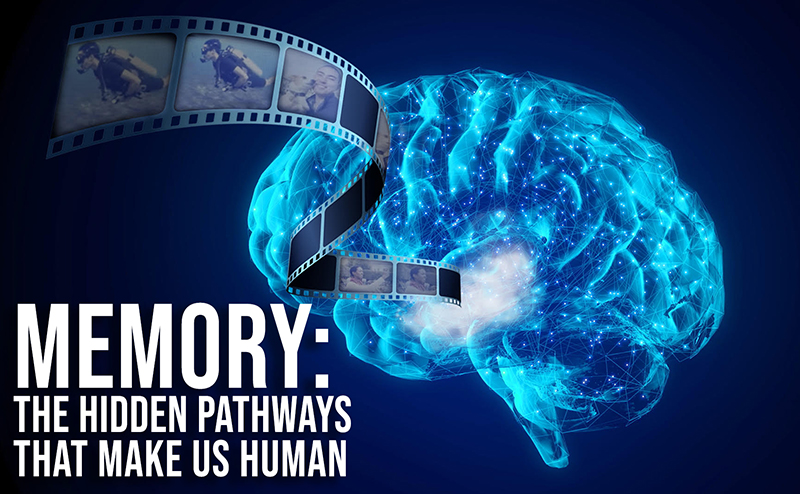
Memory defines us. Memory is the basis of our sense of self. But how do the structures of the mind store memories? What changes do memories imprint on the brain? …
Join a physicist, a neuroscientist, and a linguist as they explore the deep enigmas of time. Time feels like it flows, but does it? Time seems to have a built-in …
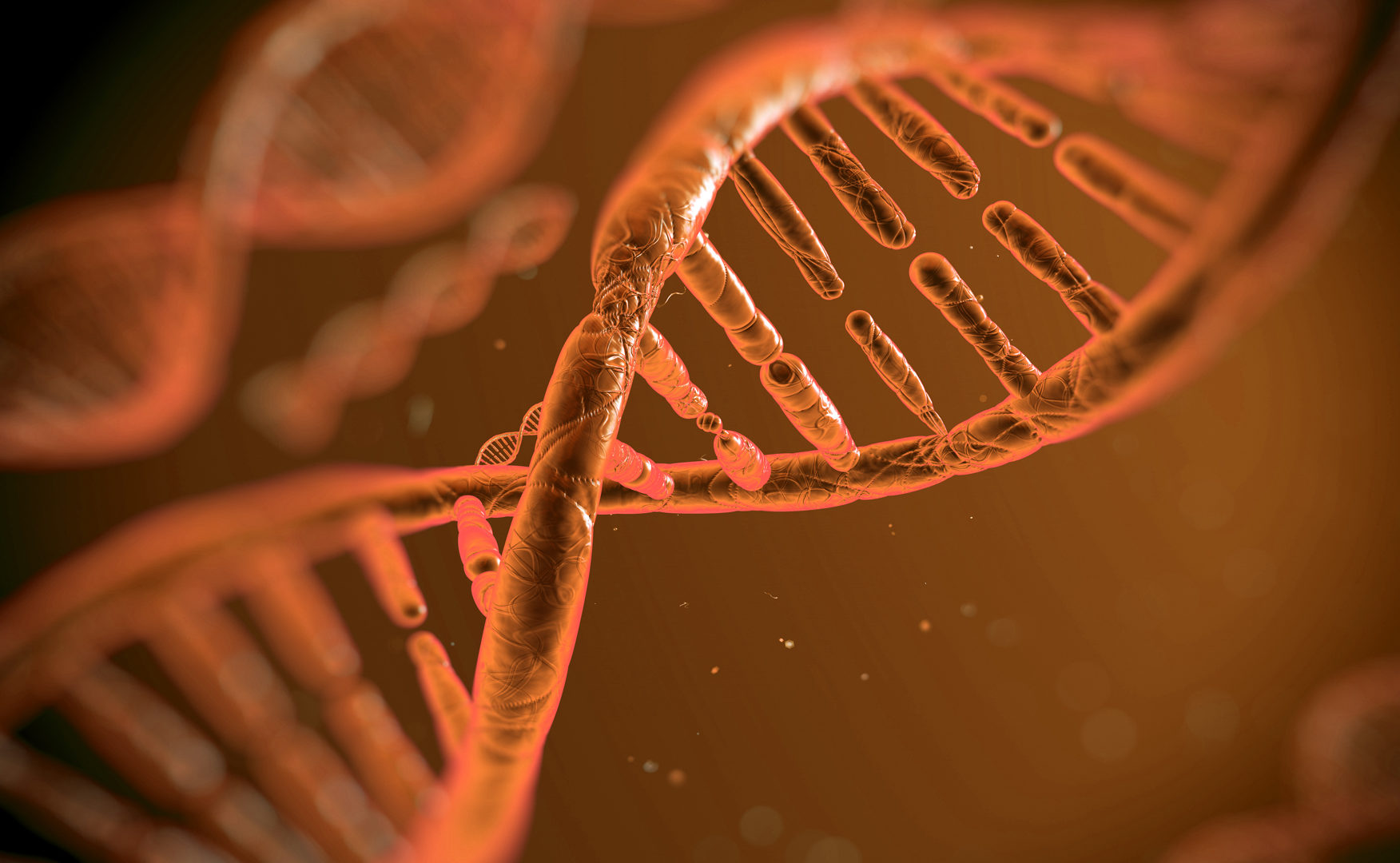
The deadly scourge of cancer has confounded doctors since ancient Egypt. Now, The Cancer Genome Atlas (modeled after the Human Genome Project) promises a new and powerful approach in this age-old battle.

Today, cryptography has moved beyond the realm of dilettantes and soldiers to become a sophisticated scientific art—combining mathematics, physics, computer science, and electrical engineering. It not only protects messages, but it also safeguards our privacy. From email to banking transactions, modern cryptography is used everywhere.