Search Icon




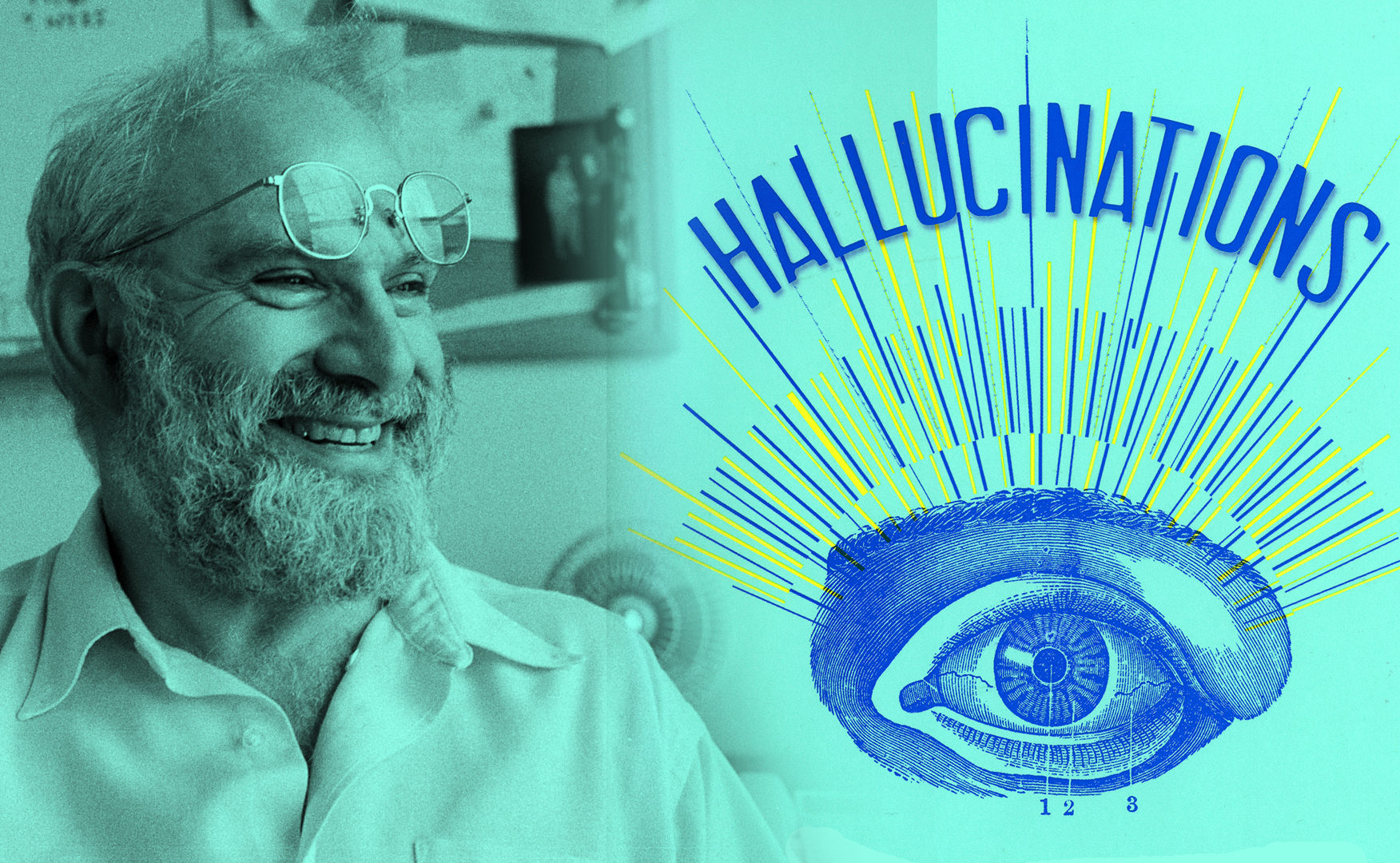
Famed neurologist Oliver Sacks joined award-winning journalist John Hockenberry to discuss Sacks’ latest book, which explores the bewitching and surreal world of hallucinations.
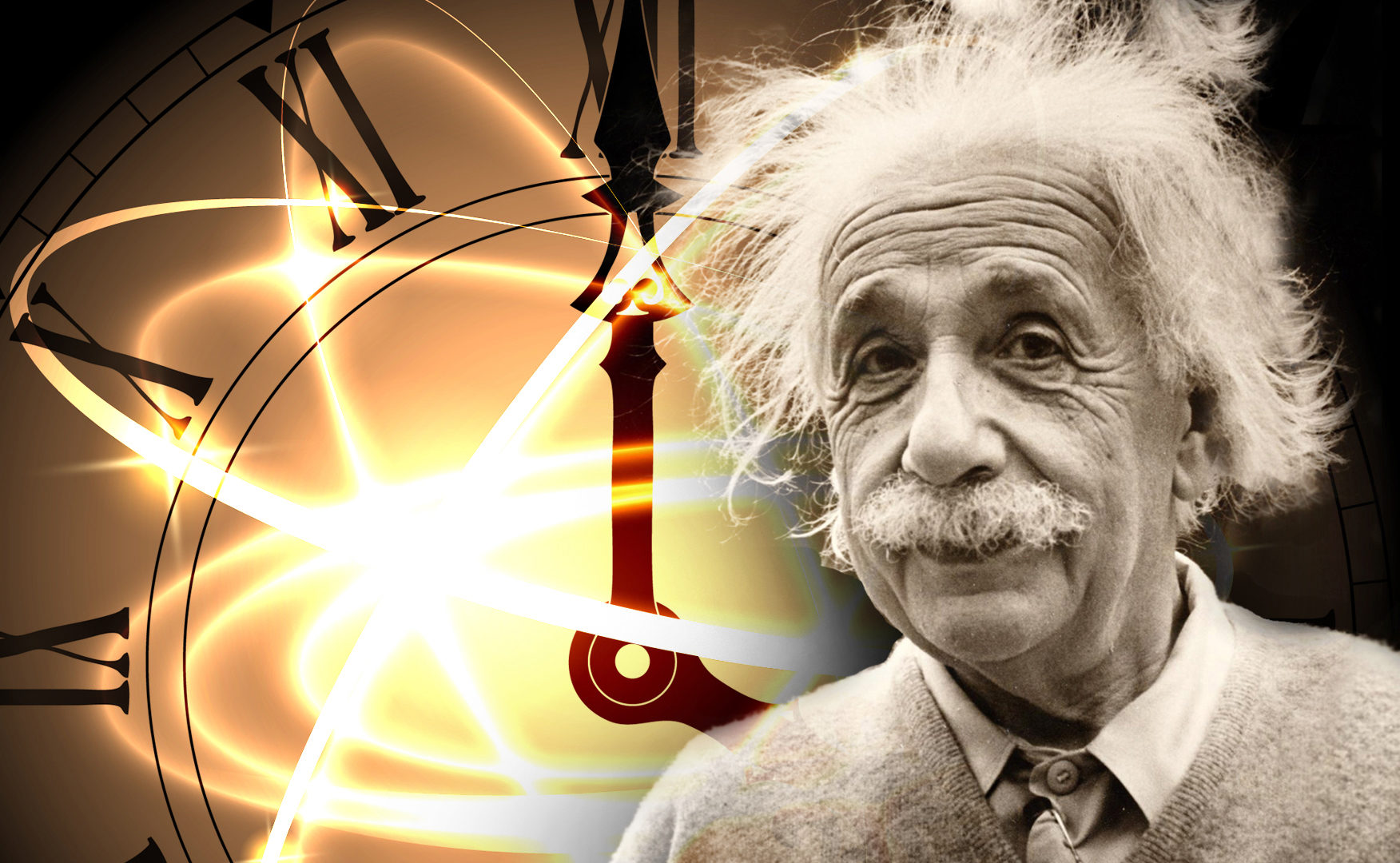
Albert Einstein shattered previous ideas about time, but left many pivotal questions unanswered: Does time have a beginning? An end? Why does it move in only one direction? Is it real, or something our minds impose on reality?
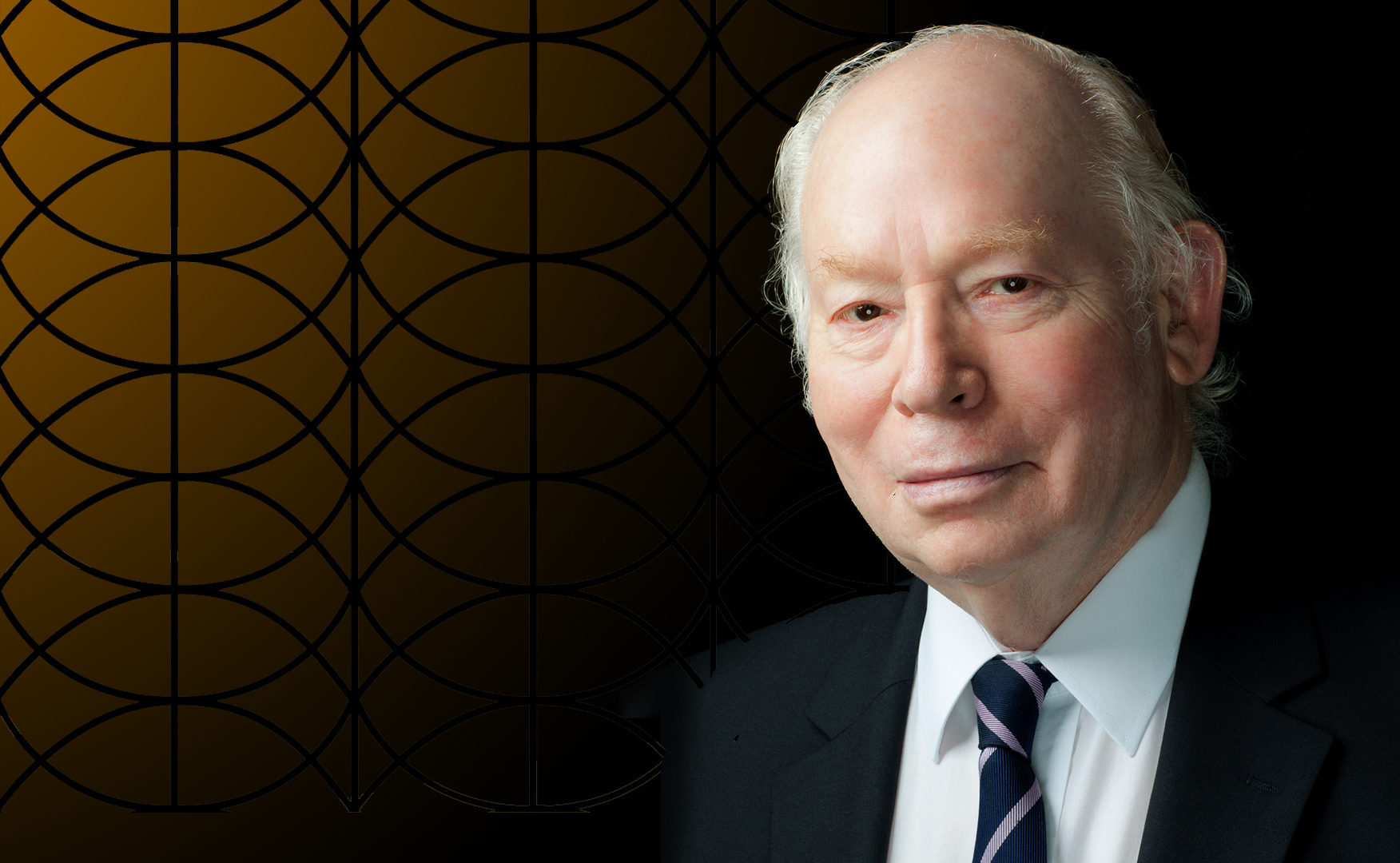
For this year’s inaugural address, “The Future of Big Science,” Nobel laureate and physicist Steven Weinberg considers the future of fundamental physics, especially as funding for basic research is reduced. Weinberg will explore physics’ small origins, starting with the discovery of the atomic nucleus 100 years ago by a single scientist.
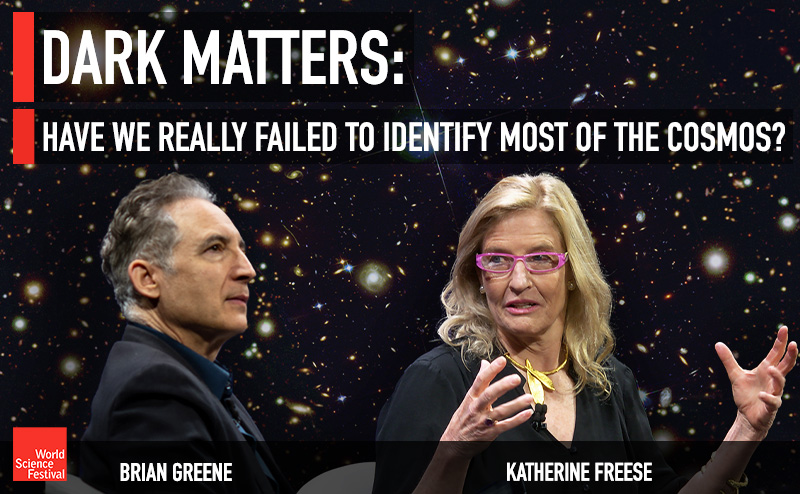
How confident are we that most matter in the universe has so far escaped detection? And if there is dark matter, might there be dark stars and even a dark …
What happened to all of the universe’s antimatter? Can a particle be its own anti-particle? And how do you build an experiment to find out? In this program, particle physicists …
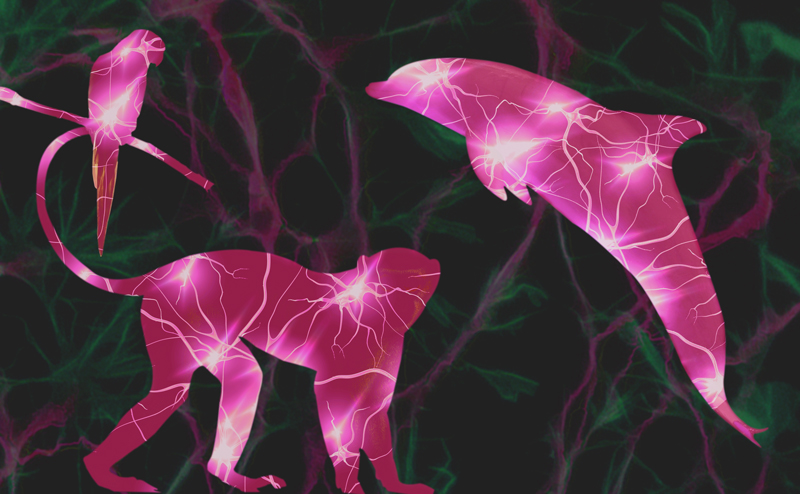
Intelligence was once thought to be uniquely human. But researchers have discovered astonishing cognitive abilities in many other species—not just our close cousins like chimps, or fellow mammals like dolphins—but …