Search Icon




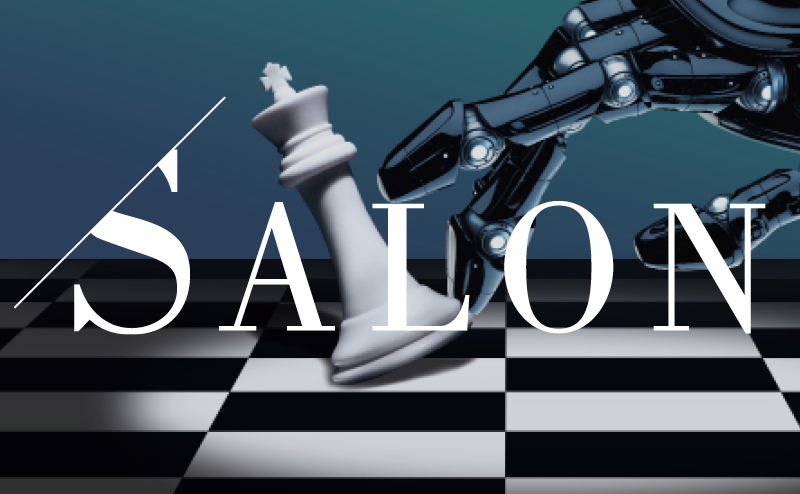
IBM’s Watson has the ability to make a diagnosis. Apps can track and monitor patient emergencies. Our phones may soon be our medical advisers. Preventive and diagnostic medicine is on the cusp of an AI revolution that will no doubt save lives.
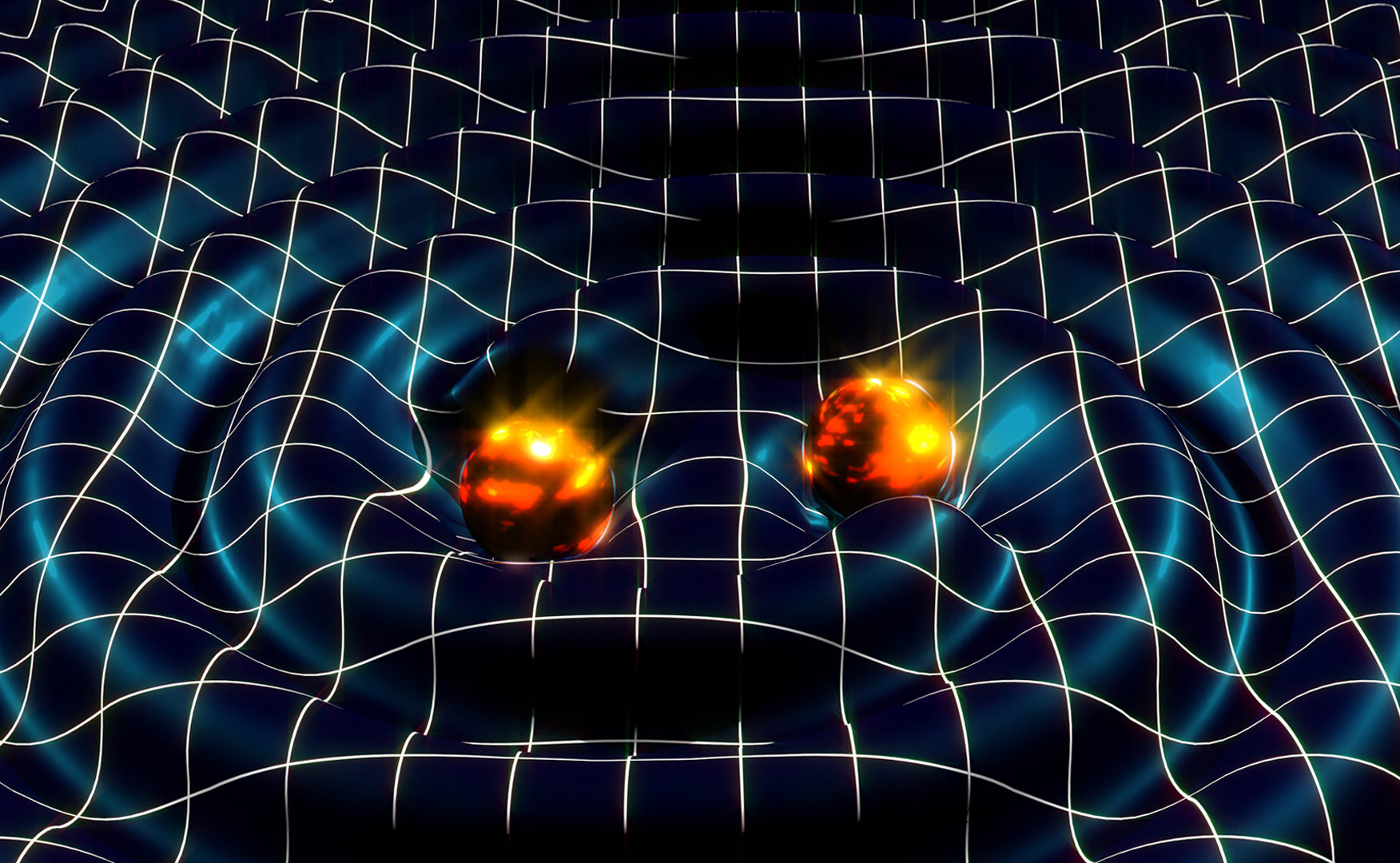
On September 14th, 2015, a ripple in the fabric of space, created by the violent collision of two distant black holes over a billion years ago, washed across the Earth. As it did, two laser-based detectors momentarily twitched, confirming a century-old prediction by Albert Einstein and marking the opening of a new era in astronomy.
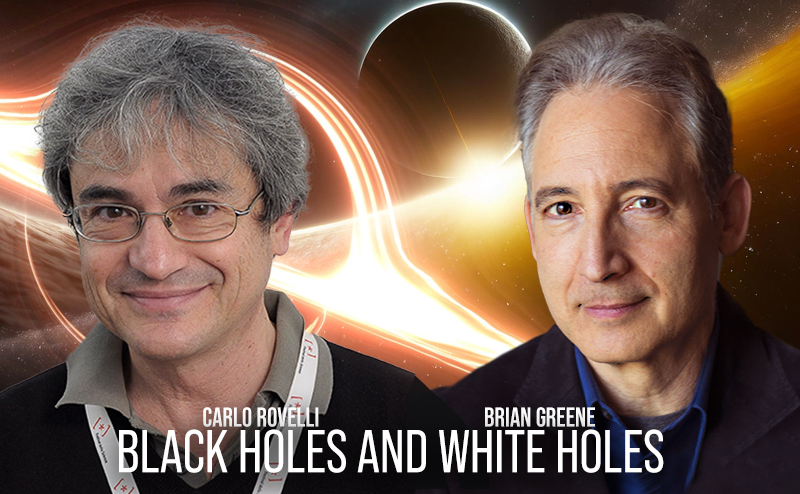
Progress in the last decade has established that black holes are real, but what about their time-reversed cousins, white holes? Renowned physicist and author Carlo Rovelli joins Brian Greene to …
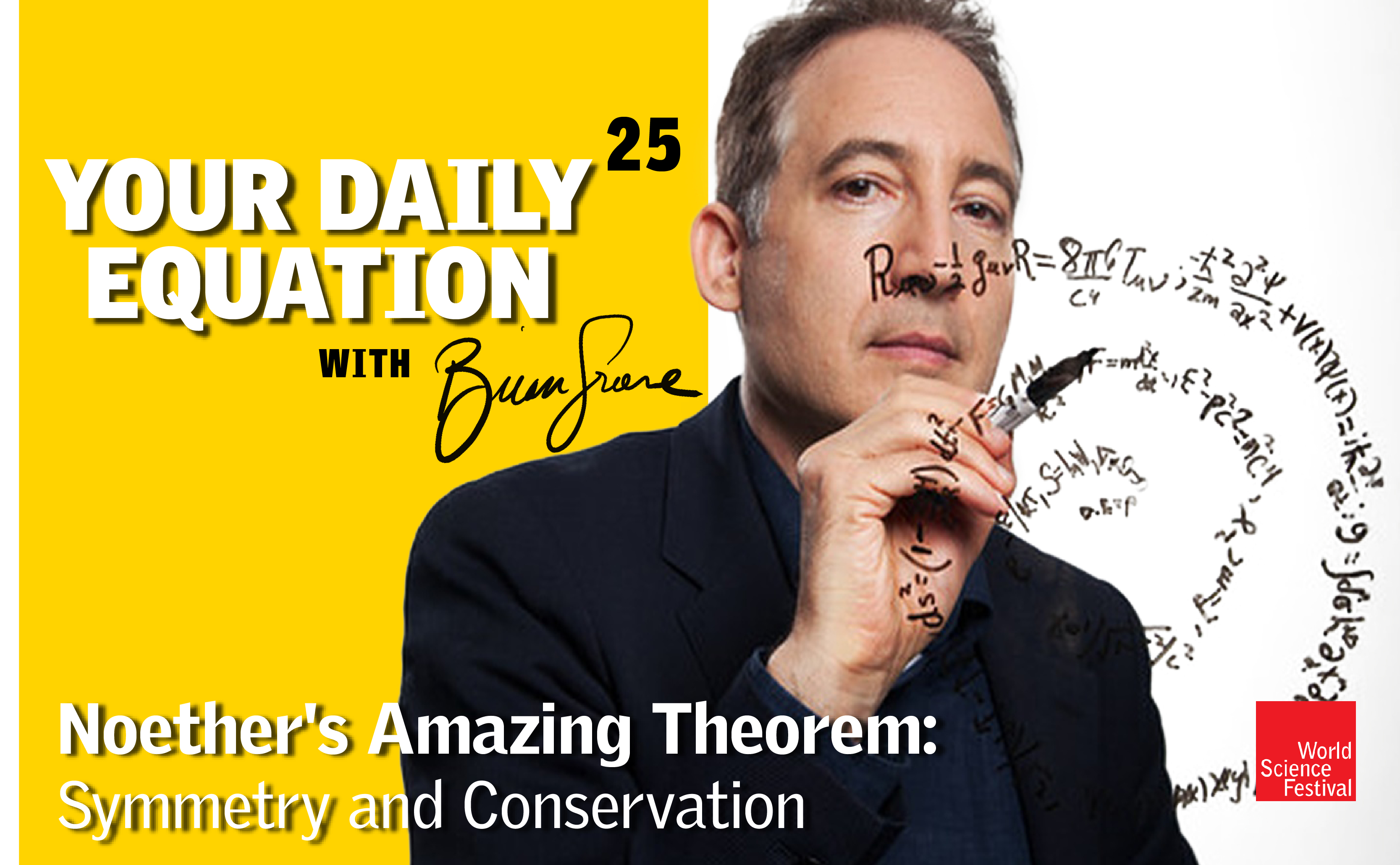
Join us for #YourDailyEquation with Brian Greene. Every Mon – Fri at 3pm EDT, Brian Greene will offer brief and breezy discussions of pivotal equations. Even if your math is a …
Intelligence was once thought to be uniquely human. But researchers have discovered astonishing cognitive abilities in many other species—not just our close cousins like chimps, or fellow mammals like dolphins—but …

The nature of time is an age-old conundrum for physicists, philosophers, biologists and theologians. The Newtonian picture of time—a kind of cosmic clock that ticks off time in a manner that applies identically to everyone and everything—tightly aligns with our experience. But with special and general relativity, Einstein showed the fallacy inherent in experience.