Search Icon




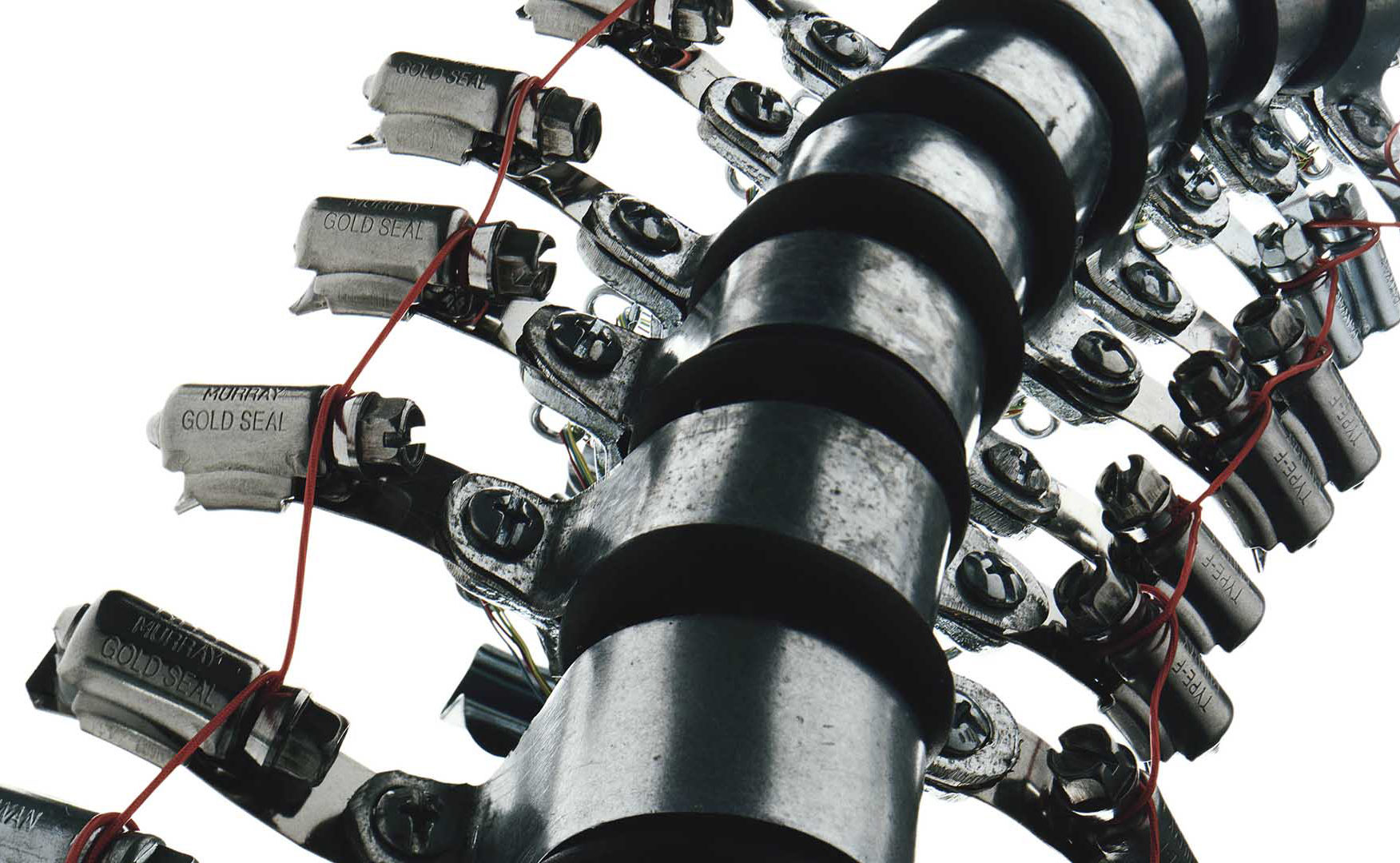
In the future, a woman with a spinal cord injury could make a full recovery; a baby with a weak heart could pump his own blood. How close are we today to the bold promise of bionics—and could this technology be used to improve normal human functions, as well as to repair us?
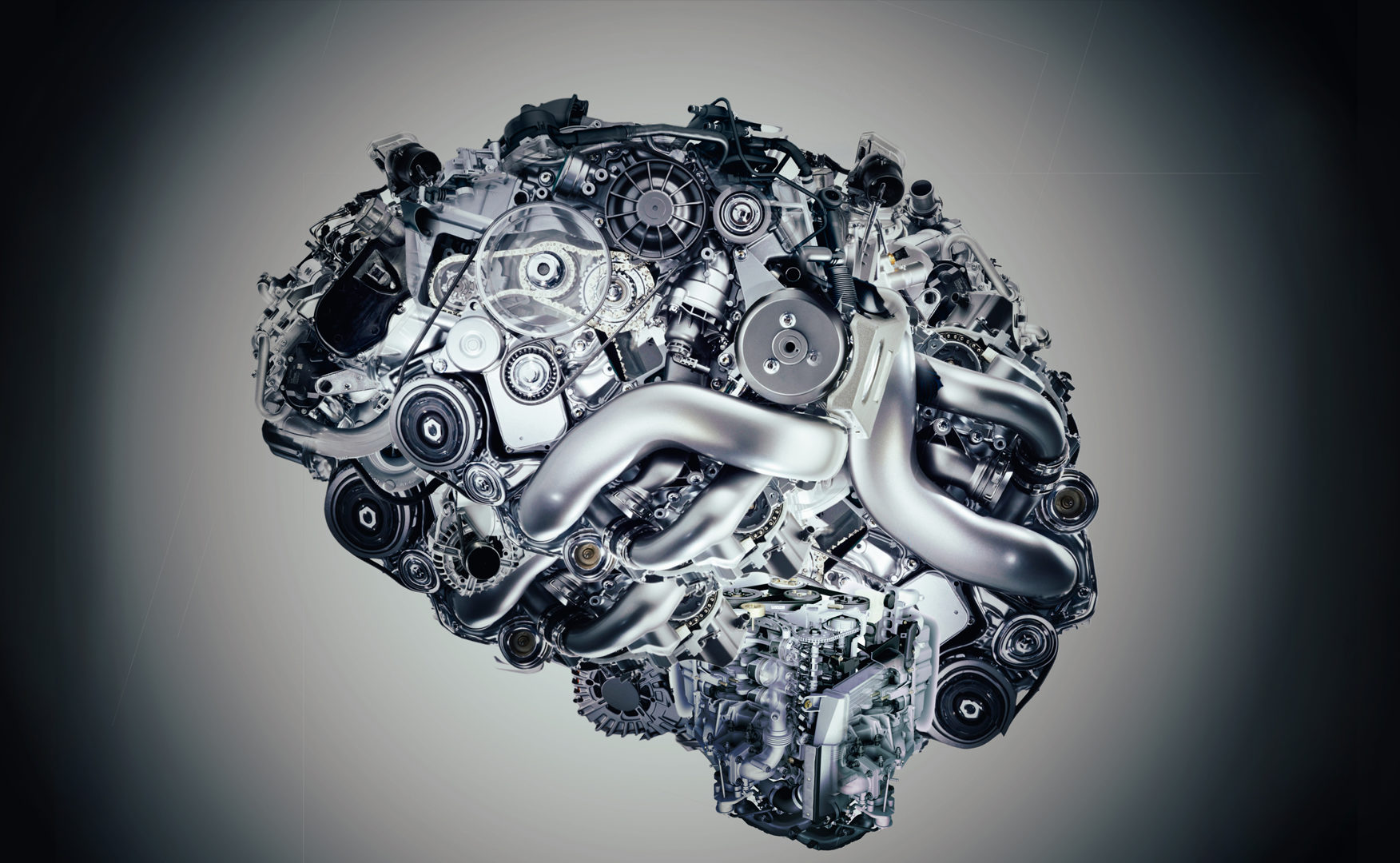
In recent years, machines have grown increasingly capable of listening, communicating, and learning—transforming the way they collaborate with us, and significantly impacting our economy, health, and daily routines. Who, or what, are these thinking machines? As we teach them to become more sophisticated, how will they complement our lives?

One of the strangest features of quantum mechanics is also potentially its most useful: entanglement. By harnessing the ability for two particles to be intimately intertwined across great distances, researchers …
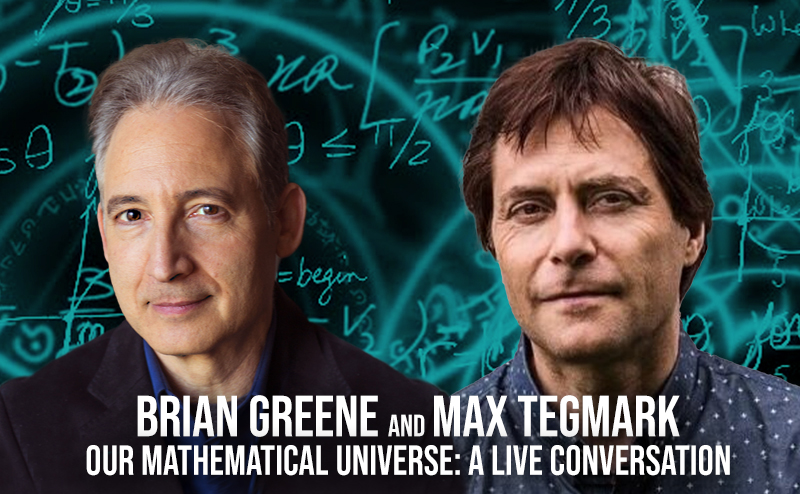
Join us for a spirited conversation between Brian Greene and Max Tegmark exploring the controversial possibility that mathematics and reality are one and the same. This program is part of …
Beyond Einstein: Gravitational Echoes. Just as sound waves can echo off a distant rockface, light waves can echo off of black holes. Renowned researchers Erin Kara and Shep Doeleman join …

Meet “Barf” the turkey vulture and learn from Tanya Lowe what it’s like to be a conservationist. Episode filmed live at the 2015 World Science Festival in New York City. The …