Search Icon




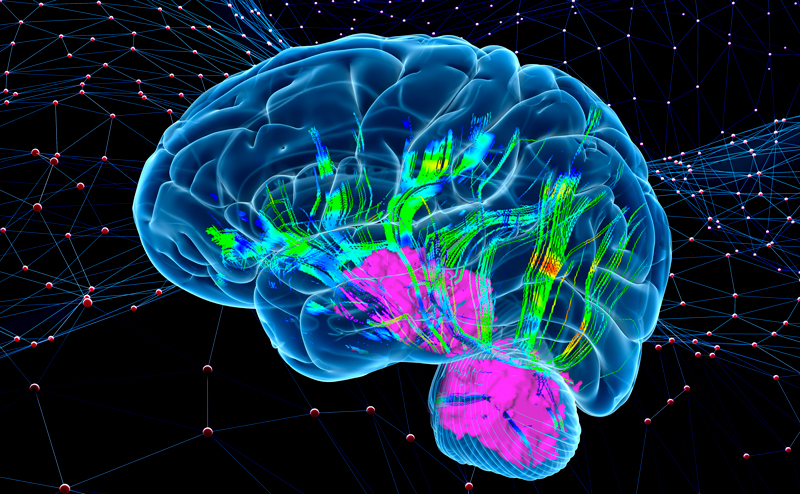
Imagine navigating the globe with a map that only sketched out the continents. That’s pretty much how neuroscientists have been operating for decades. But one of the most ambitious programs …
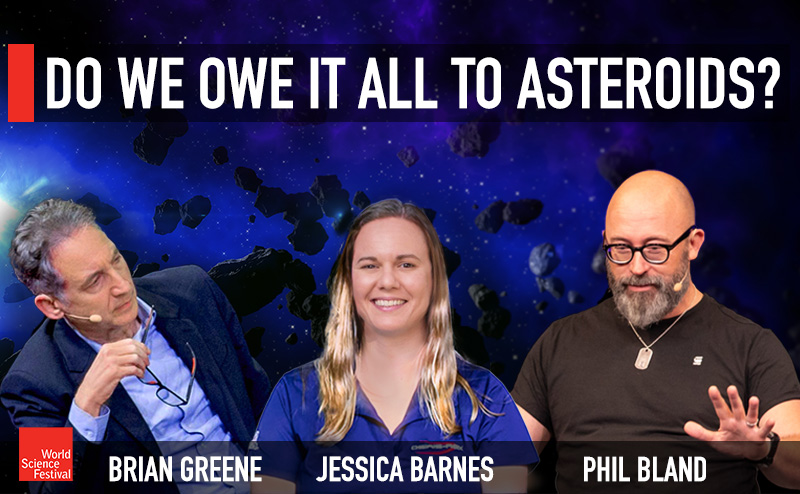
Did the molecules that make up life ride to earth on an asteroid? Planetary scientists Jessica Barnes and Phil Bland join Brian Greene to discuss NASA’s recent rendezvous with Bennu, …
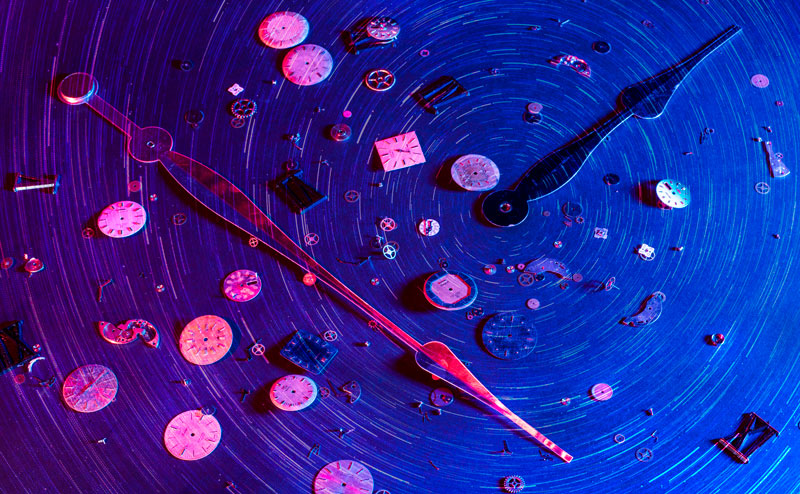
Join a physicist, a neuroscientist, and a linguist as they explore the deep enigmas of time. Time feels like it flows, but does it? Time seems to have a built-in …
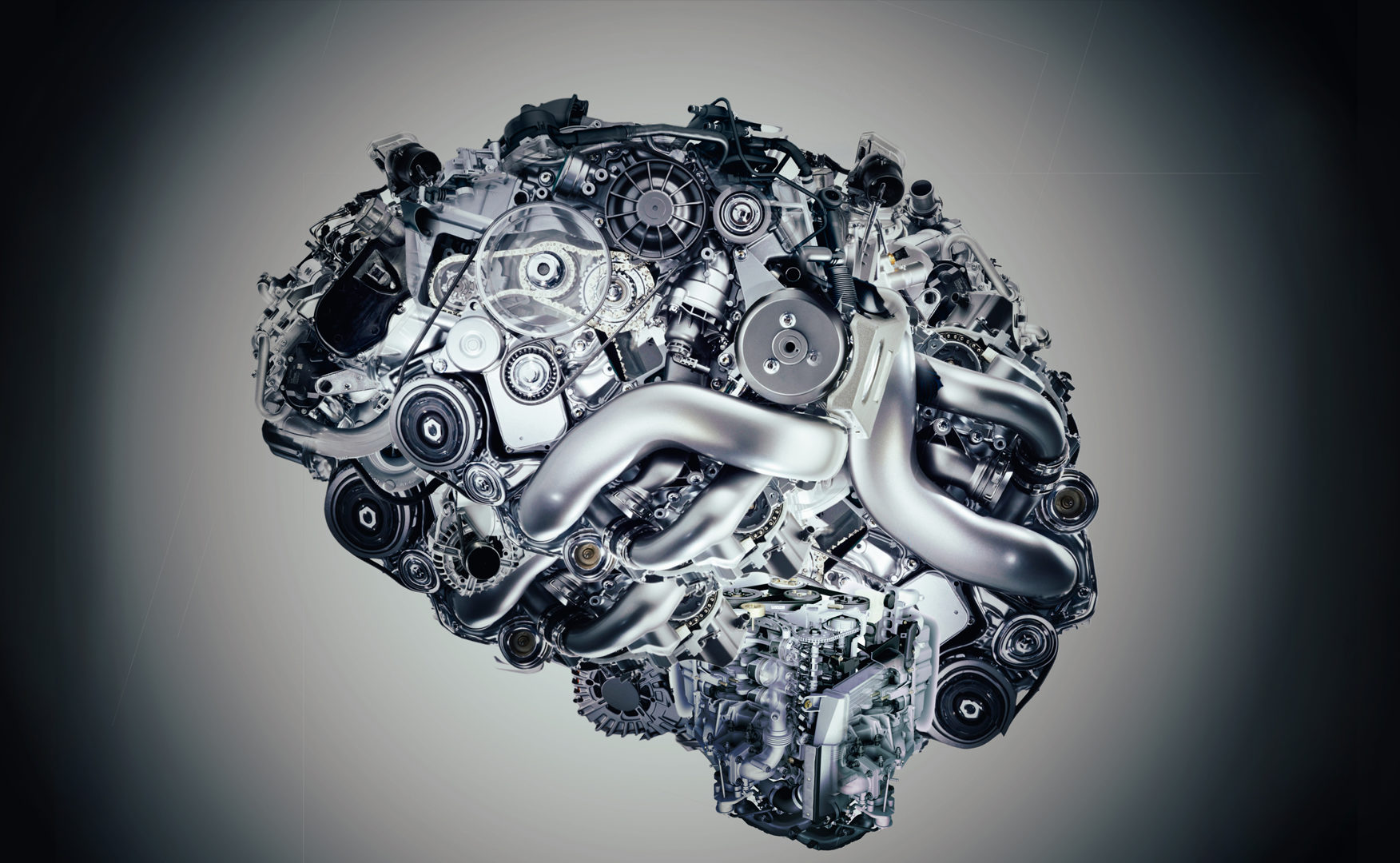
In recent years, machines have grown increasingly capable of listening, communicating, and learning—transforming the way they collaborate with us, and significantly impacting our economy, health, and daily routines. Who, or what, are these thinking machines? As we teach them to become more sophisticated, how will they complement our lives?

Why is there something rather than nothing? And what does ‘nothing’ really mean? More than a philosophical musing, understanding nothing may be the key to unlocking deep mysteries of the universe, from dark energy to why particles have mass.
Dark energy is cosmology’s biggest mystery—an anti-gravitational force that confounds the conventional laws of physics. It makes up more than two-thirds of the cosmos, but science is still grappling to explain what dark energy actually is.