Search Icon



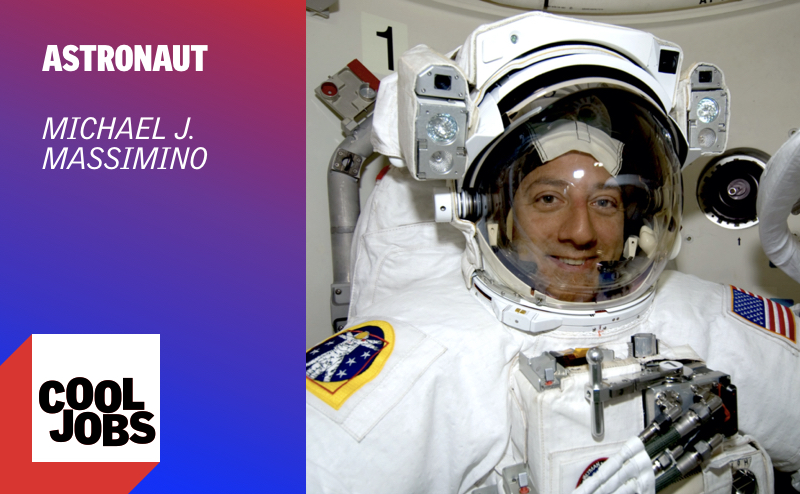
NASA astronaut Michael Massimino talks about the “right stuff” you need to work in space – a healthy helping of math and science, but also passion and patience. Listen to …

Ever wondered how many neurons are in the human brain? Meet Suzana Herculano-Houzel, a professor at Vanderbilt University whose pioneering “brain soup” technique made it possible to accurately count the …
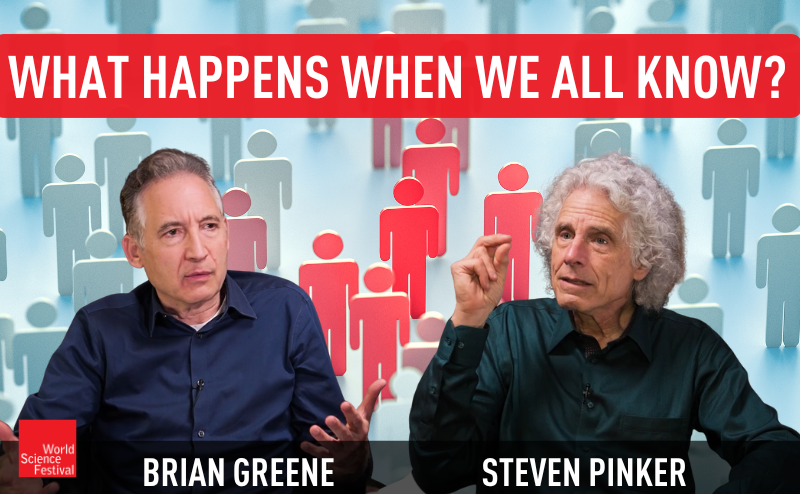
How do humans understand each other, cooperate, and build civilizations? Brian Greene sits down with Harvard cognitive scientist Steven Pinker — author of the newly released When Everyone Knows That Everybody Knows — for …
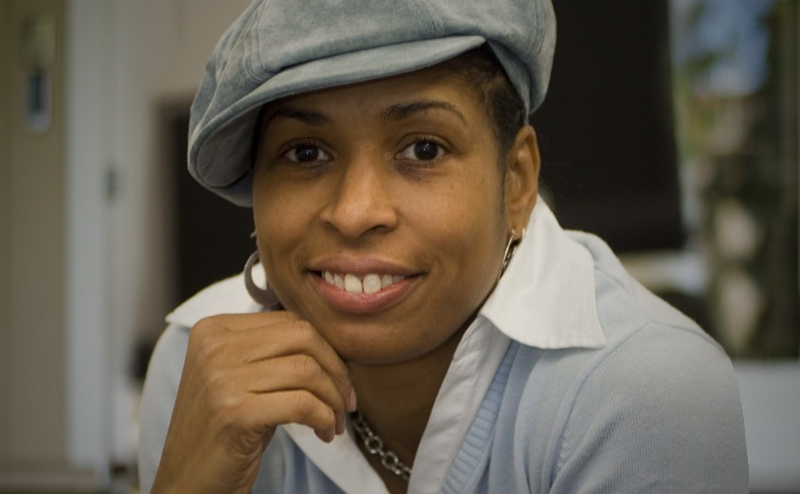
The World Science Festival’s Pioneers in Science program gives high school students from around the globe rare and intimate access to some of the world’s most renowned scientists in a …

Nowadays, the tools for tracing your family tree have advanced far beyond looking back at names in the family Bible or compiling a scrapbook of paper records. Using your genetic information to find long-lost relatives is easier and cheaper than ever before—and scientists are looking to push the technology even further by analyzing our skin and facial features.
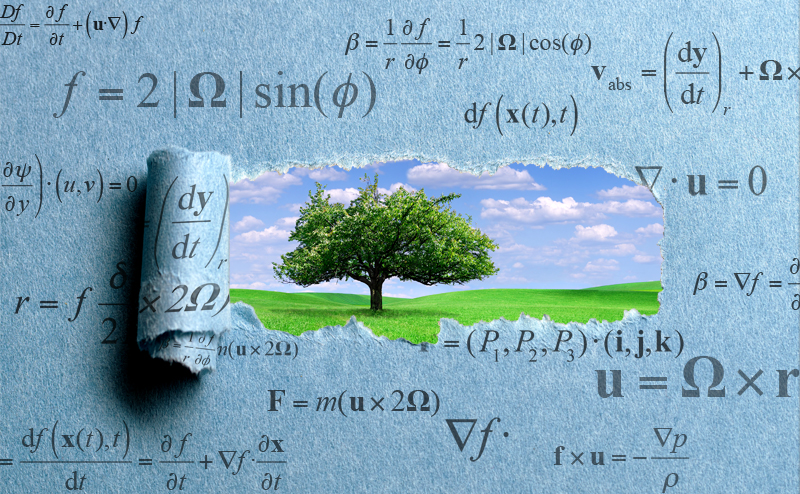
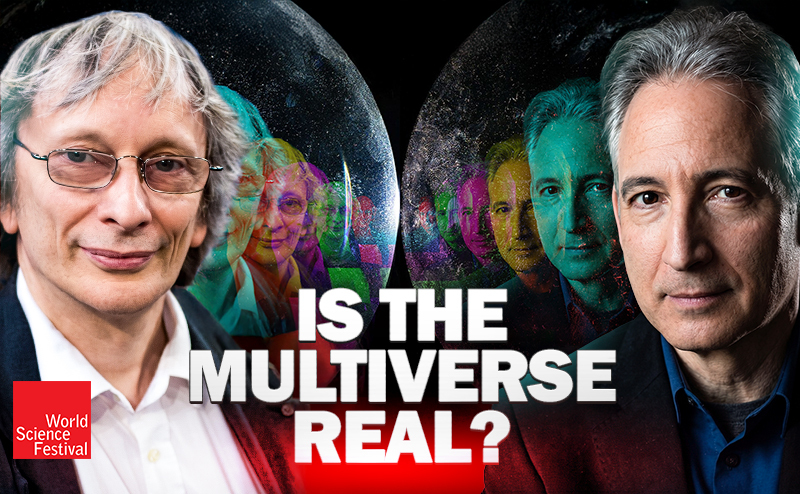
Mathematics has an uncanny ability to describe the physical world. It elegantly explains and predicts features of space, time, matter, energy and gravity. But is this magnificent scientific articulation an …