Search Icon




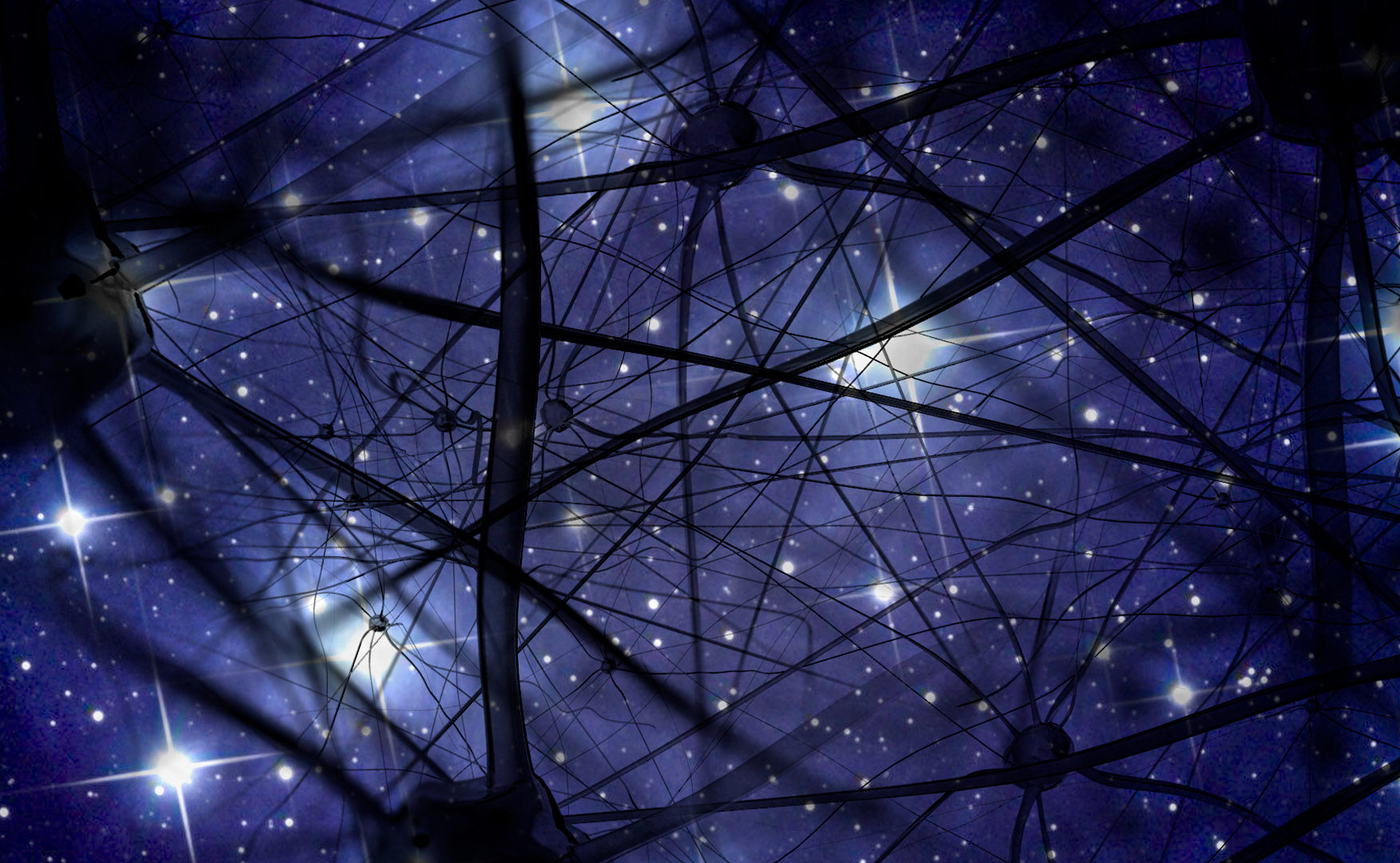
For all we understand about the universe, 96% of what’s out there still has scientists in the dark. Astronomical observations have established that familiar matter—atoms—accounts for only 4% of the weight of the cosmos. The rest—dark matter and dark energy—is invisible to our telescopes.
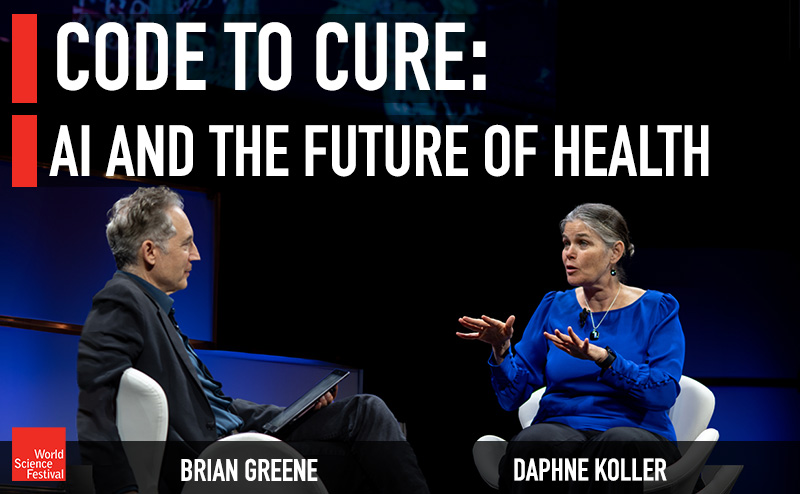
Renowned computer scientist and Coursera co-founder Daphne Koller joins Brian Greene to discuss her new venture in using machine learning for drug discovery and development. This program is part of …
Humans are heading back to the moon…and this time, they have plans to stay. National and international space agencies, and private enterprise, are joining forces with the goal of establishing …
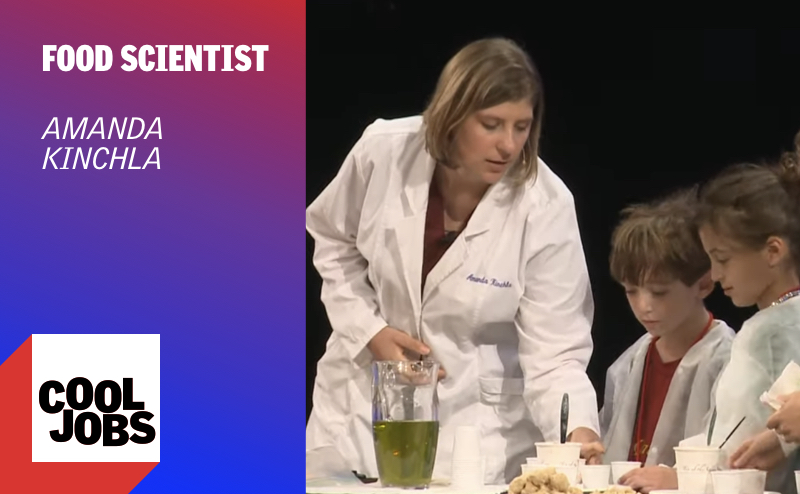
Food scientist Amanda Kinchla’s innovation happens in the lab…and in the kitchen as she uses science to create new and nutritional foods and food safety solutions. Episode filmed live at …
Just a handful of technologies deserve to be called “game changers”—and CRISPR-Cas9, the new gene-editing tool, is one of them. Discovered just three years ago, CRISPR is sweeping through labs around the world and researchers are already using it to experiment on diseases.
As long ago as the early 19th century, the poet Keats bemoaned the washing away of the world’s beauty and mystery in the wake of natural philosophy’s reductionist insights—its tendency …