Search Icon




Nowadays, the tools for tracing your family tree have advanced far beyond looking back at names in the family Bible or compiling a scrapbook of paper records. Using your genetic information to find long-lost relatives is easier and cheaper than ever before—and scientists are looking to push the technology even further by analyzing our skin and facial features.
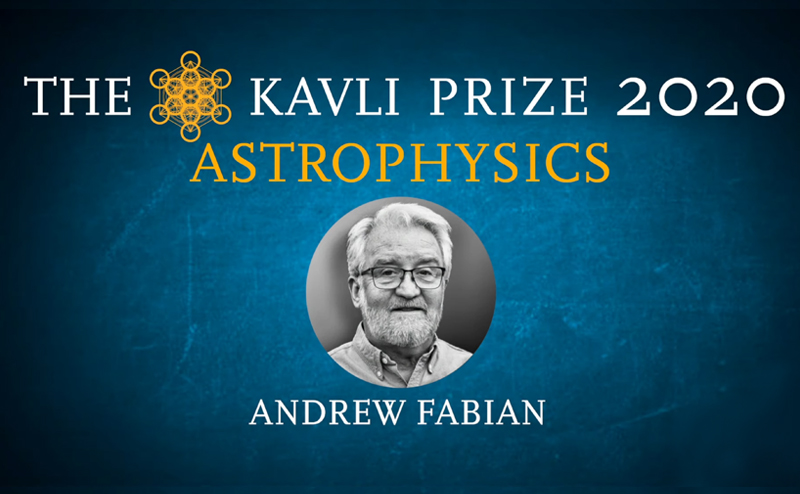
There are many types of telescopes used in astronomy, but X-ray telescopes offer a view of the cosmos that reveal just how much of a living ecosystem the universe is. …
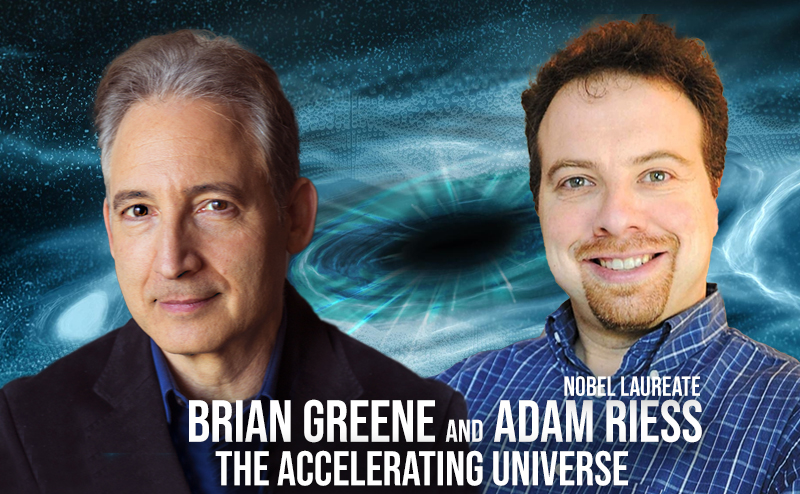
Nobel Laureate and physicist Adam Riess and Brian Greene discuss the paradigm-shattering discovery that the expansion of the universe is accelerating, the role of dark energy, and more. This program …
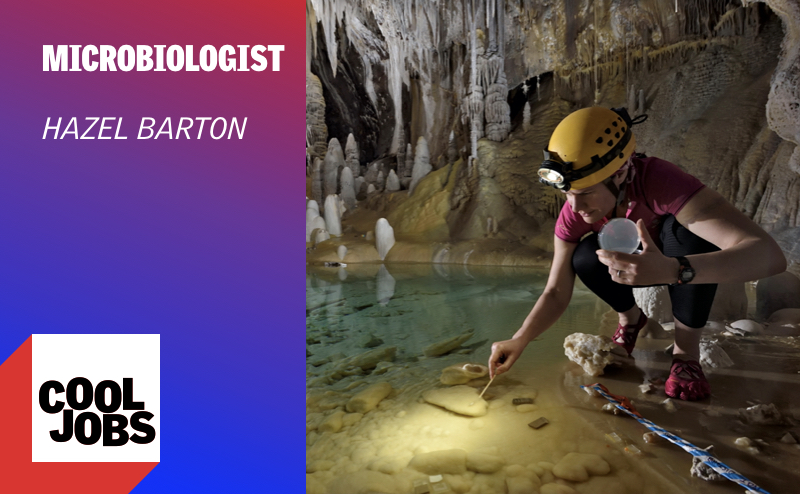
Microbiologist Hazel Barton goes spelunking in sticky mud, camping underground, and rope climbing in a atrium—all to research cures for antibiotic-resistant diseases. Episode filmed live at the 2009 World Science …

Does our intelligence, creativity, or consciousness make us unique? Brian Greene sits down with Nick Bostrom, author of Superintelligence and Deep Utopia, to explore how AI systems are already reshaping …
Winners of the prestigious 2010 Kavli Prizes—biennial international awards that recognize seminal advances in astrophysics, nanoscience and neuroscience, and include a cash prize of $1 million in each field— were …