Search Icon



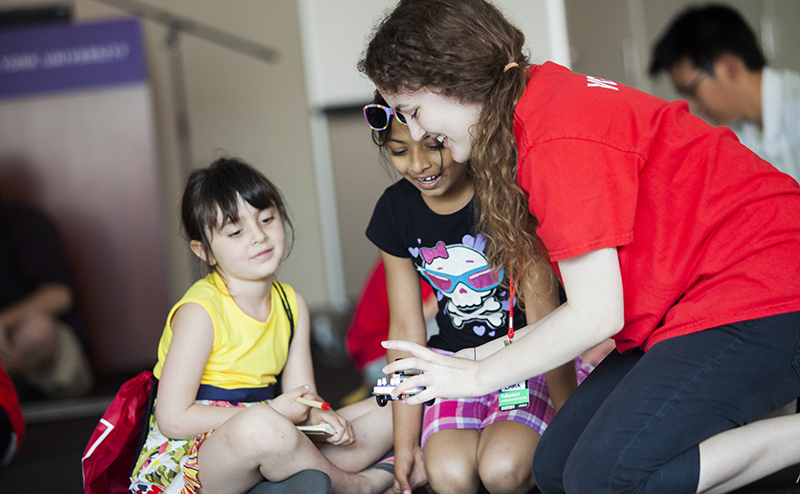
A NASA scientist prints 3D homes on Mars. An anthropologist solves mummy mysteries. An engineer tests new toys every day. What do these people have in common? A science job! Meet them all (and more) during this interactive event that gives everyone the chance to try each cool job for themselves.

How do we learn to speak? What is the connection between language and movement? Join a broad and distinguished panel of biologists, psychologists, neuroscientists, philosophers, musicians and writers.
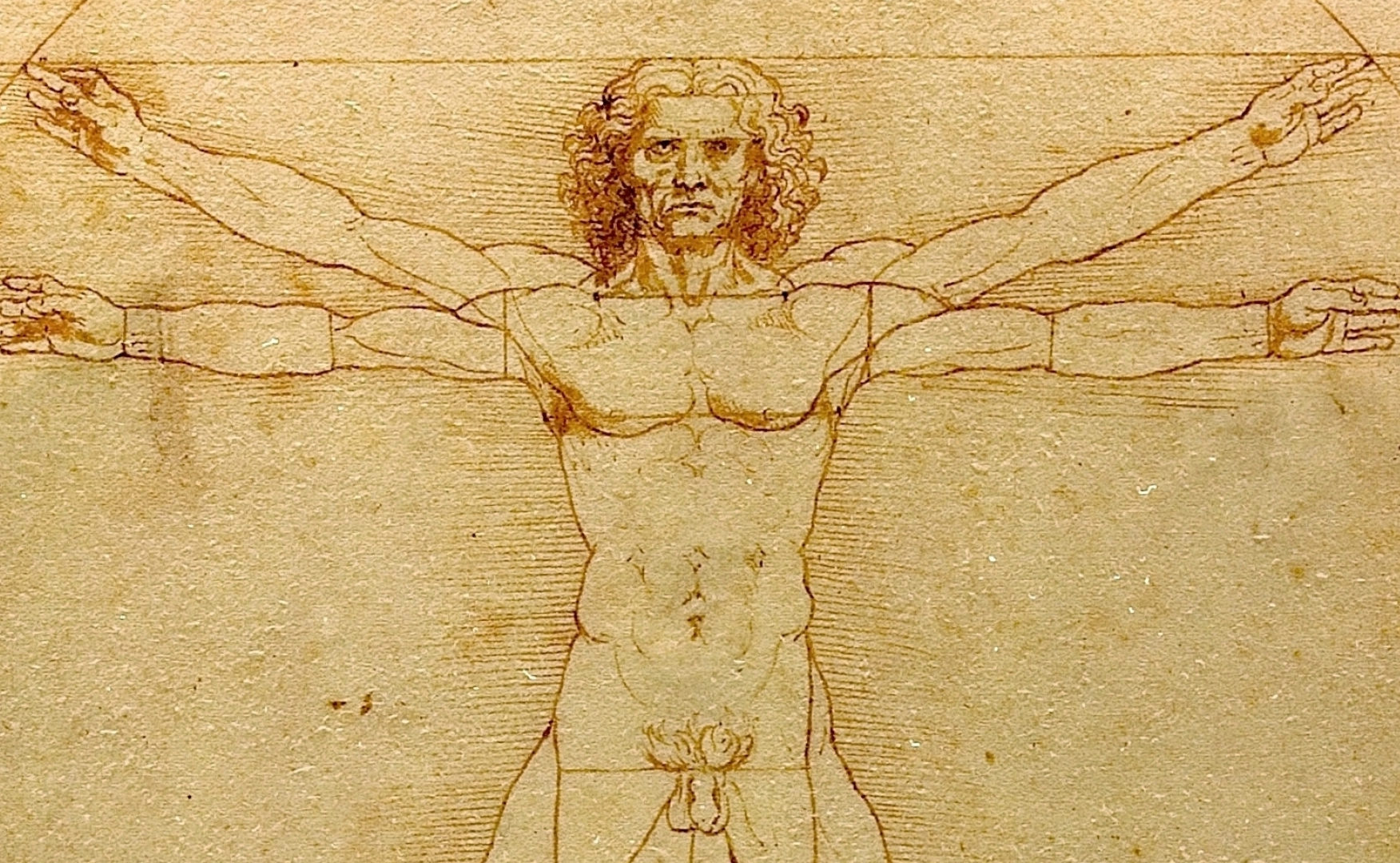
Drawing on a range of disciplines, this provocative program looked at how discoveries in areas like fundamental physics, anthropology, and genomics are influencing our understanding of uniquely human characteristics.
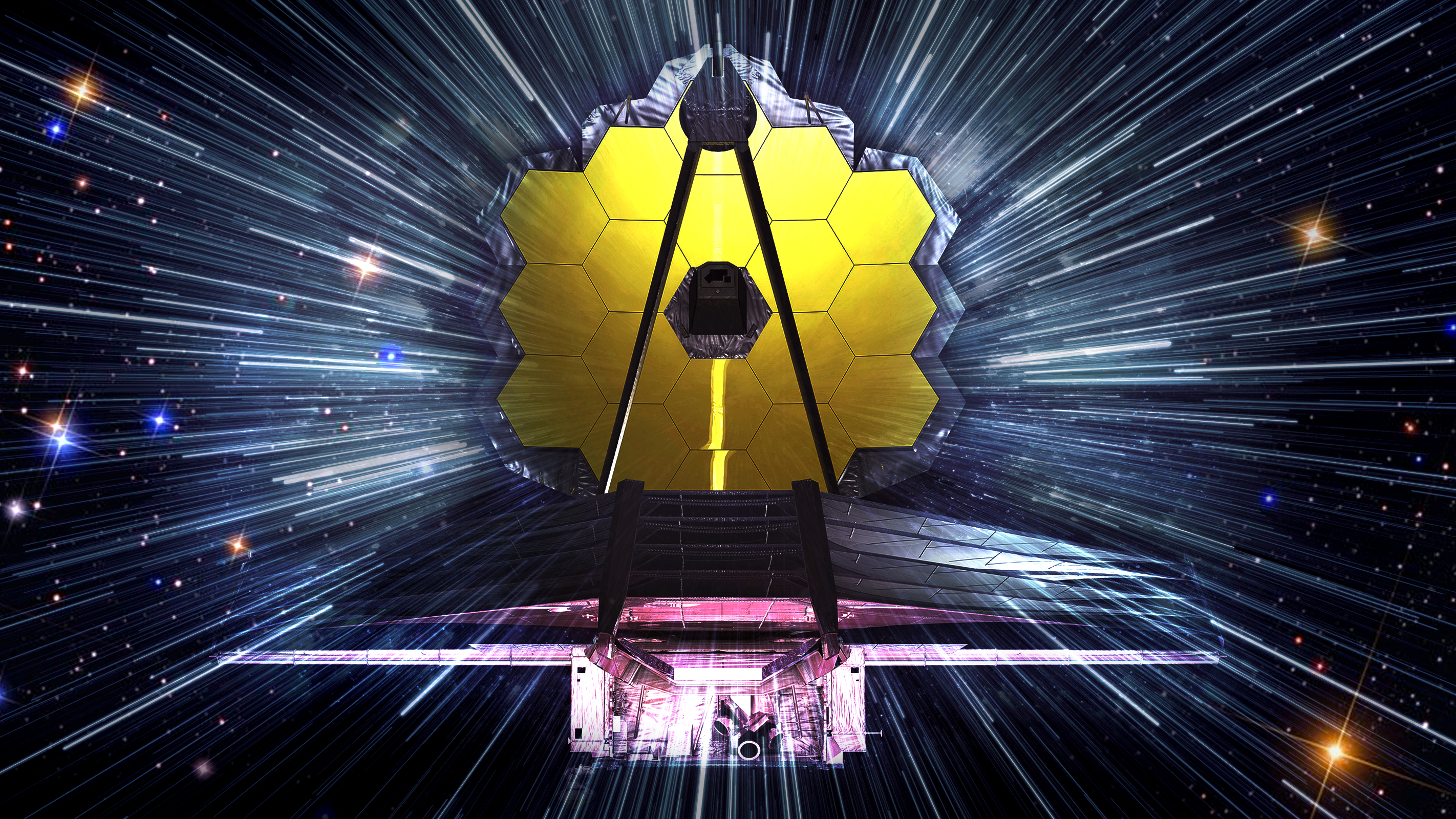
The powerful James Webb Space Telescope–the successor to the Hubble Space Telescope–promises insight into profound questions that have dogged philosophers and astronomers for millennia. What is the origin of the …
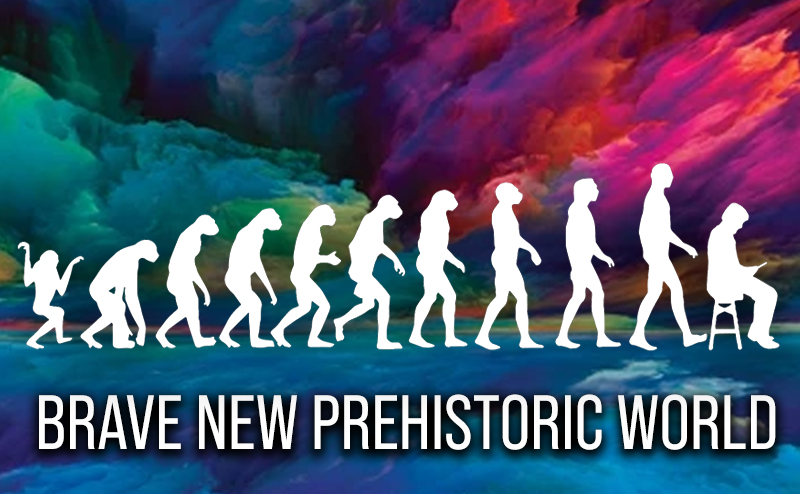
Recent breakthroughs in dating ancient samples of DNA and human remains have led to a radical reassessment of human origins. At least ten other early human groups–some with the cognitive capacity to make …
We once shared the planet with Neanderthals and other human species. Some of our relatives may have had tools, language and culture. Why did we thrive while they perished?