Search Icon



In the future, a woman with a spinal cord injury could make a full recovery; a baby with a weak heart could pump his own blood. How close are we today to the bold promise of bionics—and could this technology be used to improve normal human functions, as well as to repair us?
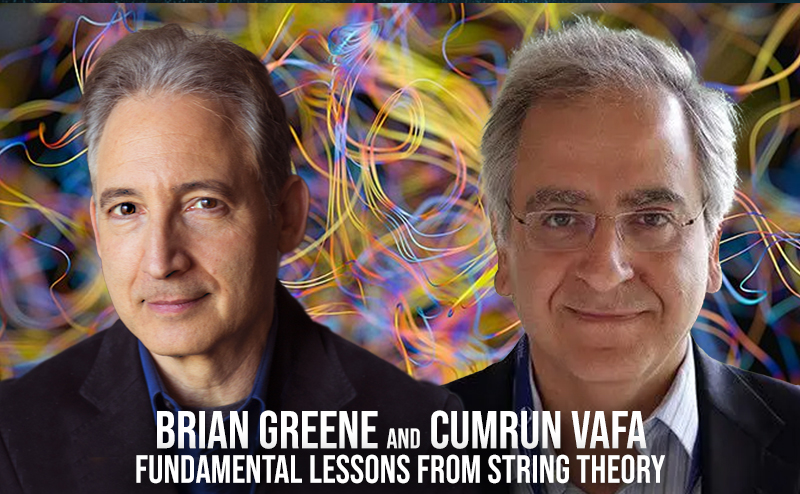
Harvard professor and 2017 Breakthrough prize winner in Fundamental Physics, Cumrun Vafa joins Brian Greene for a discussion on the past and future of string theory and how puzzles ignited …
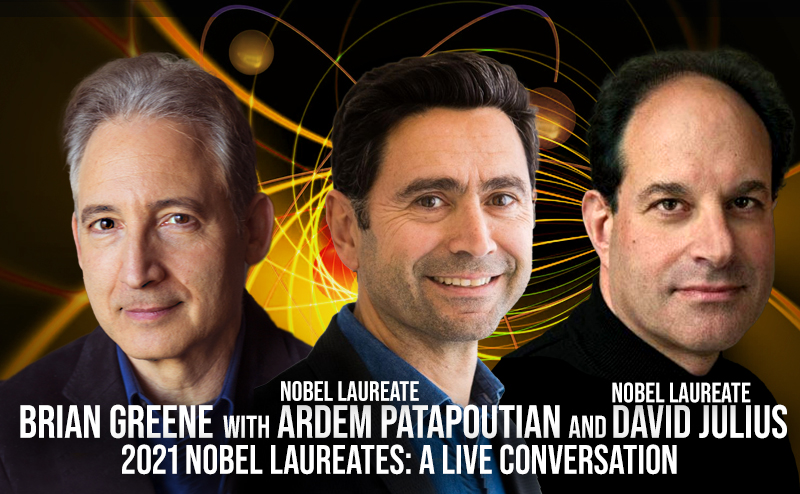
Just announced winners of the 2021 Nobel Prize, David Julius and Ardem Patapoutian, discovered how the sensations of temperature and touch are encoded at a molecular level. Blending physics and …
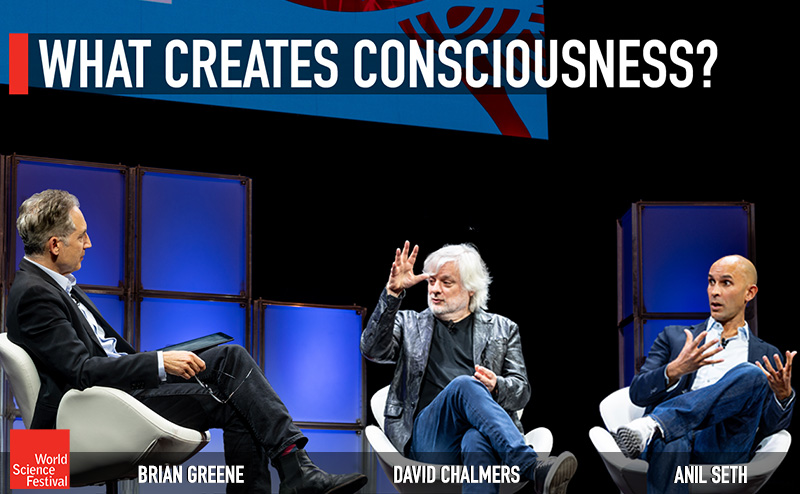
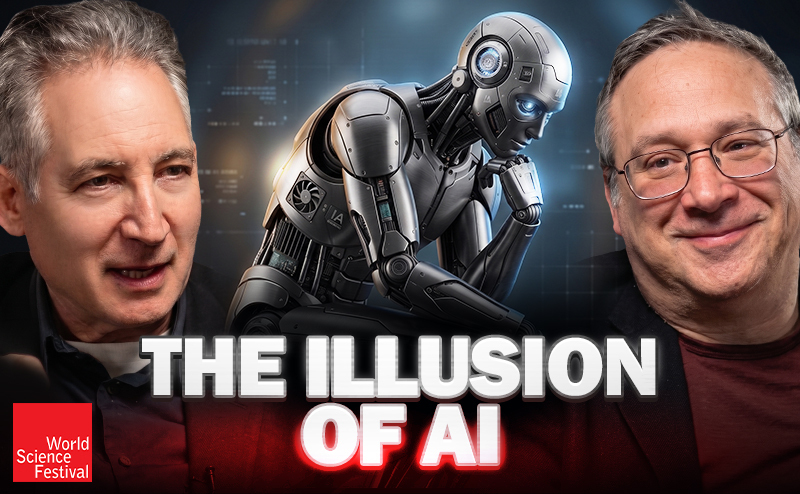
Renowned researchers David Chalmers and Anil Seth join Brian Greene to explore how far science and philosophy have gone toward explaining the greatest of all mysteries, consciousness–and whether artificially intelligent …
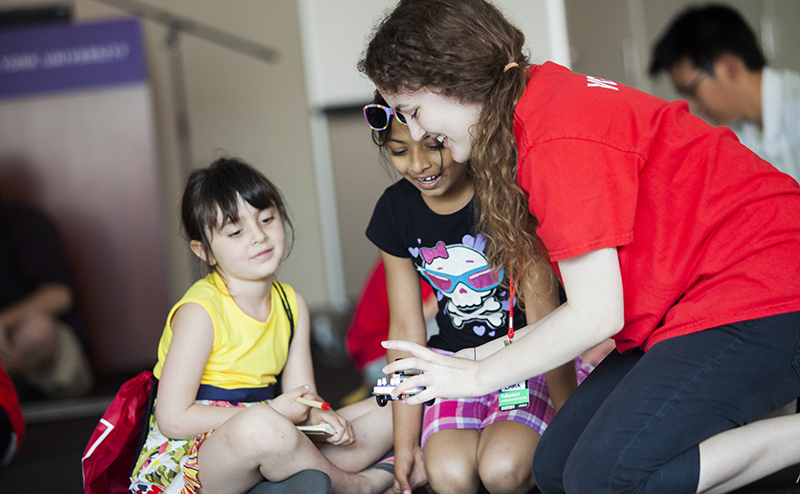
The World Science Festival’s Pioneers in Science program gives high school students from around the globe rare and intimate access to some of the world’s most renowned scientists in a …
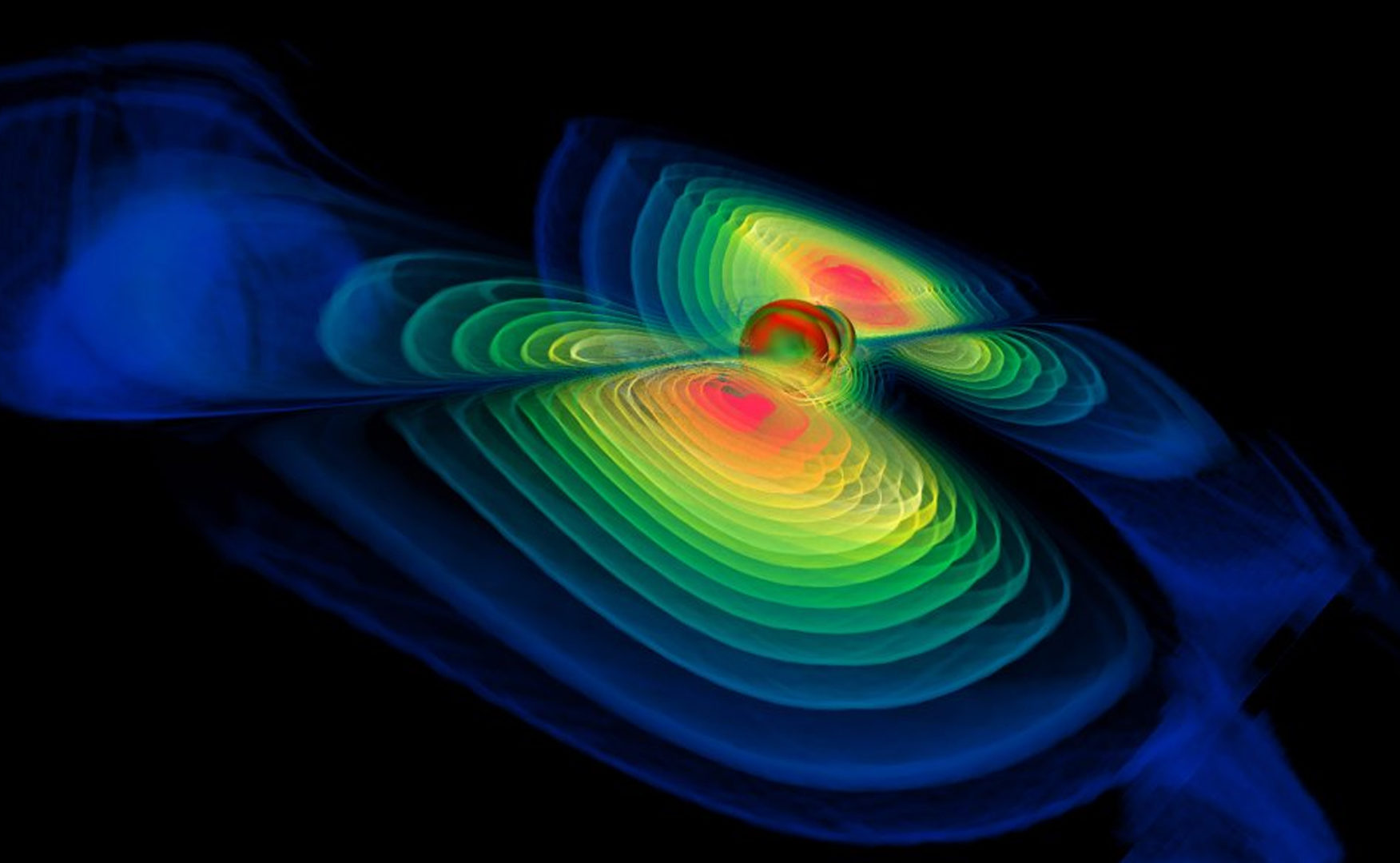
Marcia Bartusiak joins Kip Thorne, Laura Danly and Rainer Weiss to demonstrate how two observatories on opposite sides of the country, called LIGO (Laser Interferometer Gravitational-wave Observatory), may open a new window on observing the cosmos—one based not in light but in gravity.