Mind And Machine: The Future of Thinking


Friday, June 4, 2010, 8:00 PM - 9:30 PM

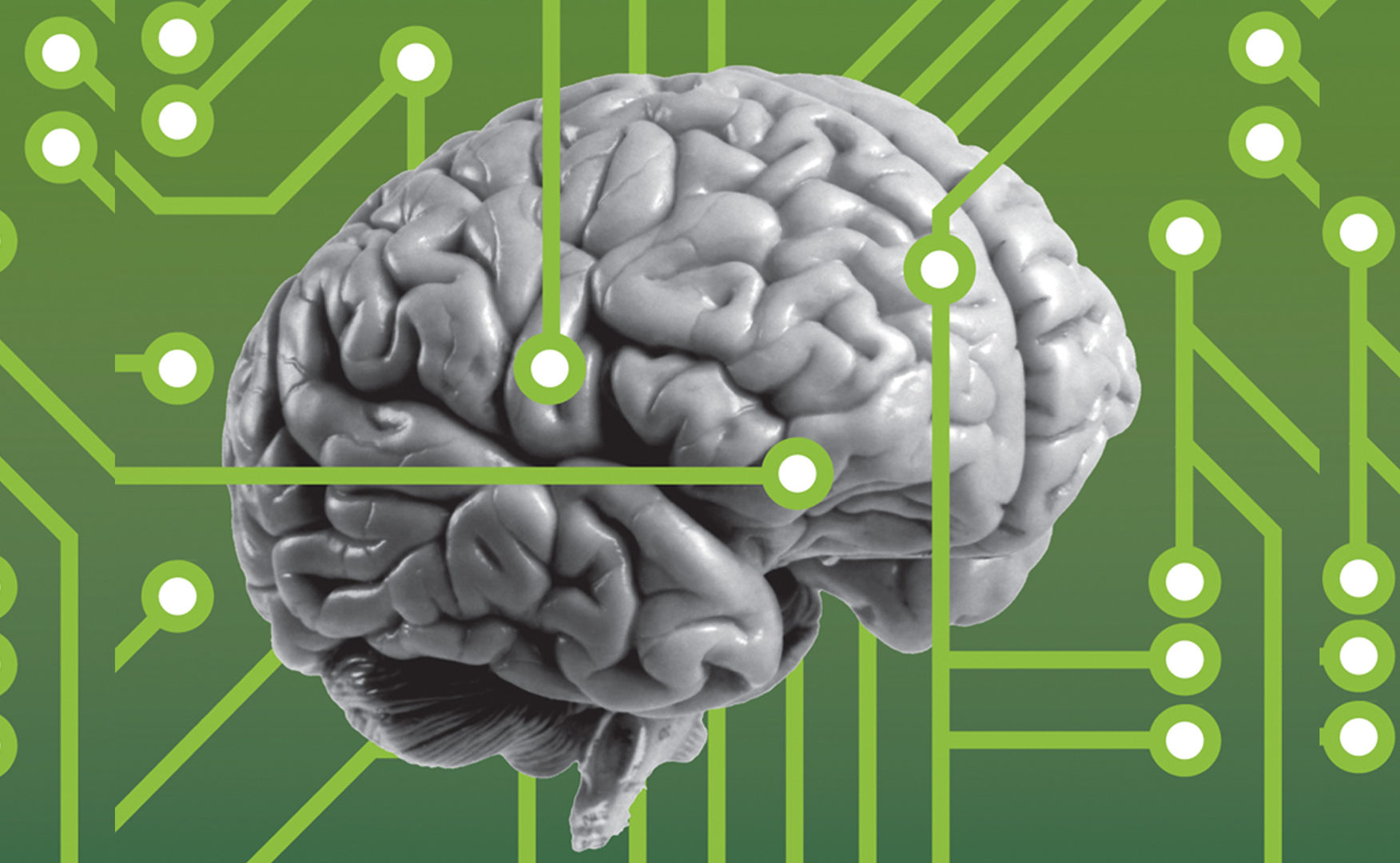
Creative thought is surely among our most precious and mysterious capabilities. But can powerful computers rival the human brain? As thinking, remembering and innovating become increasingly interwoven with technological advances, what are we capable of? What do we lose? Join Luciano Floridi, John Donoghue, Gary Small and Rosalind Picard for a thought-provoking program about thinking.

John Templeton Foundation
as part of the Big Ideas Series

Moderator: John Hockenberry

Participants: 

John Donoghue

John DonoghueProfessor John Donoghue was the founding chairman of the Department of Neuroscience at Brown, a position he held for thirteen years. He is currently the director of the Brown Institute for Brain Science, which unites more than one hundred Brown faculty members to support interdisciplinary research on the nervous system. Dr. Donoghue received a Jacob Javits award from the NIH and won Germany's Zulch Prize in 2007 for his research.read more

Luciano Floridi

Luciano Floridi

Luciano Floridi is one of Italy's most influential thinkers in the area of philosophy science, technology, and ethics, and is best known as the founder of two major areas of research, Information Ethics and the Philosophy of Information.read more

John Hockenberry

John HockenberryJohn Hockenberry is an award-winning journalist with twenty-five years experience in radio, broadcast television and print. He is co-host of WNYC and PRI's The Takeaway, host on The DNA Files, and a contributor to The Infinite Mind.read more

Rosalind Picard

Rosalind PicardRosalind W. Picard is an international leader in envisioning and inventing innovative technology. Her award-winning book Affective Computing was instrumental in starting the new field by that name.read more

Gary Small

Gary Small Gary Small is the co-inventor of the first brain-scanning technology to detect the physical evidence of Alzheimer’s disease in living people. He also led the team of neuroscientists that was the first to reveal that Internet searching may result in rapid and significant alterations in brain neural circuitry.read more