Search Icon



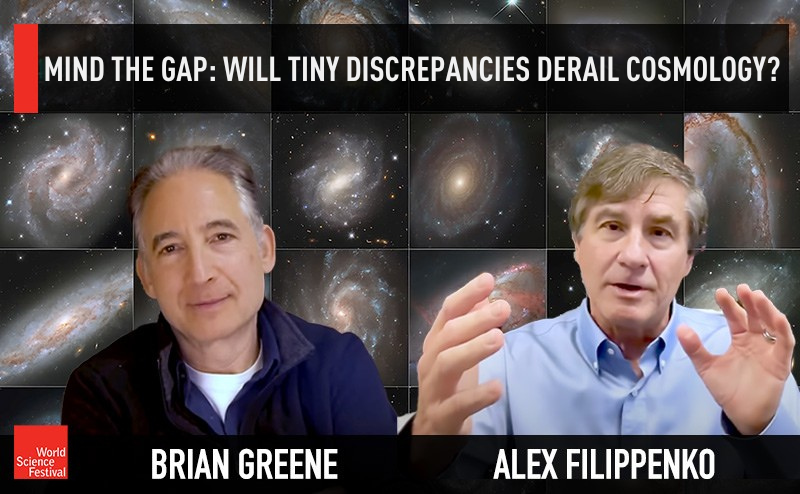
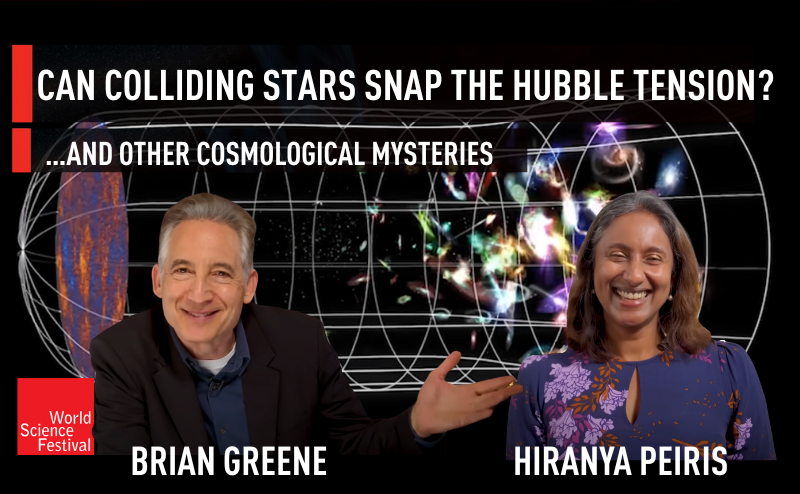
Renowned astrophysicist and educator Alex Filippenko joins Brian Greene to discuss an increasingly disturbing cosmological mismatch known as the Hubble Tension, a gap that may require a radical rewriting of …
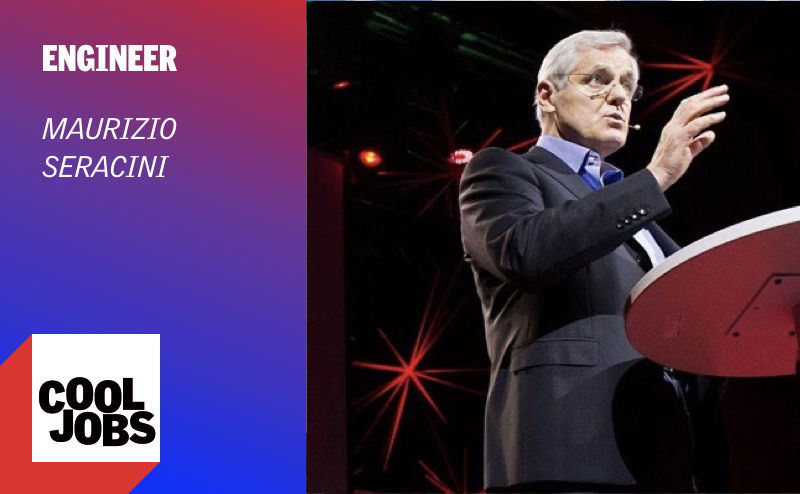
See how engineer and art historian Maurizio Seracini uses his pioneering multispectral imaging techniques and other tools to uncover the long-hidden stories behind masterpiece paintings. Episode filmed live at the …
For all we understand about the universe, 96% of what’s out there still has scientists in the dark. Astronomical observations have established that familiar matter—atoms—accounts for only 4% of the weight of the cosmos. The rest—dark matter and dark energy—is invisible to our telescopes.

The World Science Festival’s Pioneers in Science program gives high school students from around the globe rare and intimate access to some of the world’s most renowned scientists in a …
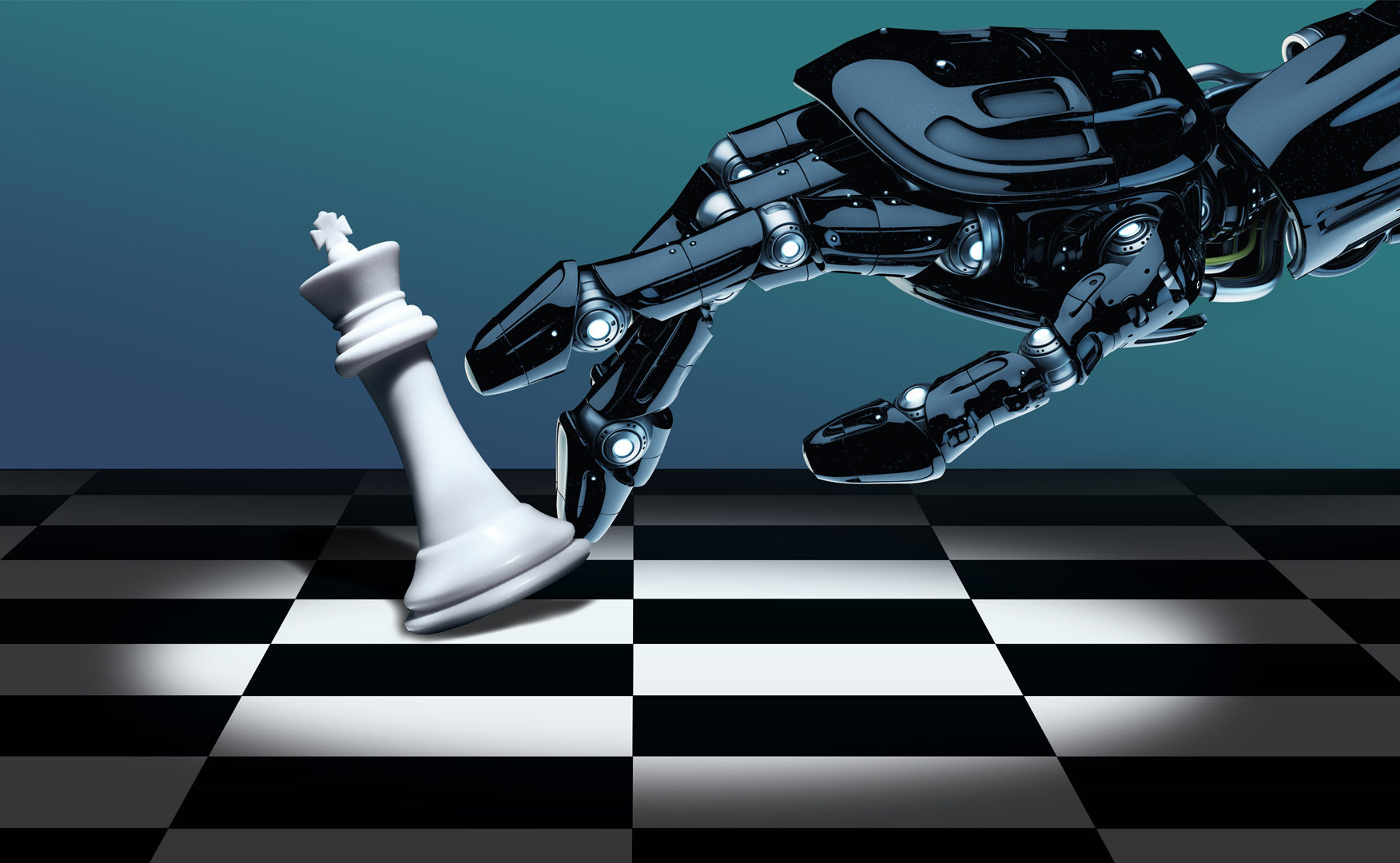
A self-driving car has a split second to decide whether to turn into oncoming traffic or hit a child who has lost control of her bicycle. An autonomous drone needs to decide whether to risk the lives of busload of civilians or lose a long-sought terrorist. How does a machine make an ethical decision?
How far would you go to improve your focus, memory, or even learning ability? Would you be willing to strap on headgear that delivers electrical shocks to targeted areas of your brain? You may soon have that option.