Search Icon



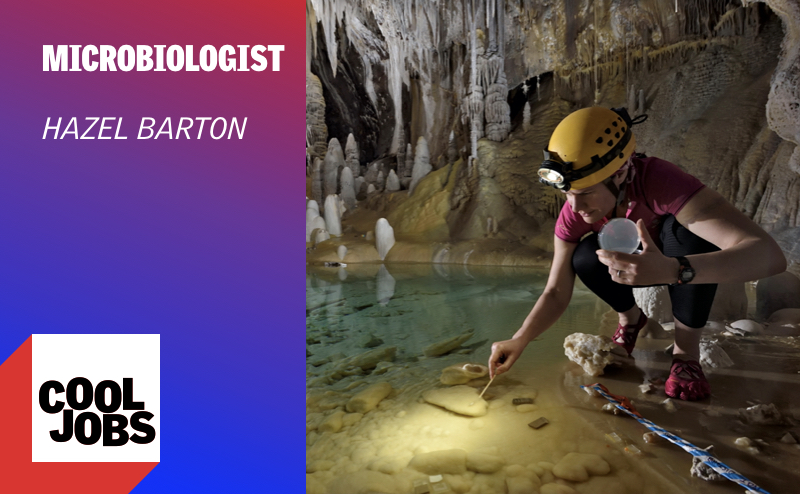
Microbiologist Hazel Barton goes spelunking in sticky mud, camping underground, and rope climbing in a atrium—all to research cures for antibiotic-resistant diseases. Episode filmed live at the 2009 World Science …
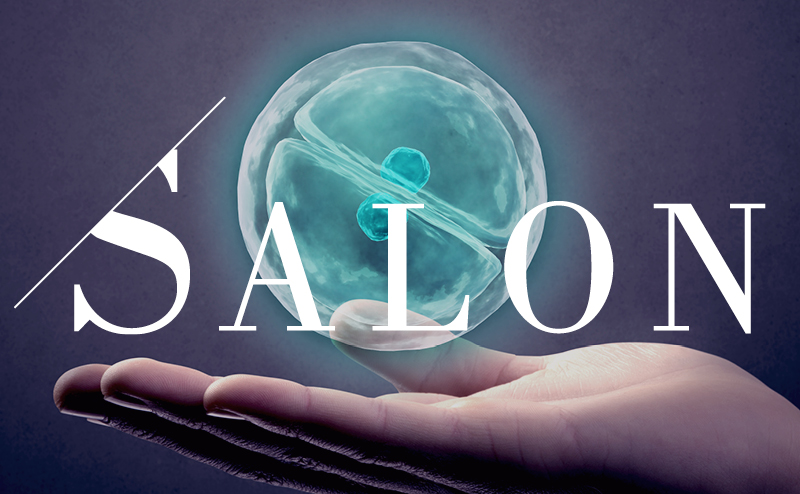
Powerful new genetic tools allow scientists to alter the DNA of any organism—with tests on human embryos already underway. Even more ambitious, synthetic biologists on the verge of creating the genetic material for a living organism from scratch are setting their long-term sites on fashioning a fully synthetic human genome.
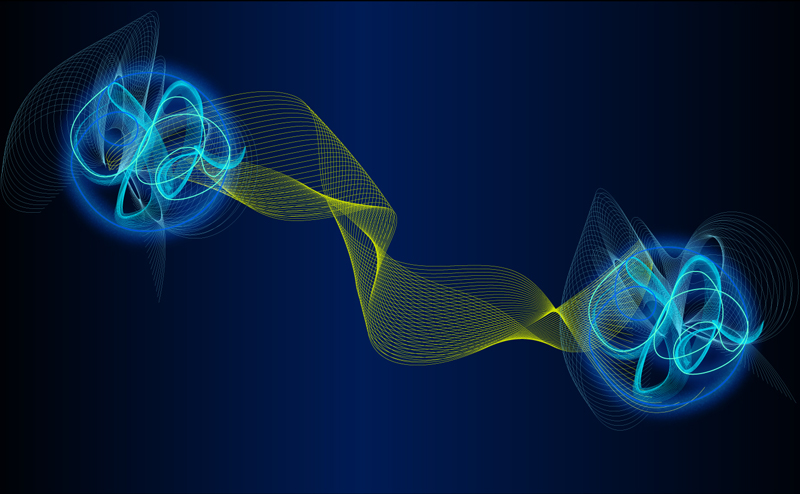
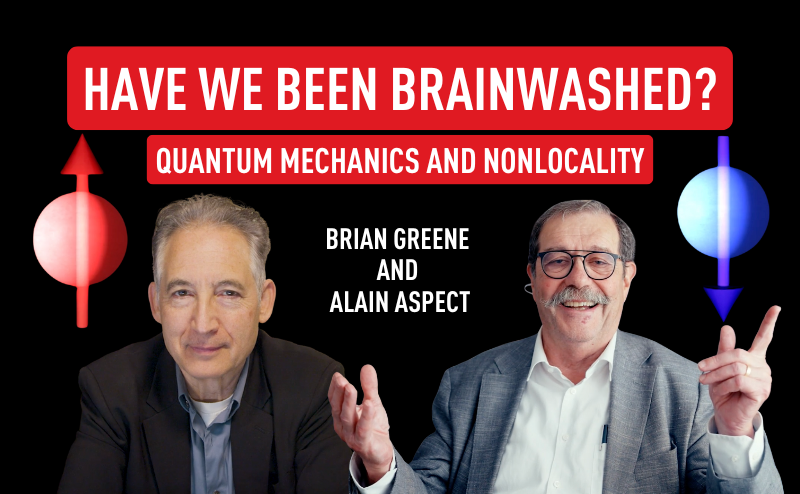
In 1935, Albert Einstein and two colleagues published a landmark paper revealing that quantum mechanics allows widely separated objects to influence one another, even though nothing travels between them. Einstein called it spooky and rejected the idea, arguing instead that it exposed a major deficiency in the quantum theory.
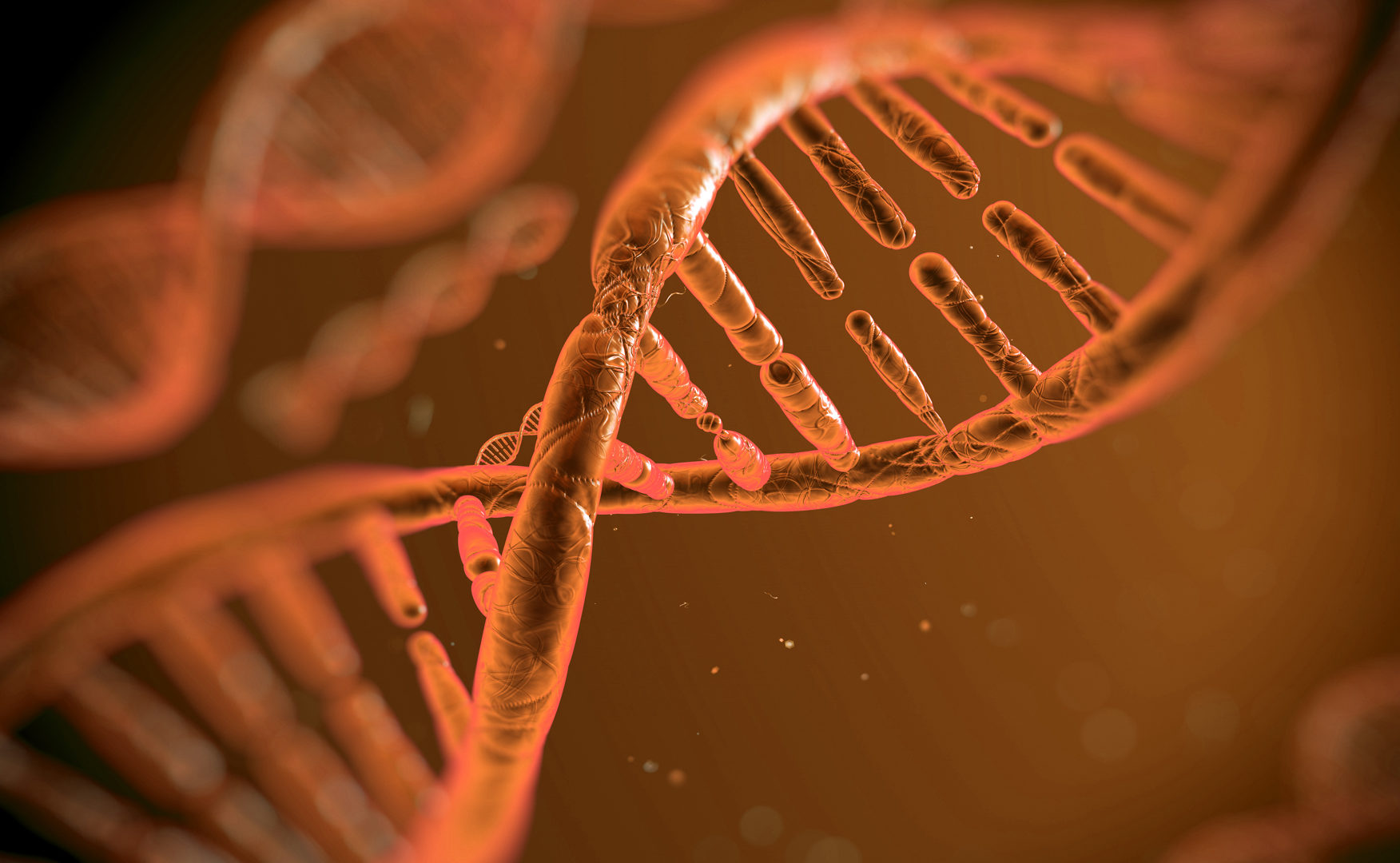
The deadly scourge of cancer has confounded doctors since ancient Egypt. Now, The Cancer Genome Atlas (modeled after the Human Genome Project) promises a new and powerful approach in this age-old battle.
This video is part of our Brilliant Breakthroughs series: our new 20-episode mini-series exploring the “Eureka!” moments and proud accomplishments of the greatest scientific minds of our time. Join us …
Dark energy is cosmology’s biggest mystery—an anti-gravitational force that confounds the conventional laws of physics. It makes up more than two-thirds of the cosmos, but science is still grappling to explain what dark energy actually is.