Search Icon



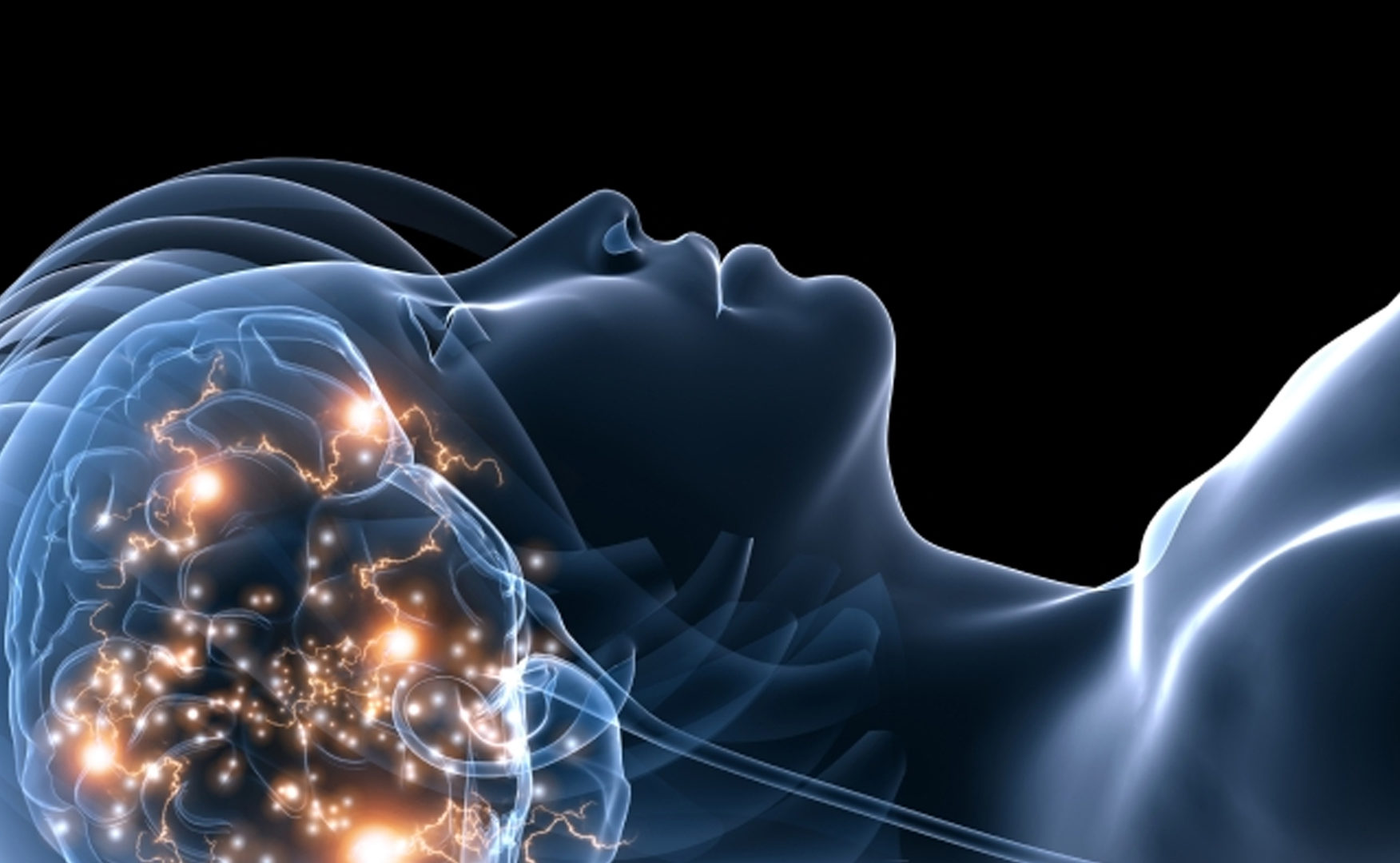
We spend a third of our lives asleep. Every organism on Earth—from rats to dolphins to fruit flies to microorganisms—relies on sleep for its survival, yet science is still wrestling with a fundamental question: Why does sleep exist?
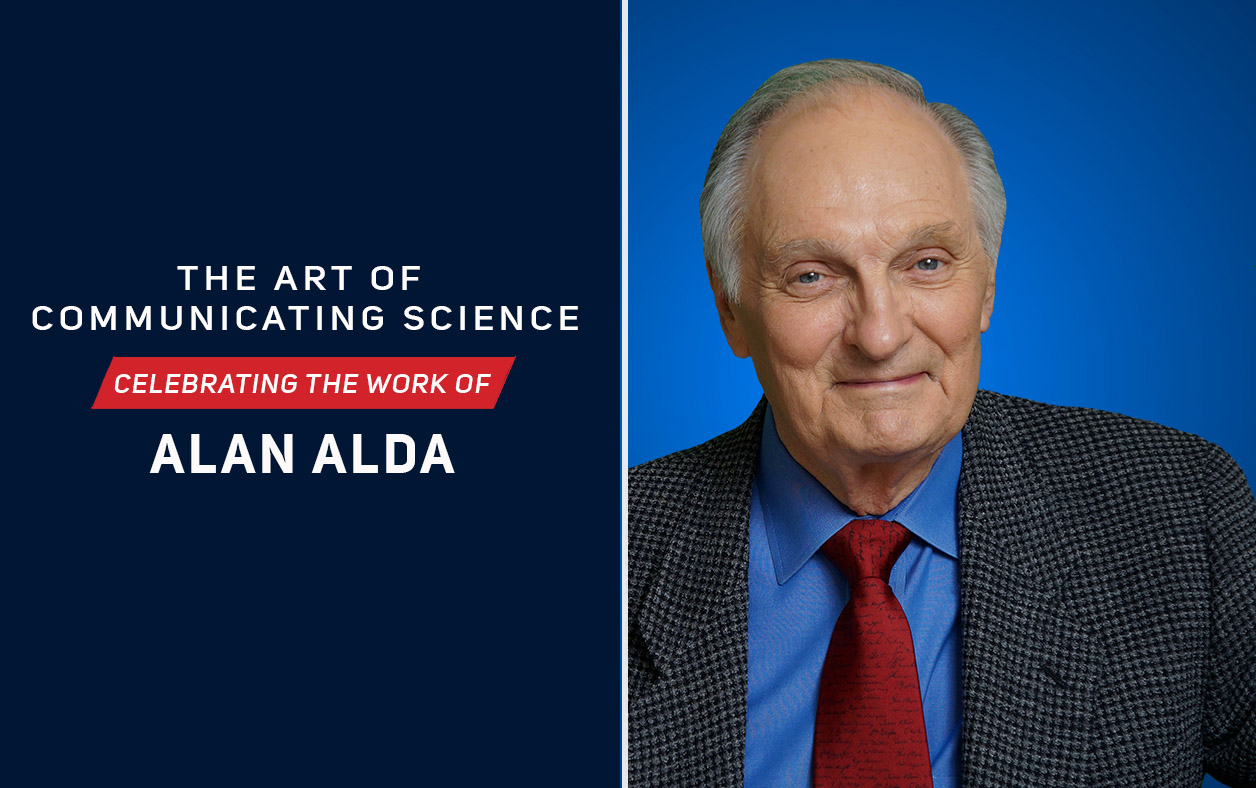
Known for his work in television, theater, and film, Alan Alda is also a passionate advocate of science. Through his years as host of Scientific American Frontiers, his founding of …

Stephen Wolfram joins Brian Greene to explore whether the ultimate theory of the universe might emerge from a computationally simple framework. This program is part of the Big Ideas series, …
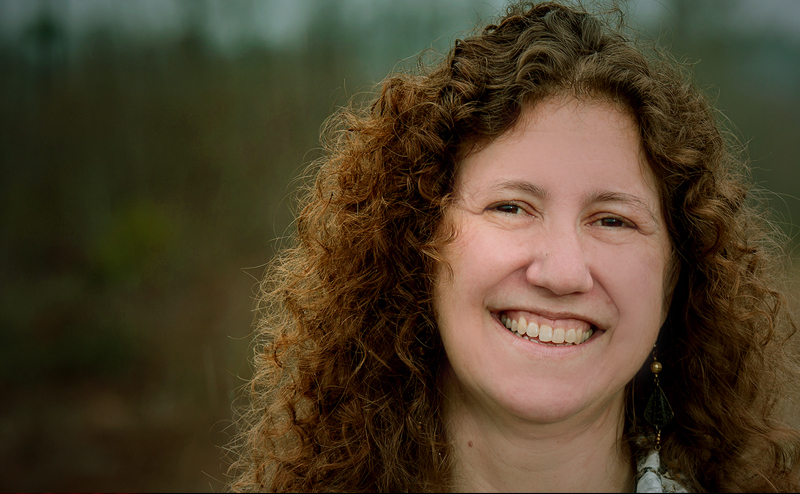
Great minds inspire greatness in others, which is why the Pioneers in Science program gives high school students from around the globe rare access to some of the world’s most …
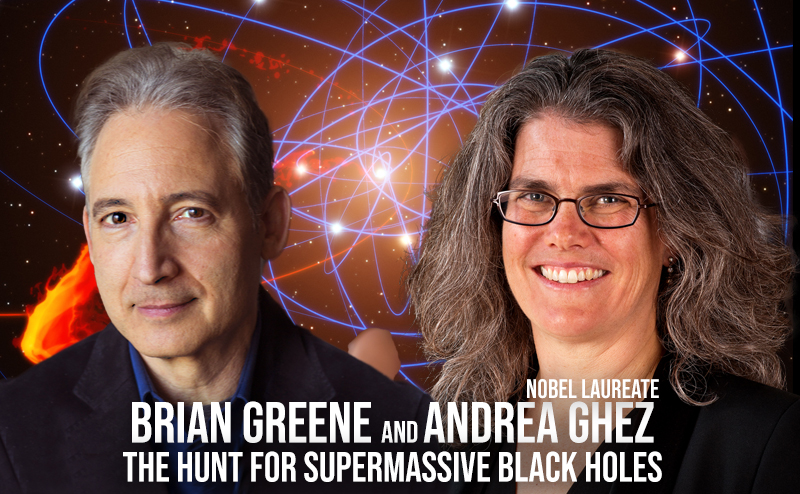
2020 Nobel Laureate in Physics Andrea Ghez talks with Brian Greene about the details of the long journey to discovering a supermassive black hole in the center of our galaxy …

Immanuel Kant, who coined the term genius in the 1700s, defined it as the rare capacity to independently understand concepts that would normally have to be taught by another person. Since then, the spectrum of abilities that we call genius has widened, but pivotal questions remain: What exactly is genius?