Search Icon




By 2050, there will be nine billion people on the planet. CRISPR, the revolutionary gene editing technology, could help usher in the next Green Revolution, allowing us to feed our …
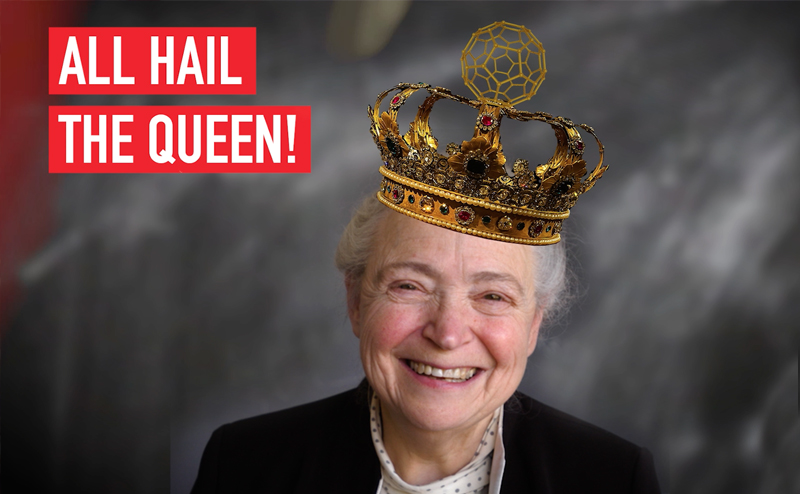
In 1955, a young scientist named Mildred Dresselhaus was told “women have no place in physics!”. Despite this, she became the “Queen of Carbon” and a champion of women in …
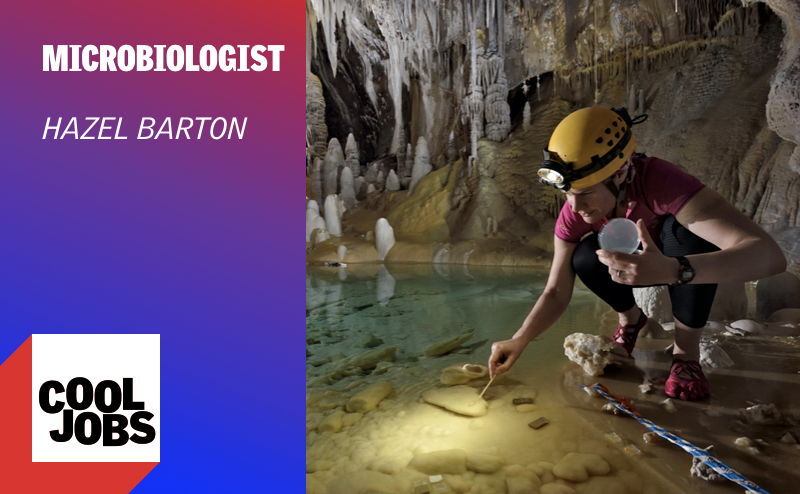
Microbiologist Hazel Barton goes spelunking in sticky mud, camping underground, and rope climbing in a atrium—all to research cures for antibiotic-resistant diseases. Episode filmed live at the 2009 World Science …
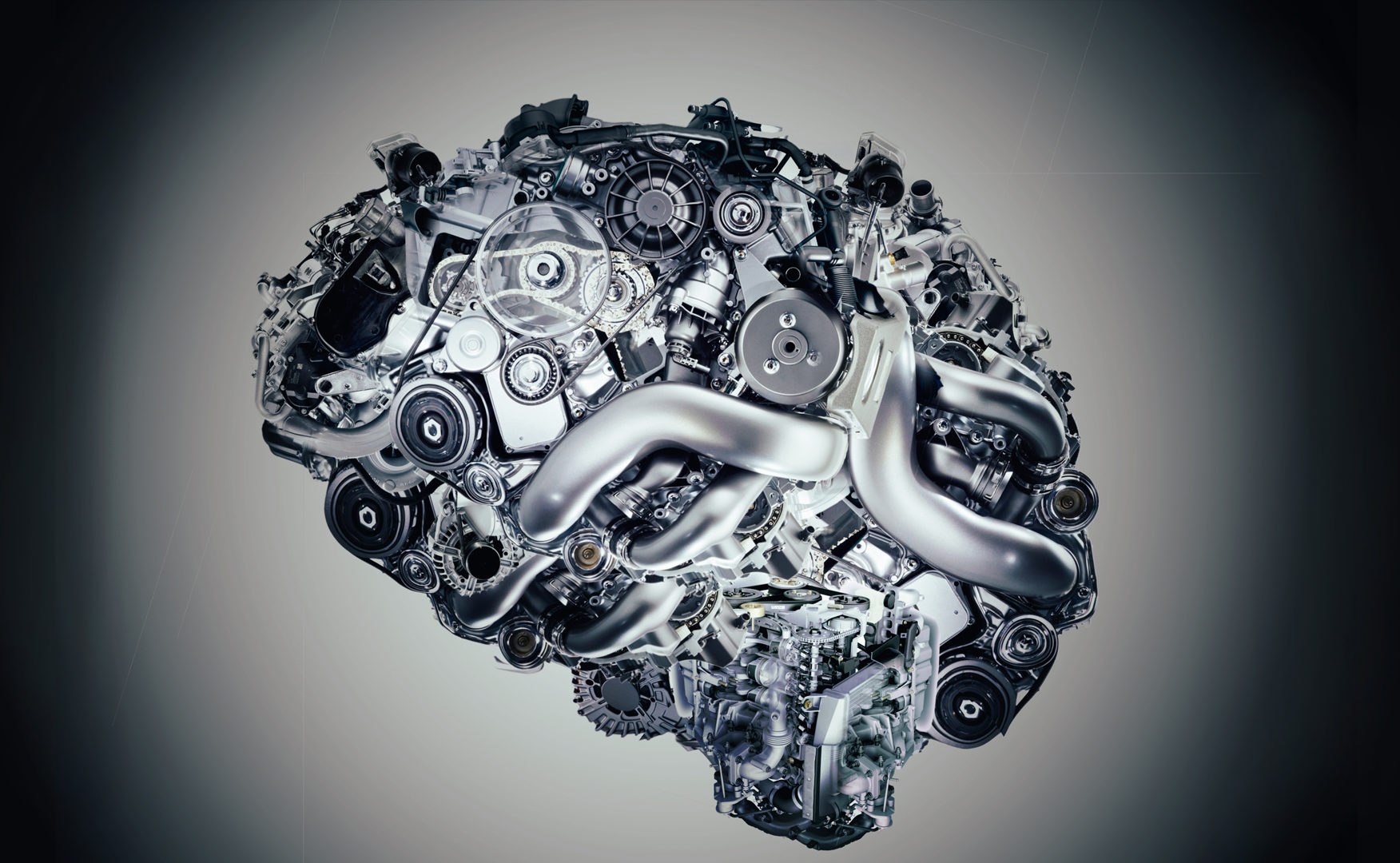
In recent years, machines have grown increasingly capable of listening, communicating, and learning—transforming the way they collaborate with us, and significantly impacting our economy, health, and daily routines. Who, or what, are these thinking machines? As we teach them to become more sophisticated, how will they complement our lives?
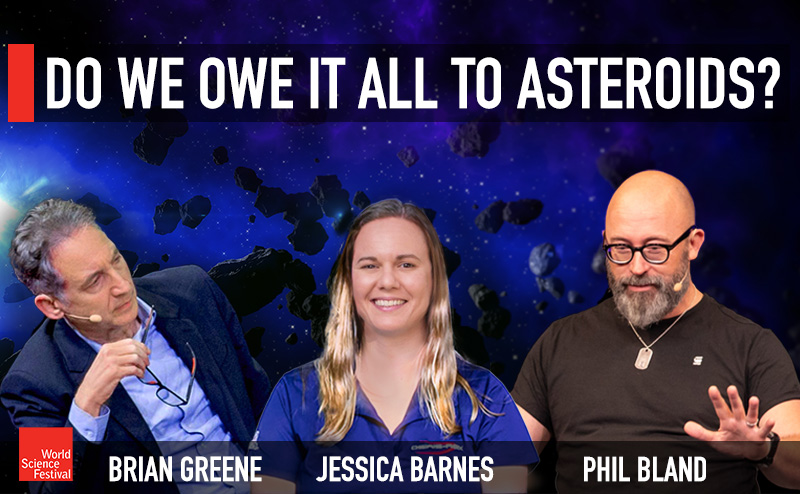
Did the molecules that make up life ride to earth on an asteroid? Planetary scientists Jessica Barnes and Phil Bland join Brian Greene to discuss NASA’s recent rendezvous with Bennu, …
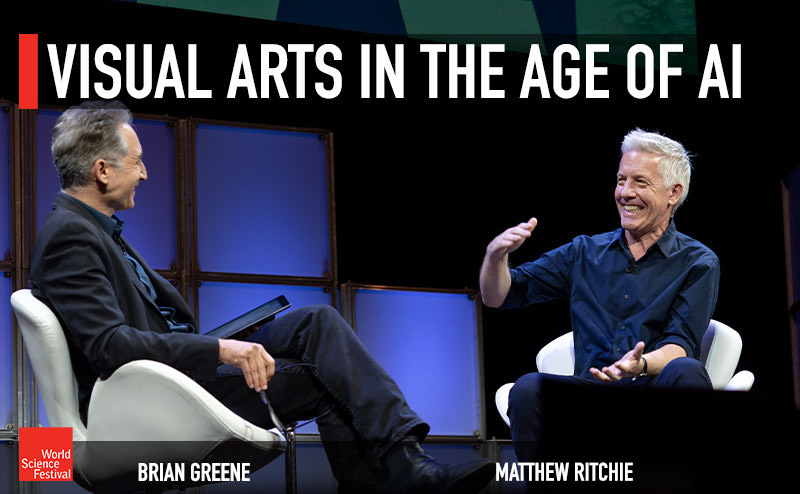
Is creative expression the exclusive domain of the human mind, or can artificial intelligence reach — or assist humans in reaching — the enigmatic brilliance of artistic genius? Renowned multimedia …