Search Icon




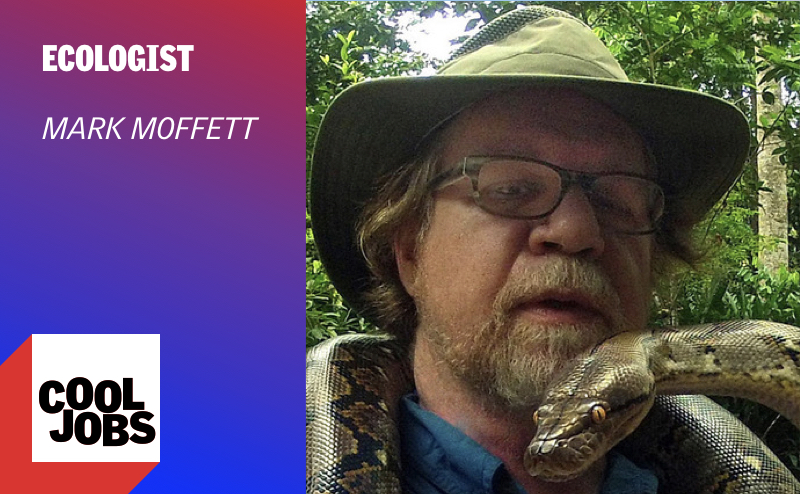
Ecologist and explorer Mark Moffett has trekked across the globe to document new animal species and behaviors. Just like the creatures he studies, Mark can be found crawling in the …
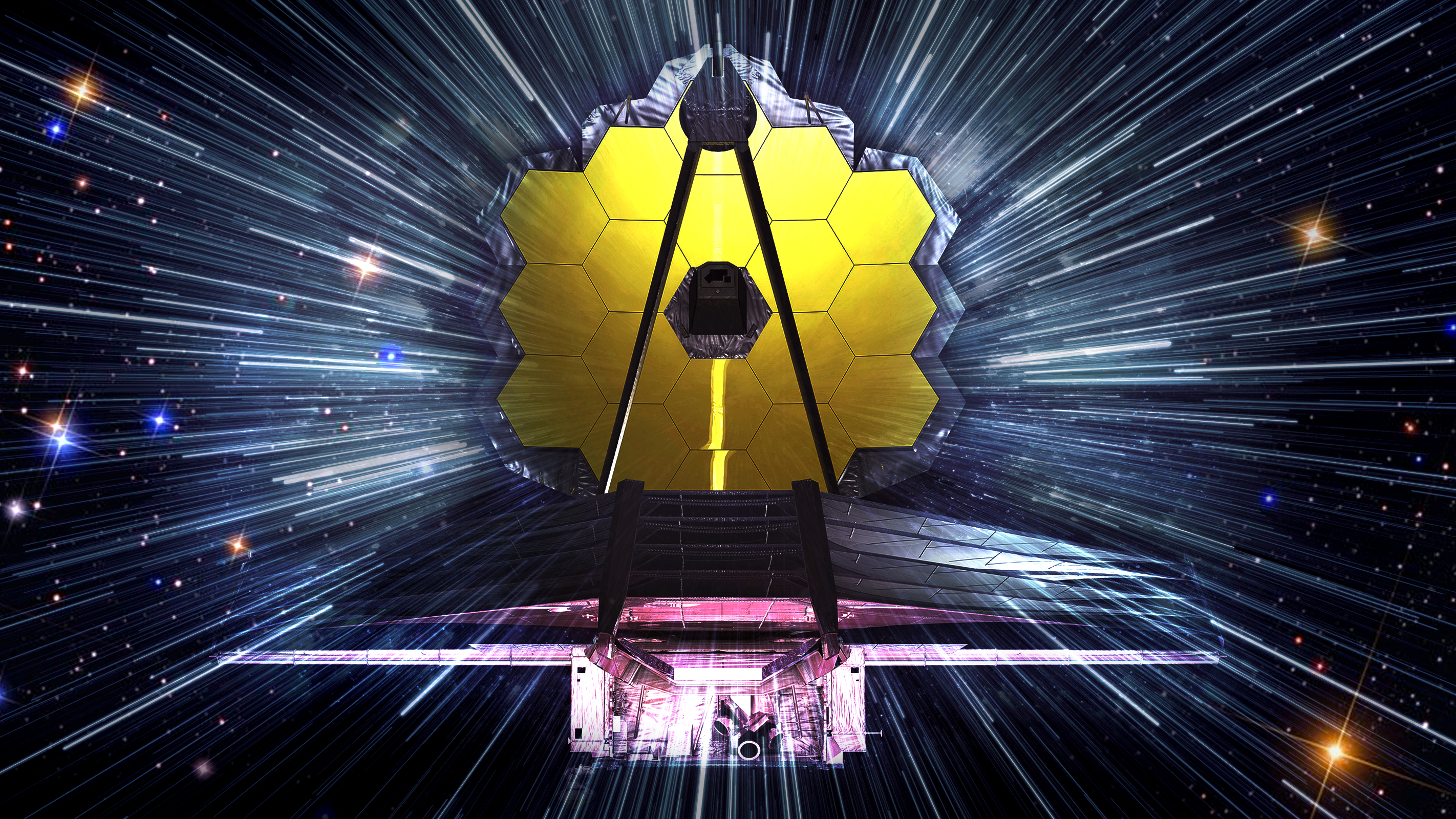
The powerful James Webb Space Telescope–the successor to the Hubble Space Telescope–promises insight into profound questions that have dogged philosophers and astronomers for millennia. What is the origin of the …
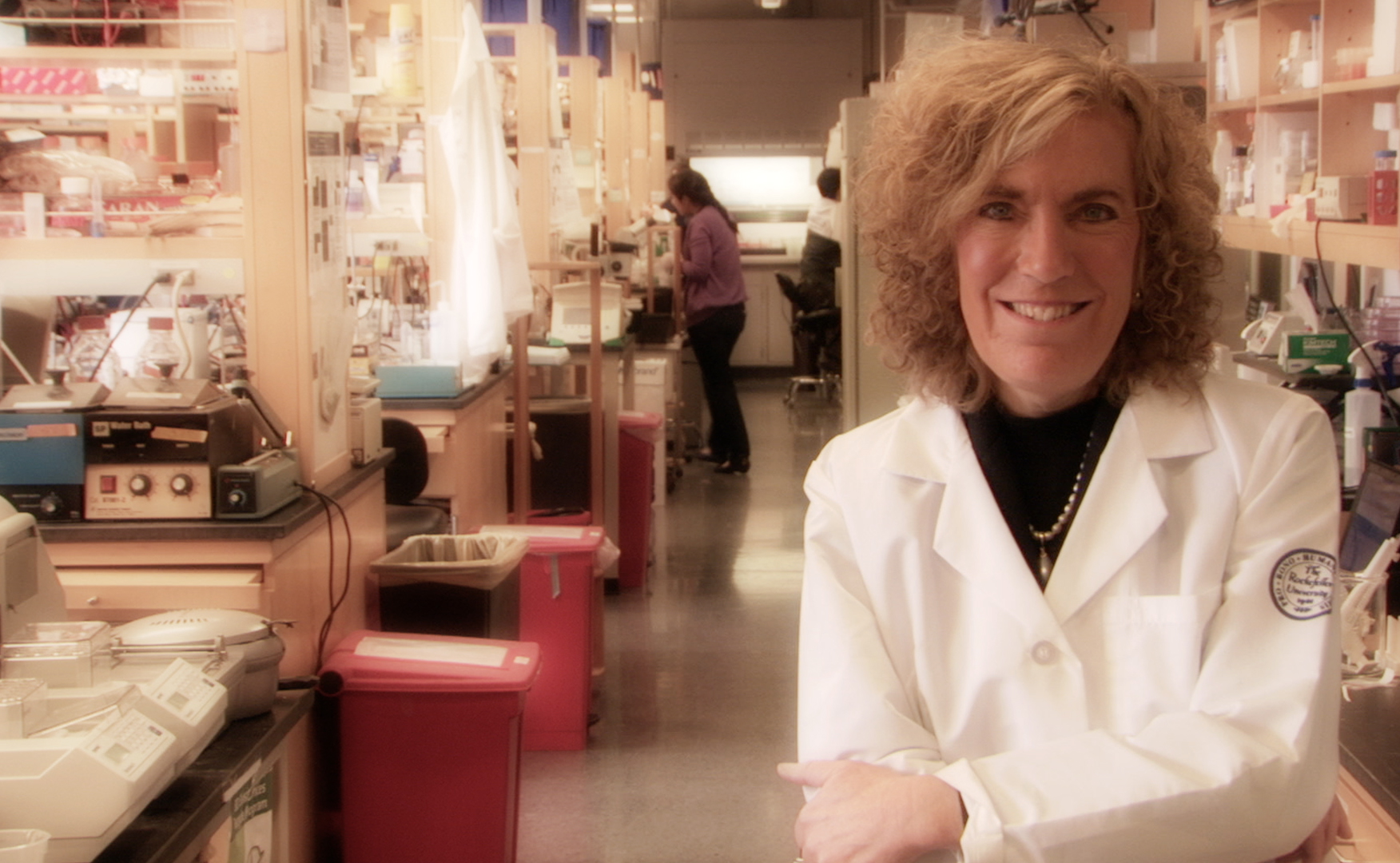
Elaine Fuchs pioneered the field of reverse genetics—studying proteins and learning what they do, and how they do it, in order to identify the genetic disease they cause when they …
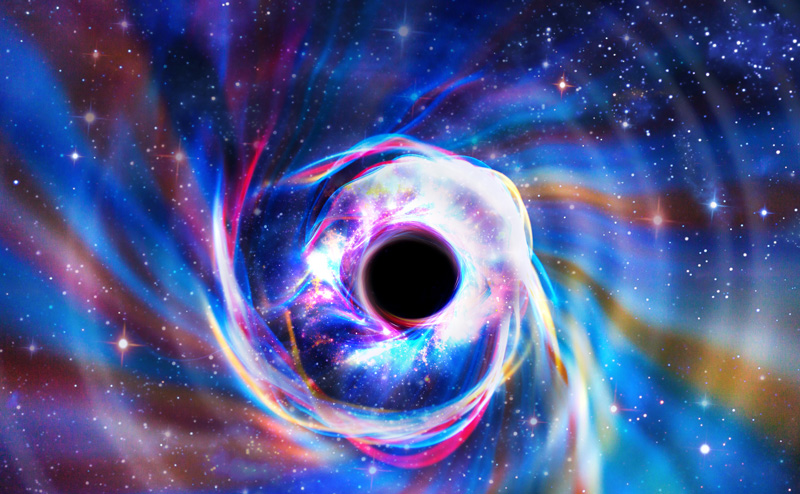
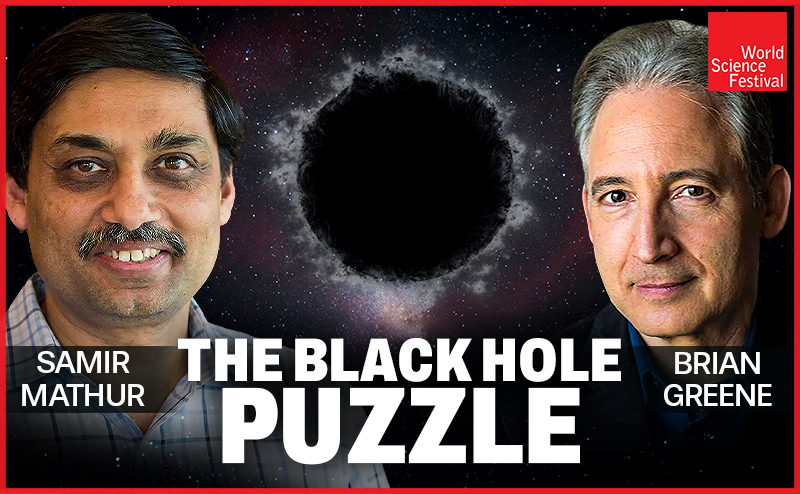
Black holes may hold the key to understanding the most fundamental truths of the universe, but how do you see something that’s, well, black? Astronomers think they have the answer. …
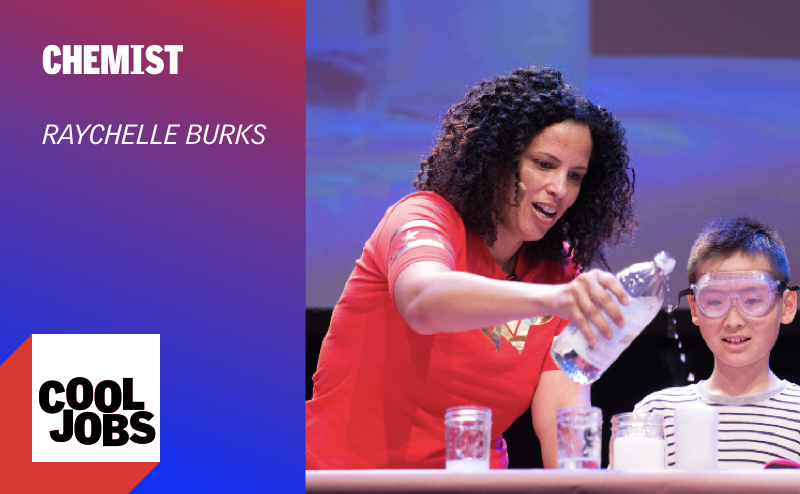
Chemist Raychelle Burks is on the front lines of forensic science, developing ways to detect drugs and explosives. Episode filmed live at the 2016 World Science Festival in New York …
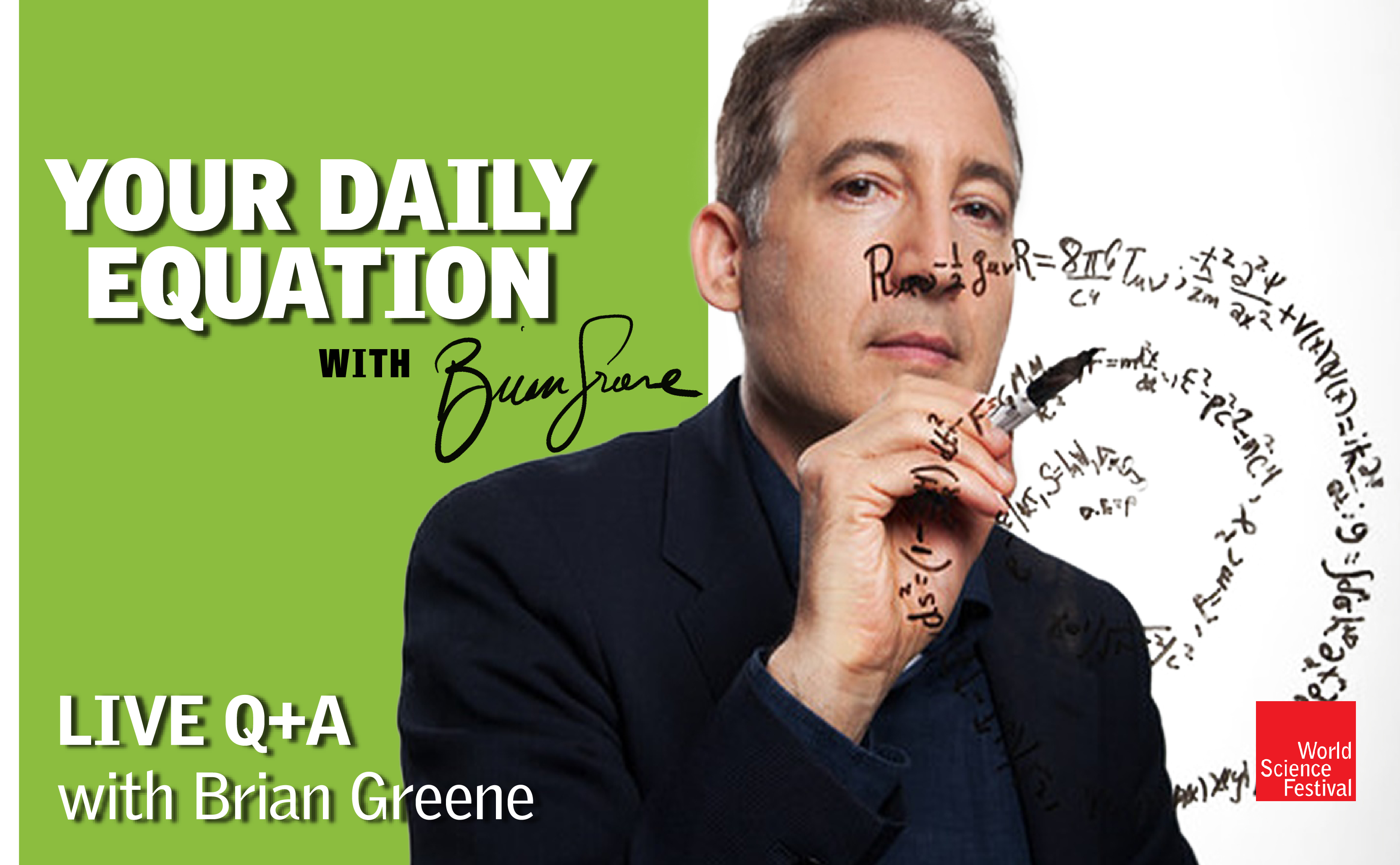
Join us for #YourDailyEquation with Brian Greene. Every Mon – Fri at 3pm EDT, Brian Greene will offer brief and breezy discussions of pivotal equations. Even if your math is a …