Search Icon



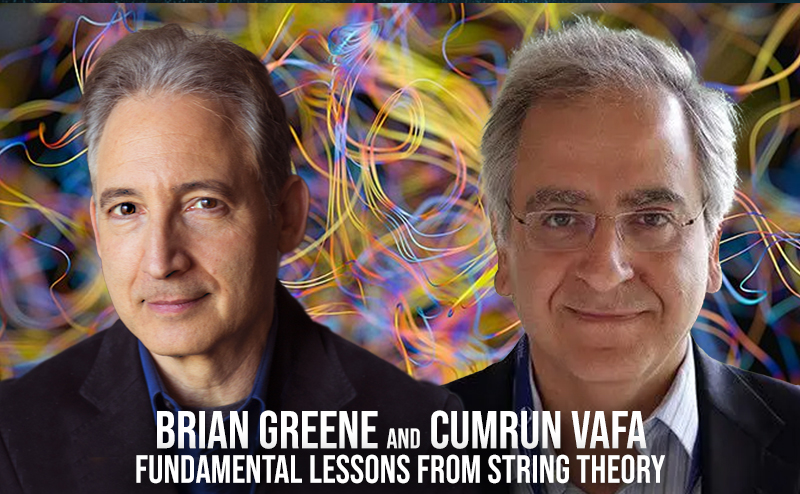
Harvard professor and 2017 Breakthrough prize winner in Fundamental Physics, Cumrun Vafa joins Brian Greene for a discussion on the past and future of string theory and how puzzles ignited …
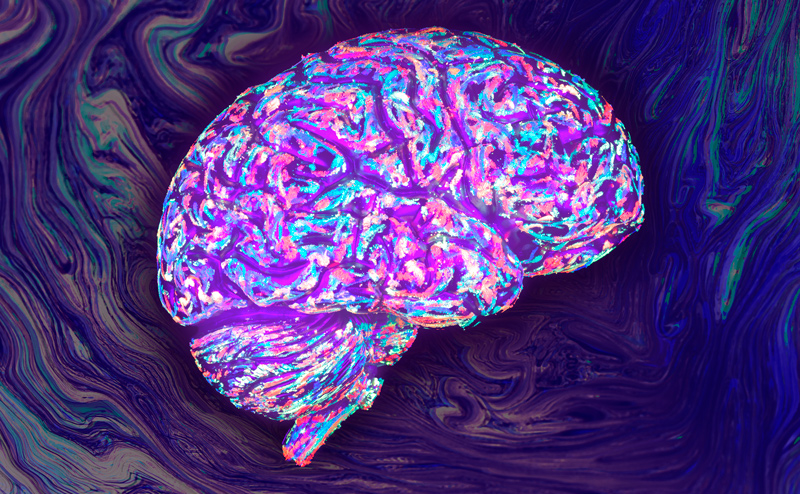
Nearly every culture throughout history has used chemicals that alter consciousness for spiritual exploration. In the 20th century these drugs caught the attention of scientists. Psychedelics, as they were named, …
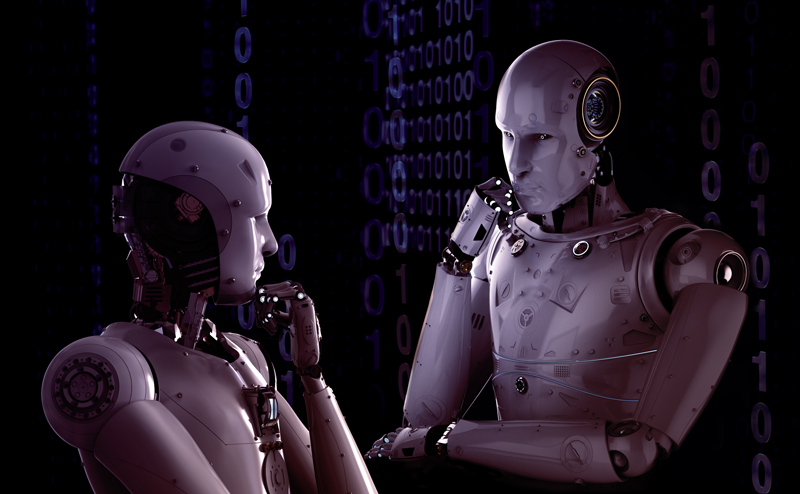
Join Turing Prize winner Yann LeCun and other pioneers in artificial intelligence for a no-nonsense discussion of whether a truly intelligent machine can be created—and, if so, how and when. …
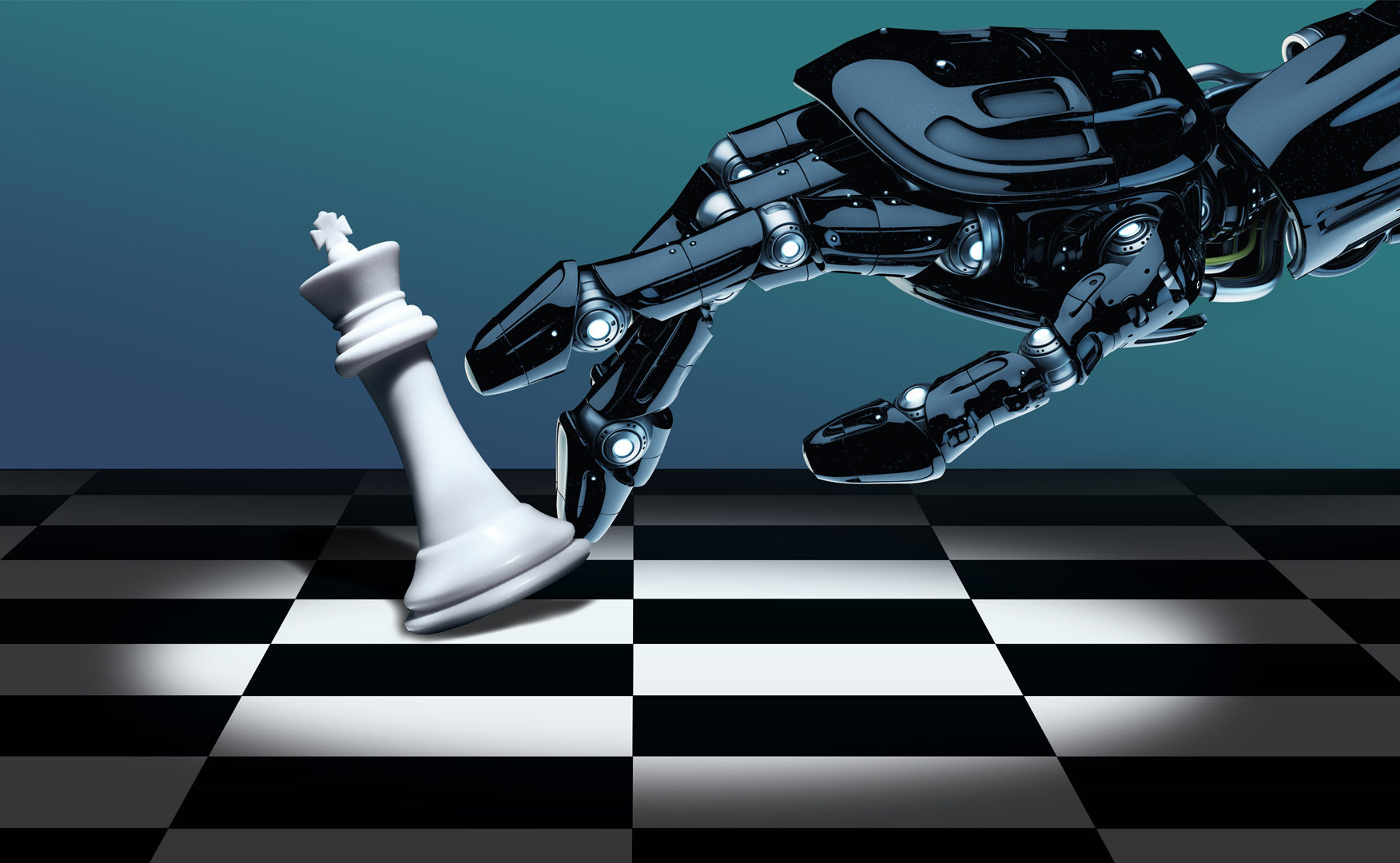
A self-driving car has a split second to decide whether to turn into oncoming traffic or hit a child who has lost control of her bicycle. An autonomous drone needs to decide whether to risk the lives of busload of civilians or lose a long-sought terrorist. How does a machine make an ethical decision?
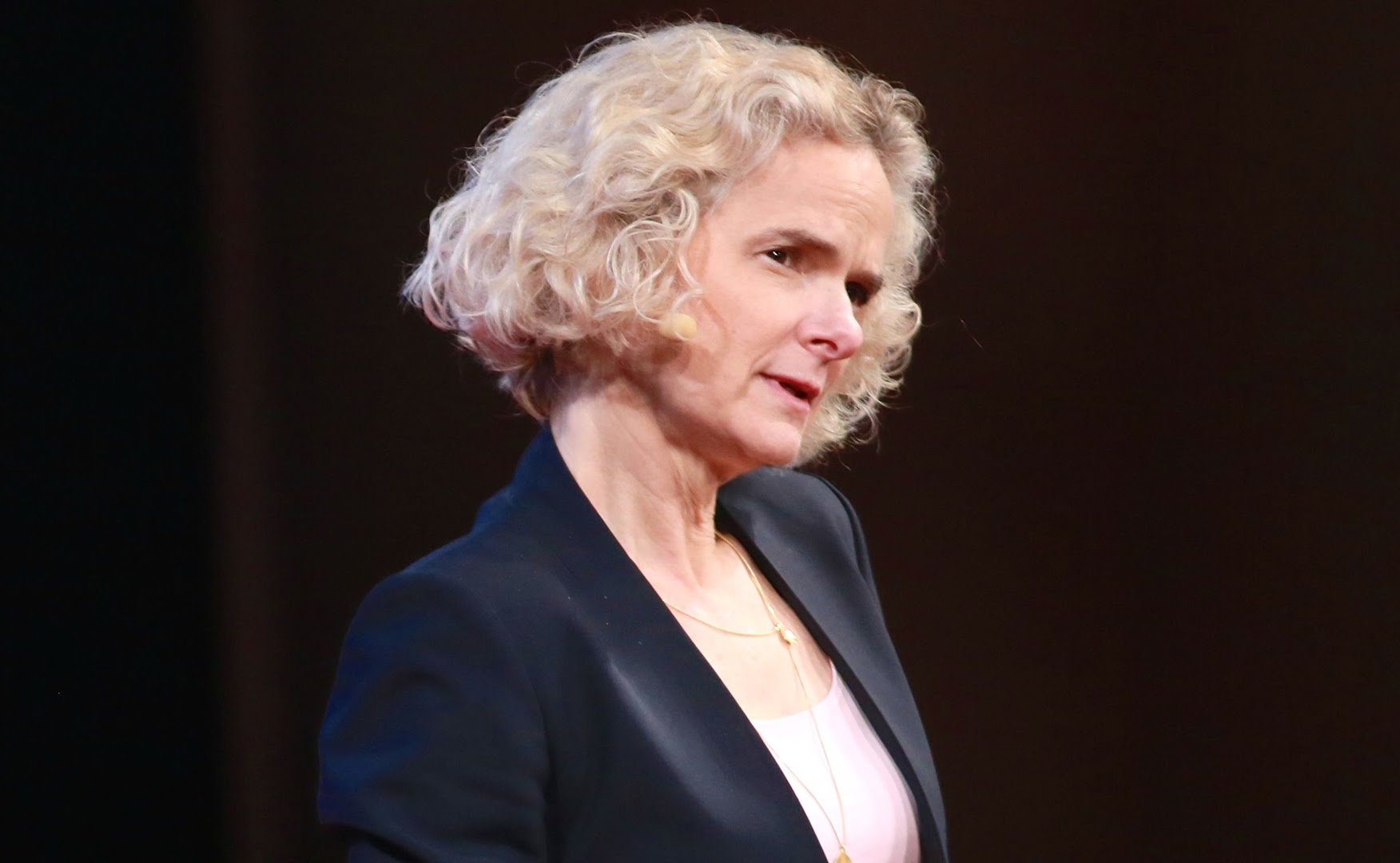
Meet Dr. Nora Volkow, whose research on drugs and the brain helped us understand addiction as a disease. Nora Volkow is the director of the National Institute on Drug Abuse. …
“The infinite! No other question has ever moved so profoundly the spirit of man,” said David Hilbert, one of the most influential mathematicians of the 19th century. A subject extensively studied by philosophers, mathematicians, and more recently, physicists and cosmologists, infinity still stands as an enigma of the intellectual world.