Search Icon



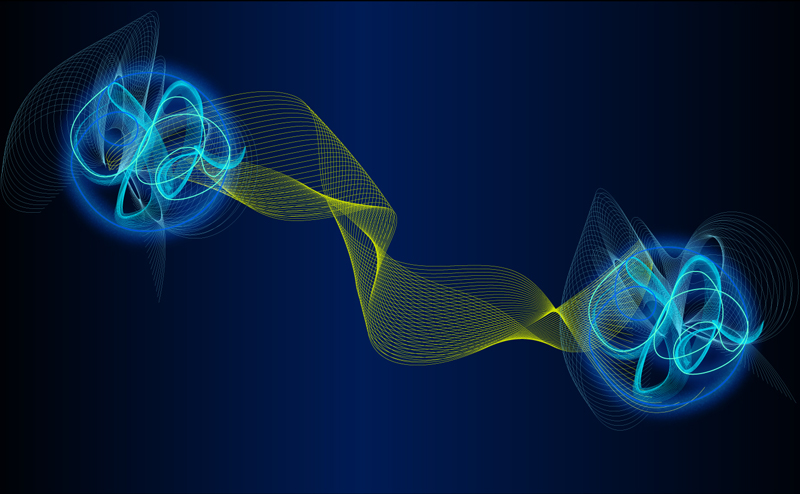
In 1935, Albert Einstein and two colleagues published a landmark paper revealing that quantum mechanics allows widely separated objects to influence one another, even though nothing travels between them. Einstein called it spooky and rejected the idea, arguing instead that it exposed a major deficiency in the quantum theory.
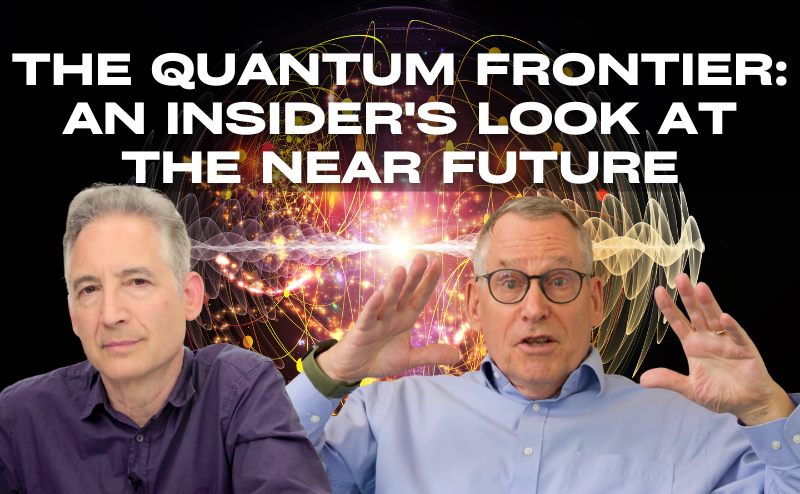
Renowned Caltech physicist John Preskill joins Brian Greene for an in-depth discussion of quantum mechanics, focusing on where we are and where we’re headed with quantum computing. This program is …
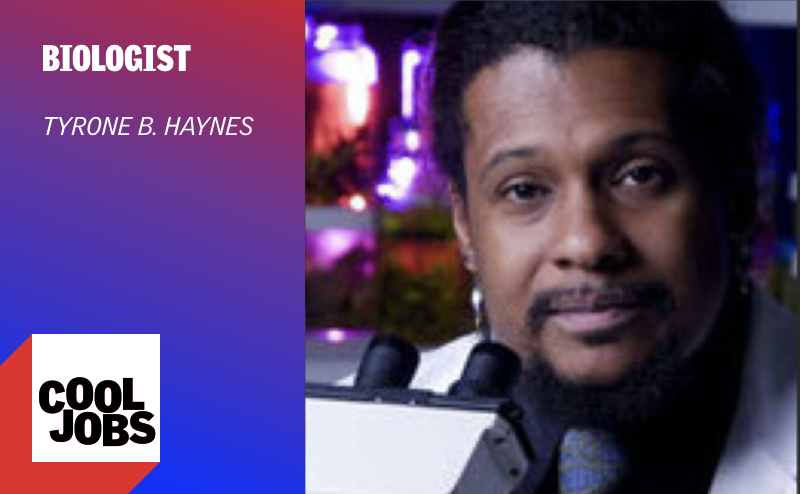
Amphibian biologist Tyrone Hayes’s boyhood love of frogs turned into a career of adventure. Hear how he uncovered farming chemicals that give male frogs female reproductive capabilites, a discovery that …

By 2050, there will be nine billion people on the planet. CRISPR, the revolutionary gene editing technology, could help usher in the next Green Revolution, allowing us to feed our …

What we touch. What we smell. What we feel. They’re all part of our reality. But what if life as we know it reflects only one side of the full story? Some of the world’s leading physicists think that this may be the case.
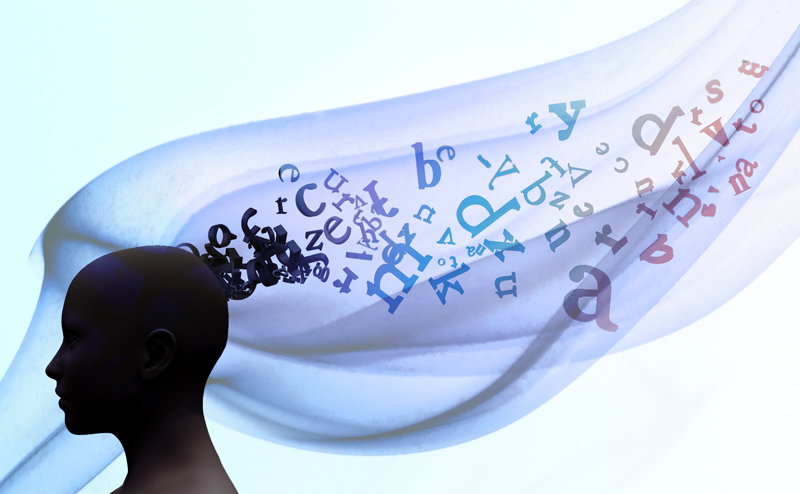
Language ranks among the most powerful influences on human existence. Even so, language presents many mysteries that are the subject of heated debate. Was there a rewiring of the human …