Search Icon




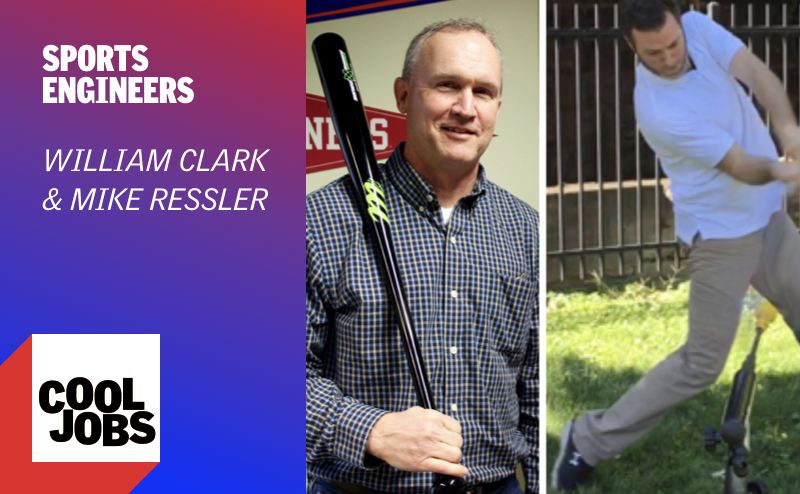
Improving your athletic ability is possible with technology created by engineers William “Buddy” Clark and Mike Ressler. See how their innovations can be easily used to analyze and step up …
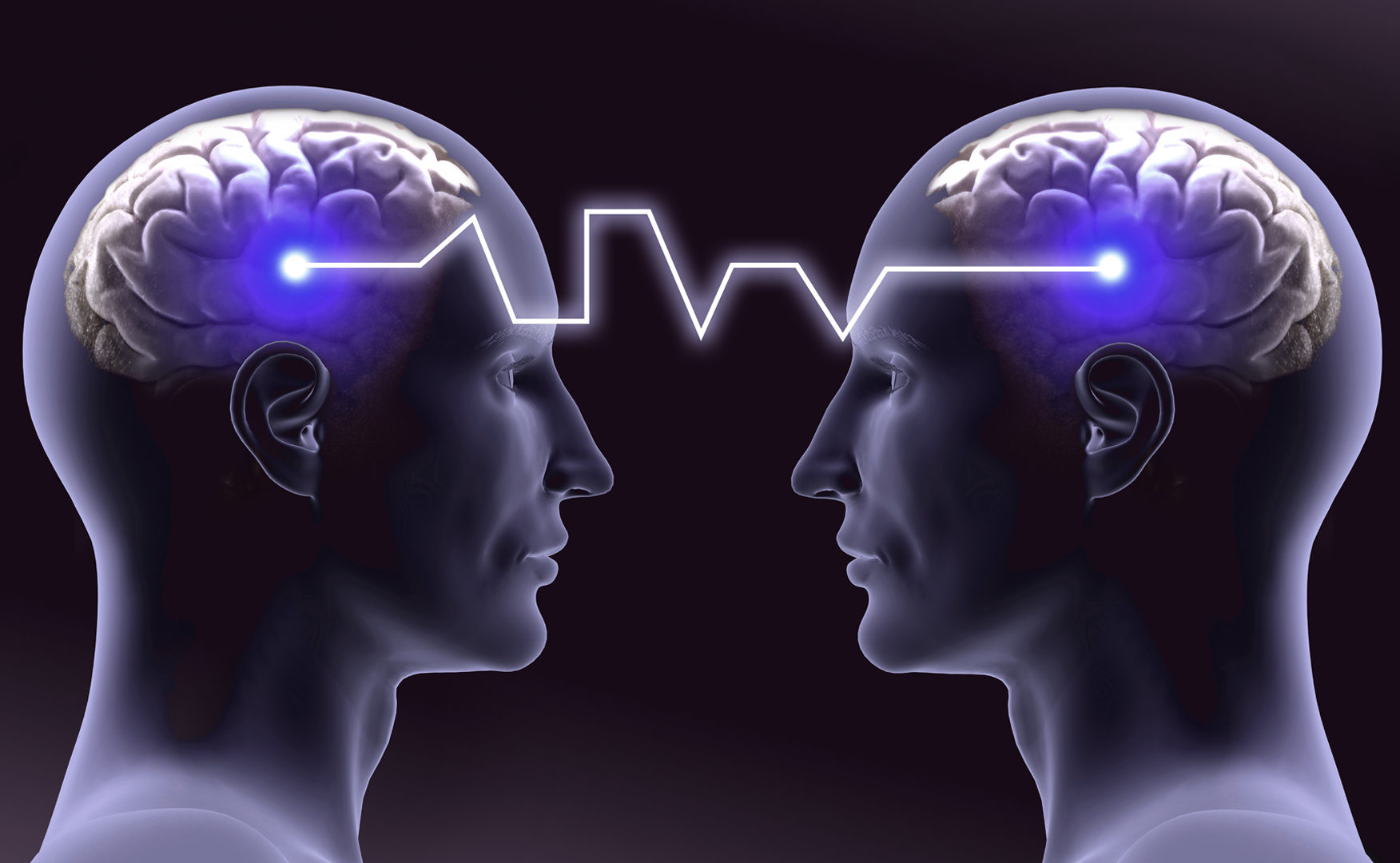
Music students download the technique of their favorite pianist or singer directly into their brains. Medical students download the skills of a seasoned surgeon or diagnostician. And each one of us routinely uploads our thoughts and memories to the digital cloud.
Join us for #YourDailyEquation with Brian Greene. Every Mon – Fri at 3pm EDT, Brian Greene will offer brief and breezy discussions of pivotal equations. Even if your math is a …
Acknowledging the scientists who blazed intellectual trails before him, Isaac Newton wrote: “If I have seen a little further it was by standing on the shoulders of giants.” In this …
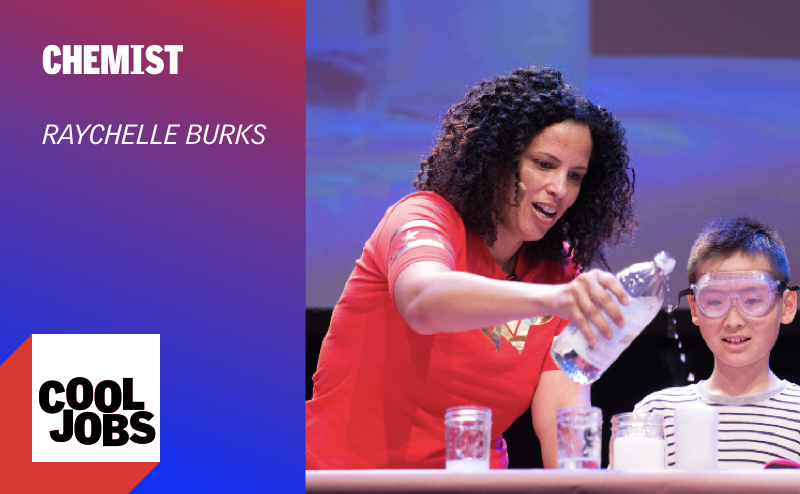
Chemist Raychelle Burks is on the front lines of forensic science, developing ways to detect drugs and explosives. Episode filmed live at the 2016 World Science Festival in New York …
Join us for #YourDailyEquation with Brian Greene. Every Mon – Fri at 3pm EDT, Brian Greene will offer brief and breezy discussions of pivotal equations. Even if your math is a …