Search Icon



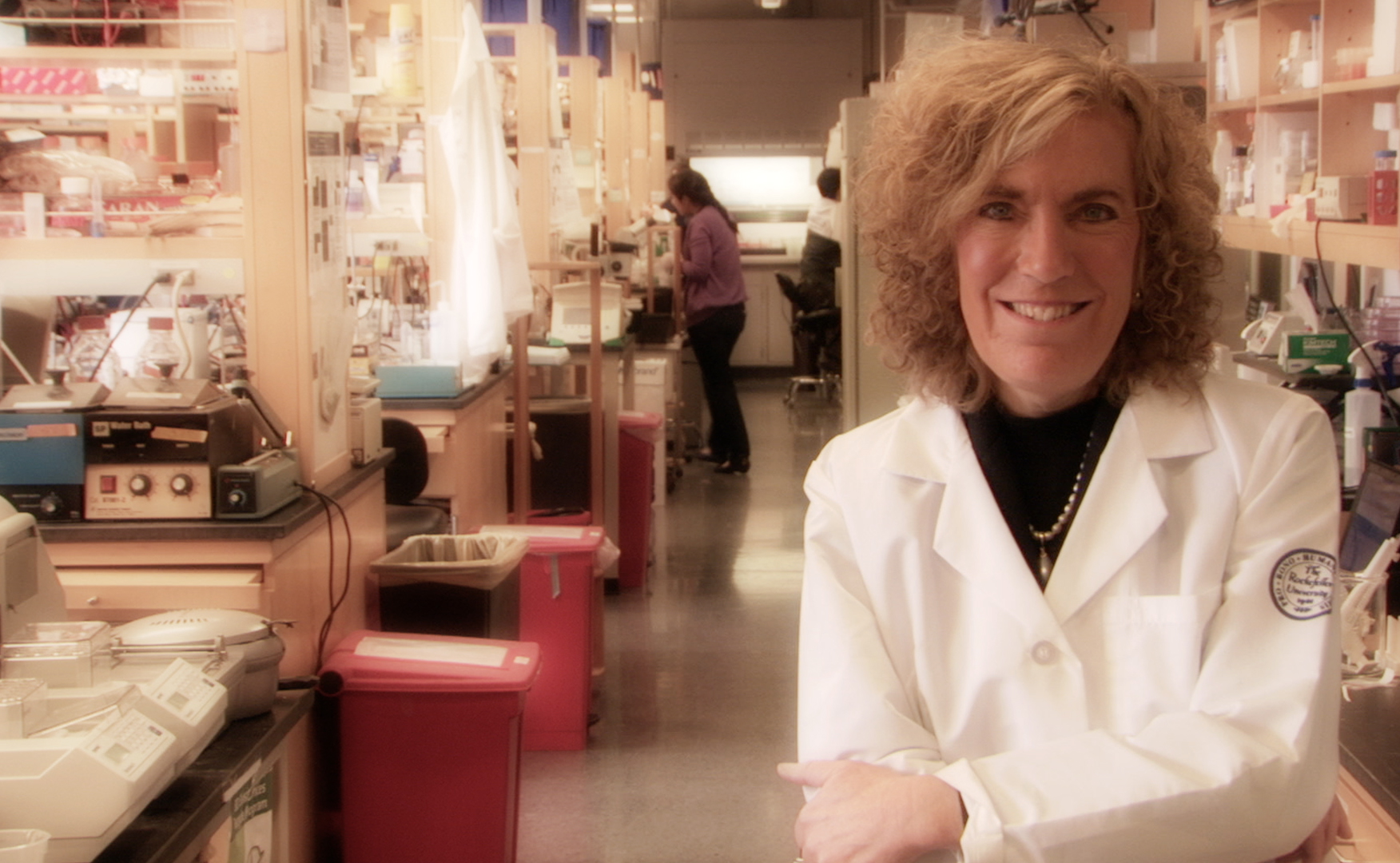
Elaine Fuchs pioneered the field of reverse genetics—studying proteins and learning what they do, and how they do it, in order to identify the genetic disease they cause when they …

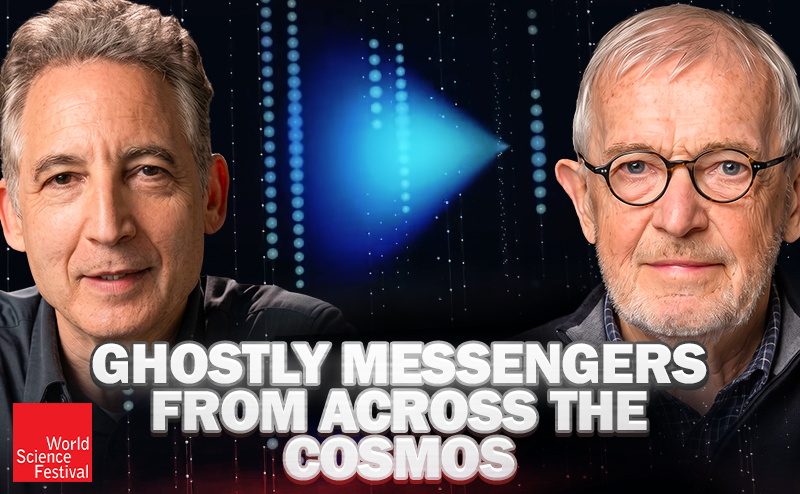
For the last half century we have slipped the surly bonds of earth with landers, rovers and spacecraft that have allowed us to touch the very edge of the Solar …
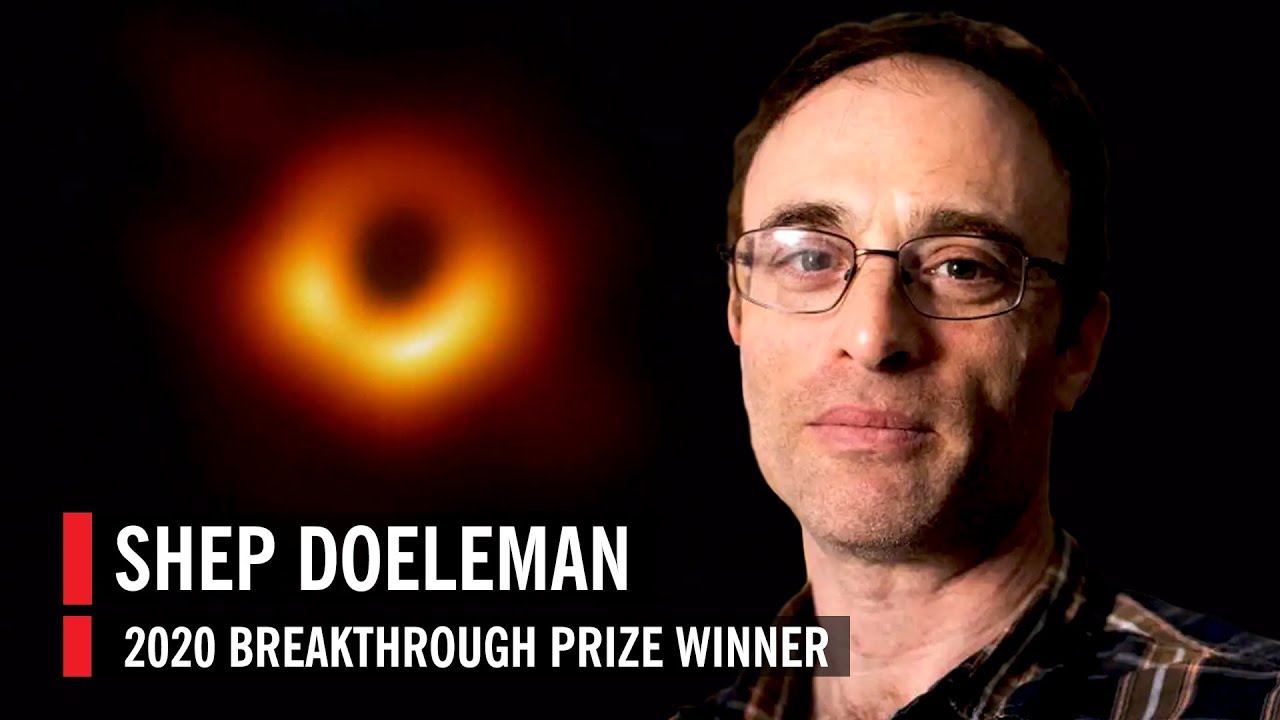
Congratulations to Shep Doeleman and the Event Horizon Telescope team, winners of the 2020 Breakthrough Prize in Fundamental Physics! At the 2019 World Science Festival, Shep presented the methods used …
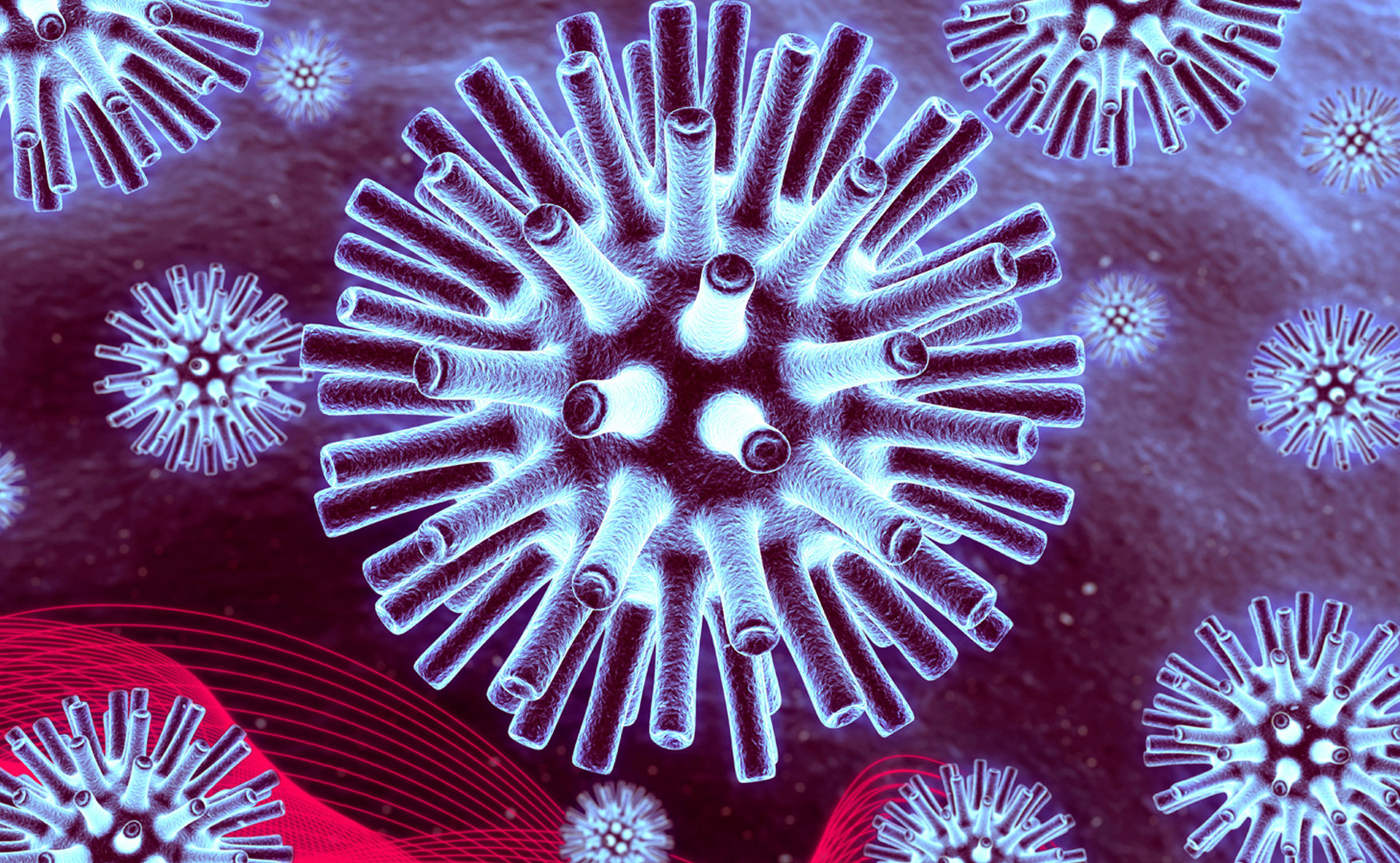
Pills the size of molecules to seek and destroy tumors. Miniscule robots performing surgery inside patients with a precision never before achieved. Nanobots, a billionth of a meter across, fixing mutations in DNA, or repairing neurons in your brain. Such are the possibilities as medicine enters the nano-era.

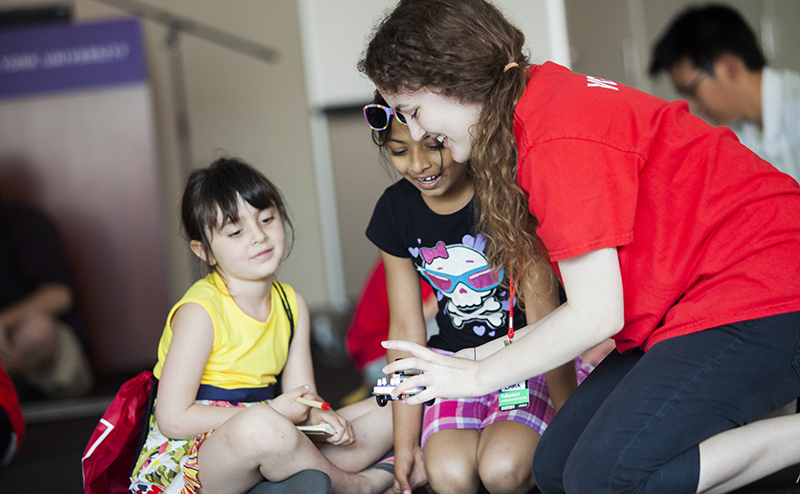
The World Science Festival’s Pioneers in Science program gives high school students from around the globe rare and intimate access to some of the world’s most renowned scientists in a …
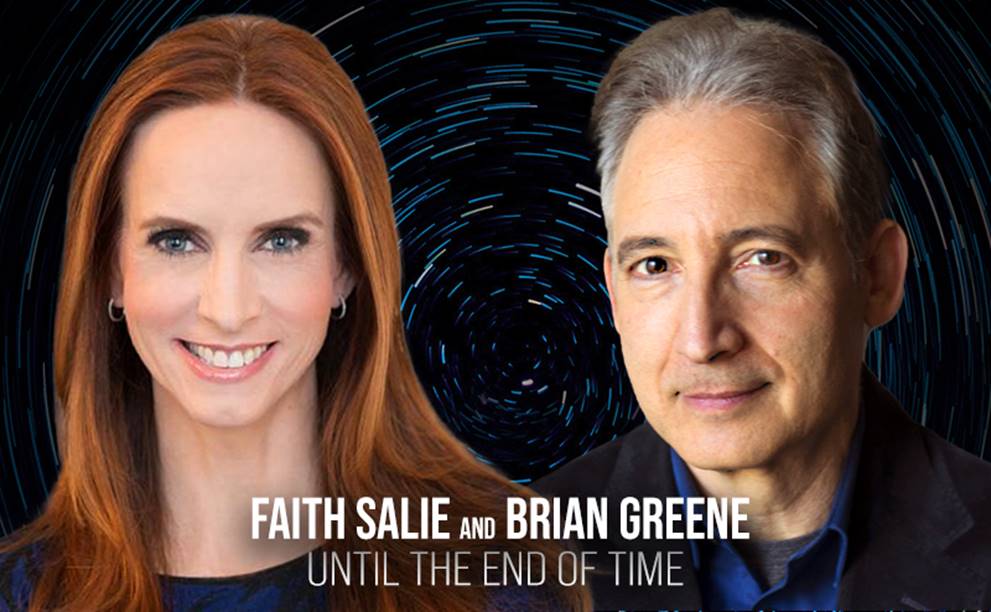
Physicist and mathematician Brian Greene and journalist Faith Salie explore the past and future of the cosmos – from the big bang to the closest science can take us to the very end – …