Search Icon




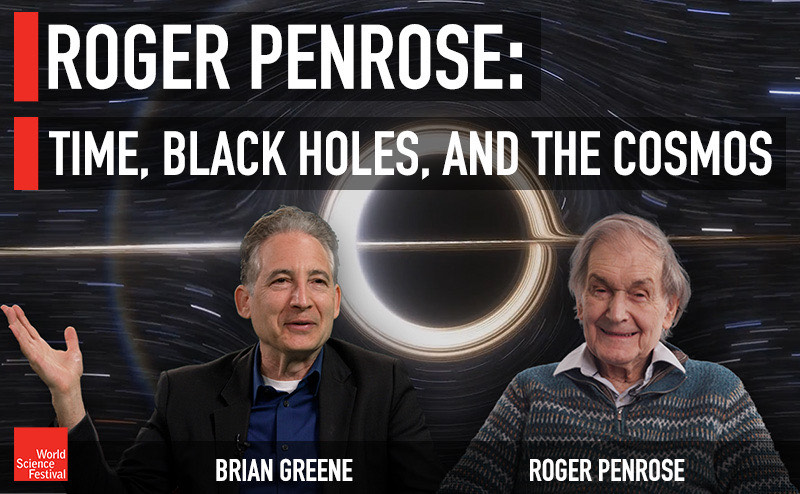
Nobel Laureate Roger Penrose joins Brian Greene to explore some of his most iconic insights into the nature of time, black holes, and cosmological evolution. This program is part of …
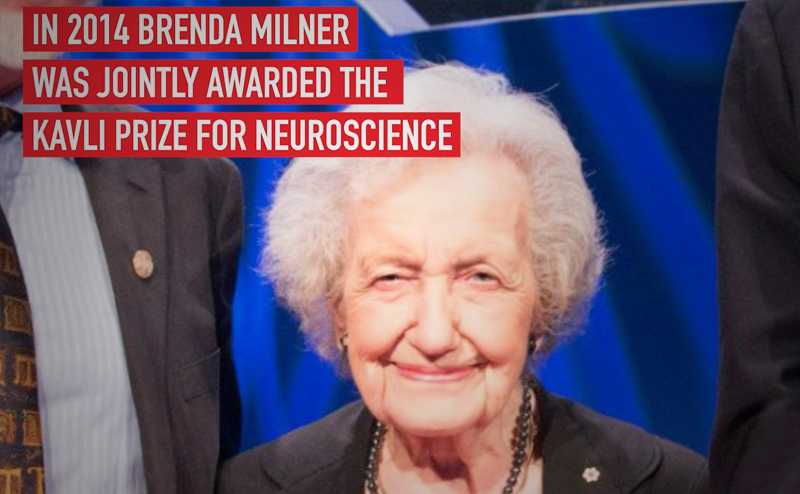
This video is part of our Brilliant Breakthroughs series: our new 20-episode mini-series exploring the “Eureka!” moments and proud accomplishments of the greatest scientific minds of our time. Join us …
This video is part of our Brilliant Breakthroughs series: our new 20-episode mini-series exploring the “Eureka!” moments and proud accomplishments of the greatest scientific minds of our time. Join us …
With his General Theory of Relativity, Einstein illuminated the grand expanse of the cosmos, but he was also instrumental in developing quantum mechanics for describing the microworld. In Einstein’s day, …

#YourDailyEquation with Brian Greene offers brief and breezy discussions of the most pivotal equations of the ages. Even if your math is a bit rusty, these accessible and exciting stories …

Powerful new genetic tools allow scientists to alter the DNA of any organism—with tests on human embryos already underway. Even more ambitious, synthetic biologists on the verge of creating the genetic material for a living organism from scratch are setting their long-term sites on fashioning a fully synthetic human genome.