Search Icon



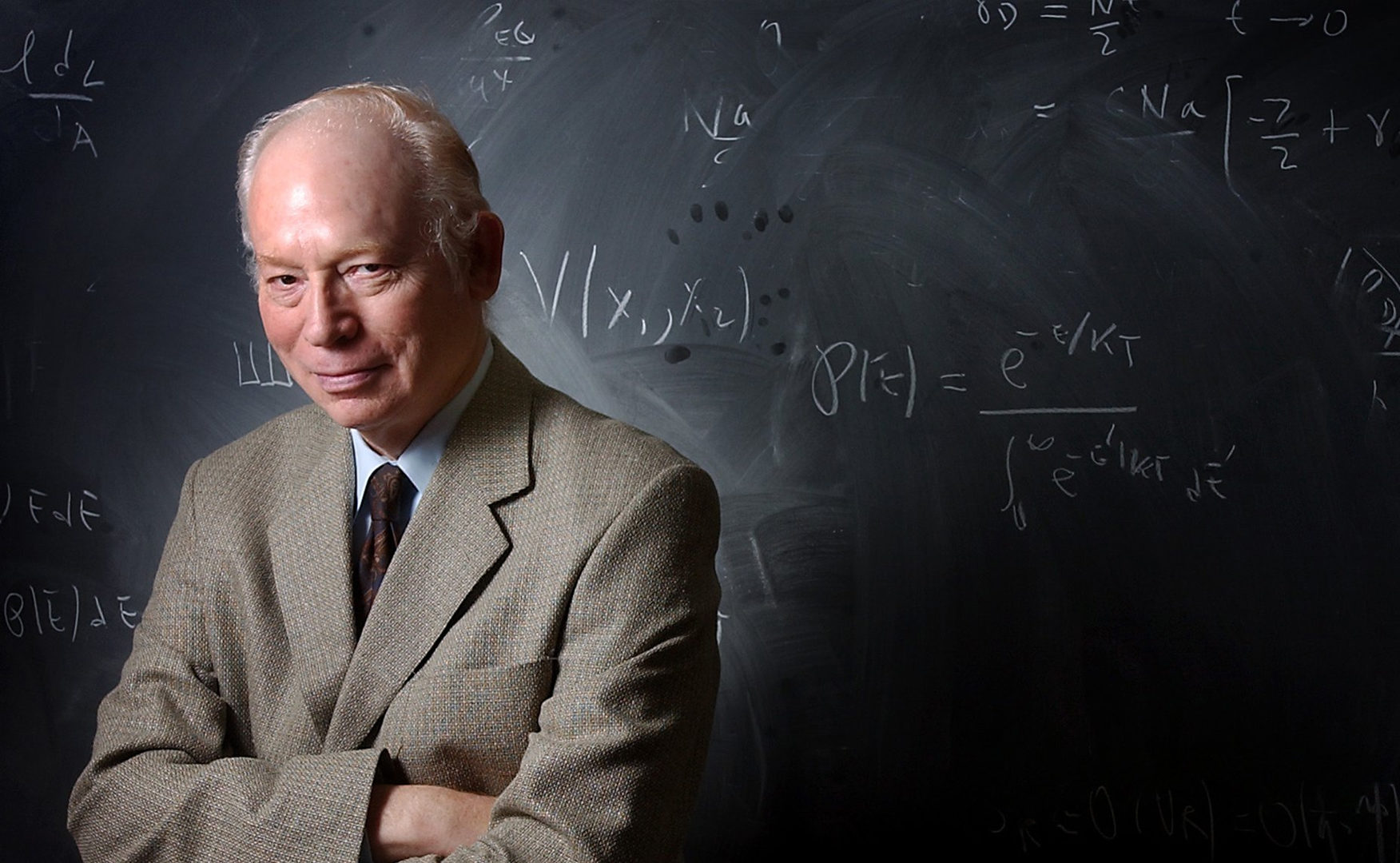
Nobel Prize-winning physicist Steven Weinberg spoke about science and history, drawing from his book “To Explain the World: The Discovery of Modern Science.”
For millennia, psychedelic substances have been used as sacraments, medicines, and tools to shift consciousness and expand the mind. Why have these compounds captivated humans for so long and how …
IBM’s Watson has the ability to make a diagnosis. Apps can track and monitor patient emergencies. Our phones may soon be our medical advisers. Preventive and diagnostic medicine is on the cusp of an AI revolution that will no doubt save lives.
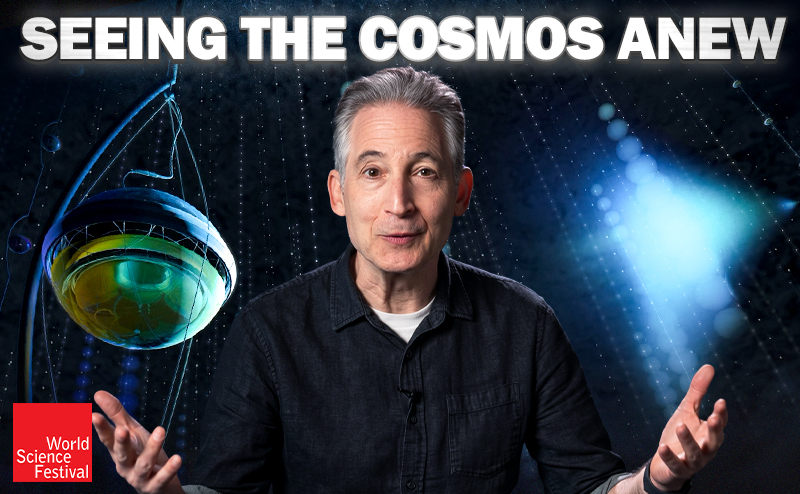
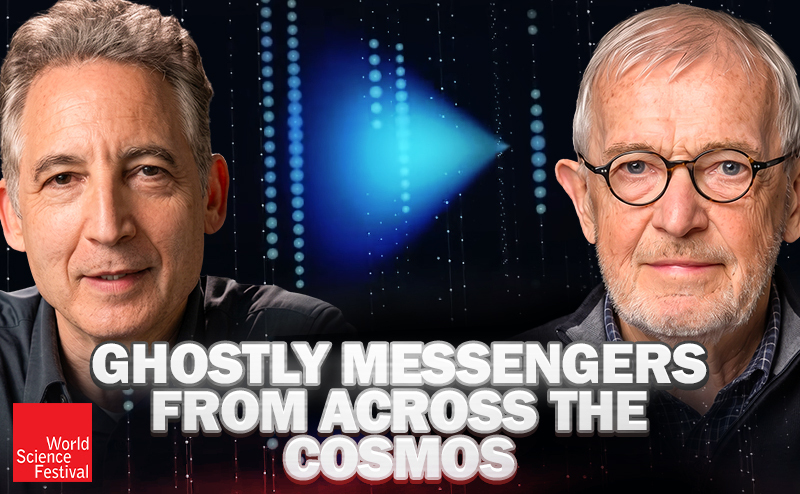
The 2026 Nobel Prize in Physics has been announced. Brian Greene explains the science behind it, and why detecting neutrinos from deep space opens a genuinely new way of observing …

Using brainwaves to send a Tweet, biomechanical engineer Adam Wilson demonstrates how neural prosthetic devices can allow people with motor disabilities to communicate with the outside world. Episode filmed live …

Can marching ants, schooling fish, and herding wildebeests teach us something about the morning commute? Robert Krulwich guides this unique melding of mathematics, physics, and behavioral science as Mitchell Joachim, Anna Nagurney and Iain Couzin examine the creative and sometimes counter intuitive solutions to one of the modern world’s most annoying problems.